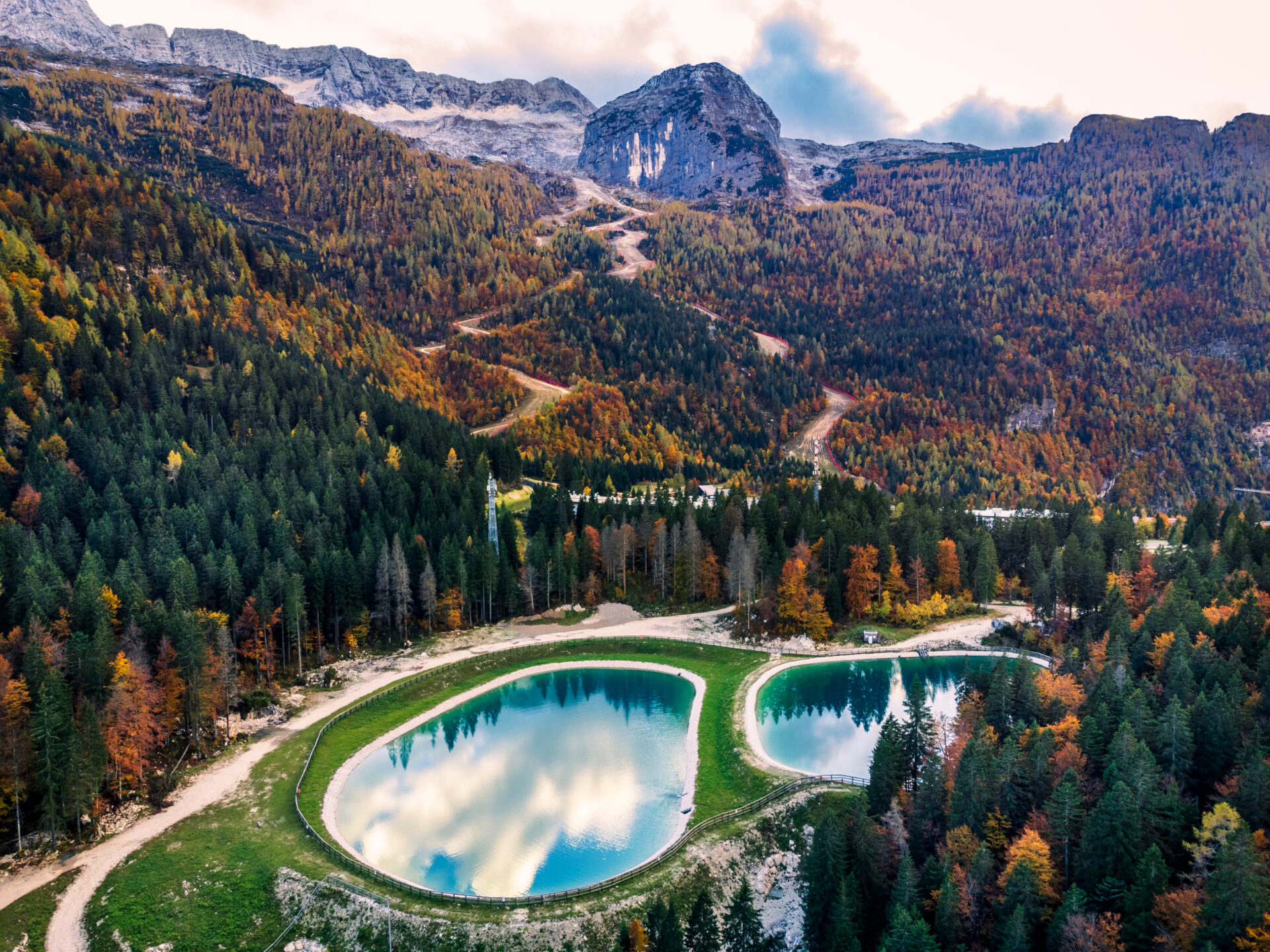
Part of Italy
Cycling in Friuli Venezia Giulia
Many cyclists know Friuli Venezia Giulia thanks to the Giro myths: the rugged and steep Monte Zoncolan and the time trial to Monte Lussari. The region is not only known for those iconic climbs; on the Karst plateau above Trieste you’ll also find stunning gravel routes (including the Giordano Cottur trail towards Val Rosandra) that you can easily incorporate into a road route. Granfondos like the Carnia Classic Zoncolan underline the region’s sporting DNA.
But: although the FVG is often associated with Giro drama and karst gravel, the region has much more to offer. In just over 7,800 km², you can cycle in a short time from the Alps to the Adriatic coast: from high passes and forests in the north to lagoons and long sandy beaches around Grado and Lignano Sabbiadoro. This combination makes the FVG exceptionally versatile for both race and gravel cycling.
Did you know, for example, about the Carnic and Julian Alps? The latter perhaps from neighboring Slovenia, but also in Italy? Here, peaks like Monte Coglians (2,780 m) and Jôf di Montasio (2,752 m) tower above the valleys. Around Sella Nevea and the Altopiano del Montasio lie fantastic mountain trails; the final climb to Montasio even clocks in at ~20% – exactly the kind of climbing you come to the FVG for.
The coast becomes Mediterranean. Between Trieste and the Slovenian border you drive along the edges of the cliffs and over old railway tracks; the Giordano Cottur cycling trail (in honor of the old cyclist Giordano Cottur) is a beautiful, car-free route from the city to the rugged Val Rosandra. After that, a swim in the sea or a drink at a terrace in Trieste is never far away.
And don’t forget the culinary aspect! The region is home to Prosciutto di San Daniele and white top wines from Collio; ideal for a delicious snack after a long drive (just be careful with the amount of wine). Order a plate of frico and taste why this region tastes just as good as it looks on the bike.
If there is one reason to go cycling here, it is the link with the Giro d’Italia: The names of Zoncolan, Montasio, Lussari and Crostis will sound familiar to many (and often to the bikers as well.)
But those climbs aren’t the only reason to go cycling here. The variety of terrain, between the Alps and the more hilly/flat routes along the coast, plus the alternation between gravel and road, will provide you with plenty of variety. The Alpe Adria route also runs here and it’s a popular long-distance cycling trail.
Another reason? good infrastructure: bicycle-friendly public transport facilities (buses with bicycle trailers, summer boat connections) and well-paved and fenced-off cycling paths.
In Friuli Venezia Giulia you’ll find a landscape full of contrasts, ideal for every cyclist. Especially in the north are the Carnic and Julian Alps: rugged, quiet and spectacular. Here awaits the real climbing with Monte Zoncolan and Monte Crostis, plus combinations like Sella Nevea – Altopiano del Montasio. Think of narrow roads, hairpin turns and long stretches above 10%—perfect for those seeking adventure on the race bike; for those who want gravel, they can roll along the high alpine panoramic routes and forest paths.
A little further south are the wine hills of Colli Orientali and Collio. This is the postcard-perfect Friuli: rolling hills, vineyards and charming towns like Cividale del Friuli and Cormons. The quiet, winding roads are ideal for trips with plenty of views and a stop for a glass of local wine. Travellers will find numerous white roads and connecting paths between the vineyards.
The heart of the region feels softer: over the Isonzo Plateau and towards the lagoons near Grado and Marano, you’ll find longer, more relaxed stretches. Nice routes over old railway tracks and embankments make this a perfect area for rest days, relaxing breaks, and leisurely hikes—on asphalt or light gravel.
Along the coast, the landscape becomes more rugged on the Karst plateau above Trieste. This area is ideal for adventurous riders: in addition to quiet roads for cyclists, there is a network of gravel routes and trails, such as through the Val Rosandra, over cliff edges and through Mediterranean forests. Remote and pristine—just the right place to escape the crowds and still enjoy a challenging bike ride.
In the southeast, Monte Matajur towers over the valleys—a climb that you should try if you enjoy heights. The uphill route is demanding, but the shaded passages and views towards the Julian Alps and the Soča Valley make it all worthwhile. An exhilarating alternative challenge is Monte Lussari near Tarvisio: extremely steep and iconic since the Giro.
Friuli Venezia Giulia has it all: from rugged Alpine passes and wine hills to karst cliffs, lagoons and challenging climbs. Whether you’re into road racing, gravel biking or mountain biking, you’ll always find terrain here that suits your ride and your schedule.
Spring (March–May) – Friuli Venezia Giulia
Spring is ideal for long rides in the wine hills and along the coast. In the plains and by the sea (Udine, Grado/Trieste), afternoon temperatures are roughly between 15–23°C; in the Alps (Tarvisio/Sella Nevea) it is cooler. Keep in mind a wet peak in June (especially in the pre-Alpine region): thunderstorms are normal, but often brief. High-altitude roads (Crostis, Montasio plateau) may still have snow remains or closures until late spring.
Tips (race and gravel): focus in March–April on Collio/Colli Orientali and the Karst Plateau; postpone your Alpido goals (Zoncolan, Sella Nevea) to May when the snow has gone. Start early to avoid thunderstorms.
Summer (June–August) – cool in the mountains, warm by the sea
On the coast, temperatures often reach 28–32°C in the afternoons; inland, the average is ~23–25°C, while the mountains remain noticeably cooler and are ideal for climbers. July is generally drier than June, but from late August, thunderstorms and rain chances increase again. Tourist traffic is concentrated near the sea; driving remains good in Carnia and the Julian Alps.
Tips (race & gravel): plan your queen’s race on Zoncolan/Crostis or Montasio early in the day. For an iconic extra: check the summer opening around Monte Lussari (lift/area) for logistics and crowds.
Autumn (September–November) – golden yellow Collio, mushrooms in the mountains
September is often perfect cycling weather (~20–26°C in the plains), with long, quiet days. October–November are cooler and noticeably wetter—autumn is the wettest period in the FVG, with October often seeing heavy rainfall in many valleys; higher up, early snow can already fall in November. Culturally, this is the time for vineyards and the Karst. (arpa.fvg.it)
Tips (race and gravel): choose Collio/Colli Orientali and Carso/Val Rosandra for rolling and gravel; keep a rain jacket ready and check the weather conditions if you want to go higher.
Winter (December–February) – coastal mild, Alpine winters
The coast is relatively mild (6–12°C during the day), suitable for basic rides and interval blocks. In the Alps, there is a full winter regime with regular snowfall (pronounced around January–February around Sella Nevea); high passes are not an option for cycling. Choose routes located lower down or gravel on hard, dry ground.
Tips (race & gravel): winter = coast & Collio (asphalt), or short Karst rides on dry days. In the mountains: alternative training (XC skiing, hiking) and route planning for spring.
Quick guide per season (action plan)
- Spring: base in Cividale or Trieste; Alpine destinations only from May onwards.
- Summer: head for Carnia/Tarvisio for coolness; start early due to thunderstorms.
- Autumn: Collio/Carso prime time; rain jacket standard.
- Winter: coast & plains for the long term; mountains for the spring.
Choose a base of operations with bike services and secure parking:
- Ovaro / Tolmezzo (Zoncolan, Crostis, Chianzutan) – various bike-friendly addresses in Carnia. biroto.eu
- Tarvisio / Chiusaforte (Sella Nevea, Montasio, Lussari). biroto.eu
- Udine / Cividale (wine hills & Matajur). Example: Suite Inn Udine presents itself as a bike hotel
Friuli Venezia Giulia has several rental organizations where you can rent a race bike or gravel bike.
- Tarvisio (Val Canale): local rental (e.g. Rent Bike Tarvisio). rentbiketarvisio.com
- Trieste: rental and delivery services, also for race & gravel. funactive.rent
You can't miss these climbs in Friuli Venezia Giulia
Also read our article about the most beautiful climbs in the FVG region
Monte Zoncolan (Ovaro)
Length: 9.9–10.1 km
Altitude meters: ~1.200 m
On average: ~11,8–11,9%
Starting point: Ovaro (Liariis)
Why: the monster mountain of the Giro; narrow road, tunnels and long stretches >15%.
Monte Crostis via Tualis (Panorama of the Peaks)
Length: 14.5 km
Altitude meters: 1,430 m
On average: 9,8%
Starting point: Comeglians/Tualis
Why: 10%-average hill, beautiful panoramic road; upper section partly rough/gravel. .
Monte Matajur (Rifugio Pelizzo)
Length: 9.16 km
Altitude meters: ~800 m
On average: 8,78%
Starting point: Cepletischis/Savogna
Why: mountain ridge with views of the Soča and Julian Alps.
Length: 10.1 km
Altitude meters: 606 m
On average: 5,9%
Starting point: Chiusaforte
Why: quiet climb, ideal to combine with the Altopiano del Montasio climb (steep final kilometers up to 20%).
Monte Lussari (Valbruna → Lussari)
Length of the wedge part: about 7 km
Altitude meters: ~900 m
On average: ~12–13% (very steep)
Starting point: Valbruna (via Val Saisera)
Why: Giro icon; narrow service road to the shrine. Note: limited opening hours and only accessible uphill during the season.
Alternative (less extreme): Sella Chianzutan (Tolmezzo side 11.8 km, ~5.4%) as a beautiful “flow” climb in Carnia. MyCols
Our mountain bike routes in Friuli Venezia Giulia
Ten routes that we drove ourselves: the Monte Zoncolan, the Monte Crostis, the Monte Lussari and the passes of the Carnic Alps, but also the wine hills of the Collio on the border with Slovenia.
Route collection · Race bike
Climbing in Friuli Venezia Giulia
- 10routes
- 22–360km per ride
- 7.614max. altitude meters
- 1.107km in total
- 1
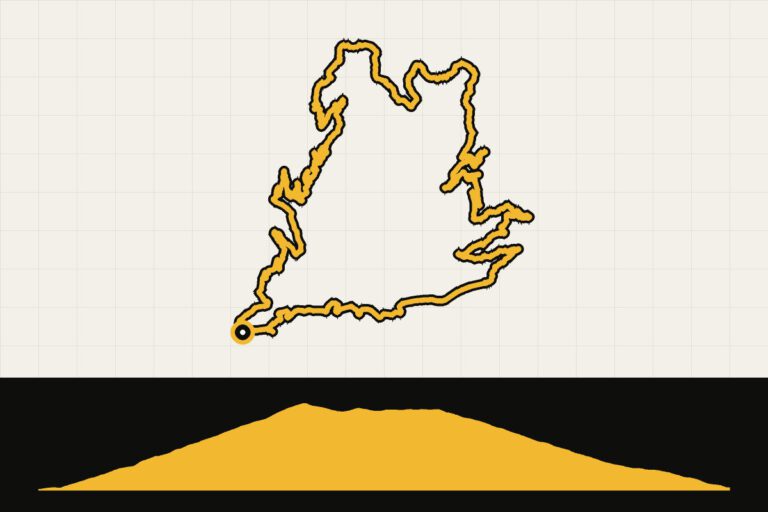 Route 1 · 38.6 km · 1.598 hmFriuli: Monte CrostisThe Monte Crostis: 1,600 m above sea level in 39 km.Map, profile & GPX of route 1 →
 - 2
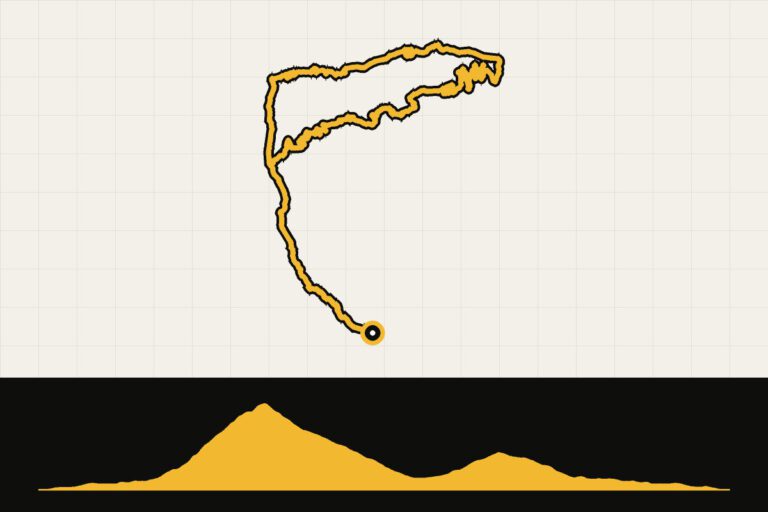 Route 2 · 61 km · 1.921 hmFriuli: Monte Zoncolan from OvaroThe Zoncolan via Ovaro: the most difficult part.Map, profile & GPX of route 2 →
 - 3
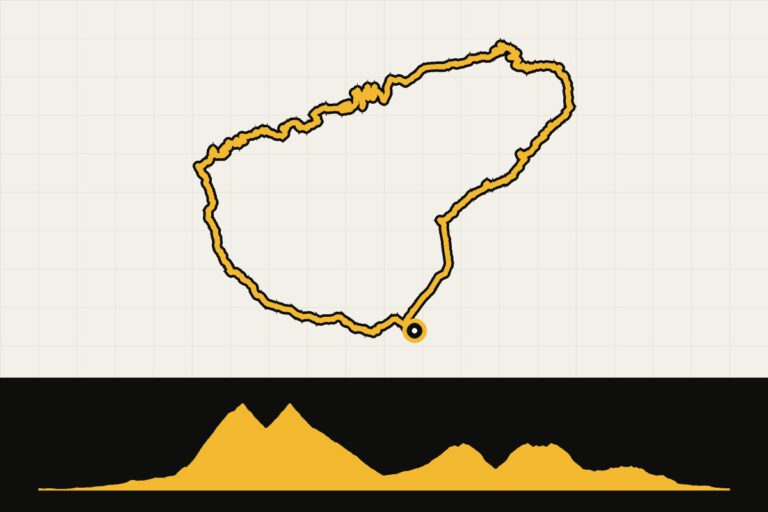 Route 3 · 98.3 km · 3,231 hmFriuli: Monte Zoncolan and Passo DuronFrom Zoncolan via Sutrio and the Passo Duron.Map, profile & GPX of route 3 →
 - 4
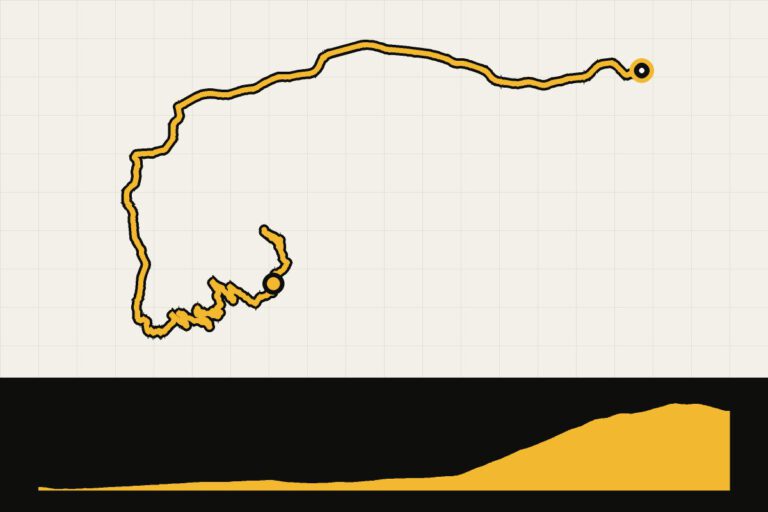 Route 4 · 22.3 km · 1,119 hmFriuli: Monte LussariThe Giro climb to Monte Lussari.Map, profile & GPX of route 4 →
 - 5
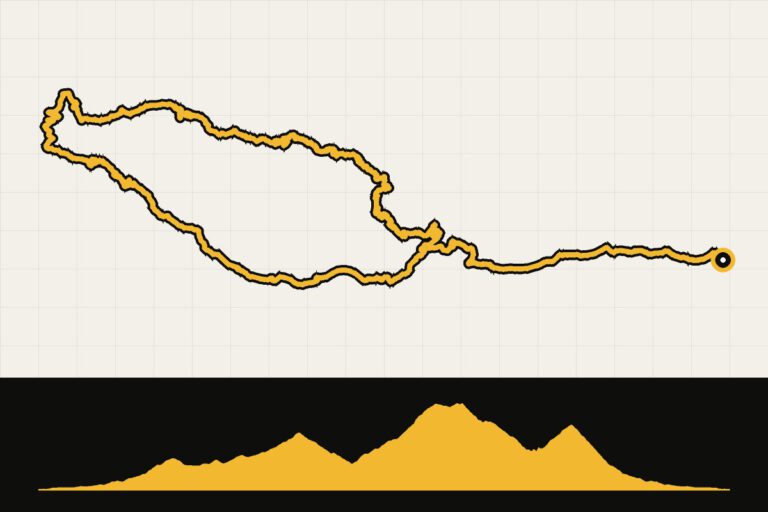 Route 5 · 135.9 km · 3,132 hmFriuli: Passo della Mauria, Sella di Rioda and Passo del PuraThree passes between Friuli and the Cadore.Map, profile & GPX of route 5 →
 - 6
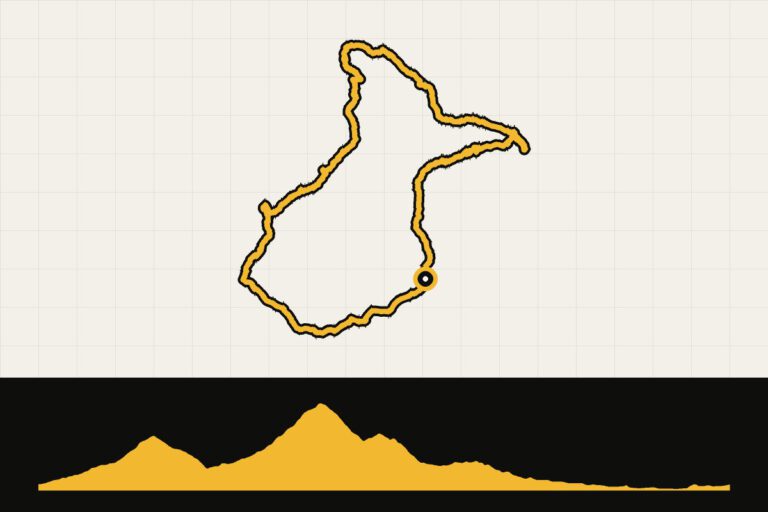 Route 6 · 94.6 km · 2,277 hmFriuli: Passo del Cason di LanzaOver the quiet Passo del Cason di Lanza.Map, profile & GPX of route 6 →
 - 7
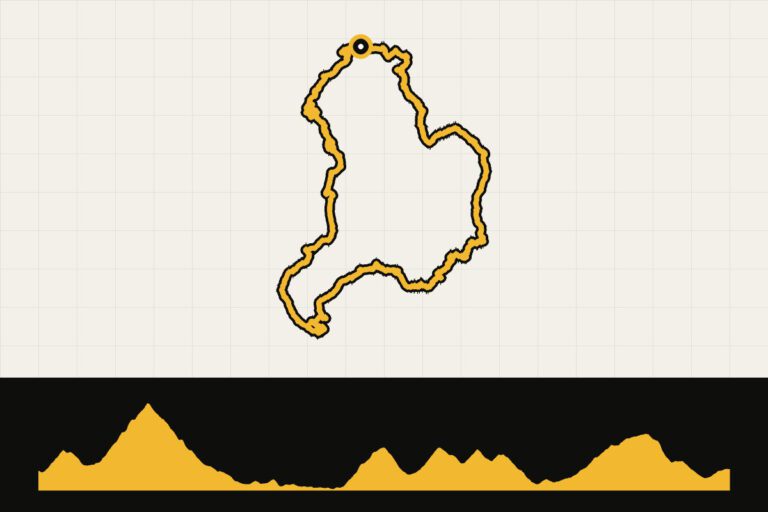 Route 7 · 93.5 km · 2,475 hmFriuli: Monte Rest and TramontiOver the Monte Rest to the villages of Tramonti.Map, profile & GPX of route 7 →
 - 8
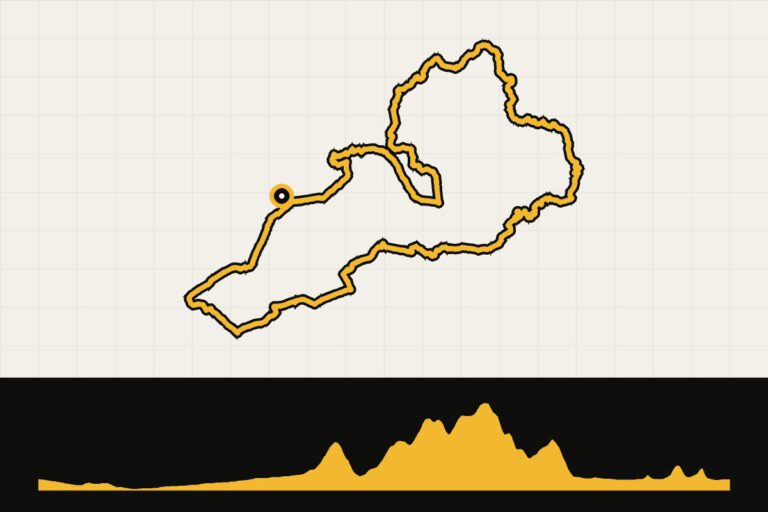 Route 8 · 61 km · 655 hmFriuli: the wine hills of CollioThrough the wine hills of Collio and Brda.Map, profile & GPX of route 8 →
 - 9
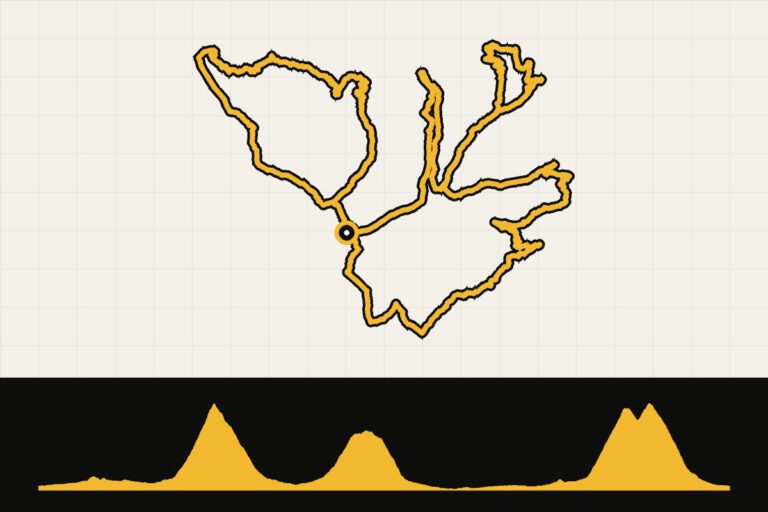 Route 9 · 142.5 km · 2,687 hmFriuli: Granfondo Friuli Venezia GiuliaThe route of the Granfondo around Cividale.Map, profile & GPX of route 9 →
 - 10
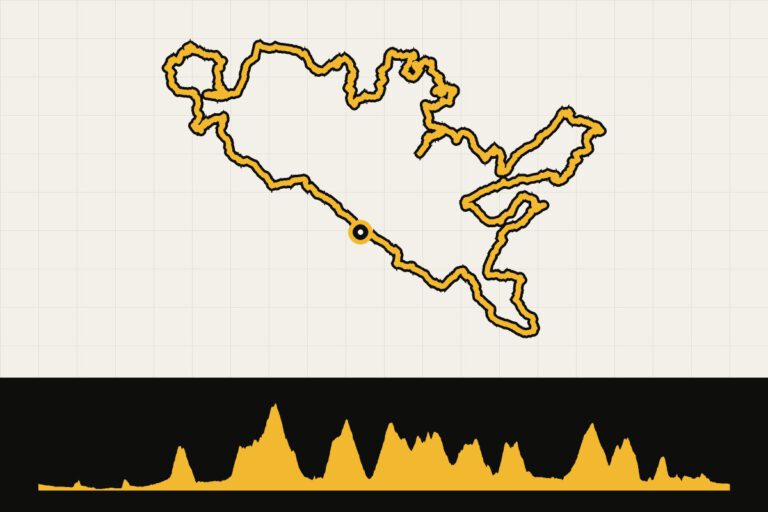 Route 10 · 359.5 km · 7,614 hmFriuli: a great round trip through the Friulian hillsMulti-day round of 360 km through the hills.Map, profile & GPX of route 10 →
Your Cycling base
Friuli-Venezia Giulia is diverse, from the Julian Alps to the Adriatic coast:
- Udine: central, with the hills of the Collio and the foothills within reach.
- TarvisioIn the Julian Alps, with Monte Lussari and the border with Slovenia and Austria.
- Tolmezzo or SutrioIn Carnia, near Monte Zoncolan and quiet mountain passes.
- Trieste: by the sea, with the karst plateau and the coastal road.
Travel tips
- Trieste and the Karst Plateau (Carso) are great for gravel: car-free cliff paths, forest trails and the Giordano Cottur cycling trail towards the Val Rosandra. Perfect to combine with short uphill stretches above sea level.
- Collio / Brda & Colli Orientali (Cividale–Gorizia) offer postcard-like hills with vines, white country lanes and quiet asphalt roads—ideal for long gravel and road trips with stops at wineries.
- Carnia (Ovaro/Tolmezzo) is your base for the real climbing on the road: Monte Zoncolan (P007/P008) and Monte Crostis are just around the corner. Tarvisio/Chiusaforte is ideal for Sella Nevea and the Altopiano del Montasio (steep finale).
Traffic informationFVG is pleasant and quiet outside the coastal zone. In the mountains and wine hills, you drive a lot on narrow, winding secondary roads; the quality of the asphalt can vary per valley, but the well-known sports and Giro routes are usually well maintained. Near the sea and around cities, it is busier. Please note: short tunnels (e.g. on the approach to the Zoncolan) and occasional gravel/rough sections on high-alpine roads (Crostis/Panoramica delle Vette); check the current route pages of the region and bring a flashlight. For transfers, there are bike-friendly buses with trailers and summer boat lines.
Bike rental. Rentals are available in several locations in the region. In Tarvisio there is a specialized rental company with race and gravel bikes; in Trieste you can (also for gravel/road) reserve in advance with clear booking conditions. During the high season: book early.
Culinary (after the ride): Friuli tastes powerful and local: Prosciutto di San Daniele (PDO) for the salty-sweet recovery, frico (potato-cheese cake) from Carnia and Montasio cheese (DOP) for all ages. Add a glass of Collio white wine to that and your day is complete.
- Gravel: Trieste/Carso or Collio/Brda.
- Climbing up: Ovaro/Tolmezzo (Zoncolan/Crostis) and Tarvisio/Chiusaforte (Sella Nevea/Montasio).
When are you leaving?
How do you get there?
- Flying: Fly to Trieste · Venice. Bring your own bike; book a place for your bike box in time.
- By train: Convenient stations: Udine · Trieste.
- By car: From Utrecht you are in about 12 hours Friuli-Venezia GiuliaPlan an overnight stop along the way, or drive in two days.
This is how we calculate: We calculate distances and travel times starting from Utrecht. Our flights always depart from Schiphol, Rotterdam The Hague Airport or Eindhoven Airport. Want to know how to travel from your place of residence the best way? Let us know, We are happy to help you. After all, we built this site together.
Are you flying? Read our guide Flying with your bike: Which airline, what the cost is and how to pack your bike.