Part of Portugal
Waarom fietsen in de Alentejo?
Alentejo is the largest region of Portugal. The region borders the Central Portugal and Lisbon regions in the north. It borders the Algarve in the south. The entire east side borders Spain. The west side consists of a rocky coastline with sandy beaches.
Alentejo is not as mountainous as the north of Portugal, but that doesn’t mean you can’t tackle challenging rides here. The roads wind endlessly through the landscape, and the climbs are often longer than you might expect. The area is vast and sparsely populated. When cycling in Alentejo, you will mostly encounter small, white villages where the real authentic Portuguese culture still reigns supreme. There are a few large cities in the region, including Évora; the most famous city of Alentejo. This city is on the UNESCO World Heritage List because of its exceptionally well-preserved historic center, which showcases a rich mix of Roman, medieval, and Renaissance influences.
The great thing about Alentejo is that there is something for every discipline in cycling here! For cyclists, there are beautiful, rolling roads where you can ride without interruption. If you want to climb, you can do so against the Spanish border or in the coastal area above the Algarve.
Offroad cyclists also have plenty of options here. Alentejo is considered a gravel paradise. It is a fantastic environment for a bikepacking trip because there are numerous beautiful gravel roads and you won’t have to cover too many kilometers per day in this area. Every year, adventurous gravel enthusiasts are drawn to the region by the dusty plains and beautiful hilly areas that Alentejo is rich in. Not for nothing, annual gravel events like the ultrachallenge Gravel Birds take place here, a self-supported ultra challenge.
The most beautiful cycling areas
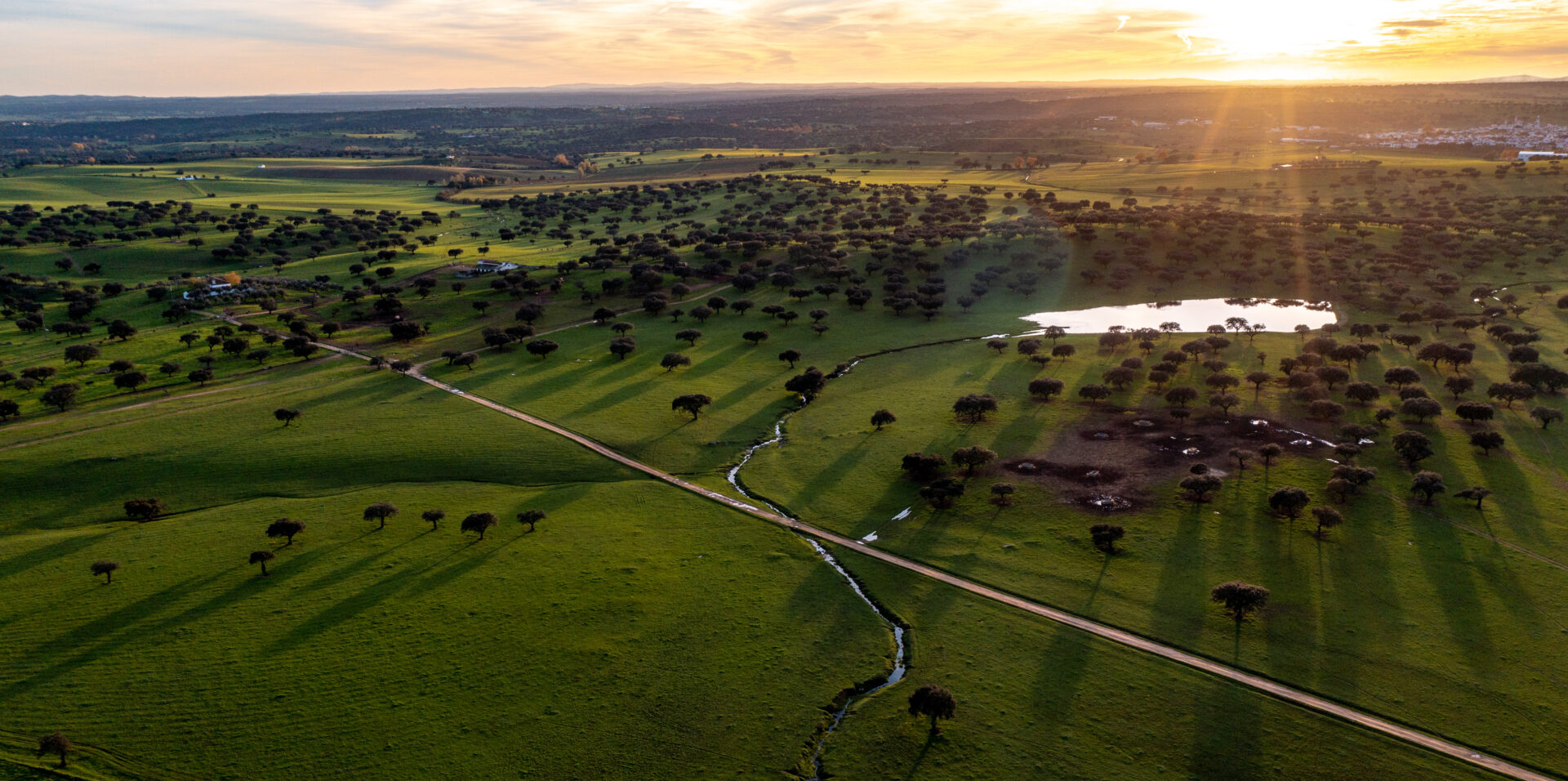
In the north of Alentejo, the landscape is rolling. This area is known for its vast montado landscape, where cork oaks and olive trees have been an important part of agriculture for centuries. Here, some of Portugal’s best olive oils and wines are produced.
A little further south you will find yourself in the plains around the city of Évora, the historical heart of the Alentejo and a UNESCO World Heritage Site. The city is famous for its well-preserved Roman temple, the impressive cathedral and the authentic streets filled with traditional, white houses. The region around Évora is typical Alentejo: fields of grain and vineyards form the backdrop.
Further east from Évora, towards the Spanish border, the landscape becomes more rugged. Here you will find old fortified towns like Elvas and Monsaraz, which were strategically built on hills and are still surrounded by impressive city walls. The large reservoirs in this area, such as the Alqueva Lake, create a unique contrast in the arid landscape. This is a great region for gravel bikers and mountain bikers, with long gravel trails and panoramic views of the reservoir.
In the south of Alentejo, the landscape is slowly changing. The hills give way to the rough, driest parts of the region. Here lies the Serra de São Mamede nature park, a lesser-known but beautiful area with winding roads through dense forests and granite mountain peaks. This is a paradise for cyclists and hikers seeking a peaceful, unspoiled environment.
Along the west coast lies the Costa Vicentina, one of the most beautiful and unspoiled coastal lines in Portugal. High cliffs, rugged rock formations and deserted sandy beaches alternate. This area, which is part of the natural park Parque Natural do Sudoeste Alentejano e Costa Vicentina, is perfect for adventurous cyclists who love gravel routes and challenging rides with beautiful views of the Atlantic Ocean in between.
What you see on the bike
The Alentejo is located between Lisbon and the Algarve and is sparsely populated: quiet roads, cork oaks, olive trees and white villages. Fly to Lisbon or Faro.
- Évora: the largest city in the region and UNESCO World Heritage Site, with a Roman temple and an ancient aqueduct. Good base for exploring the area.
- Elvas: close to the Spanish border, with an aqueduct of 7 kilometers and enormous star-shaped fortifications (also a World Heritage Site).
- Monsaraz: medieval village on a steep hill. The climb up there is short but steep, with a view over Lake Alqueva above.
- Alquevameer: a large reservoir with mountain biking trails around it, and one of the best places in Europe to watch the stars.
With the race bike or e-bike you can enjoy long, peaceful rides here. For gravel and mountain biking, the area around Lake Alqueva is the most interesting. Local cycling tours are organized by Sunny Cycling, among others.
Source: Text about cycling in the Alentejo, provided by the tourism partner (2026).
Starting point
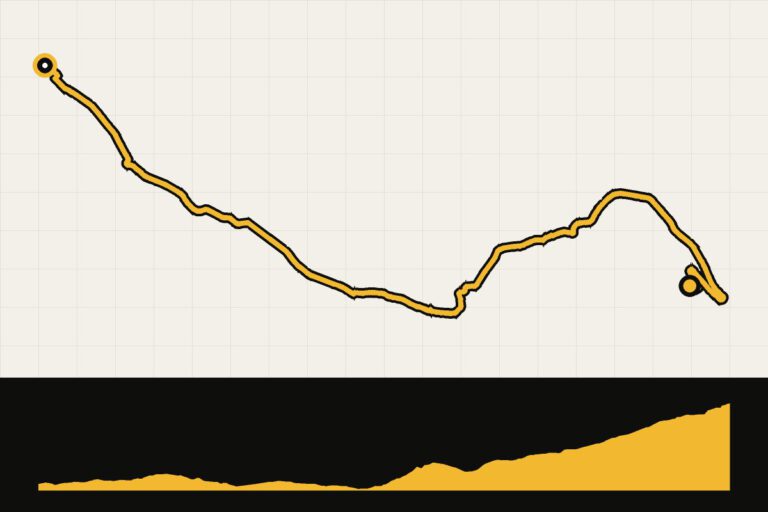
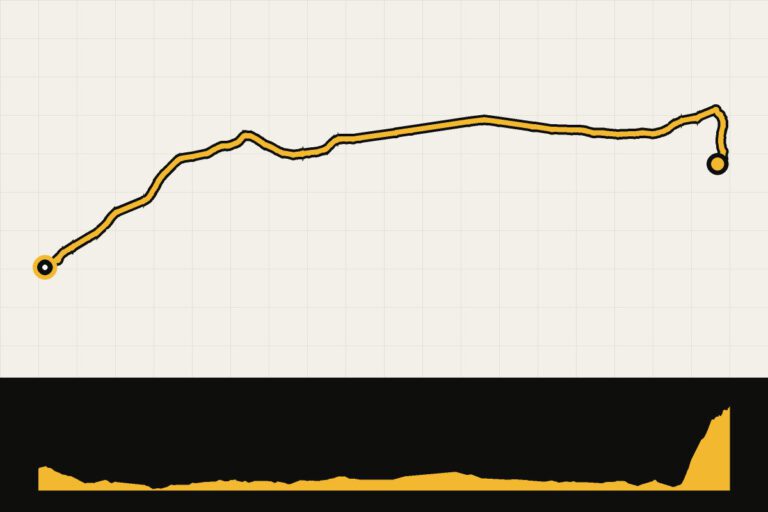
Het is het fijnste om een auto te huren in deze regio. Op die manier zie je het meeste van de omgeving. De Serra de São Mamede, nabij Portalegre, is het beste gebied voor uitdagende beklimmingen in de Alentejo. Hier vind je langere klimmen met hoogteverschillen tot 800 meter, waaronder de klim naar Pico de São Mamede (1025m), de hoogste top van de regio. Verblijf je liever langs de kust? Overweeg dan de Costa Vicentina voor prachtige kustwegen. Waar het in de Algarve enorm druk kan zijn, heb je aan de Costa Vicentina veel meer rust. Alentejo kent tevens prachtige gravelroutes, bijvoorbeeld rond Serra de Grândola en Serra de Ossa.
When are you leaving?
Along the coast of the Alentejo, a moderate marine climate prevails, with mild winters and pleasant summers. The interior has a Mediterranean-continental climate, where summers can be extremely hot and winters remain cool but usually dry.
Spring (March – May)
In spring, temperatures in Alentejo range between 12°C and 25°C. March and April still bring regular rainfall (6-12 rainy days per month), but in May it becomes increasingly sunny. This is an ideal time to explore the region by bike: the nature is in bloom, the temperatures are pleasant and the roads are mostly dry.
Summer (June – August)
The summer in the Alentejo is hot and dry. Temperatures along the coast range between 22°C and 30°C, but inland it can get very hot. It is regularly above 35°C, sometimes even around 40°C. Rainfall is rare (0-4 rainy days per month). Cycling in the early morning or late evening is most pleasant, but avoid the interior where the heat can be intense during the day. The Costa Vicentina offers some relief thanks to the Atlantic breeze.
Autumn (September – November)
In September it is still warm with temperatures around 25°C to 30°C. From October it starts to cool down slowly and the rainy days increase (5-10 rainy days per month). The vineyards and cork forests turn beautifully red and gold, making this period perfect for cyclists who want to enjoy a picturesque landscape.
Winter (December – February)
Along the coast it remains mild, with temperatures between 8°C and 17°C. In the interior it can cool down at night to just above freezing, but during the day it usually remains between 10°C and 15°C. The rainfall is highest during this period (8-14 rainy days per month), but long periods of dry weather also occur.
Travel tips
- Traffic information: De wegen zijn over het algemeen prima onderhouden. In het binnenland is het rustig op de wegen, maar let er op dat sommige Portugezen graag hard rijden.. Wat betreft de gravelwegen; er zijn veel brede stroken waar ook weleens wegverkeer op rijdt. Daardoor zijn deze stroken relatief strak en goed onderhouden. Dikke plus dus!
- Culinary: De Alentejaanse keuken is eenvoudig maar smaakvol. Proef in Évora Açorda Alentejana, een geurige broodsoep met knoflook, koriander en een gepocheerd ei. Een ander traditioneel gerecht is Carne de Porco à Alentejana: mals varkensvlees gestoofd met venusschelpen; een karakteristieke combinatie van land en zee. Als afsluiting is er Sericaia, een luchtig kaneeldessert geserveerd met de zoete pruimen uit Elvas. Dit alles gaat perfect samen met een glas Vinho Alentejano, een van de trotsen van de regio.
Hotels around the mountains of Alentejo
Sources
- Visit Alentejo – supplied text about bicycles in the Alentejo
How do you get there?
- Flying: Fly to Lisbon · Faro. Bring your own bike; then book a place for your bike box in time.
- By train: Convenient stations: Évora · Beja.
- By car: From Utrecht you are there in about 22 hours AlentejoPlan an overnight stop along the way, or drive in two days.
This is how we calculate: We calculate distances and travel times starting from Utrecht. Our flights always depart from Schiphol, Rotterdam The Hague Airport or Eindhoven Airport. Want to know how to travel from your place of residence the best way? Let us know, We are happy to help you. After all, we built this site together.
Are you flying? Read our guide Flying with your bike: Which airline, what the cost is and how to pack your bike.