Part of Spain
Waarom fietsen in Murcia?
The Murcia region is located on the Mediterranean Sea, between Andalusia, Valencia and Castile-La Mancha. Murcia is also known as the ’Garden of Europe’ because of the fertile soil and the many citrus orchards. The area has a lot to offer for cyclists. From rolling hills to beautiful coastal paths or rugged mountains; there is something for every cyclist here. You will find a mix of flat roads and challenging climbs, such as the Collado Bermejo in the Sierra Espuña. The mild, Mediterranean climate makes it a popular destination for year-round training.
In terms of culture, Murcia also has a lot to offer. For example, visit the eponymous capital of Murcia itself, where you can visit iconic sights such as the Cathedral of Murcia, a particularly Gothic building with Baroque influences. While cycling, you will undoubtedly encounter traditional villages where time seems to stand still, such as Caravaca de la Cruz, an important pilgrimage town.
Murcia is an excellent destination for a cycling holiday, whether you prefer to bring your race bike, gravel bike or mountain bike (or want to rent one). Although it can get really hot in the summer, the climate in the other three seasons is fantastic for cycling. What you can definitely expect: warm sunshine, nice roads and plenty of variety in flatter routes or challenging climbs. This region is ideal for cyclists who find a cycling holiday on the Costa Blanca a bit too touristy. The Murcia region feels a bit more undiscovered and authentic.
The interior is characterized by impressive mountains, such as the Sierra Espuña and the Sierra de las Moreras, with challenging climbs and beautiful views. Between the mountains are valleys, such as those of Campos del Río, with extensive orchards and agricultural land. The coastline of Murcia offers a very different kind of landscape. Along the Mar Menor – the largest inland sea in Europe – the terrain is flat, but this is a perfect base from which to explore the mountainous area just south of Murcia city. The roads here are much quieter than in the busy capital of the region. The southern coast of Murcia is more rugged.
You shouldn't miss these climbs in Murcia
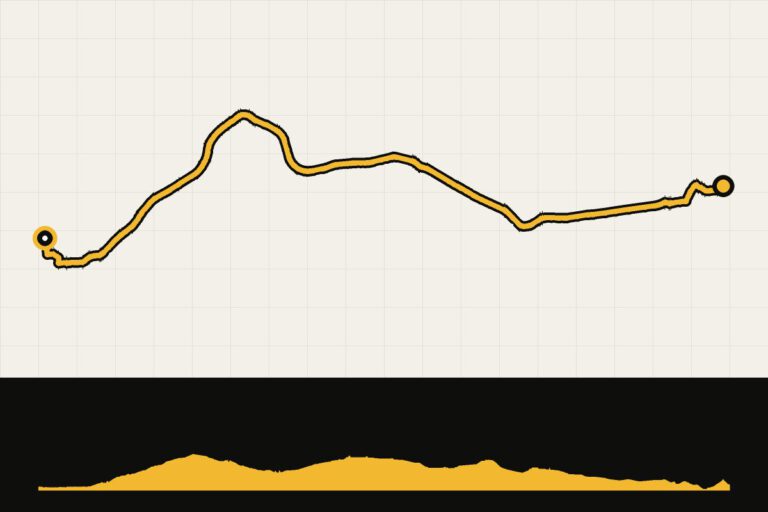
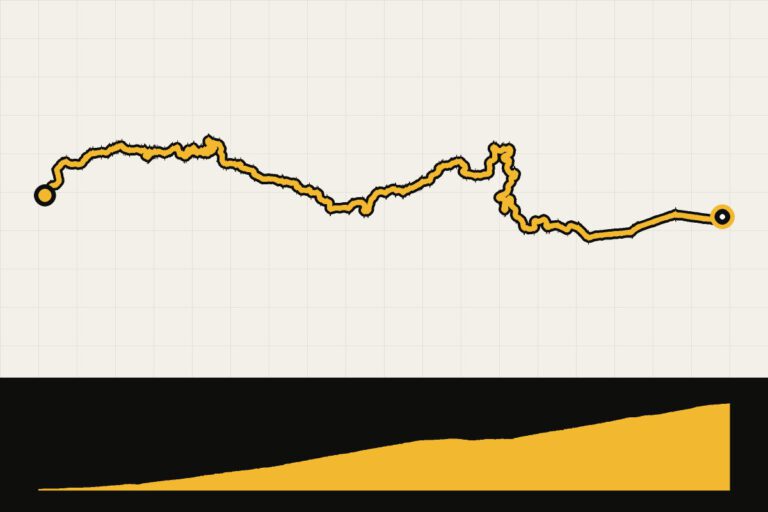
Collado Bermejo from Alhama de Murcia
Length: 20 kilometers
Altitude meters: 1152 meters
Average rate of increase: 5,7%.
Starting point: Alhama de Murcia
Description: This climb takes you to the Sierra Espuña regional park. Here you’ll find green nature and beautiful, well-maintained roads. You’re guaranteed beautiful views along the way. An absolute must-do!
Read more about cycling in the Sierra Espuña here.
Starting point
Alhama de Murcia is located at the foot of the Sierra Espuña and is the logical base for climbers. If you want to be by the sea as well, choose the coast around Mazarrón or the Mar Menor; then you can drive to the mountains in about an hour.
When are you leaving?
Spring (March to May): De lente is een uitstekende tijd om te fietsen in Murcia, met milde temperaturen tussen de 10°C en 20°C. De regio komt tot leven met bloeiende bloemen, groene valleien en frisse berglucht. Dit is de ideale periode voor lange ritten, vooral in de bergen zoals de Sierra Espuña en langs de kust van Mar Menor, met nog relatief weinig toeristen.
Summer (June to August): De zomer in Murcia kan heet zijn, vooral in juli en augustus, met temperaturen die vaak boven de 30°C uitkomen, vooral in de lagere valleien en langs de kust. In de bergen blijft het vaak koeler, maar het is raadzaam om vroeg in de ochtend of later in de avond te fietsen om de hitte te vermijden. De zomer is de drukste tijd van het jaar, dus wees voorbereid op meer toeristen in populaire gebieden zoals de Costa Cálida.
Autumn (September to November): De herfst biedt aangename temperaturen van 15°C tot 25°C, ideaal voor lange fietstochten. De natuur verandert in prachtige herfstkleuren, vooral in de bergachtige gebieden zoals de Sierra de las Moreras en de Sierra de la Pila. Deze periode is rustig, nadat het toeristenseizoen is afgelopen, waardoor je in alle rust kunt genieten van de regio.
Winter (December to February): De winter in Murcia is mild, met temperaturen tussen de 5°C en 15°C in de lager gelegen gebieden. In de bergen kan het kouder worden, met kans op sneeuw en regen. Dit is een rustige periode voor fietsen, ideaal voor wie houdt van stilte en koele ritten. De kust en de lagere valleien blijven goed te fietsen, maar in de bergen moet je voorbereid zijn op winterse omstandigheden.
Murcia in the winter
Murcia is one of the driest and sunniest regions in Spain. In winter, it is often 16 to 19 degrees during the day. In the Sierra Espuña, around Collado Bermejo, it is considerably higher and is much cooler than along the coast. The landscape is barren and rugged, with citrus groves in the valleys and pine forests in the mountains. The roads in the interior are quiet: this is Spain without the crowds of the famous costas.
What to bring?
- A windbreaker and arm guards for the long descent of the Collado Bermejo.
- Two canistersIn the interior, the villages are scarce.
Travel tips
- Best destination: The area around Sierra Espuña suits you best when you want to climb, like the town of Totana. Do you like coastal routes? Then look for accommodation on the Costa Cálida, the southern coast of Murcia. Here you’ll find rocky coastlines and beautiful sandy beaches. Besides cycling, you can also do great mountain biking tours here. The area around the Mar Menor – the largest inland sea in Europe – attracts many cyclists who want to cycle on quiet, flatter roads. From here you can also easily reach the mountains for good climbing training.
- Traffic information: Murcia is relatively quiet in terms of traffic, especially outside the high season. The mountains offer narrow, quiet roads that are perfect for cyclists, with little traffic. Along the coast and in larger cities like Murcia City and Cartagena, traffic can be busier, especially in the summer months, but overall the roads are well navigable for cyclists.
- Culinary: The cuisine of Murcia is simple but delicious, with many fresh ingredients from the region. Be sure to try the caldero, a typical fish dish from the region that is often served with rice and seafood from the seabed. The huerta de Murcia, a fertile agricultural area, produces fresh vegetables and fruit that often appear in local dishes. Don’t forget to try a glass of vino de Jumilla, a robust red wine from the region.
How do you get there?
- Flying: Fly to Murcia (Corvera) · Alicante. Bring your own bike; then book a place for your bike box in time.
- By train: Convenient stations: Murcia · Totana.
- By car: From Utrecht you are in about 21 hours MurciaPlan an overnight stop along the way, or drive in two days.
This is how we calculate: We calculate distances and travel times starting from Utrecht. Our flights always depart from Schiphol, Rotterdam The Hague Airport or Eindhoven Airport. Want to know how to travel from your place of residence the best way? Let us know, We are happy to help you. After all, we built this site together.
Are you flying? Read our guide Flying with your bike: Which airline, what the cost is and how to pack your bike.