Part of Spain
Valencia: the perfect destination for sporting and cultural adventures
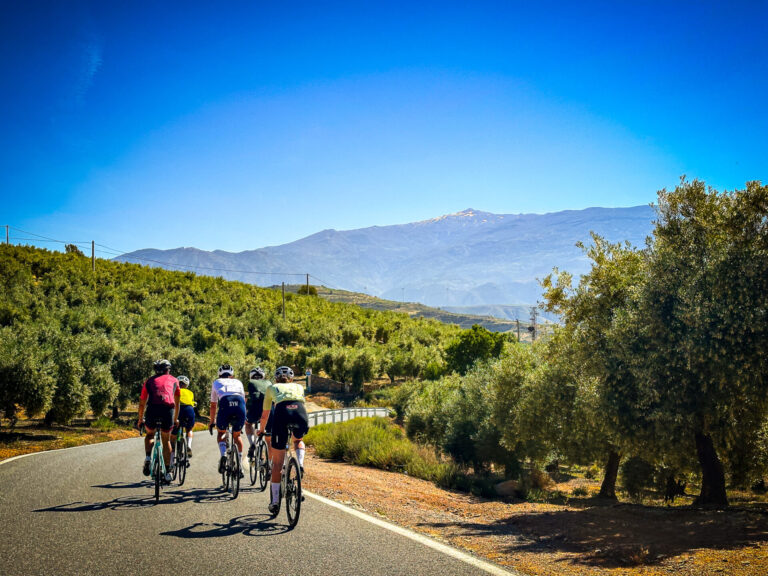
Valencia is the place where cycling enthusiasts can combine both sporting challenges and rich cultural experiences. The Valencia region – especially the Costa Blanca – is a true hotspot for cyclists, especially in the winter months. Then professional riders and enthusiasts come together here to prepare for the new season. From coastal towns like the lively Calpe, there are endless cycling options: from relaxing routes along the coast to challenging climbs like the Coll de Rates and the Puerto de Tudons. The infrastructure for cyclists is top-notch, with numerous cycling cafes, bike-friendly hotels, and breathtaking surroundings.
But Valencia is more than just cycling. The region offers a rich history and culture, from the Roman ruins in Saguntum to the historic center of Valencia itself. Natural areas such as the Albufera Nature Park – where the Moorish influence is still felt – and cities like Alicante and Castellón with their impressive architecture also make the region a perfect destination for a cycling vacation with culture.
After a day of miles, nothing feels as good as settling down in a local tapas bar to enjoy Spanish cuisine. The region is bursting with cozy eateries where you can refresh with a refreshing drink and authentic dishes. Valencia is the ideal destination for cyclists who want to not only challenge themselves athletically but also experience the Spanish lifestyle and culture.
The Mediterranean climate ensures that you can cycle here all year round, with mild, dry winters and warm summers. The roads are quiet; take a route inland and you’ll soon see more cyclists than cars around you. Especially in winter, it’s a great cycling haven here, which makes the atmosphere enjoyable. You literally feel like you’re among the professional cyclists, who you’ll encounter regularly throughout your ride. That naturally gives you a good dose of inspiration and motivation for your own training goals!
Motorists are used to cyclists and take this into account, making cycling in this region feel safe.
In the north of the Valencia region you’ll find Castellón, a province known for its mountainous terrain and spectacular views. Here you’ll find challenging climbs such as the Desierto de las Palmas and the Pico Penyagolosa. Narrow, quiet roads wind through pine forests and past small, historic villages. For gravel riders, there are numerous unpaved trails through the rugged interior.
Want to combine your cycling trip with a city trip? From the city of Valencia, you can easily explore the coastline or dive into the interior. The Sierra Calderona, just a short bike ride from the city, offers challenging climbs and off-road trails for gravel riders. The quiet roads through orange groves and along the Turia River are ideal for relaxing your legs. The city itself is bursting with culture. Stop by a cozy cafe for a cortado and try the famous paella as a reward after a day of cycling.
In the south lies Alicante, a region known for its sunny climate and varied landscapes. This is the region where many cyclists head to in the winter. Here you’ll find a mix of mountainous areas like the Sierra de Aitana and flat routes along the Mediterranean Sea. Gravel riders will find their heart’s delight here with a network of unpaved roads through vineyards, olive groves, and traditional Spanish villages. The quiet coastal paths offer more relaxed routes with views of the beautiful blue sea.
The best time for a cycling holiday in Valencia is spring (March to May) and autumn (September to October). During these months you can enjoy pleasant temperatures between 15 and 25 degrees Celsius. During this period you can be sure that the temperature is pleasant and that all the peaks are accessible, even deeper inland.
In winter it is much cooler, which makes cycling in the north of the Valencia region no longer enjoyable. Fortunately, the Costa Blanca is slightly warmer and sunnier during that time; a perfect and popular winter destination for cyclists to train in.
In the summer, temperatures in Valencia average between 25°C and 30°C, with peaks of up to 35°C or higher during heat waves. Thanks to its location on the Mediterranean Sea, there is often a refreshing sea breeze, especially along the coast. However, inland can get considerably warmer, especially in the afternoon. Therefore, head out in the early morning and enjoy a good siesta – just like the Spaniards – in the afternoon.
Looking for a nice, personal accommodation like a B&B? Bed & Breakfast Buena Idea is run by the welcoming Hans and Jolanda. The B&B is located in an authentic finca just outside Xaló in the Jalon Valley. This B&B offers seven double rooms, a conservatory for breakfast or relaxation, and there is a bicycle storage area available. Ideal for cyclists who want to stay on the Costa Blanca! Read about our experience at Buena Idea here.
Would you prefer a hotel? Then you have the choice of many Bike Friendly hotels. For example, near Valencia you have the Olympia Hotel, and on the Costa Blanca you can stay at the Altea Hotel Cap Negret. Many cyclists also book a house for groups in the winter. These are, by the way, very affordable in the winter, especially if you have a group.
You shouldn't miss these climbs in Valencia
Coll de Rates (from Parcent)
Length: 9.8 kilometers
Altitude meters: 654 meters
Average rate of increase: 6,7%.
Starting point: Parcent (northern side)
Description: The Coll de Rates is the most popular climb on the Costa Blanca. That’s not necessarily because it’s the hardest or most beautiful climb, but mainly because it can be climbed from two sides and is always easy to form into a route. This climb has the perfect distance and slope for a good training ride. That’s why you’ll also find many professional cyclists here. Interested in adventure? Then head off from the restaurant at the top of the road to climb even higher. This section is very steep and the road surface is less good. However, you have an amazing view from the top! The climb from the other side is longer and less steep (18.2 kilometers with an average of 4.7%).
Cumbre del Sol
Length: 6.5 kilometers
Altitude meters: 391 meters
Average rate of increase: 6%
Starting point: Benitachell
Description: This climb has become famous thanks to the Vuelta, where it took place both in 2015 and in 2017. In 2015, this was the final climb where Tom Dumoulin impressively conquered the red leader jersey. You can also do the climb from the coast. You start from Cova dels Arcs and have to overcome a height difference of 400 meters in 3.3 kilometers, with a maximum gradient of 22%.
Port de Tudons
Length: 22 kilometers
Altitude meters: 935 meters
Average rate of increase: 4,2%
Starting point: La Vila Joiosa
Description: This is one of the longest climbs on the Costa Blanca. The gradient is even and nowhere is it too steep; with an average gradient of 4.2% and a maximum gradient of 7.5%, you can continue riding the entire distance at a gradual pace. A perfect training session, with once again a stunning view of the summit. This is also a climb that has appeared several times in the Vuelta.
Travel tips
Best destination: where to fly and start?
Valencia is an excellent base for a cycling holiday in Valencia. If you fly by plane, you have the choice between Valencia and Alicante. Both airports are easily accessible and offer direct connections to the best cycling routes.
- Valencia: Ideal if you want to combine a cultural city trip with cycling. The area is somewhat flatter, but there are plenty of undiscovered routes and quiet roads. Perfect for cyclists who prefer less crowds.
- Alicante: Offers access to more southern climbs, such as the Port de Tudons. A good choice if you also want to explore more southern routes.
- Calpe: The winter hotspot for cyclists! From here, all the famous climbs are within easy reach, such as the Coll de Rates. Nearby places like Altea are also popular with both amateurs and professional riders.
Traffic information: safety guaranteed
The infrastructure for cyclists in Valencia is excellent. Motorists are used to cyclists and are required to pass them at a distance of 1.5 meters, with direction indicators when passing. Those who do not comply risk a hefty fine. Thanks to the quiet roads and the awareness of cyclists, the region is one of the safest places to cycle in Spain.
Bike rental: high-quality equipment for every cyclist
Whether you are looking for a race bike, gravel bike or mountain bike: in the Valencia region you will find numerous reliable bike rental companies.
Reservations are recommended, especially during the high season (winter and early spring), when demand is high. O.a. DoYouBikeRental and CTC Bike Rentals are good options.
Culinary: taste the authentic Valencia cuisine
After a day full of kilometers, there is nothing better than enjoying the local cuisine. Be sure to try the Paella Valenciana or the delicious tapas dishes, such as Buñuelos de Bacalao (cuttlefish croquettes). The traditional Spanish dishes are a perfect addition to your cycling adventure.
Tip: Combine your cycling holiday with a visit to the local markets, where you can taste fresh products and authentic snacks!
More stories about Valencia
When are you leaving?
How do you get there?
- Flying: Fly to Valencia · Alicante. Bring your own bike; then book a place for your bike box in time.
- By train: Convenient stations: Valencia.
- By car: From Utrecht you are in about 16 hours ValenciaPlan an overnight stop along the way, or drive in two days.
This is how we calculate: We calculate distances and travel times starting from Utrecht. Our flights always depart from Schiphol, Rotterdam The Hague Airport or Eindhoven Airport. Want to know how to travel from your place of residence the best way? Let us know, We are happy to help you. After all, we built this site together.
Are you flying? Read our guide Flying with your bike: Which airline, what the cost is and how to pack your bike.