
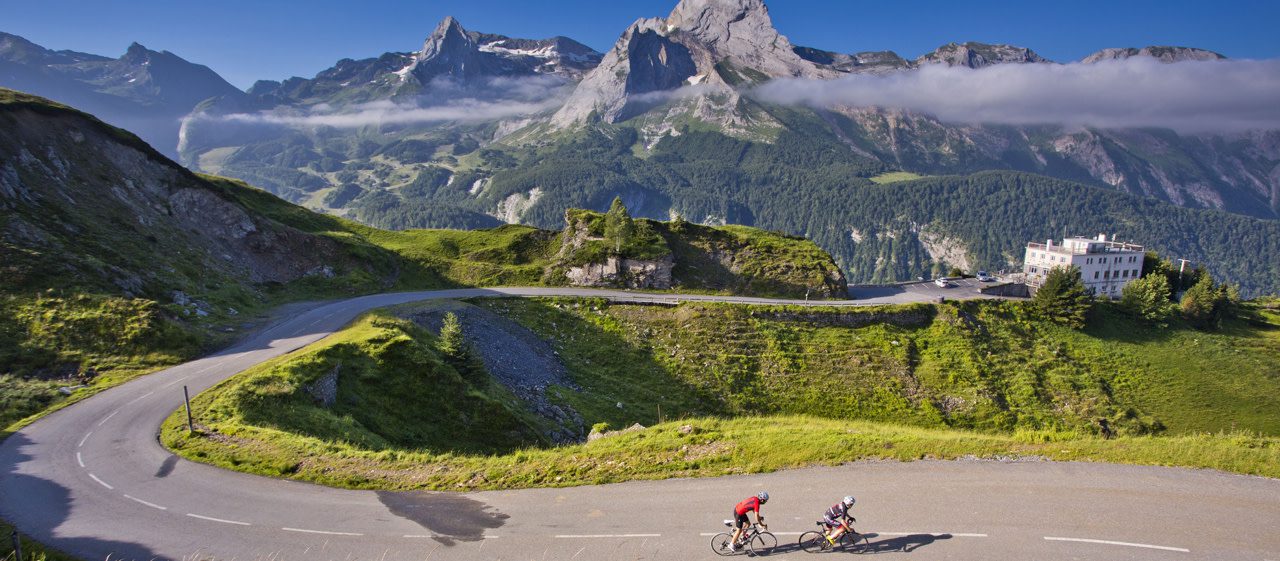
From the moment I was about 8 years old, we are talking about the year 1992, I was sitting in the Tour de France hours glued to the television. Especially the mountain tracks were a must-see. In the Alps They were the resounding names of Alpe d'Huez, Galibier and Croix-de-Fer. Long runs, which could sometimes be excruciatingly painful. It was also beautiful in the Pyrenees. Col du Tourmalet. A name couldn’t be more perfect. The Portet d’Aspet is also etched forever in my memory. Not for the right reason. I had a penchant for those mountain climbs. It also helped that my childhood hero, Richard Virenque, showed up well in them. A brilliant rider and a true master of the art at the same time. But weren’t they all? Everyone knows the Alpine Cols, but the Pyrenees are often under-represented. That’s why I’ve put together a nice list of 5 mythical Cols in the Pyrenees that you really need to climb
By: Sander Kolsloot
1. Col du Tourmalet
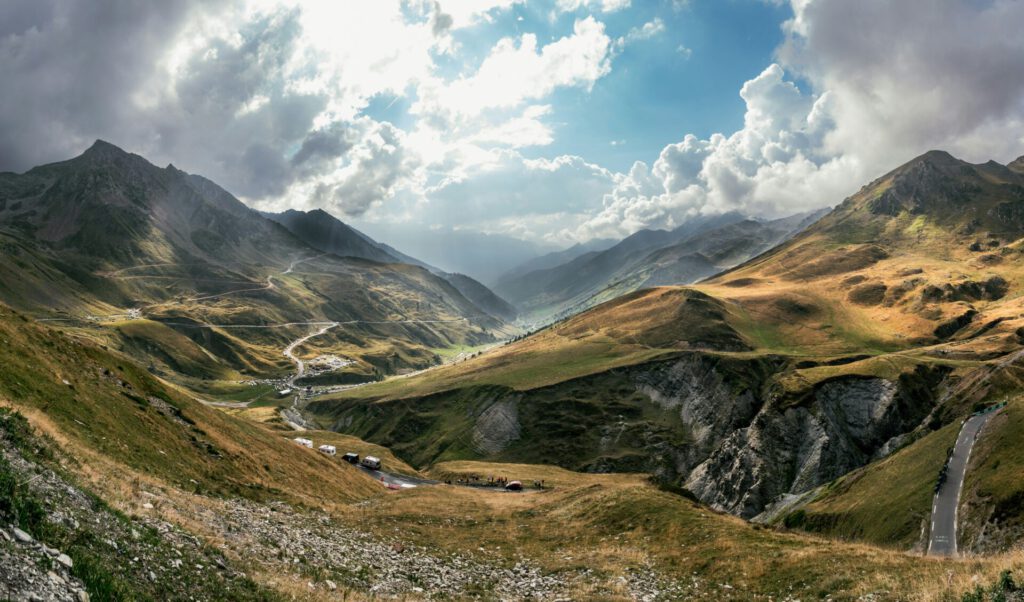
If a mountain is synonymous with my tour experience, then this is it. Only because of the name, Tourmalet. It fits so nicely in the mouth. The nickname ‘the terrible mountain’ is quite appropriate. It hurts the legs so much. No matter which way you choose, they are about the same length (17 to 18 kilometers), just as steep (7.4%), but the west side is much more irregular. The climb starts from Luz-Saint-Saveur and ranges from 4 to 7 % with peaks up to 12! It is also often terribly hot there and you climb to an altitude of 2115 meters.
Col du Tourmalet, Luz Saint Sauveur, France
• Distance: 18.4 km, Elevation: 1385 m, Average grade: 7.6 %
This climb has been on the Tour de France 84 times already and many times as a finish point. In recent years, the climb was only done in 2020 and in 2017. absent in La Grande Boucle. And in 2020 the mythical mountain would be included in the Vuelta, but due to the then applicable measures around COVID-19, that was scrapped. Forever a shame. My childhood hero Virenque came out on top twice (in 1993-1994). I love this climb.
2. Col du Aubisque
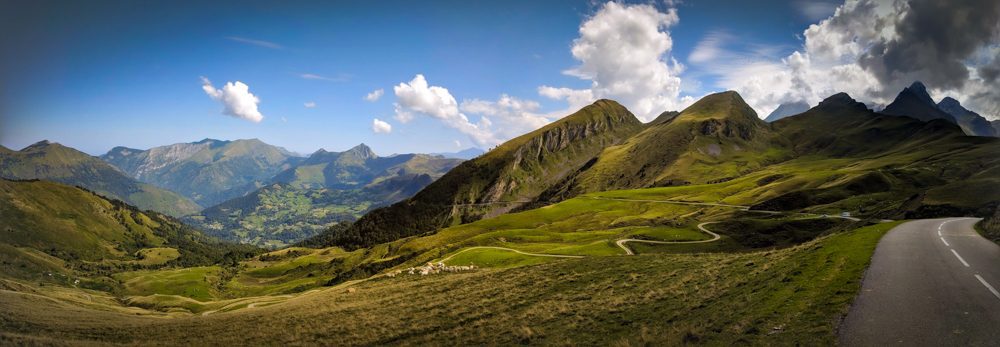
You have to have done this climb at least once. The summit isn’t very high at 1709 meters, but it’s still almost 20 kilometers of steep climbing 7%. At least, if you go up the right way (from Lauruns). The other variant is even longer, but less challenging. With only 10 kilometers left to the summit, this becomes a regular climb, but quite steep.
Here is also a beautiful piece of Dutch cycling history. In the recent past, Robert Gesink raised his hands in the air at the top of the climb during the 2016 Vuelta. In the Tour de France we have to go back a little further, to 1977, when Hennie Kuiper won here. What I was always taught in my youth is the name Wim van Est. I once stood with him in a photo, just before his death, during the Eight of Chaam. He wasn’t wearing a Pontiac, or at least I didn’t see it. But the story of his fall in the yellow jersey in the ravine, that is what I remember. And where was that ravine? Right there. On the Aubisque (or rather, next to it).
3. Col de Peyresourde
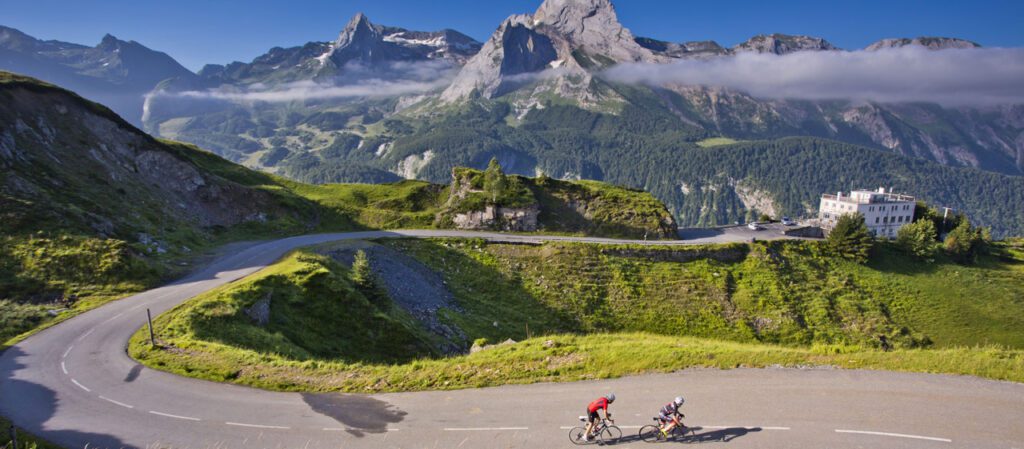
The Peyresourde from Bagneres de Luchon is perhaps the classic combination with the Tourmalet. It is in the Tour almost every year and anyone who watched it in 2016 remembers Chris Froome coming out on top here. Even if it was only because of his attack in the descent towards the climb. Super tucks and sprints! Unprecedented. You don't see many Dutch people in the victory lists, but still, mountain king Steven Rooks was once the best here. That was in 1988.
Col de Peyresourde, Bagnères De Luchon, France
• Distance: 14.3 km, Elevation: 891 m, Average grade: 6.3 %
Ideal to combine this with a bonus climb, the Superbagneres. Back to the Peyresourde. 14 kilometers at 6.8% with outliers up to 12% are a guarantee of pain. Irregularity is the code word here that is also expressed in the altitude profile. The advantage of this climb: it is not very high (1569 meters at the summit) and you have a stunning view of the mountains around you. Additionally, the relatively low summit makes it possible to climb this col early in the season. Check!
4. Hautacam
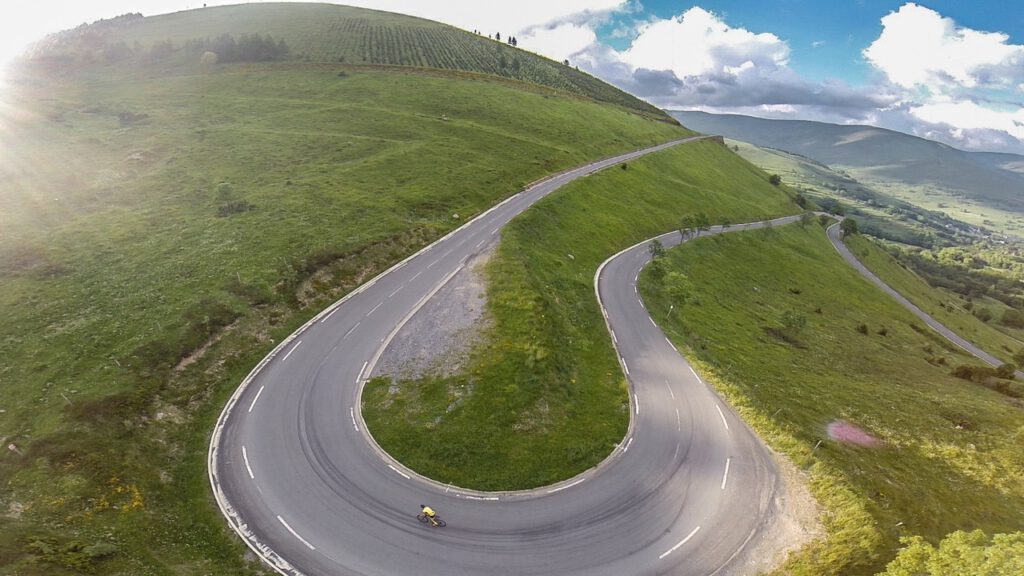
Your mouth drops when you see the footage of the Hautacam climb. What a magnificent climb. For me, there’s also another memory. In 1996, Bjarne Riis was the revelation of the Tour. At the Hautacam climb, ‘monsieur soixante’ was so strong (we now know how that came about) that he made an Armstrong move avant la lettre. He dropped back into the lead group, looked around for a moment to see how everyone was doing, and then everyone went home. Riis also had a lot to do with the Hautacam climb during the later Tour. Because when Andy Schleck came in second place just one second behind Cadel Evans in 2008, Bjarne was in the Team CSC team car (of Schleck).
Hautacam, Ayros Arbouix, France
• Distance: 13.2 km, Elevation: 1009 m, Average gradient: 7.6 %
The climb is what’s so aptly called ‘brutal’. 7.8% average isn’t a world record, but here again the irregularity is the culprit. In the first kilometers it’s sometimes a difference of four to ten percent. Then it drops back down to seven percent and then it’s back to ten percent. That irregularity wears you down. Many pros will confirm that.
The climb isn’t that long into the tour cycle yet, but thanks to the already mythical finishes and the altitude, it really belongs on this list. And with winners like Nibali, Piepoli, Riis and Otxoa, there are some pretty names on the podiums as well. The ladies rode Not yet up here. Perhaps in 2025?
5. Portet d’Aspet
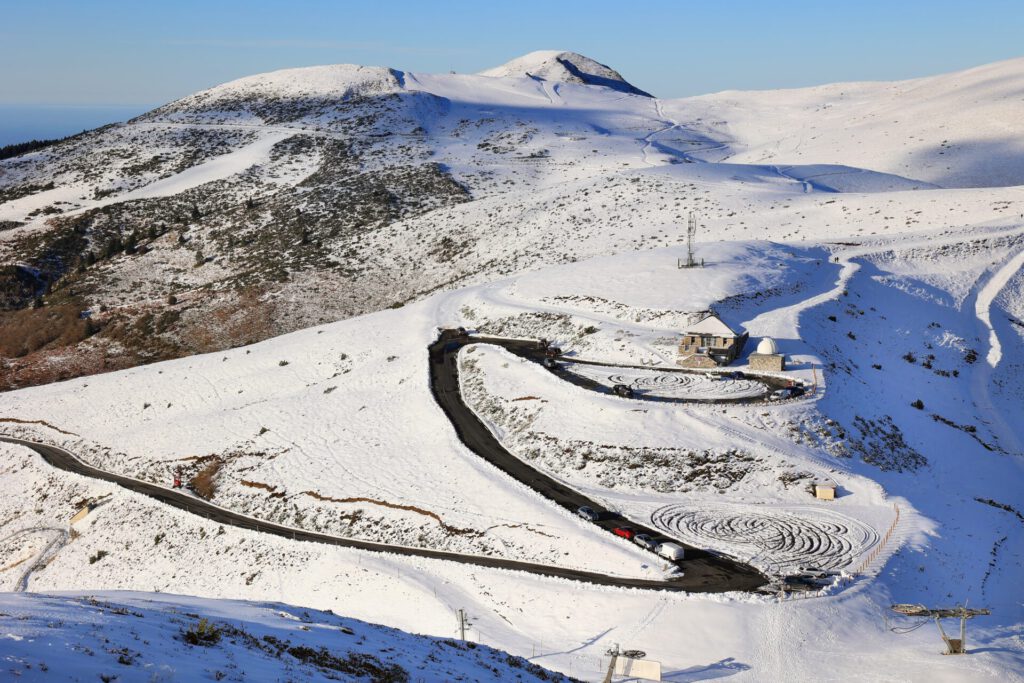
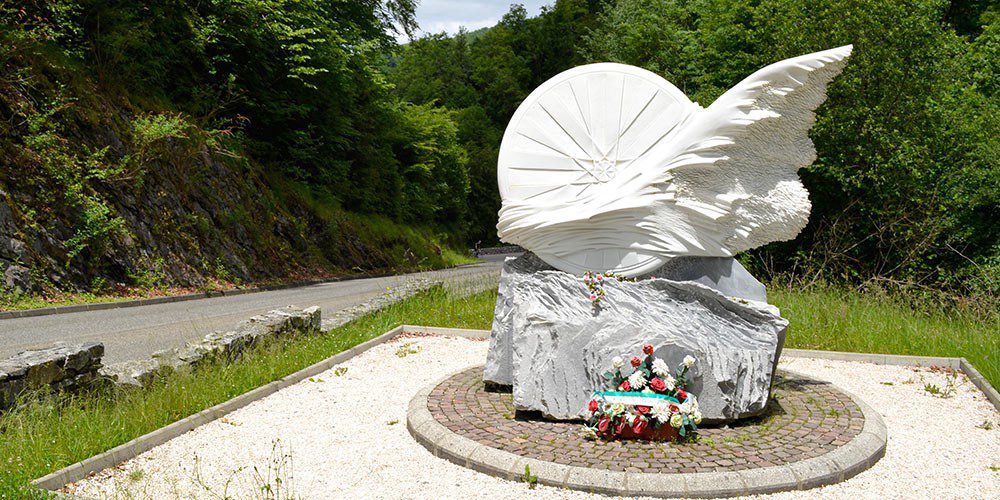
The Portet d’Aspet. Fabio’s climb. No, not Aru and certainly not Jakobsen. The images of that one Motorola racer, lying in a fetal position, in front of that concrete pillar, are forever etched in my memory. He was only 11 years old. Young, but I could see it. He wouldn’t wake up anymore. My other cycling love, Lance Armstrong, won a stage in that Tour two days later for his late teammate Fabio Casartelli. What an emotion and what an incredible story. However, it took years before all the riders wearing helmets started descending. That’s just incredible.
The climb itself is not necessarily difficult or painful. The hardest variant is only 5.8% kilometers long. But it’s the story of that descent that counts. So stop by the monument to Fabio as well. That’s the best thing you can do as an amateur. A silent tribute to the Olympic Champion of 1992.
Bonus climb: Superbagneres
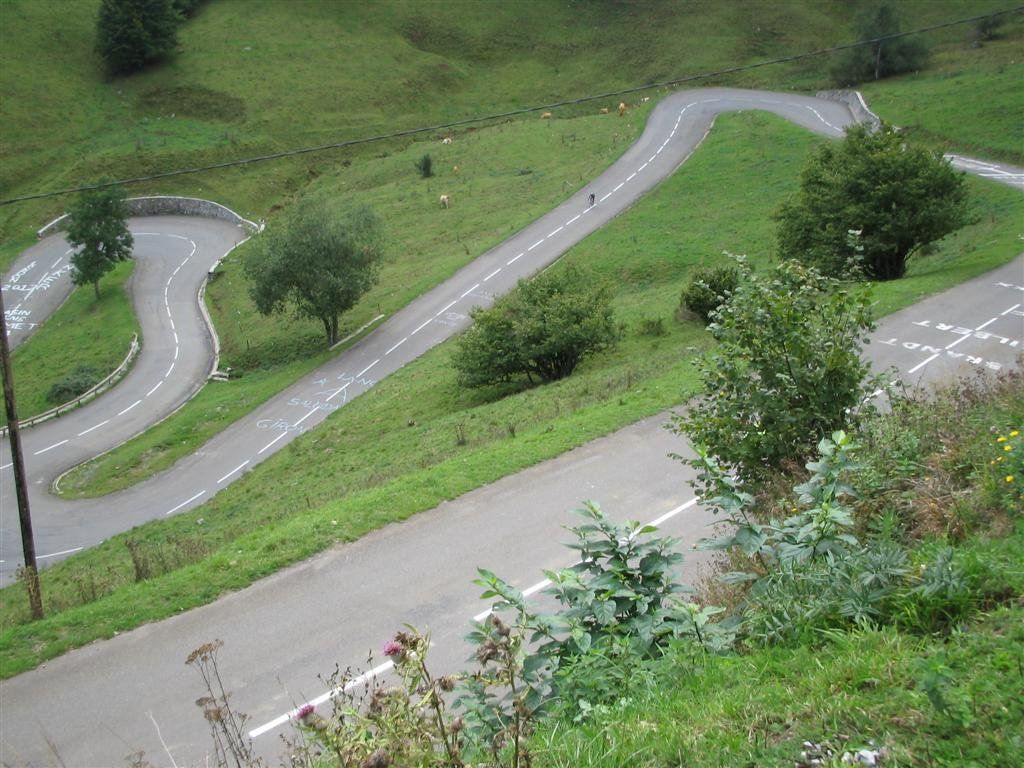
There are many bonus climbs to consider. For example, Port de Bales (long climbs), Luz Ardiden (beautiful hairpin bends), or Plateau de Beille. But Superbagneres is not only a climb that you can do well from Bagneres-de-Luchon; it is also a super beautiful climb. (Isn’t it great?)
You can be guided around the mountain for a while, because the average gradient is only 6.2%. However, this is mainly due to the relatively flat start kilometers. After that it hurts and is hard. Almost 18 kilometers up, a difference of over 1160 meters. And again and again irregular stretches in the seemingly ‘flat’ kilometers. The road is quite open, so you have nice, wide views. The only really ugly thing is the ski resort at the top. But you won’t really notice that after this climb. You have 5 mythical cols in the Pyrenees with a bonus climb added on top!
What is your favorite Pyrenean cheese?
Superbagneres, Bagnères De Luchon, France
• Distance: 14.2 km, Elevation: 972 m, Avg. Grade: 6.8 %
Questions & tips
Do you have any questions about this route, or have you been there yourself? Share them here. We read everything and usually respond within a few days.