
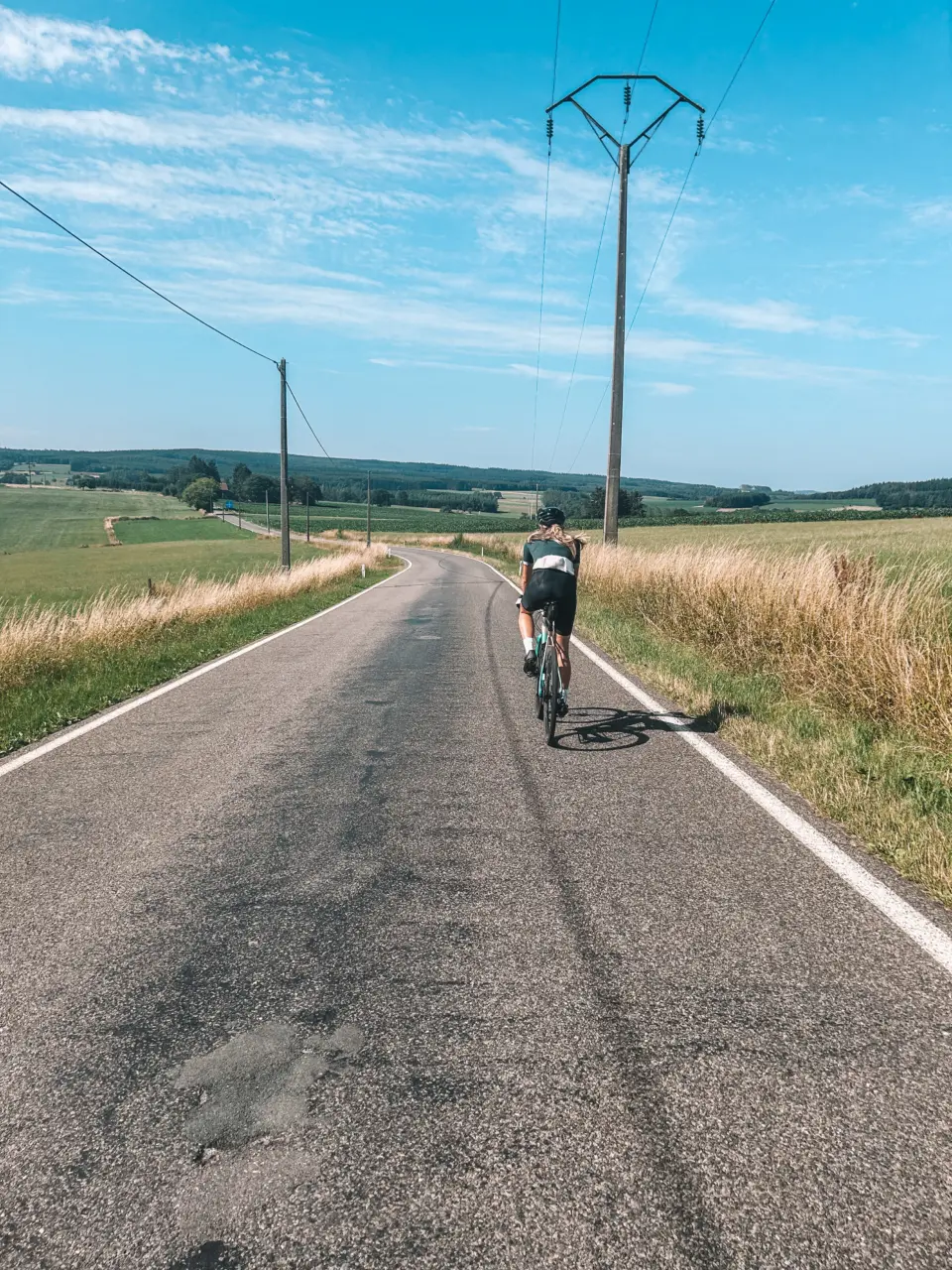
Cycling is a wonderful way to stay fit. You can really clear your head, enjoy the outdoors, and with a bit of luck you can cycle through a beautiful landscape. But on a hot day it can also be challenging and even dangerous, because heatstroke lurks around the corner. However, with the right preparation, you can still enjoy your bike rides. In this article, we share 6 tips for cycling on a hot day, to cycle comfortably and safely, even as the temperatures rise and the sun shines brightly.
What is a heat stroke?
When you spend a long time cycling in the sun, exert a lot of effort, and wear warm cycling clothing, you can suffer from heatstroke. Your body becomes overheated and loses its ability to regulate its temperature. This can be life-threatening. It starts with symptoms such as dizziness and confusion, severe headaches, nausea, and vomiting. Eventually, you may lose your coordination, develop balance problems, and even become unconscious. Worse yet: death.
Do you see a fellow cyclist overheating? Then it is important to immediately seek medical attention and cool the person down as quickly as possible. Move the person to a place in the shade, take off tight clothing and place cool, wet towels on the cyclist’s body. If you don’t have that on hand, you can also use a cycling jersey. If the person is conscious and able to swallow, give small sips of water.
This is how you prevent a heatstroke
- Do not cycle on the hottest day of the year
Yes, that seems obvious, but on a hot day the temperatures can quickly rise. Therefore, get on your bike early and make sure you’re back by noon. Or go in the evening and enjoy the sunset. Also remember to check your weather app, because on hot days the weather can change suddenly. A heavy thunderstorm overhead is not something you want either.
- Stay hydrated.
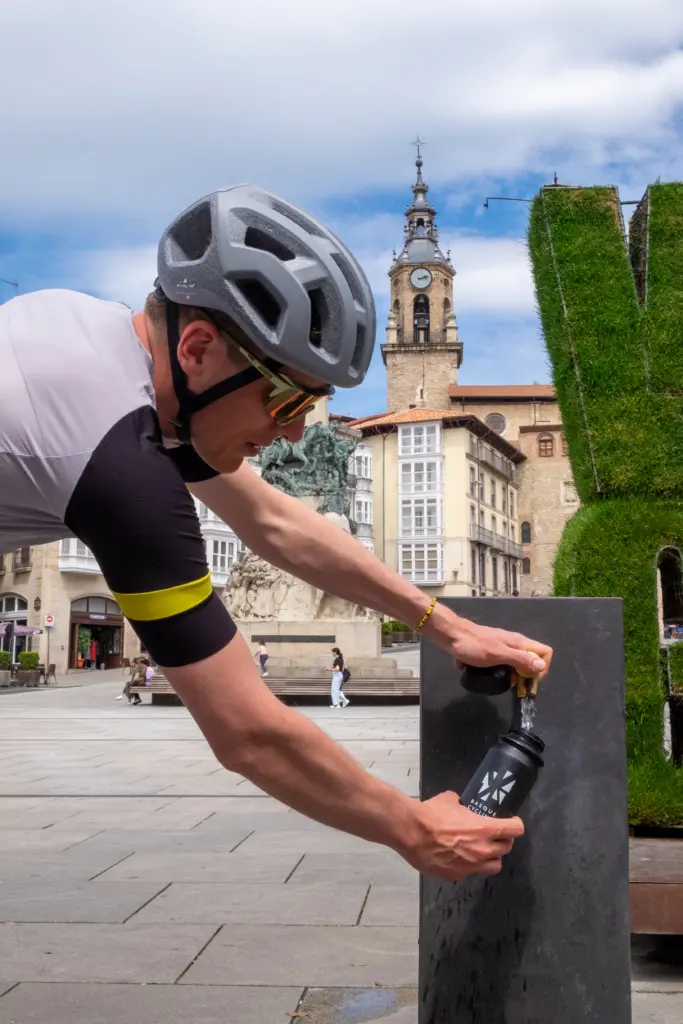
Drinking, drinking, drinking. Staying hydrated while cycling in the heat is super important. Not only to prevent heatstroke, but also to stay performing. At 2% loss of fluid, you are already about 20% slower on the bike according to the NFTU! Therefore, drink plenty of water before, during, and after your ride. Bring at least two water bottles and fill them based on the duration of your ride. You can add some ice cubes to them or place a bottle in the freezer the night before your ride so you have nice cold water on hand on the go. You can also add a sports drink to the water, such as Isostar. This ensures that important minerals in your body are replenished, which you lose while cycling.
There are about 2100 free water filling stations in the Netherlands where you can refill your water bottles. Do you know where one is on your route? Check the drinking water card.
- Choose the right clothing
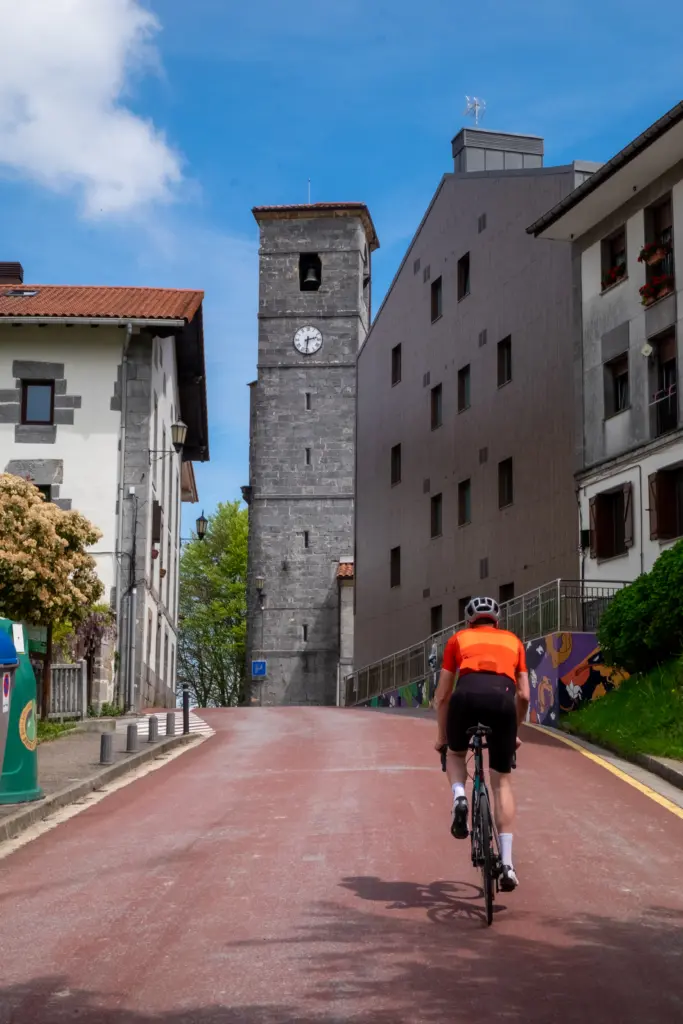
That black or dark blue shirt that matches your bike so beautifully? On a scorching hot day, you might as well leave it in the closet. Dark clothing actually makes you feel even hotter. On the other hand, choose light cycling clothing made from breathable fabrics.
- Let's get to work!
On some days, the UV radiation is so high that your skin can burn within fifteen minutes. Sunscreen is therefore essential if you plan to cycle for hours. Choose a water-resistant sunscreen with a high SPF and UVA/UVB protection. This kind of sunscreen not only prevents you from burning, but also helps prevent skin aging and skin cancer. Apply generously and take a small bottle with you in your back pocket, because after 2 hours you need to reapply. Our tip: SPF50 sunscreen from DecathlonWe rode it for hours in Thailand and hardly changed color.
- Adjust the intensity of your workouts
Cycling in the heat takes a lot out of your body, so adjust your pace and intensity. Don't do heavy workouts and listen to your body. Take a break in the shade every now and then to cool down, and watch for signs of overheating.
- Look for shady routes:
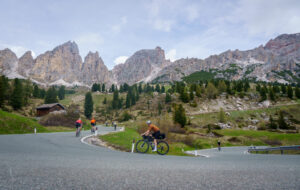
Plan your cycling route as much as possible along roads with plenty of shade. Trees protect you from the scorching sun and ensure you don’t get too hot. It can also be nice to cycle along the water, where a cooling breeze usually blows. Avoid busy urban areas, as the heat stays trapped between the buildings there.
Questions & tips
Do you have any questions about this route, or have you been there yourself? Share them here. We read everything and usually respond within a few days.