
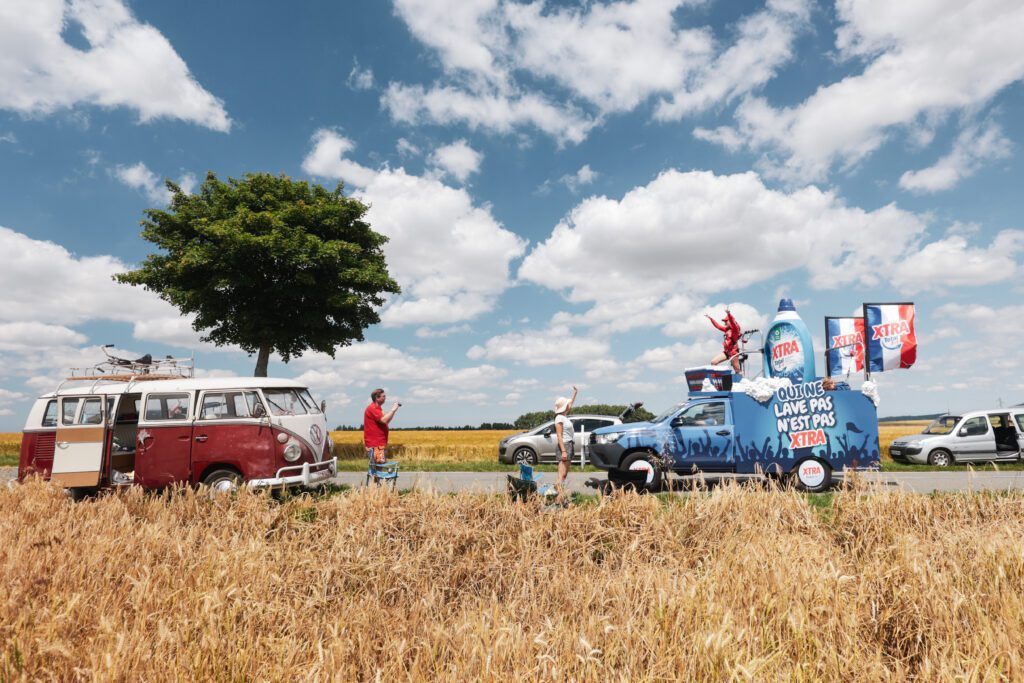
Ever since I was a little boy, we used to watch ‘The Tour‘Long summer days behind the television, watching men work themselves into a sweat. To my childhood hero Richard Virenque, to Lance Armstrong, Miguel Indurain. To the big grimaces of Michael Boogerd when he put Melchor Mauri on the wrong foot in Aix-les-Bains. Since then I’ve known France by the stages of the Tour. I would never be able to find the town of Pau, were it not for the Tour. Even in the 80s and 90s, the tour was already a strong form of destination marketing.
text: Sander Kolsloot photos: adobestock.com/ ASO-Letour.fr
Northern France
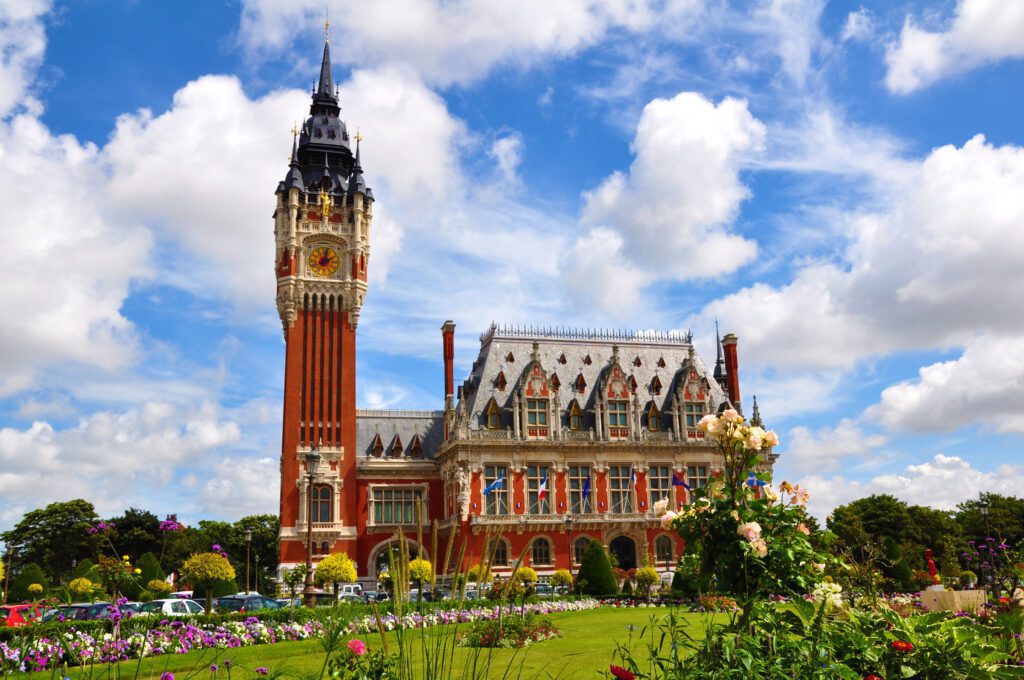
Today, on July 5, 2022, the peloton finished in Calais, after a start in Dunkerque. This region is not exactly known for its cycling culture. For many, the northernmost corner of France is a transit region. On the way to the sunny south, or to catch the train to England. Why would you go cycling here? Well, that’s what they thought at the tour organizer A.S.O. Because when a region invests in promoting France and its own backyard, there are many ways to support that. The routes the pros (both the men and the women) ride are often a bit boring and lead over provincial, wide roads. Therefore, there are now alternatives for many stages that can also be ridden by cycling tourists and fans of the sport. What a great idea!
Nord-Pas de Calais
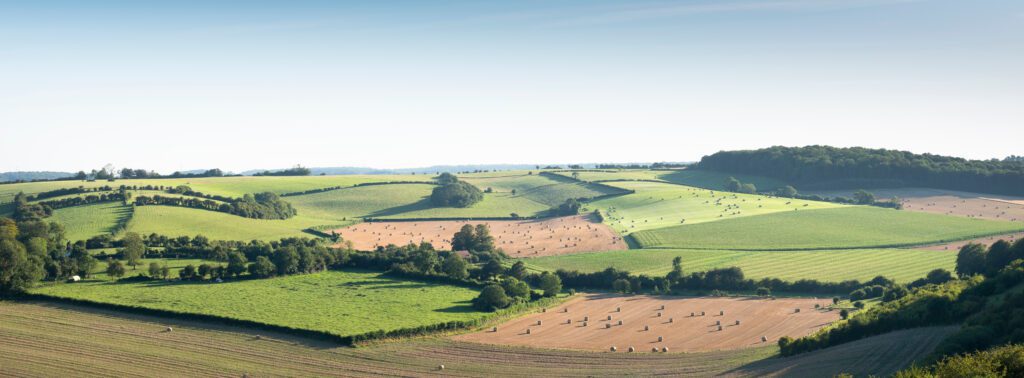
What many people forget is that this part of France, around Dunkirk and Calais, is quite hilly. Even in the region of Roubaix, which is a little more southerly, you already find a much more hilly landscape than, for example, the province of South Holland. You can also find challenging, hilly routes here along the coast that wouldn’t be out of place in Limburg or in places like Nijmegen and the surrounding area. If you also look at the route of the stage, you’ll see several ‘cote’s’ and climbs. That’s quite beautiful, and that on the beach!
View of Calais
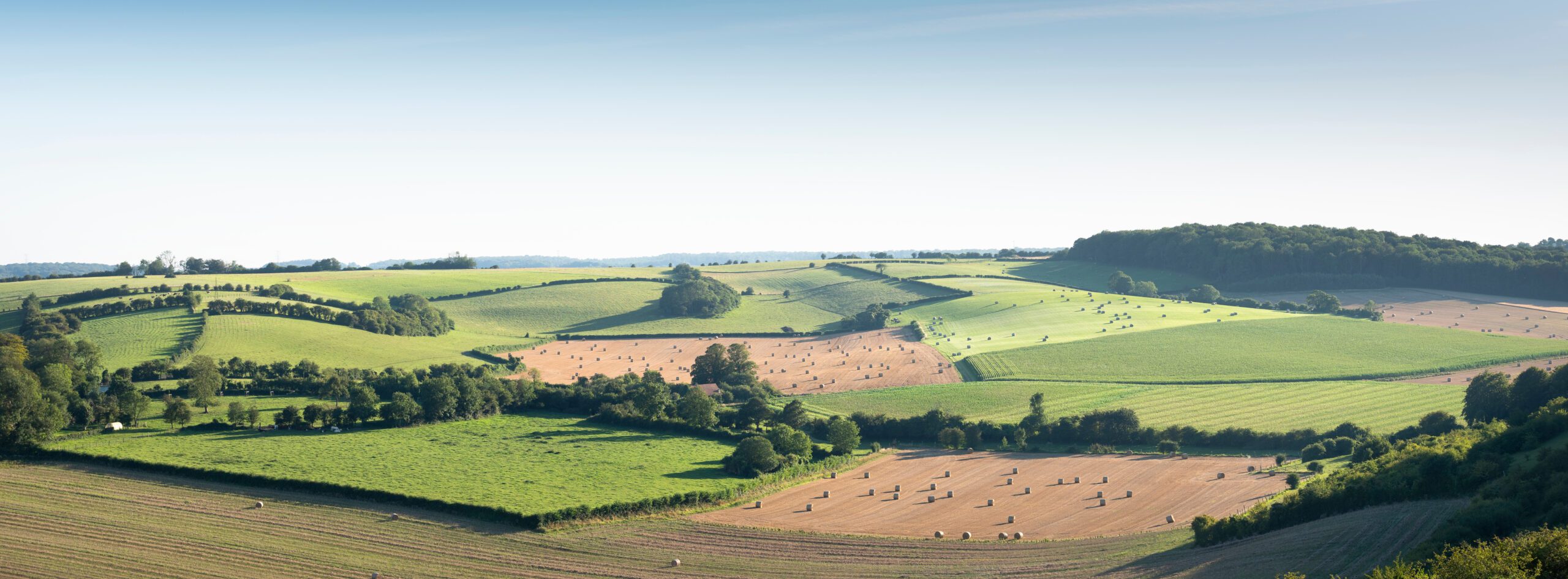
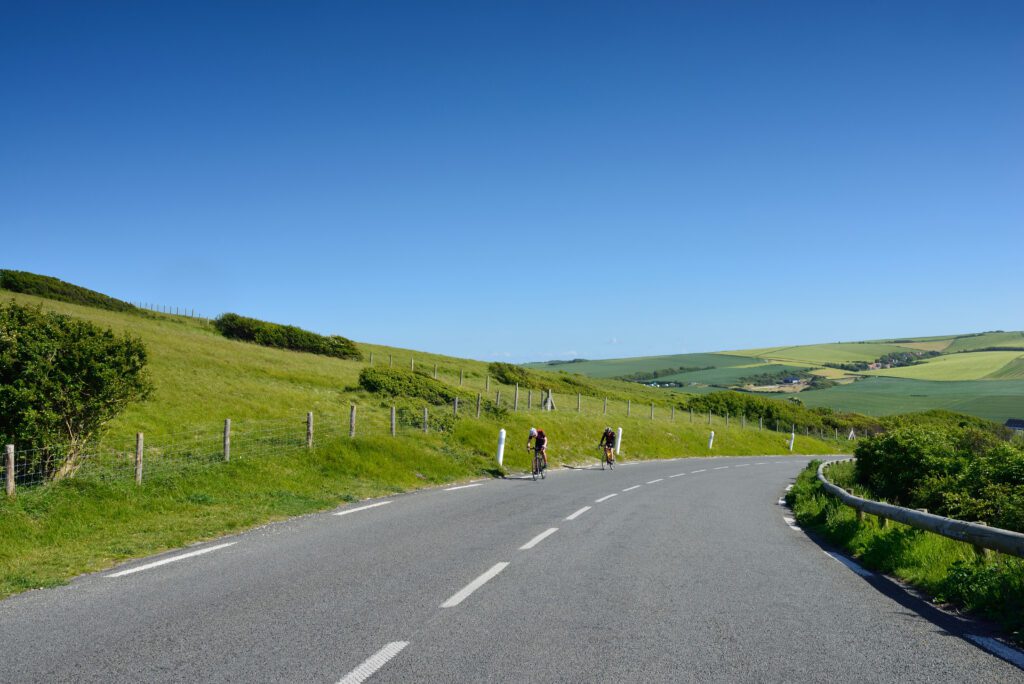
Unlike the actual stage itself, the tourist route starts from Calais and immediately dives into the beautiful natural area of the Cape and Opal Meadows. Soon after, you drive over typical French roads with the typical colors of yellow fields and brown fields in the summer. Behind that, the view of the sea. It’s almost impossible to imagine that hard fighting took place here in 1940. But also that now there are lines of refugees waiting to make the crossing to the promised land – in this case England, where economic prosperity and work would be found.
World history
At kilometer 21 of the route you will pass an impressive fortress complex, V3 Mymoyecques La Coupole, Here, the German troop force had installed a V3 cannon to bombard London. It is well worth stopping and working on your fitness. You have already climbed the first few hills, as after a flat start it gets slightly steeper after about one kilometer. For the professional athletes and female athletes it is a slight climb, but for me as a happy amateur it is worth a little extra effort.
Turning point, on to the coast
The chosen route may be too short for the average fanatic, but with 60 kilometers and 500 meters of elevation gain, there is something for everyone. If you would like to drive for a longer time, then make an extra detour or start in Duinkerken to copy the route of the pros. But if you follow the original route, then after 30 kilometers there is a turning point and that is where you get to the beautiful route towards Cap de Blanc-nez. Again, beautiful combinations of fields, views and, in the background, the beautiful water.
Blankenesse and Zwartenesse
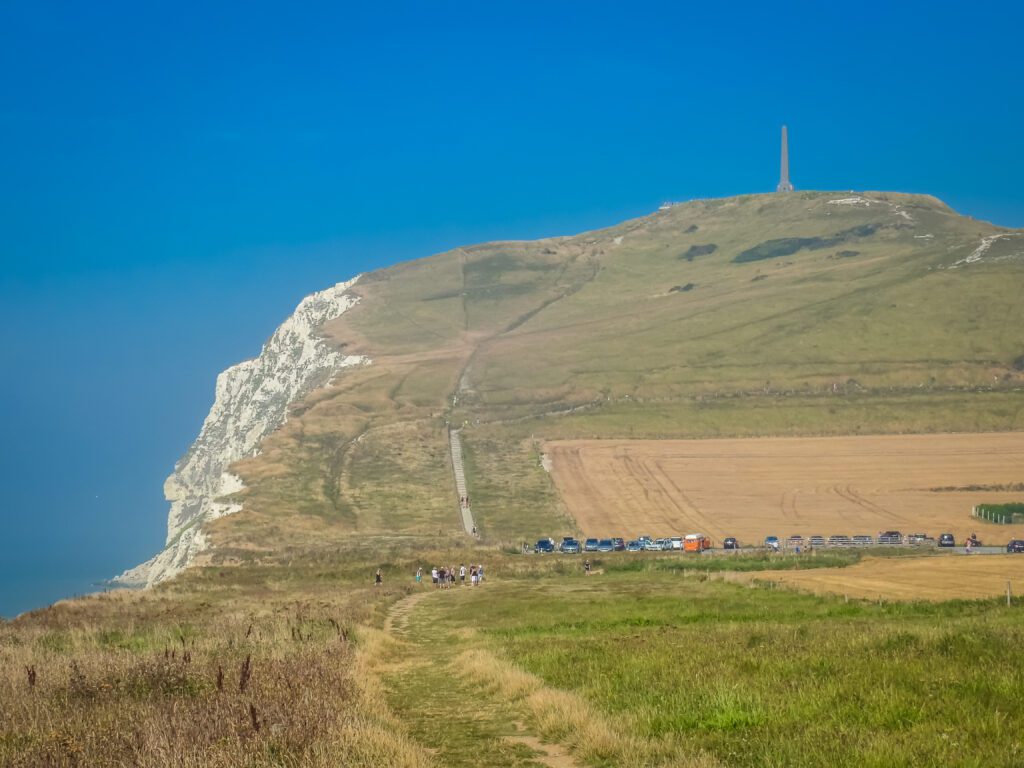
The eye-catchers of this route are, without a doubt, the duo ‘Blankenesse and Zwartenesse’. Two headlands that not only protrude into the sea, but also rise quite high into the air. Cap Blanc-Nez is a serious hill with a height of 134 meters. This is also listed in the route book as almost a kilometer of 7.5 percent incline. The Cape of Zwartenesse, Cap de Gris-Nez, is a little less challenging, but offers a fantastic view over the English Channel and the opposite white cliffs of Dover. Particularly interesting, especially for cycling through here. It is a piece of France that is underappreciated.
Grand site de France
The village of Escalles, which is very close to the Cap de Blanc-Nez, is one of the eight communes that together form the Grand Site de deux Capes. In 2011 it was awarded the title of Grand Site de France, a quality label. It covers an area of almost 7,500 hectares, including the Cap and Opal Parks, as well as the Marshes Parc Natural. Other beautiful places include the sand dunes of Slack, which lie between Ambleteuse and Wimereux. It is a beautiful area, with sandy beaches and, for the more adventurous, hiking trails that take you from Sangatte along the coast to Wimereux.
Route
The route of this stage, stage 4, and the other stages can be found in our Komoot collection.
Questions & tips
Do you have any questions about this route, or have you been there yourself? Share them here. We read everything and usually respond within a few days.