
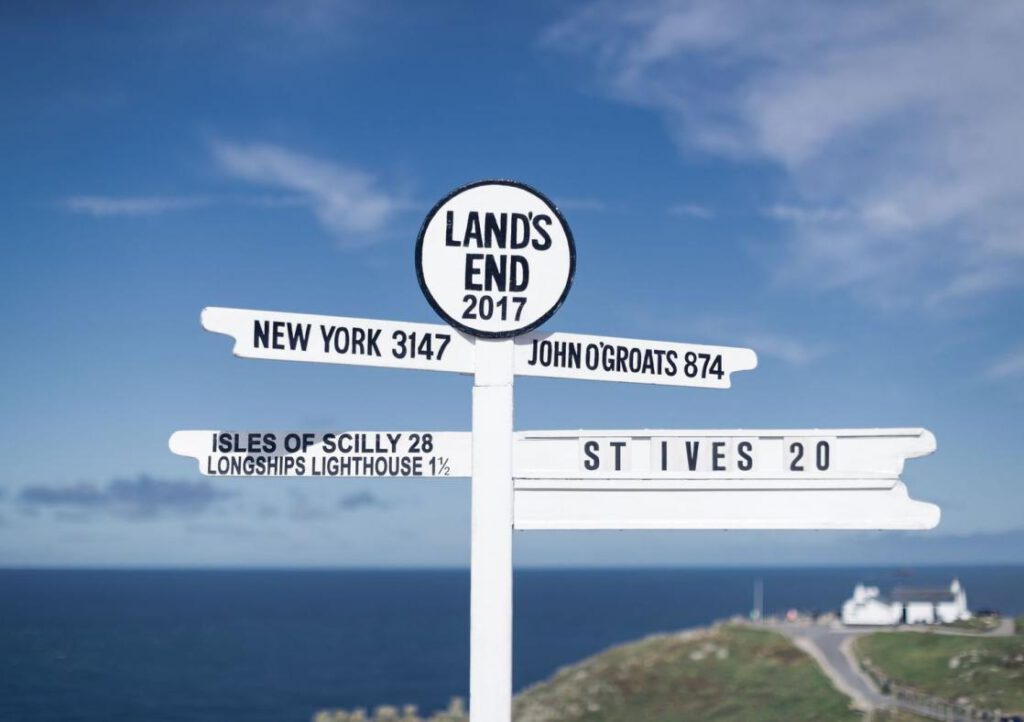
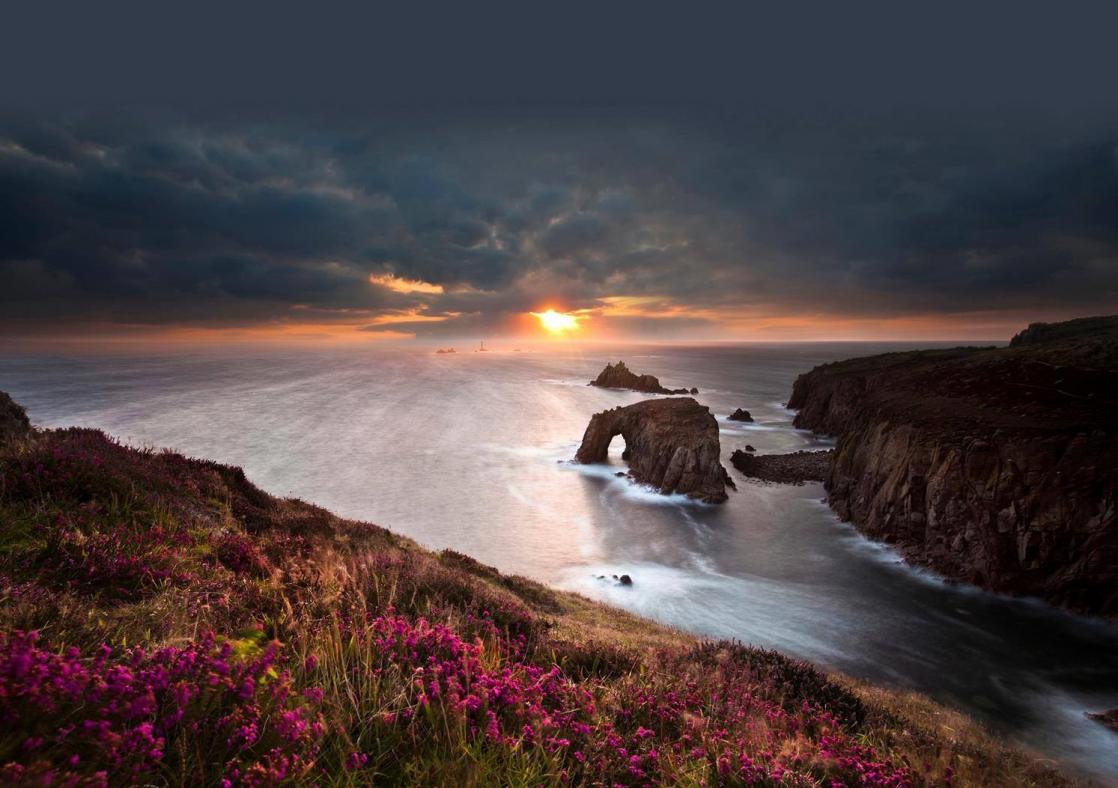
Don’t be fooled by the title. ‘Le Jog’ is no reinvention of the expression ‘walk in the park’. Far from it. LEJOG is synonymous with an ‘once in a lifetime experience’. A heroic ride, often linked to a cause. But what is it? LEJOG is a challenge like no other. It stands for Land’s End to John O’Groats. Anyone who takes the map of England will immediately understand it. You go from the southernmost point in Cornwall, Land’s End, to the northernmost point in Scotland, John O’Groats. The damage at the end of the trip? About 1600 kilometers, more than 14000 (!) meters of elevation gain, probably a few refreshing English blizzards and stories to talk about for years to come.
Create your own route
Although the starting point and the end point are the same, there is no fixed route for this sampling trip. There is also no timetable, nor fixed stages. LEJOG is truly your challenge, your project. It almost sounds as if you are here on an assignment. building materials store You need a car. The shortest route from ‘end to end’ is 900 miles, or 1433 kilometers. You will then take the most direct route, without deviations due to interesting highlights, or detours due to a place to spend the night.
From the sunny south to the wet north
You wouldn’t say it, but England and specifically the parts of Cornwall and Devon are sunnier than Paris. They are also exactly the same height in terms of latitude, but have a completely different climate. If you start LEJOG, you will be impressed by the Cornish countryside. It is rugged, particularly different from everything else. Soon you will pass old ruins, beautiful places along the coast and over the hills. That makes this part of LEJOG the most challenging. On this route we take a section of the Cornwall Area Of Natural Beauty. Here you will also pass the village of Minions. Often worth photographing. Shortly afterwards you will arrive in Devon.
Devon
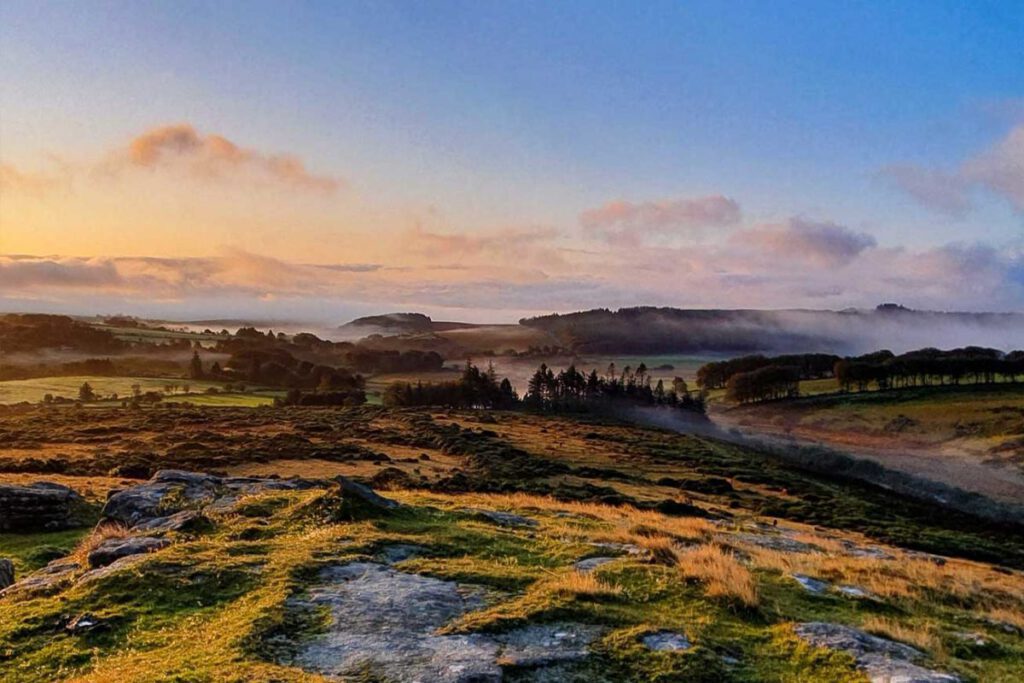
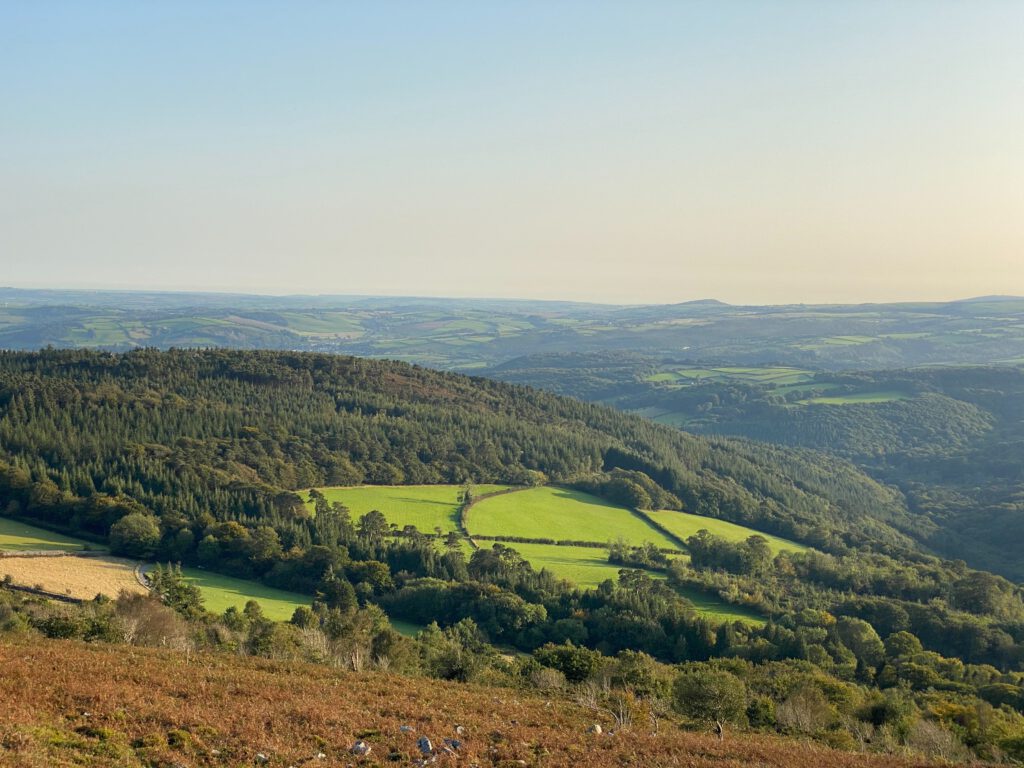
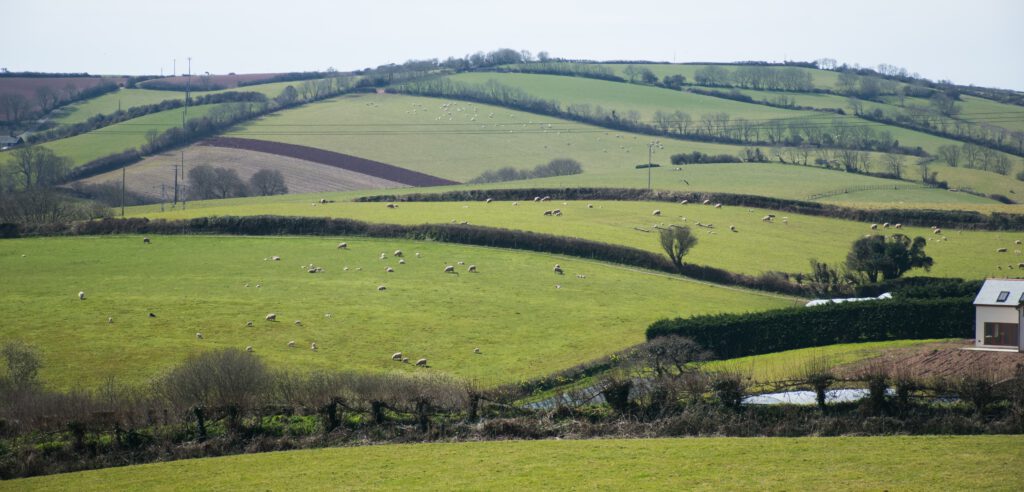
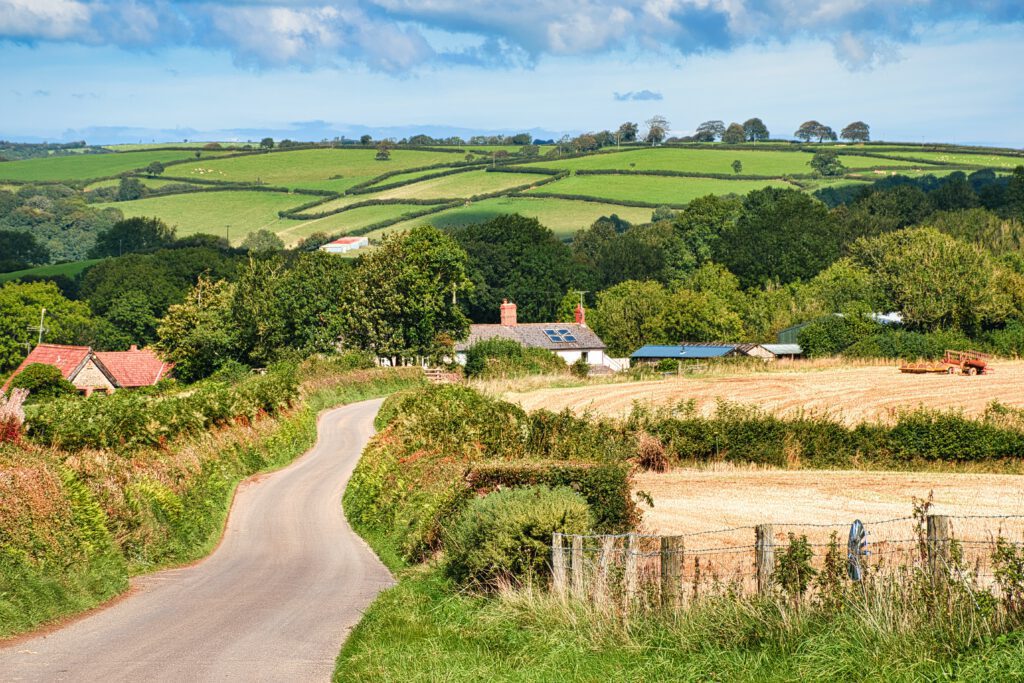
Dartmoor National Park and Devon are Siamese twins. They are often mentioned in the same breath, and rightly so. But there is more to this region that makes it special. On the border with Cornwall you find Tamar Valley, another beautiful part of England. In Tavistock you can stop at Queen’s Head for a snack before quickly heading towards Dartmoor. There are several routes through the park, or along its edges. We chose the straight route towards Exeter. You also pass through Mortonhampstead here. There you’ll find a nice, bike-friendly coffee bar and ice cream shop. Cycling Destination Approved!
Somerset
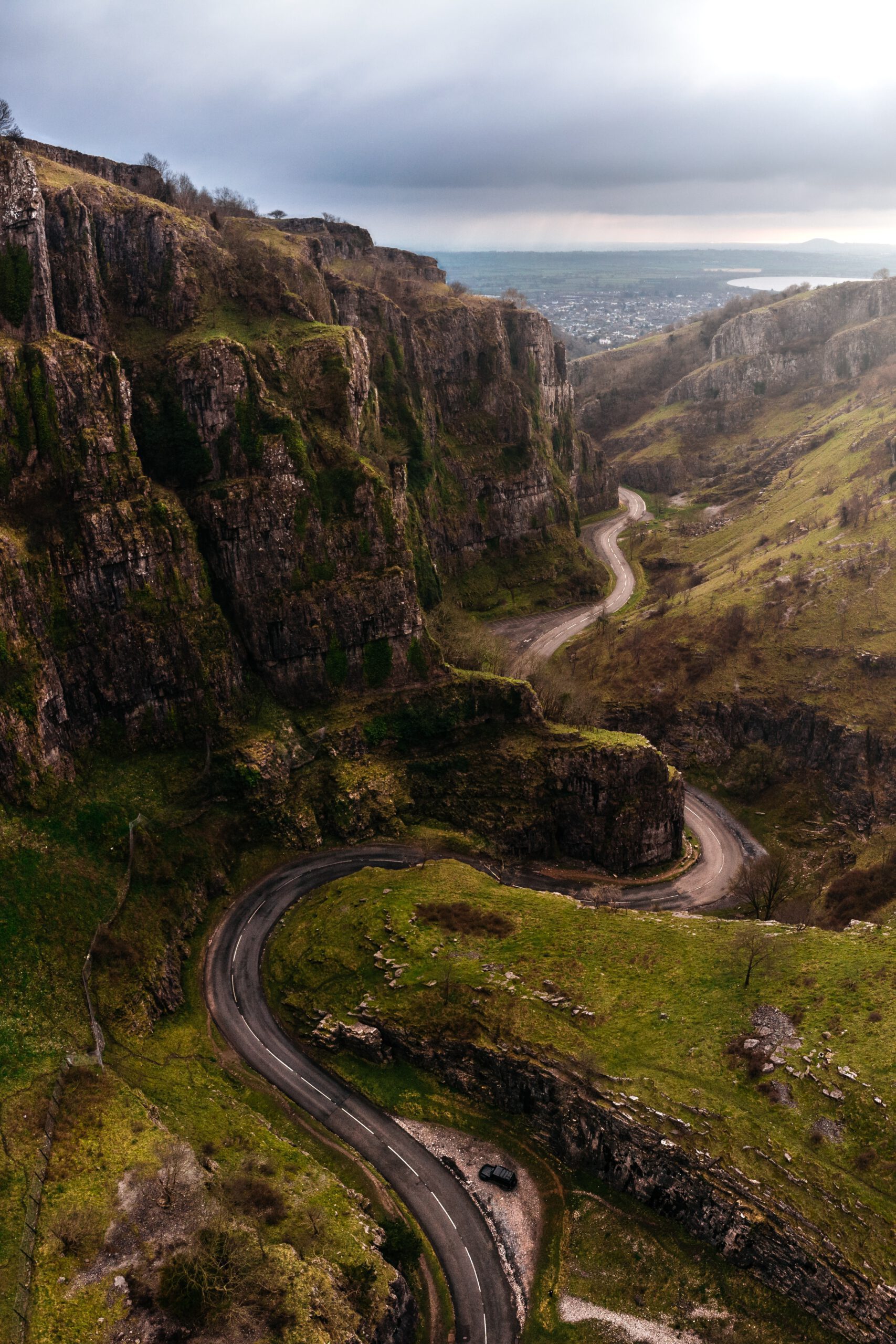
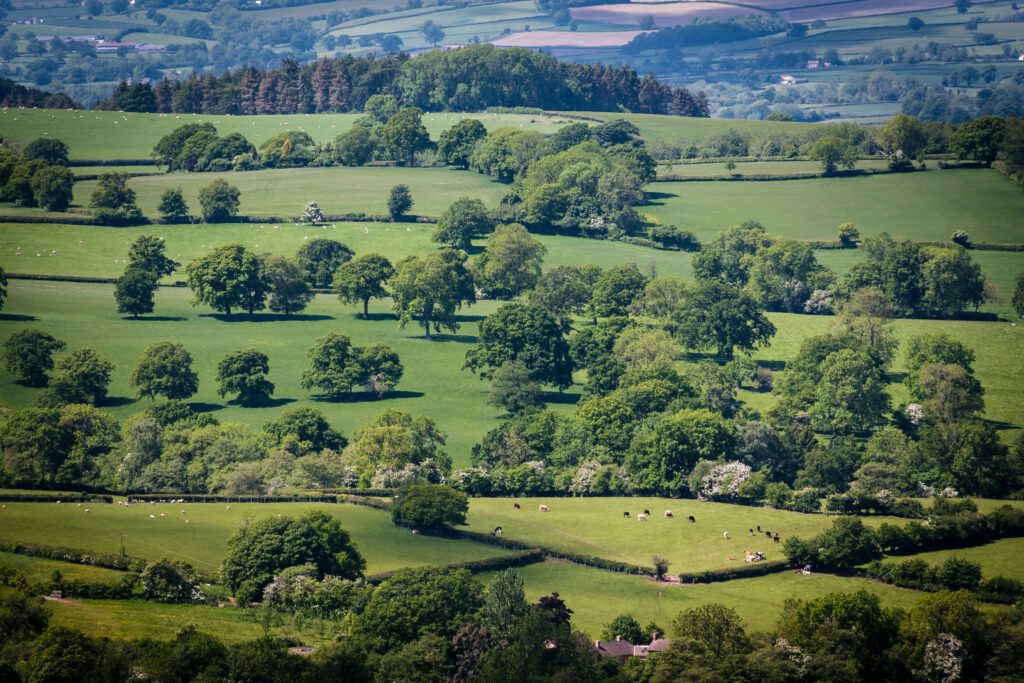
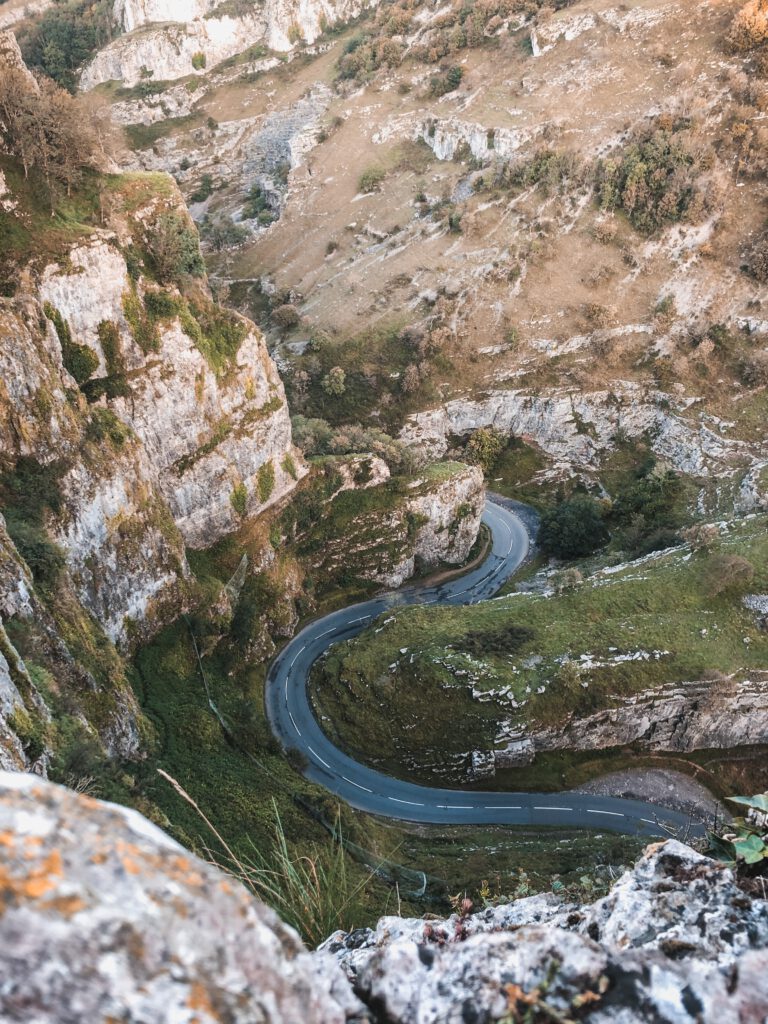
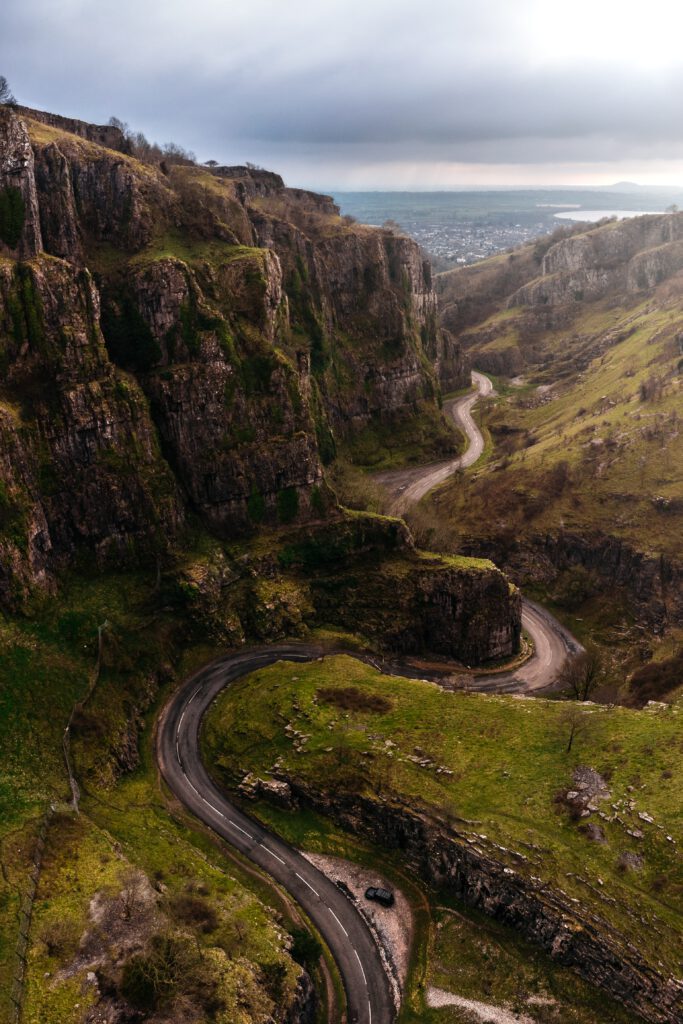
From Devon, the journey continues through Somerset, another region that often features in the BBC’s ‘Escape to the Country’ program. We choose a route through Blackdawn Hills, again a beautiful natural area. Here is also the Wellington Monument, a nice stop to take in some history. In Somerset you have the beautiful Cheddar Gorge, which we also included in our route. It is one of the highlights of this region. If you want to make a small detour, a trip to Glastonbury is an option. Not only because of the music festival, but also because of Glastonbury Tor.
Bristol – Clifton Suspension Bridge
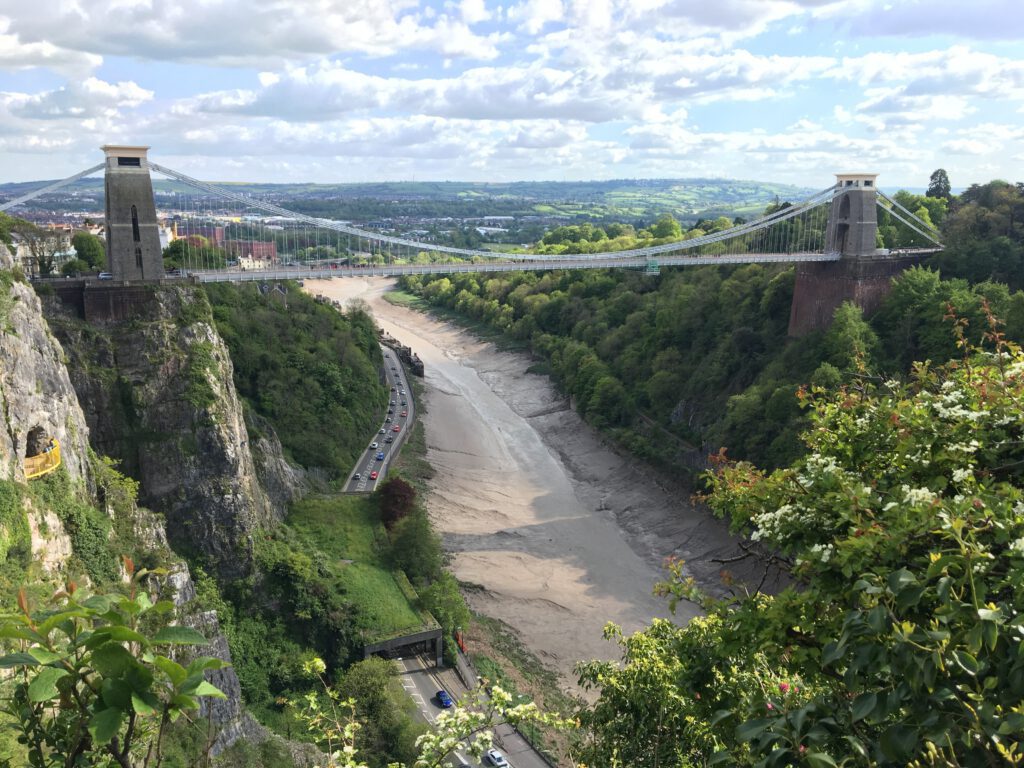
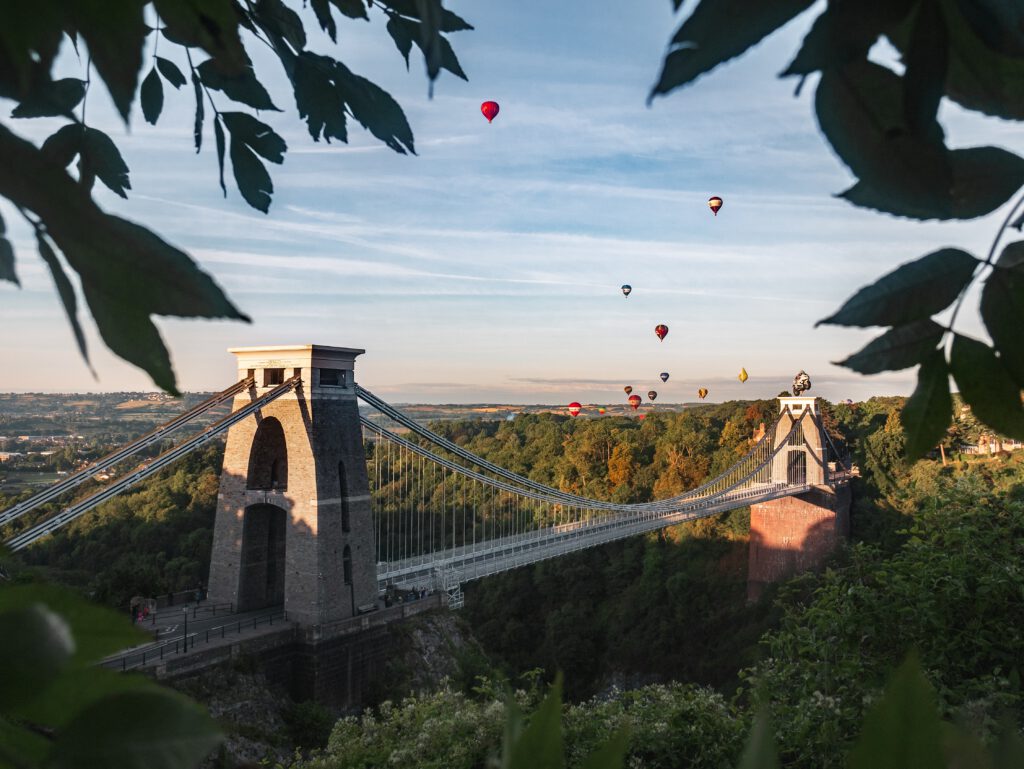
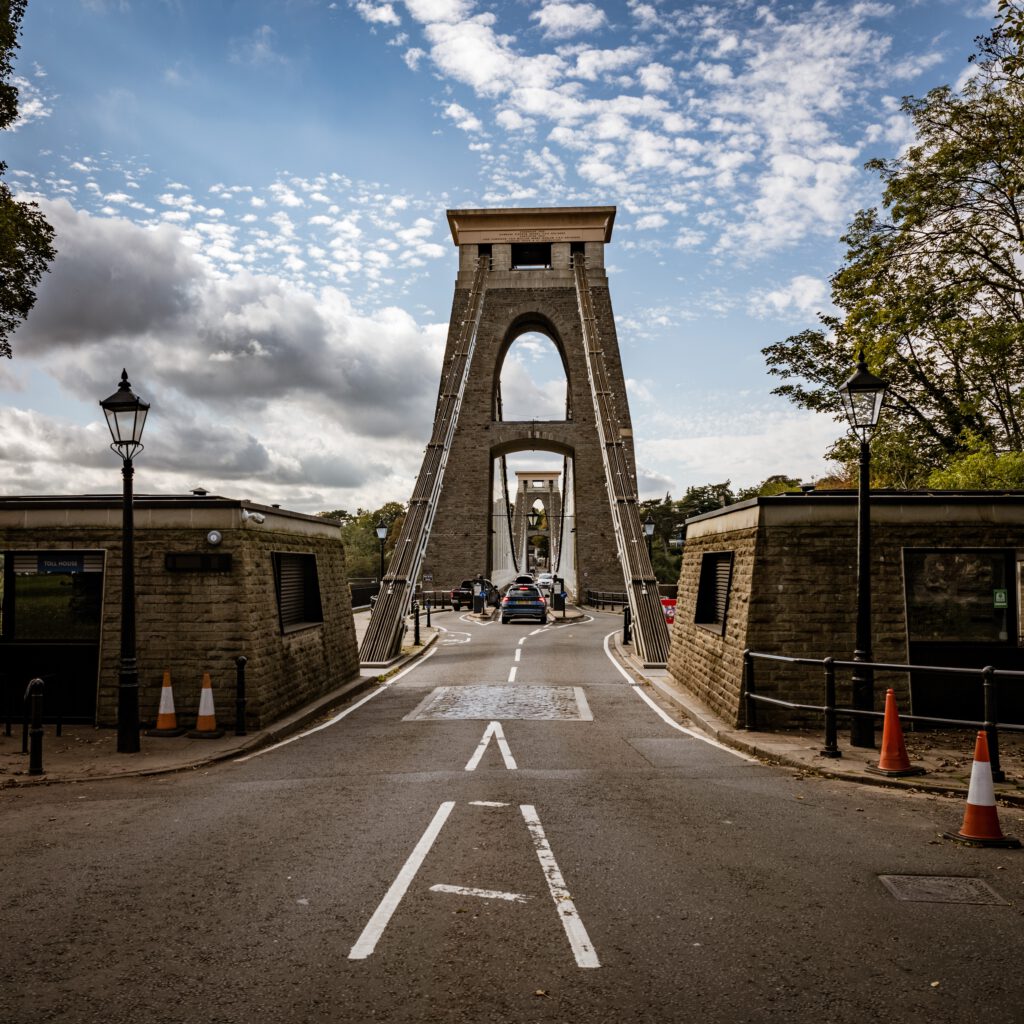
You can’t do LEJOG without driving through Bristol. At least, unless you’d like to add kilometers to the total. But crossing a start line doesn’t even have to be a penalty. Bristol does have the Clifton Suspension Bridge, a beautiful piece of architecture that immediately disqualifies it as a detour. If you still want an alternative route, then take it via Bath, one of Somerset’s more beautiful places. From here, you follow a stretch of the border between Wales and England.
Herefordshire
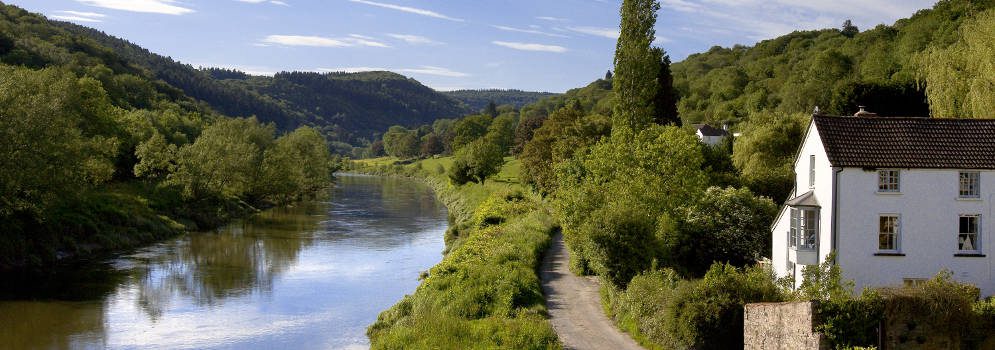
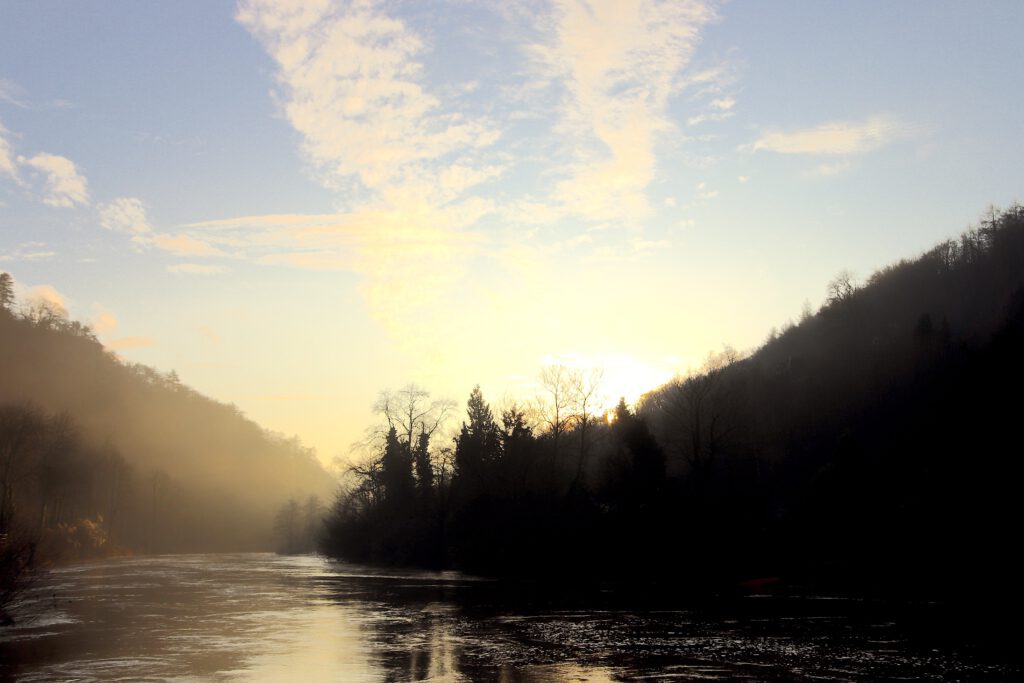
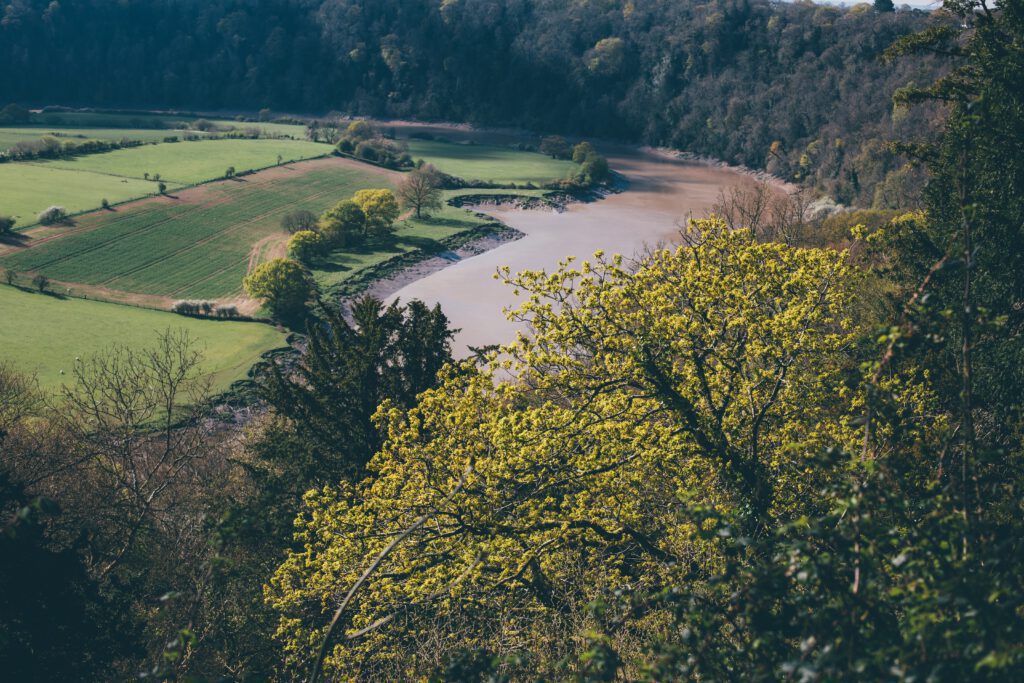
We are now diving into Herefordshire. Here you can follow the beautiful River Wye. The Wye valley is once again a ‘area of outstanding natural beauty’. There are many of these in England. This is a real gem and you could describe it as typical English. A small river with old villages along it, which exude the typical English atmosphere. You drive through here at the height of our own country, so please take into account the same inviting weather conditions.
Shropshire
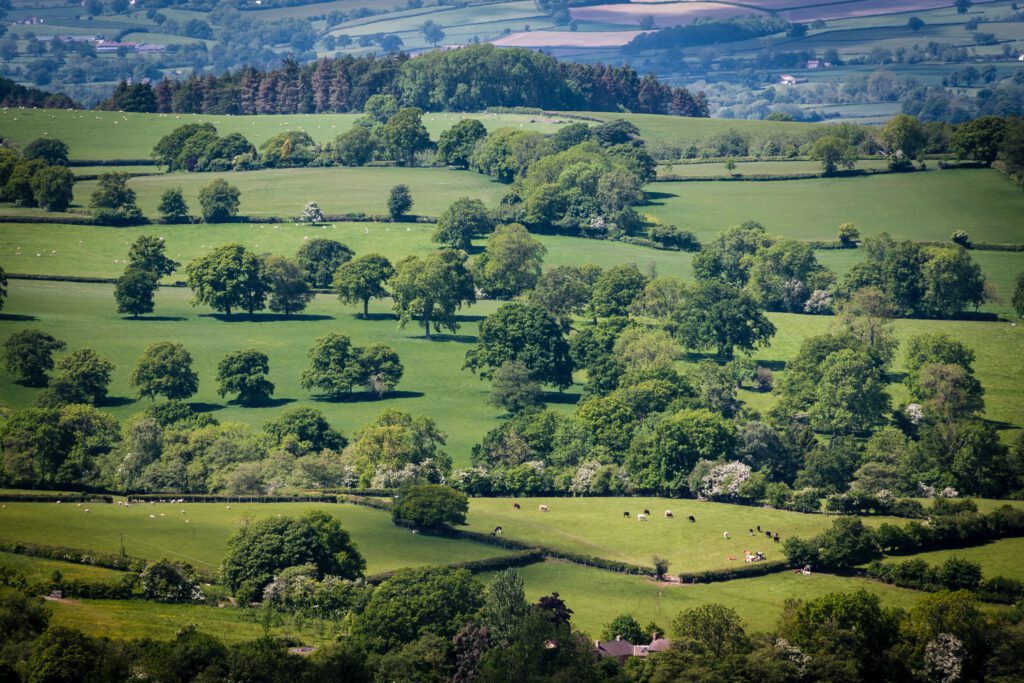
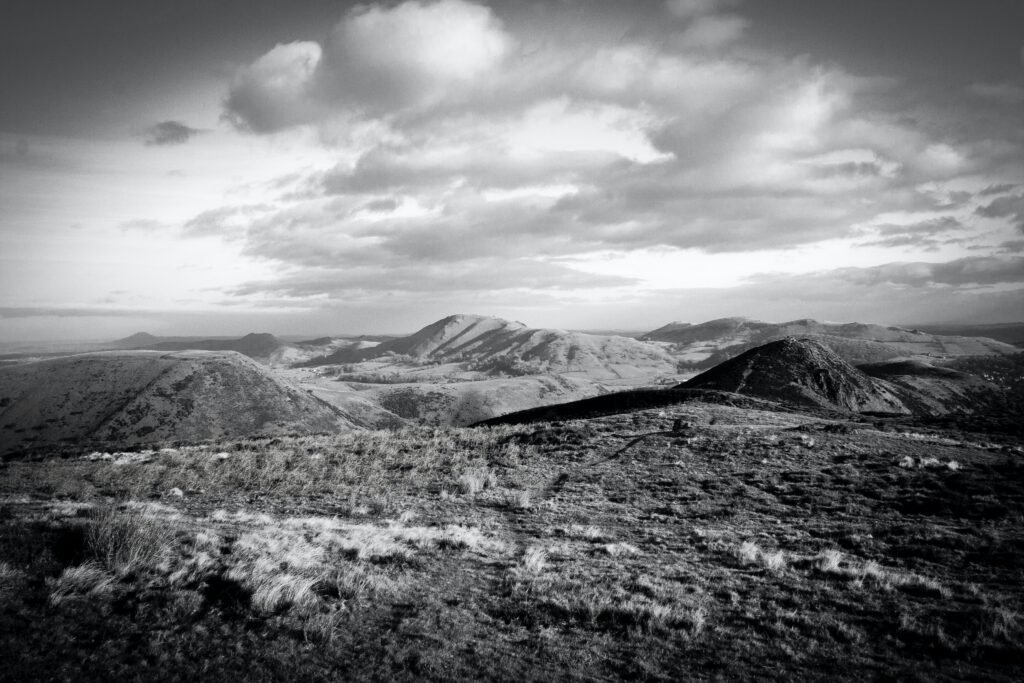
Another beautiful county. Once you reach Shropshire, you are about 1/3 of the total route to JOG. Shropshire is known for its beautiful lanes, but also for the Burway. A beautiful but painfully steep climb. A typical English climb. Short, steep and with a little bit of luck you get a wet suit. On the other hand, you have beautiful views as a reward.
Cheshire
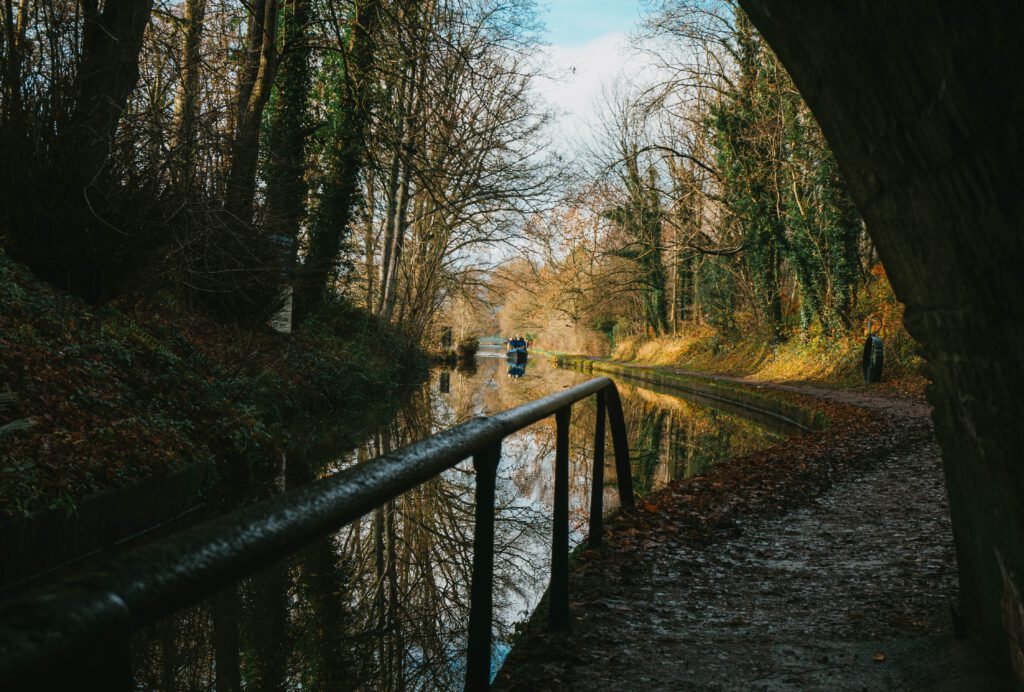
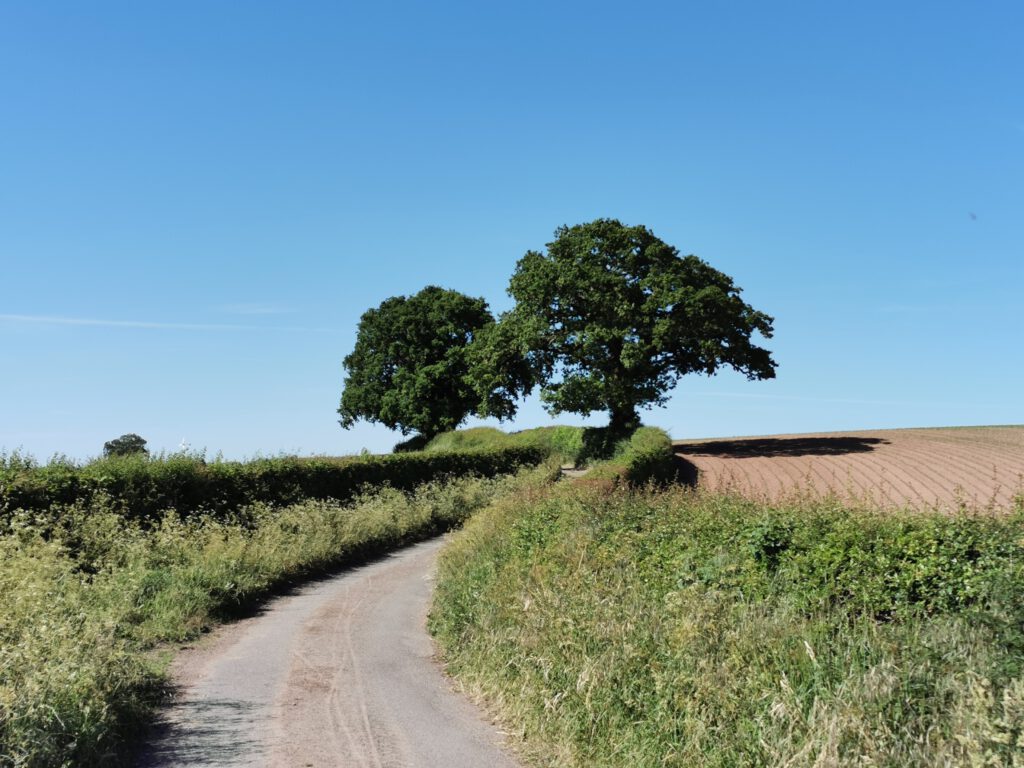
In this smaller county you will want to stop in Chester and take a look around. In our route we actually drive right through the county and you will mainly see the landscape, the canals and (waterways) and also the various castles and manor houses that you pass by will definitely be worth stopping at.
Merseyside – Greater Manchester
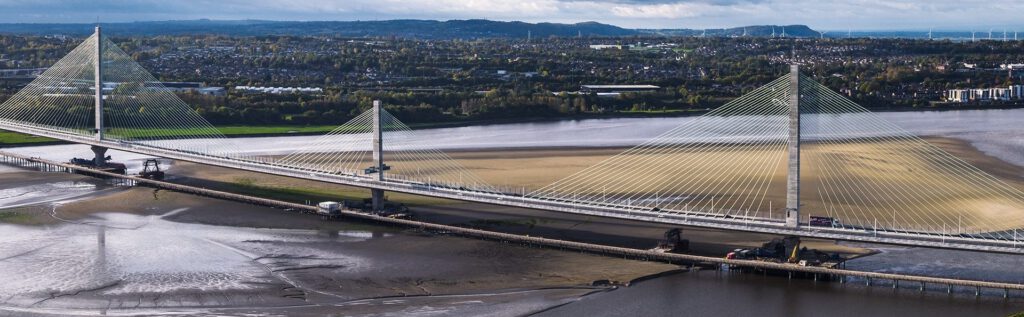
The urban agglomerations of Liverpool and Manchester are a kind of roadblock that you have to maneuver through. Not the most pleasant part of the route, but yeah. As an alternative, you could take the detour towards the Peak District You might have to bear in mind that you’ll be adding a lot of extra kilometers (50) and a whole lot of extra elevation gain. The investment is certainly worth considering in terms of beauty and beautiful climbs, but if you’re going to cover over 1500 kilometers, with 16,000 elevation gain in it, it’s not a simple choice. One of the highlights on this route: the Merseyway bridge and the viewpoint we linked to it.
Lancashire
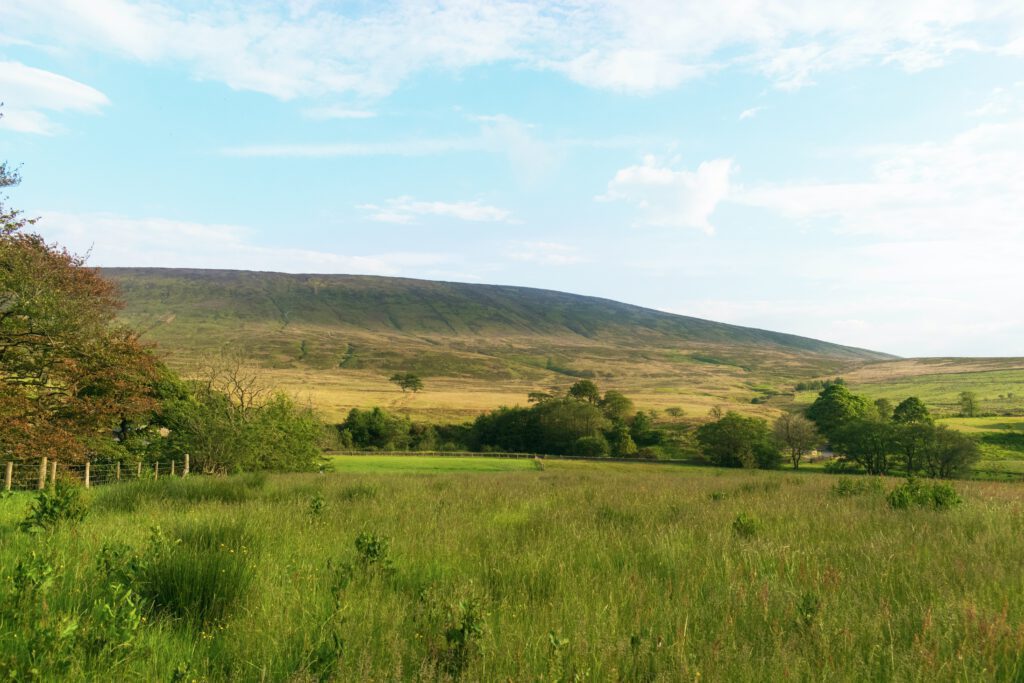
The county above Liverpool and Manchester is an old industrial region that can sometimes seem somewhat deserted and desolate. That said, there are plenty of beautiful places to explore. If you make a stop, Preston is a nice place to stay. On our route, we drive around the town, via Belmont, mainly because of the natural attractions. It’s a lot more rugged in that region, and the surroundings change color beautifully with the seasons. That again says: LEJOG is a challenge like no other, also because it’s different every day of the year.
Second part of the route – Lake District – Yorkshire Dales – Cairngorms
Fores of Bowland – Yorkshire Dales
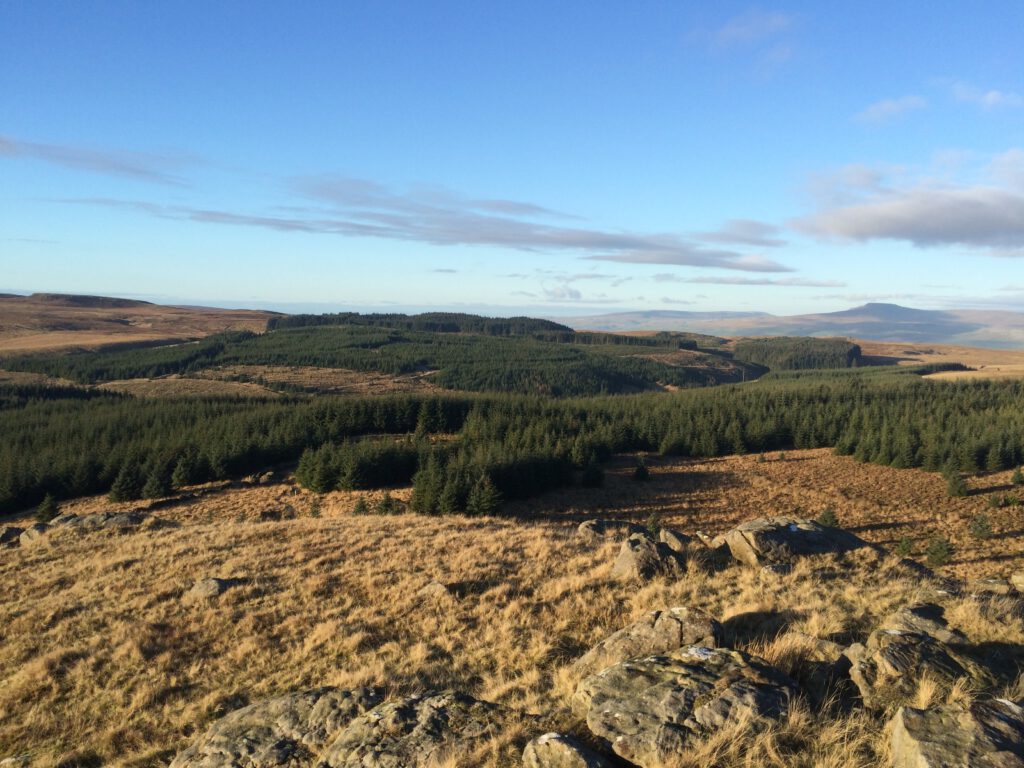
Just above Preston you will find the playground of your LEJOG adventure. The Bowland Forest, also known as the Bowland Fells, is already a beautiful area where you will mostly hear the click of your camera. Here you will cross the border from Lancashire into Yorkshire. You could choose to also explore a corner of the Yorkshire Dales to take part
Kirkstone Pass – Lake District
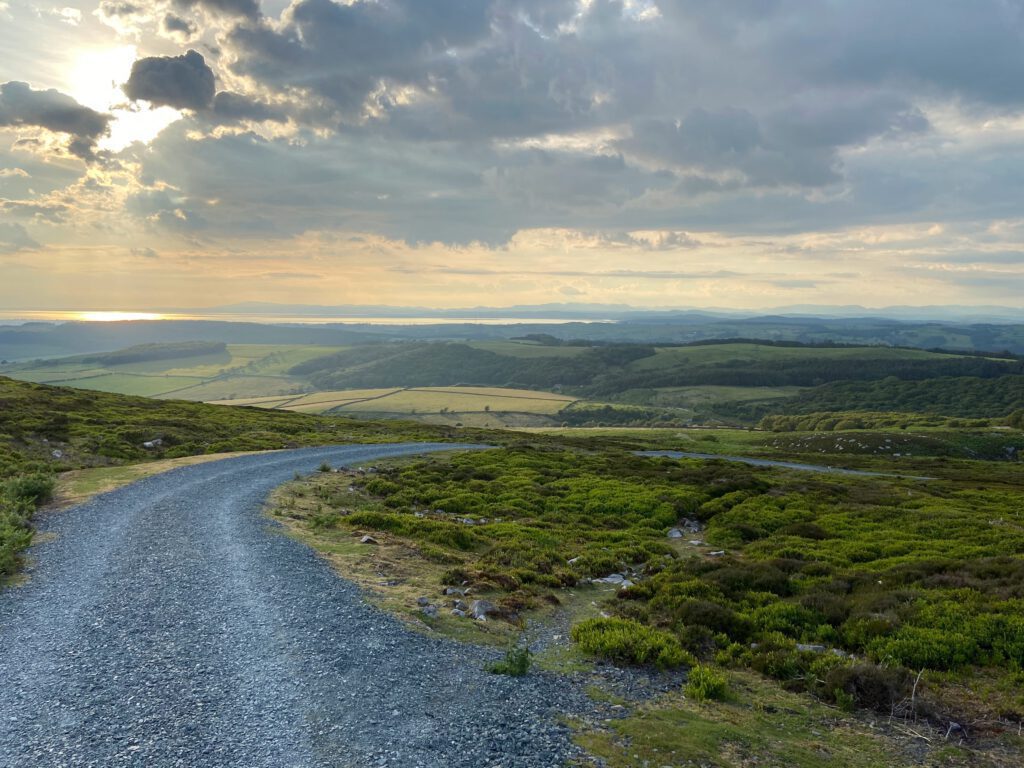
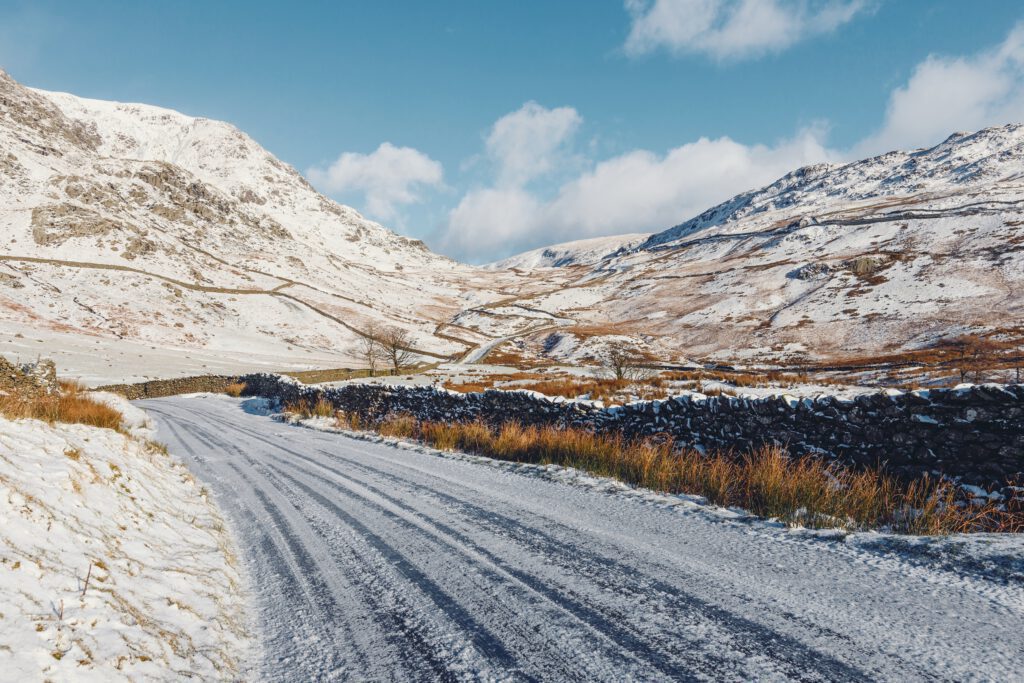
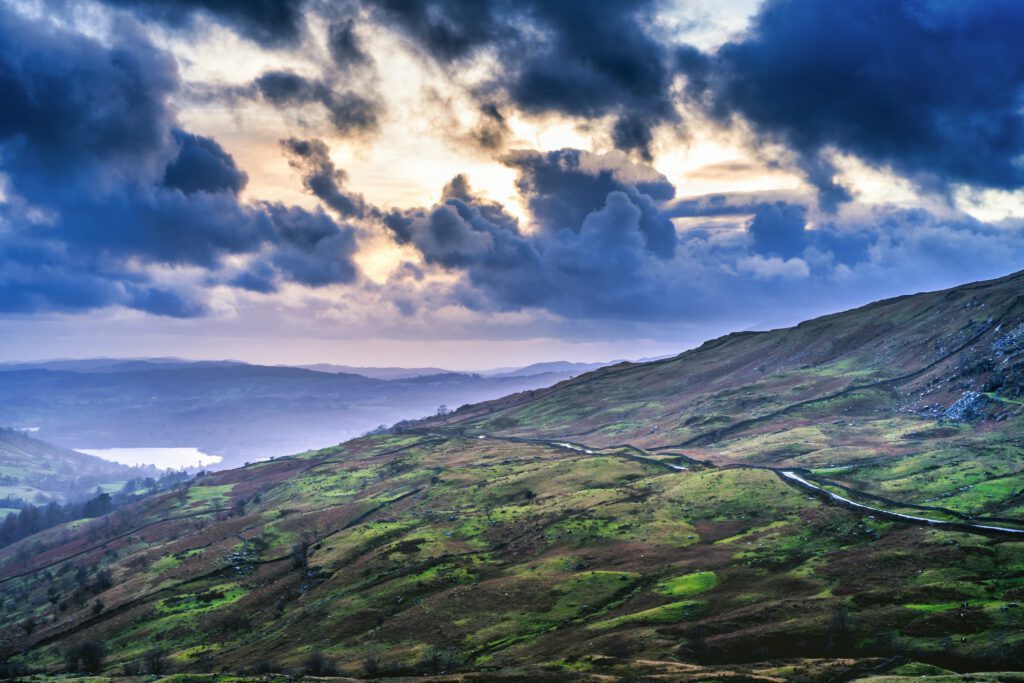
Lejog is a challenge like no other, precisely because you have to go up and down constantly, but also because you have to face the different weather conditions. The nice thing is that you encounter new landscapes each time. Because once you reach the halfway point, you will pass through the beautiful Lake District. Kirkstone Pass is a fantastic English hill. The Lake District has a few beautiful and challenging slopes anyway.
Edinburgh
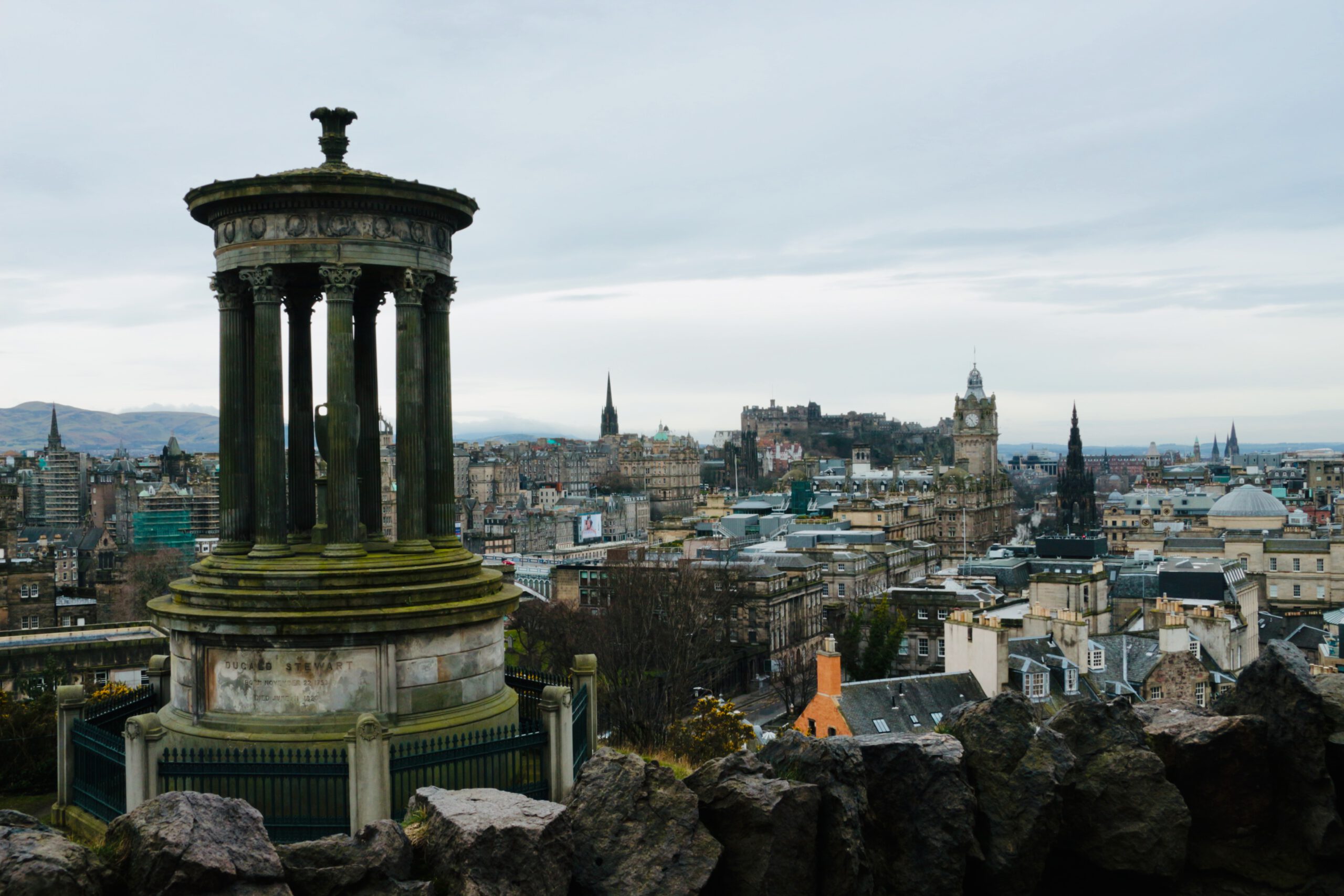
Once you’re here: treat yourself to a day in this beautiful city. In the itinerary we include the climb to Arthur’s seat, where you have a majestic view of the surrounding area, including the beautiful coastline. In the city itself, you have Edinburgh Castle, lovely streets, Stockbridge market (on Sundays) and the friendly Scots who will always help you out in trouble. If you just want to stop for a coffee/picnic, we’ll take you past ‘The Meadows’, a large park where you can sit and relax.
Further north
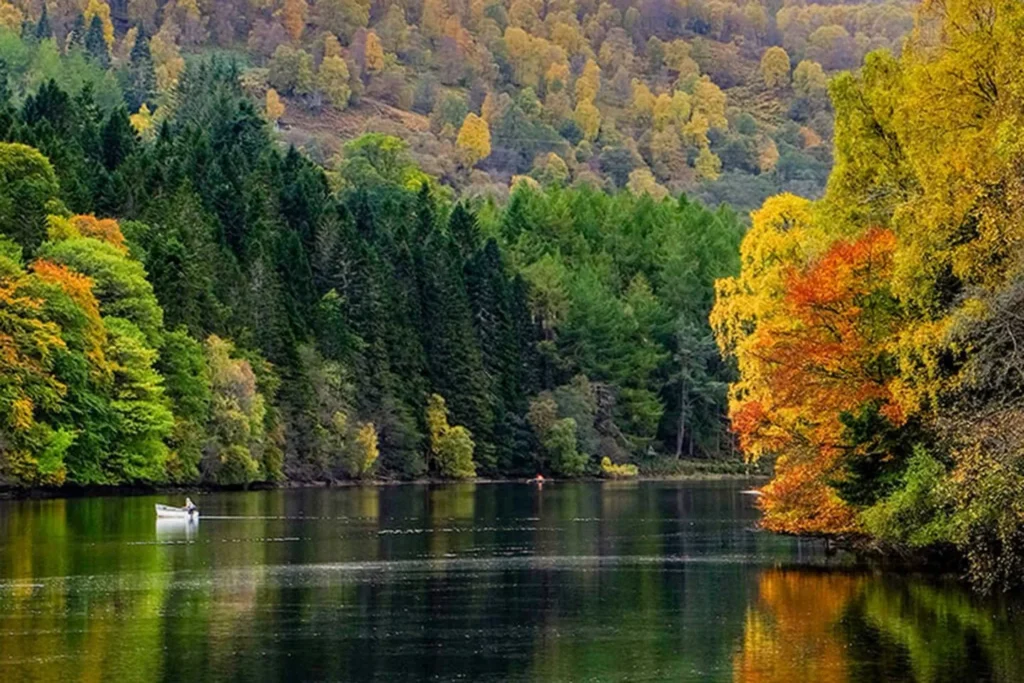
Faskally woods
It’s beautiful to drive through the Scottish landscapes and if you pay close attention you’ll see a sign for Faskally Woods. This region is great for hiking and even mountain biking, but if you’re doing the LEJOG you can stop here for a drink or lunch, depending on the day and time of course. The ponds in the forest provide a beautiful backdrop.
Cairngorms
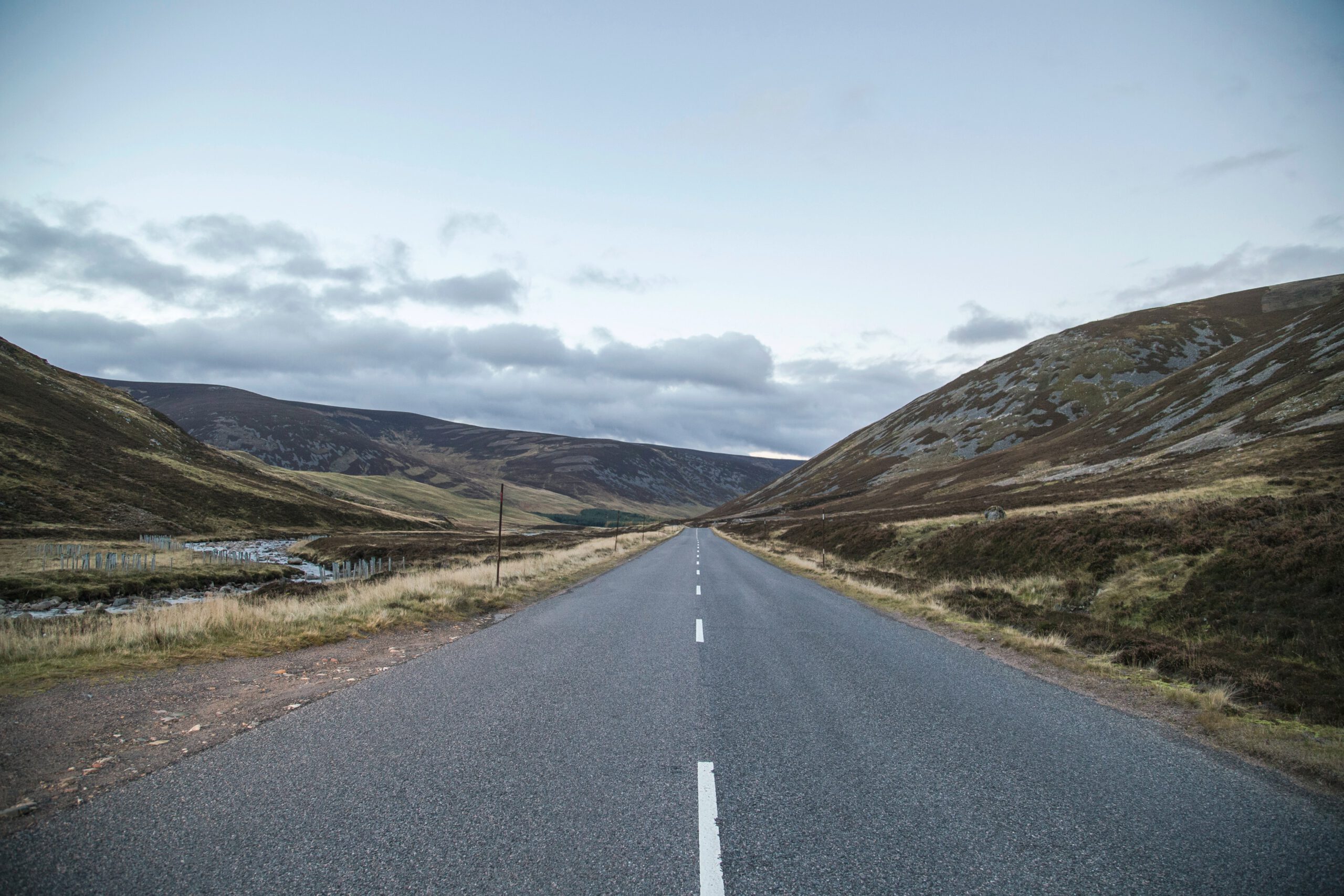
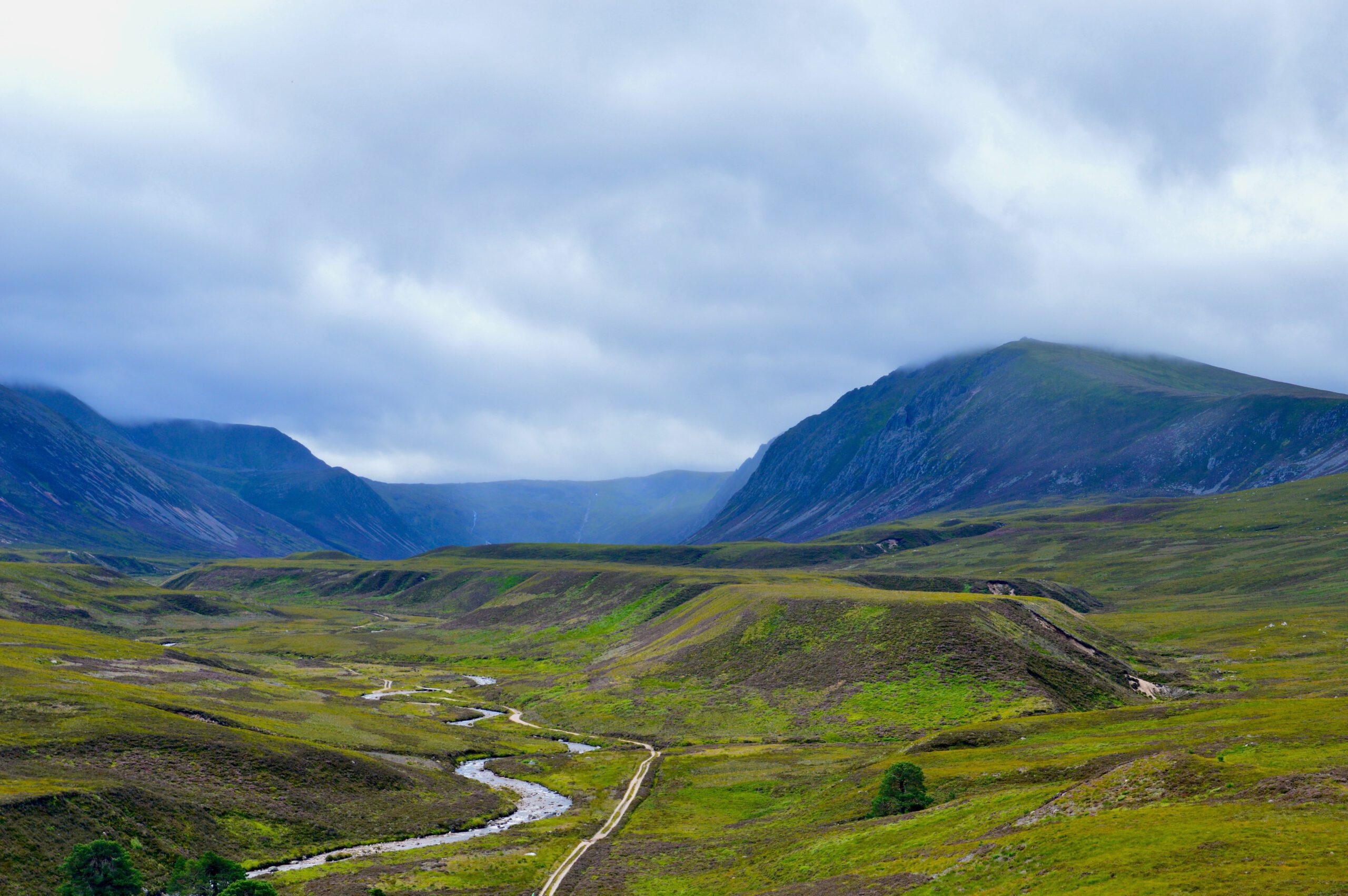
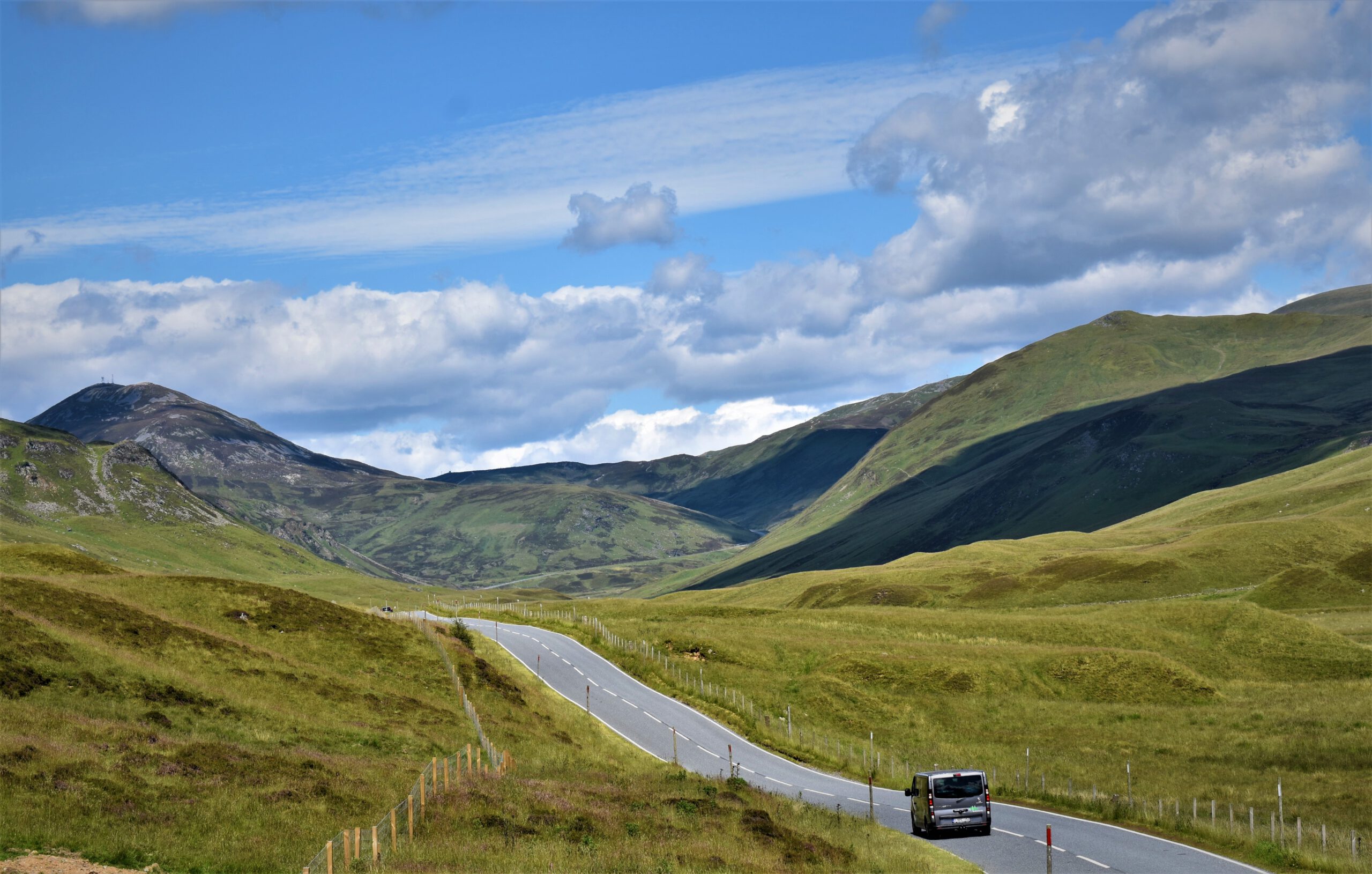
We already wrote about it at an earlier stage. CairngormScotland. This part of the British island is spectacular. For the LEJOG route, it’s difficult to cover all the highlights of this National Park. But it’s an absolute must to add at least some of them to your LEJOG route. Please note that you won’t necessarily cycle on flat terrain here and you should be aware that you’re in a remote part of Scotland. The surroundings will make any potential issues ‘go away quickly’.
Inverness – the final stretch
In Inverness you can’t get around it. You go over the water via the beautiful castle here and then you’re on the final stretch of the route. However, you still have almost 250 kilometers ahead of you. So don’t get too excited just yet. You’re now also riding through very quiet countryside, but on the road to John O’Groats you’ll encounter plenty of cafes and stops where you can chat with the locals. In Invreran and in Lairg, there are excellent examples of this. You follow the route of the EUROVELO 12 here for a long time. This ‘North Sea Cycle Route’ also runs through the Netherlands and is truly a monster ride to drive.
Loch Naver, almost there
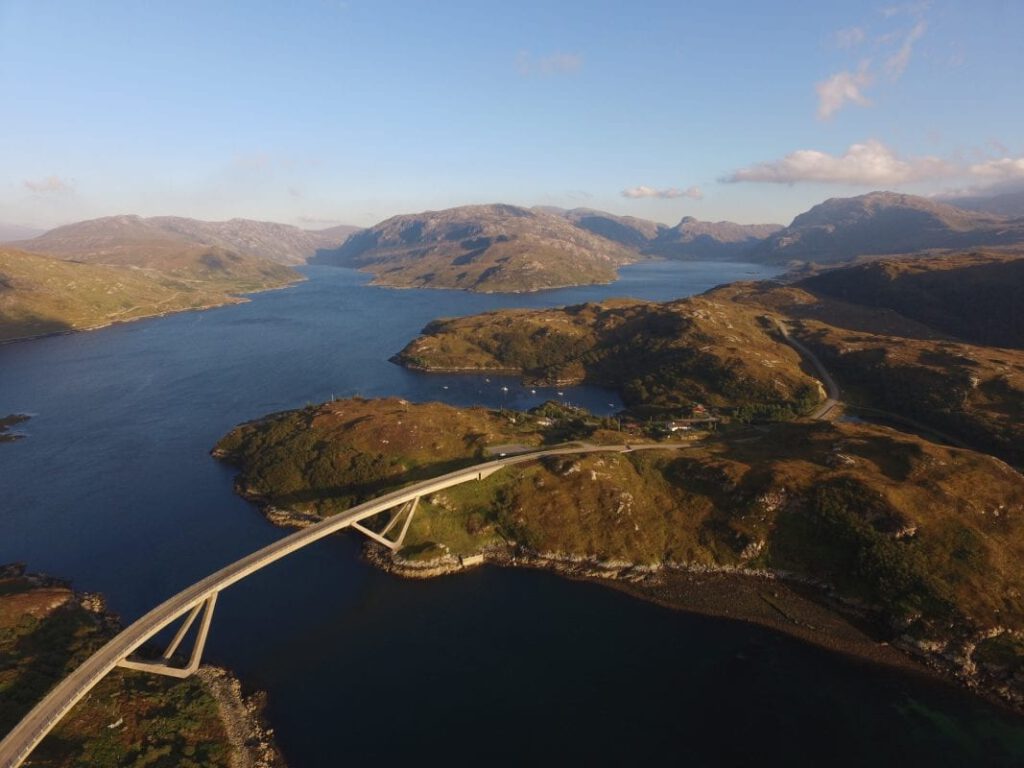
A little further on you drive along the banks of Loch Shin, a long lake in the Scottish Highlands. It’s absolutely fantastic to drive around here. At Crask Inn you can stop for a drink and a bite to eat, before continuing on up the hills and along the edge of Loch Naver. Through hamlets like Syre, Skail and Rhifail you work your way up towards the Scottish north coast. Once there, it’s a straight line to John O’Groats.
John O’Groats – The end of the world
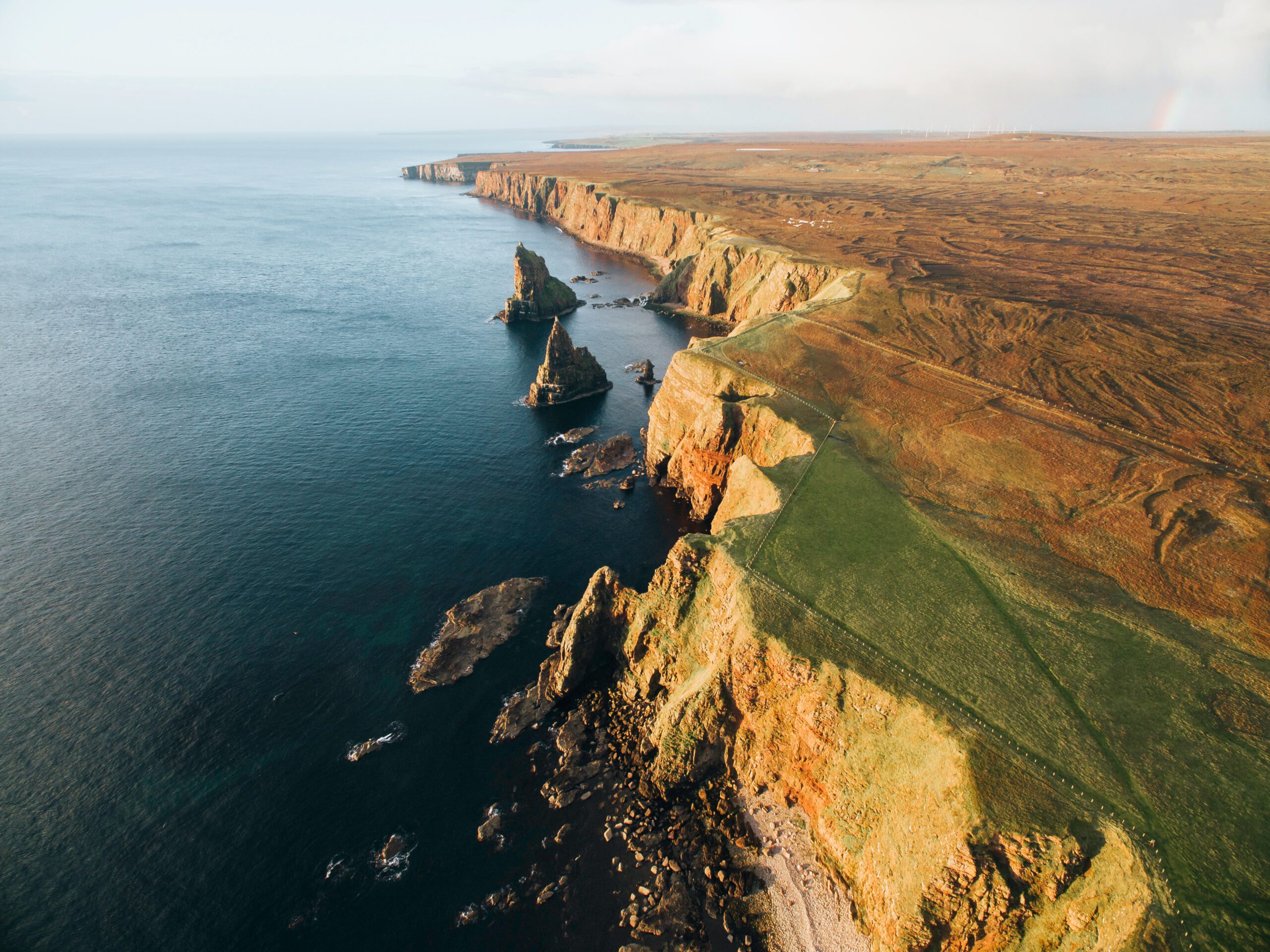
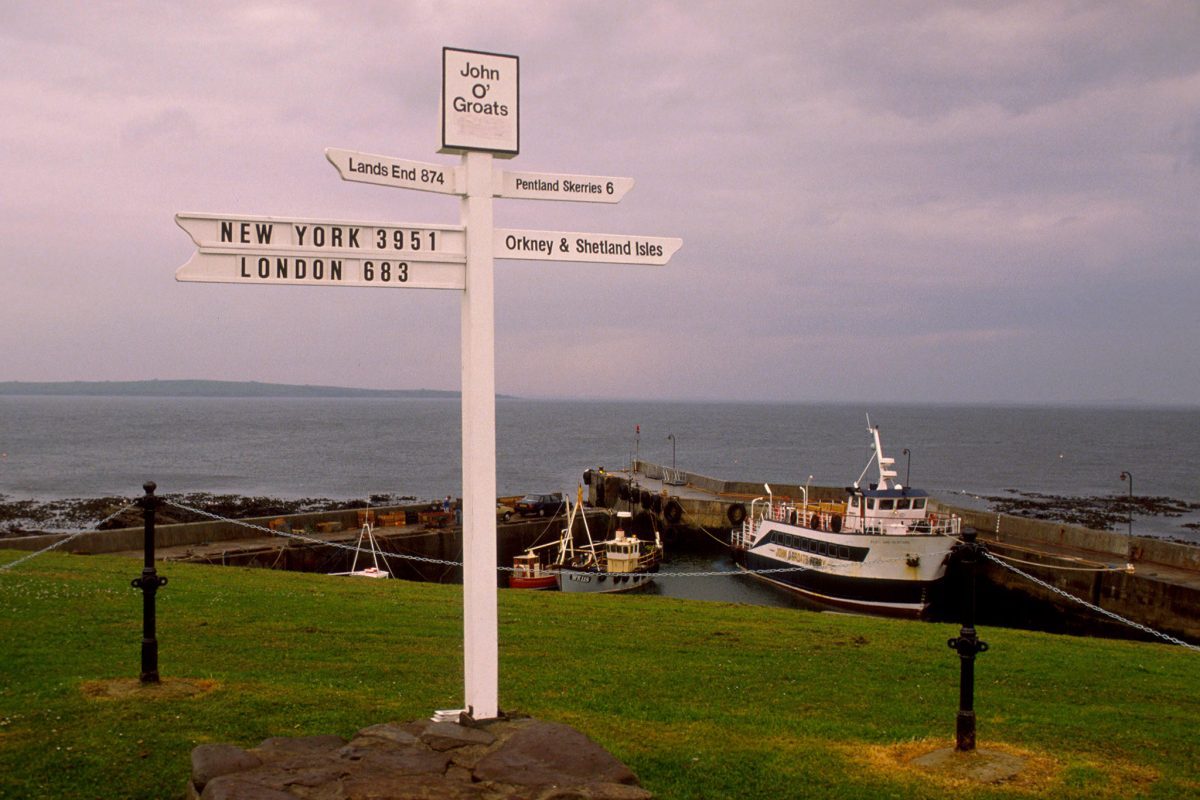
The most northern point of the ‘mainland’. John O’Groats. It’s where the journey ends. Where everyone also takes the photo with the ‘pole’. Because in fact it’s not much more than that. From here you can go further north, to the Orkney and Shetland Islands. Like you want to ride that pony then. It’s better to set up camp there and enjoy what you’ve achieved. Because on the route we took, you’ve covered 1570 kilometers and 16,000 meters of elevation gain. What a trip.
Organized or alone
Would you like to experience this incredible adventure as well? Of course, you can plan it all on your own. Keep in mind that it will take between 14 and 21 days, depending on fitness, the weather, setbacks, etc. Also include the trip to Cornwall and the return journey from Scotland in this calculation, because that’s another two to three days extra. In any case, planning this adventure is already an experience in itself. As already mentioned at the beginning, there is no one fixed route. There are several known routes.
Questions & tips
Do you have any questions about this route, or have you been there yourself? Share them here. We read everything and usually respond within a few days.