
Portugal is an underrated cycling destination. The coastline, the Douro valley, the Algarve and Alentejo and then we have the region adjacent to Galicia Not yet mentioned. Beautiful landscapes, a culinary palette that leaves you speechless, and variety from flat to climbing. In a word, stunning. In recent months, Pedro do Couto Lopes has traveled the beautiful N2 route. This route, which stretches from the mountainous north to the plains of the south, is a true delight to cycle. If you read Pedro’s report, you’ll want nothing more than to head straight to the land of Fado and port. So, on a discovery tour of Portugal by bike! Aqui vamos nos!
Text and photos: Pedro do Couto Lopes
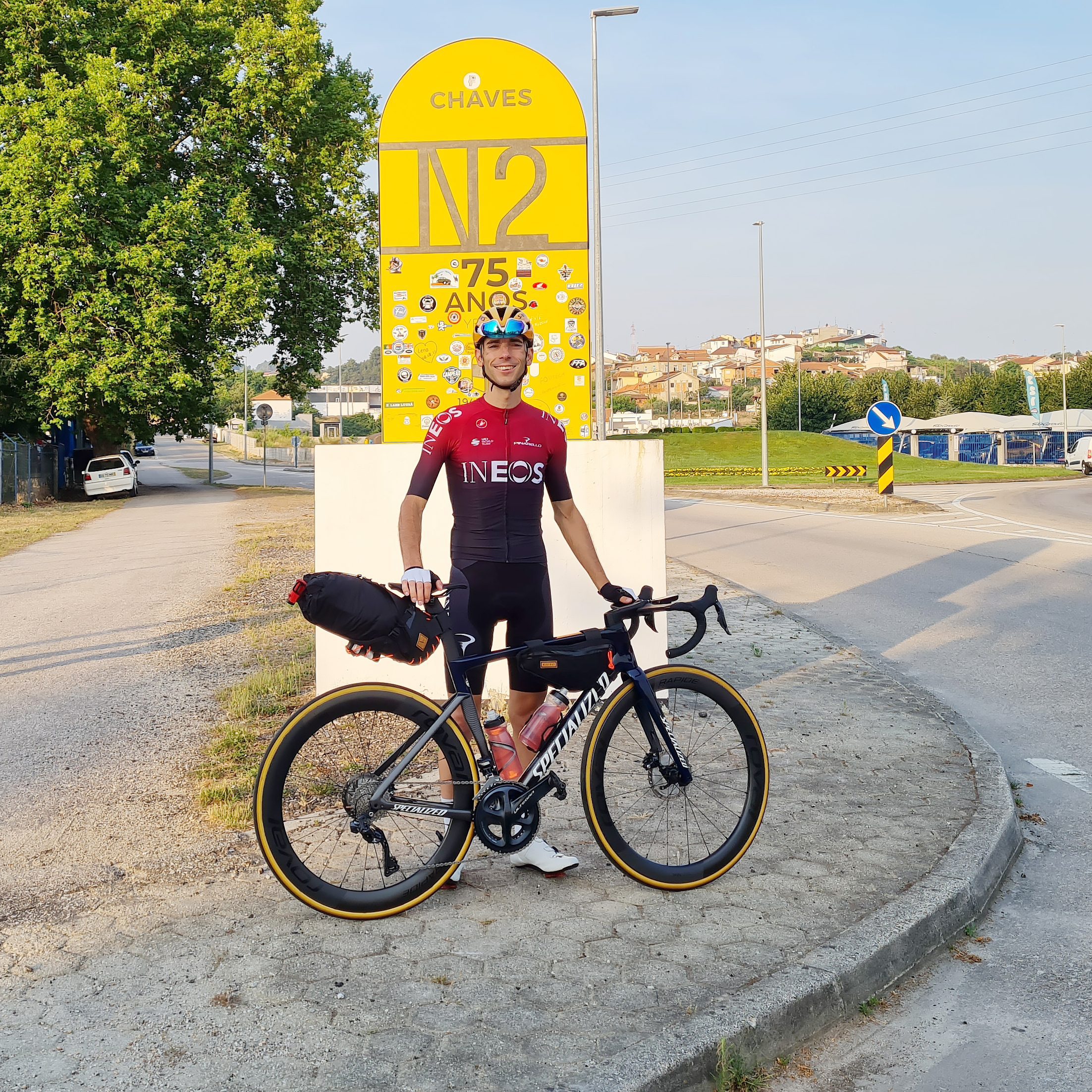
Lately I've been thinking about how I Portugal I could have gotten to know my home country better while cycling. I have always wanted to learn more about my homeland, so I took action. With a map as my guide, I started looking for the N2 route. Almost immediately, the N2 route emerged as the perfect way to challenge myself on the one hand and better understand the country where I was born on the other.
Traveling end-to-end through Portugal on the National 2 was for me the best way to discover new perspectives. Additionally, I was able to push my boundaries, meet other people, and open myself up to new experiences. It might sound like a healing experience. Maybe it was that way.
The route
The route starts close to the Spanish border in the north at Chaves (pronounced ‘Shavs’). From this starting point, the route ends in the heart of the Algarve, in Faro. If you have reached the Atlantic coast, you have covered a total of 740 kilometers. Not an easy challenge, of course, as those 740 kilometers are by no means flat. In particular, the north is mountainous and you will have to overcome some beautiful climbs here and there.
Preparation
An adventure like this needs to be well prepared for. With a fixed route, planning is easier, and that’s why I’ve spent a day preparing. My experience on the bike and a considerable number of hours watching YouTube help me along the way. That way, I know pretty much everything I would like to (or should) know about multi-day trips by bike. My preparation went well, my training was top-notch, and I felt good on the bike. The logistics were completely taken care of down to the last detail. But as you’ll see, there was still a minor setback in my preparations for my first solo adventure.
Positive news
Seven days before the start of my adventure, I tested positive for COVID. Not what I had hoped for, but with the support of my partner, I am still getting ready to start the adventure. It’s still bizarre to see that I went through two years without testing, while I was working at a school. I was never tested positive, and now I want to start an adventure that I really need a lot of power for, and I tested positive! So much physical preparation seems to suddenly fall to the wayside.
Mental challenge
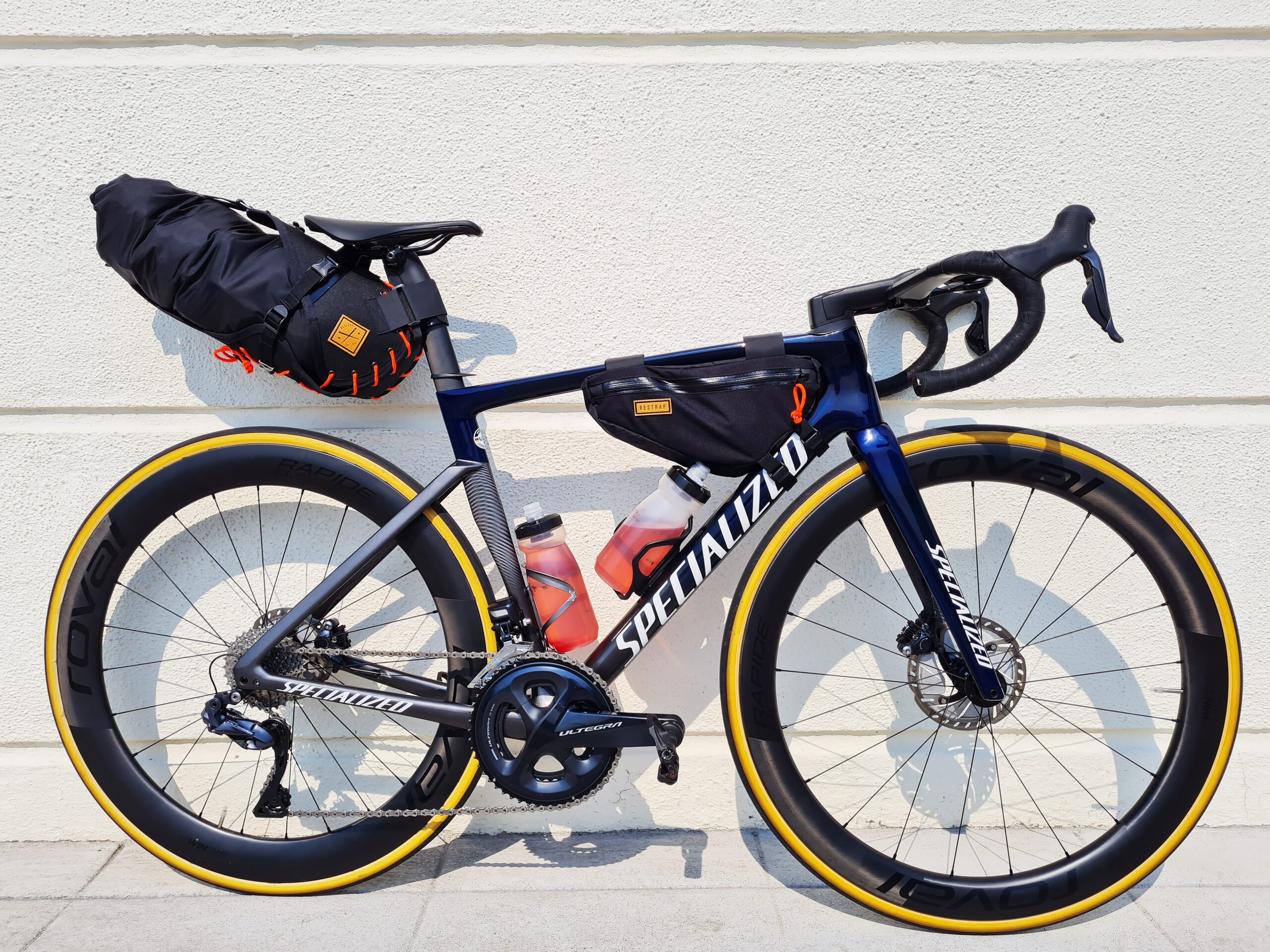
It is mainly a mental challenge at first. Will I be back in shape in time? In the end, you have to feel it for yourself, but on the 7th day of my recovery (day 1 of my trip), I actually start riding on the N2. Although a better preparation is conceivable, especially with such a long challenge, I have prepared well. Plenty of rest, plenty of paracetamol and lots of tea. You can’t do much at a time like this. Time will tell whether that is enough. To be absolutely sure, I do a short test run the day before the start, in the heat outside. The temperature shows 35 degrees. After an hour of driving, 32 kilometers on the tires and 500 meters of elevation gain, I know where I stand.
Managing the heat
After my test run and the first few kilometers, I realize what the biggest challenge is: the heat. Physically, the challenge shouldn’t be a problem, but in combination with the heat, it can become a difficult challenge. I realize that I have to split the six days into a total of 12 blocks. Every day in two blocks. That made it easier to manage. Longer blocks at the beginning of this adventure and shorter blocks at the end. Each stage also has its own challenges.
The start, finally!
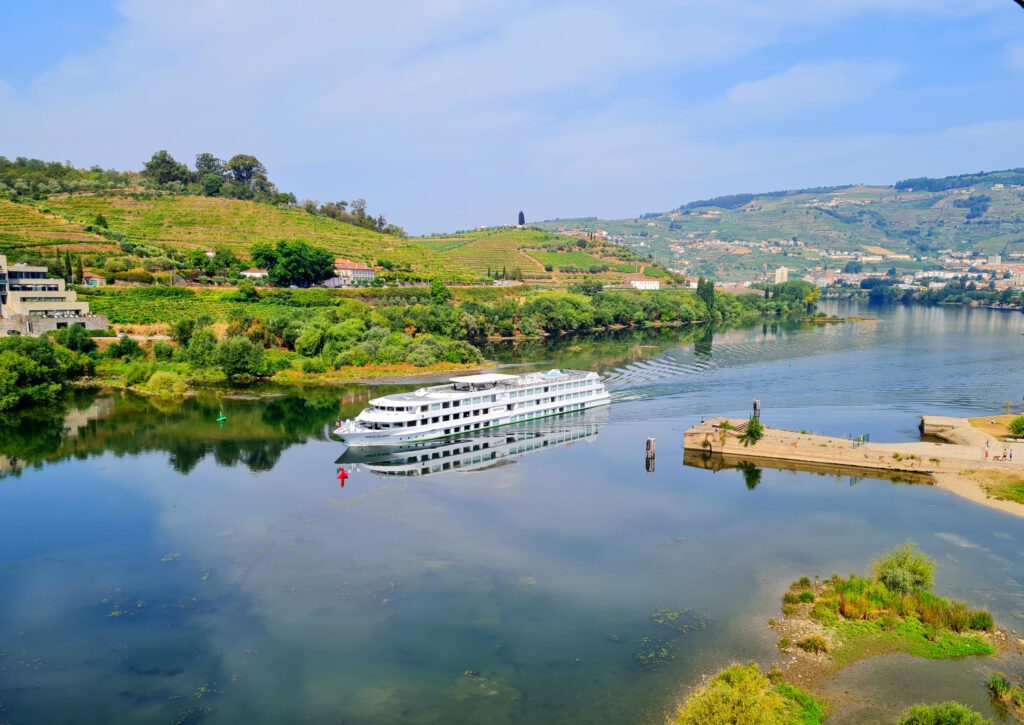
At 7:30 in the morning I finally get on the bike. My focus, stubbornness, and drive ensure that I leave anyway on the day I’ve set myself. It feels fantastic. The kilometers fly by and the first route goes by so quickly. Douro Valley A gem on the UNESCO World Heritage List. I know the routes here like the back of my hand. By the time I reach the valley, I’m pretty well cooked. Not because of the effort, but because of the temperature. My Garmin shows a temperature of 39(!) degrees and it’s only 10 a.m. The heat really is a challenge! The heat in the valley is unique, because this place has its own microclimate. Good to remember. And in case you haven’t noticed yet: the climate (and especially the heat) is the most important factor why the port tastes so delicious.
Long climb
The sun is doing its job to squeeze the energy out of my body, while I prepare for the longest climb of the route. This is 19 kilometers with an average of six percent. Now I am used to the climbs in the Douro valley, so I knew this would be a huge ‘grinder’, where I would have little rest. I think back to the first time I did a round in the valley. I got a sunburn that I would usually have. It also gave me some reserve to go back. The Douro valley and the heatwave is something in my head.
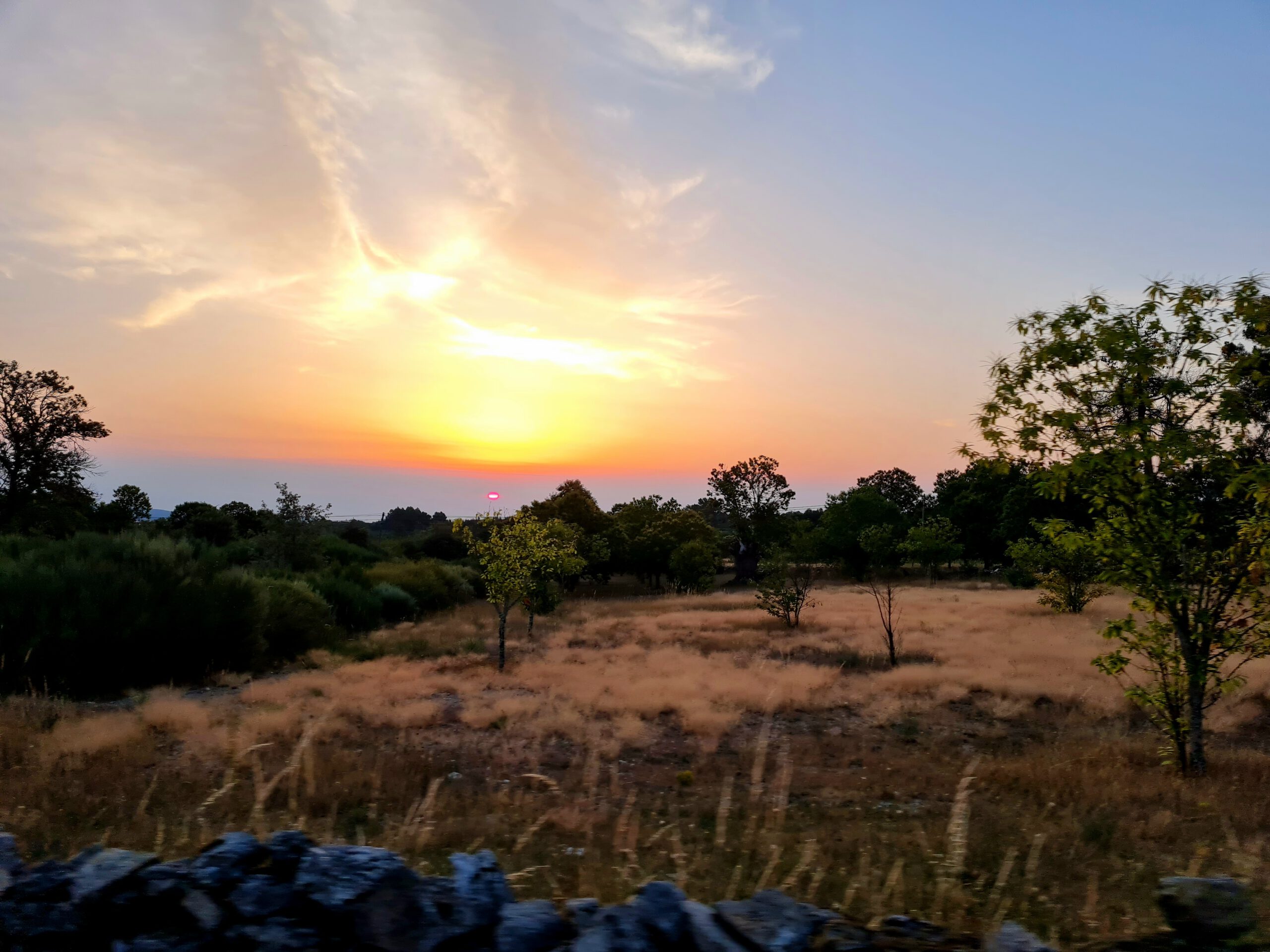
During the climb, I stop at the halfway point to refill my water and to buy some salt because I’m sweating quite a bit. That helps me get over a dead end for a moment. Mentally it’s tough, but I know that it’s only 25 kilometers after reaching the top. Not easy kilometers, for sure. Again, that mental challenge and the fear of a sunburn.
A little bit of meditation and a little bit of peace of mind ensure that I have enough motivation to tackle the last stretch. I drive the last 25 kilometers without being completely drained and arrive in Castro Daire with a euphoric feeling. I have succeeded. Despite the circumstances and everything that comes with it. I have covered 130 kilometers and almost 2000 meters of elevation gain. What a delight. I can’t wait to see what the next few days bring me.
PAKLJIST
Are you going on an adventure yourself? Then be sure to check out our basic packing list, which will ensure you are always well-equipped and fully prepared for your trip. You can find the basic packing list here here! Just like many other tips, e.g. about how to deal with the sun.
Cycling in Portugal: looking for the sun!
When I look outside, I see that the sun is disappearing more and more behind the clouds. It is also getting darker earlier and lighter later. Autumn is approaching fast. At such a moment, I would love to travel directly to warmer places. Where you can still cycle. We already wrote about this in a previous post. number of tips for a fun autumn trip. I myself am always a fan of fietseiland Mallorca, But there are so many other beautiful places. How about the Canary Islands? Or (southern) Italy? That would be nice too. But today we choose to cycle in Portugal.
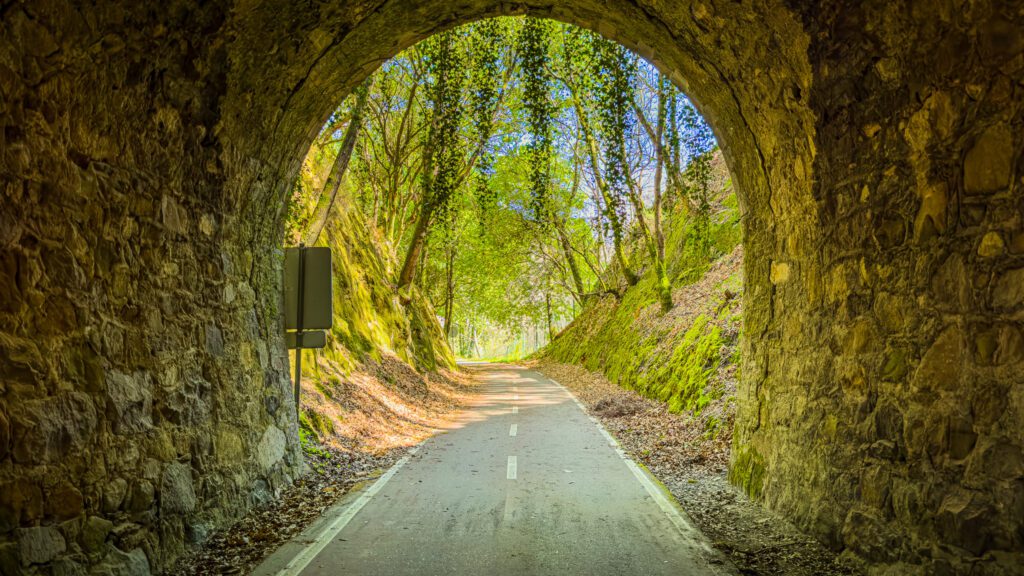
Cycling in Portugal
Cycling in Portugal is really ‘underrated’, if it’s up to us. Incidentally, just like Greece, But we’ll get to that in another article back on track. Portugal has some beautiful cycling areas, which also often come to the fore in the Tour of Portugal. Around the city of Porto (close to Galicia And Asturias) is enough to experience, especially if you want to go to the mountains. It’s also very green. That means that it rains quite a lot there. That’s exactly what you don’t want on your autumn trip in the sun. For that, you need to head more southwards. The regions of Alentejo and Algarve are the most famous. With good infrastructure, views, routes along the sea and some hills/mountains, it’s a great place to stay. Here are some great tips!
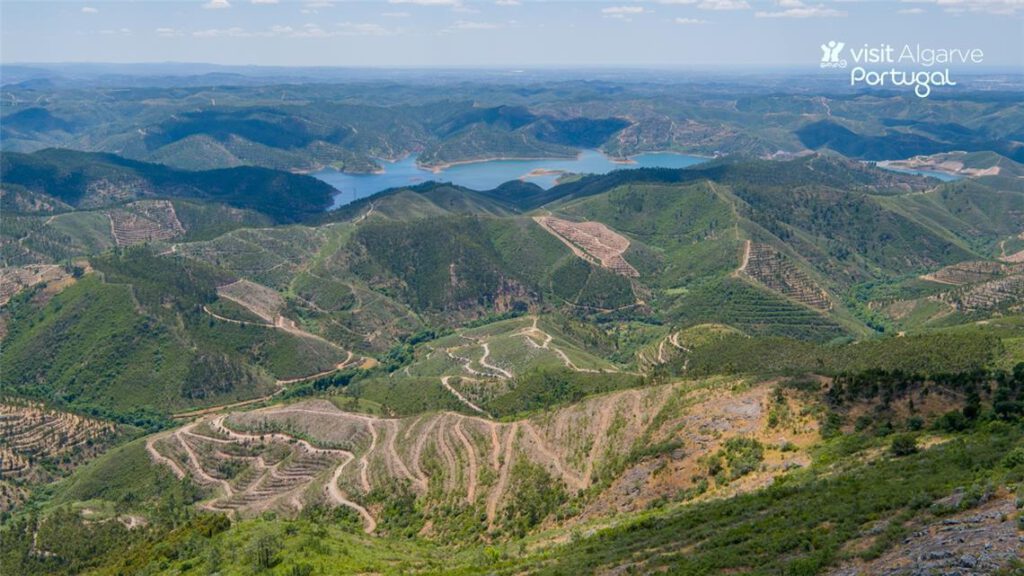
Algarve
The Algarve has been popular with Dutch tourists for years who want to escape the cold in the autumn and still get some sunshine. Even into the winter, it’s a great place to visit, with temperatures staying in the double digits. Ideal for cycling. And there’s plenty of opportunity to do that here. Fly into Faro and head towards the villages around it. Tavira, Monte Gordo, all great places for the hills and mountains heading north. For example, from Tavira, you’ll see a beautiful panorama of the hills as you head towards the top of the Tabuas. Stunning views, who wouldn’t want that? The highest hill here is a few hundred meters high. So enjoy it. Another nice thing is that you can drive along the river on this side of the Algarve (at least, not all the way, but you can see it) and on the other side of the river is Andalusia. Two in one!
Offroad
You also have plenty of opportunities here to go off-road. Mountain biking has been popular in this region for decades, but with the popularity of gravel, you can easily find an alternative to the paved road. North of Santo Estevao, a small hamlet, you’ll find beautiful nature with well-maintained trails, perfect for the gravel bike.
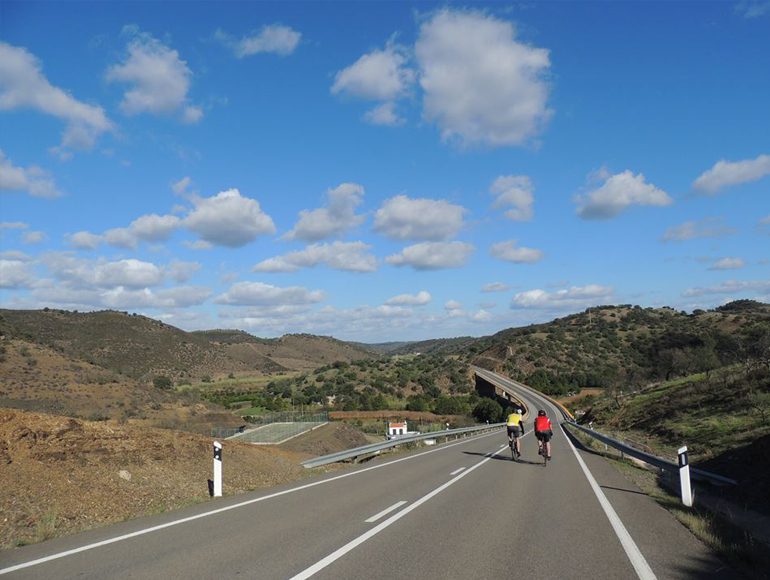
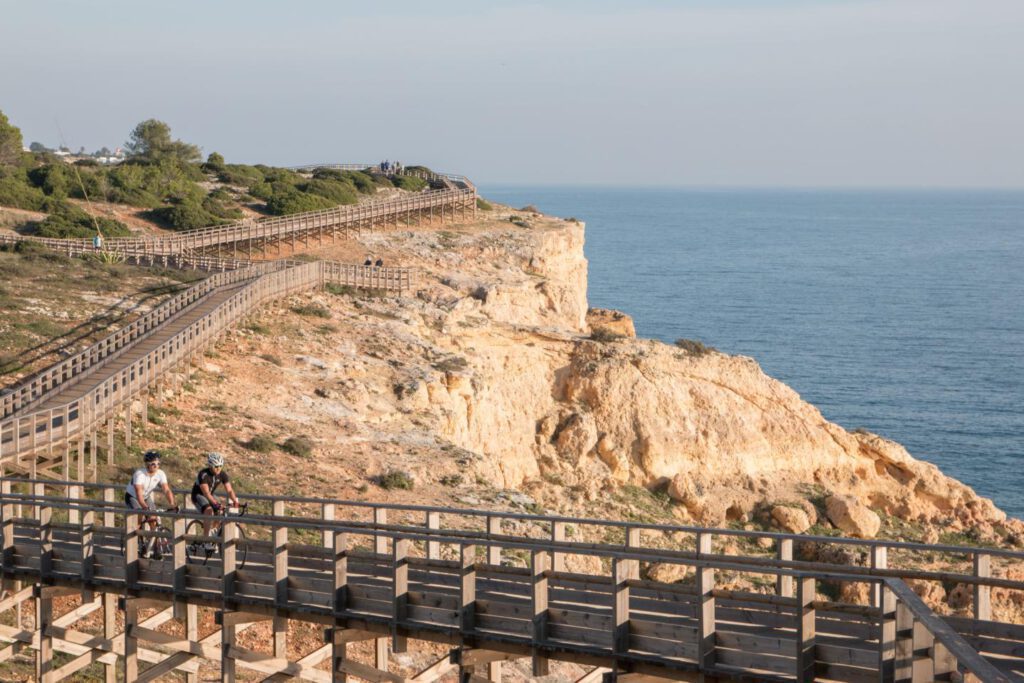
You can also choose to stay west of Faro. The area around Portimao and Albufeira is a bit less attractive in terms of views. High-rise buildings, focused on mass tourism in the summer. Further west, near Sagres, there is a beautiful nature park where you drive through the hills along the sea. Start at the Sao Vicente lighthouse and drive up towards Lagos. Then up and back along the other coast. 100 kilometers of pure enjoyment, with only 1000 meters of elevation gain.

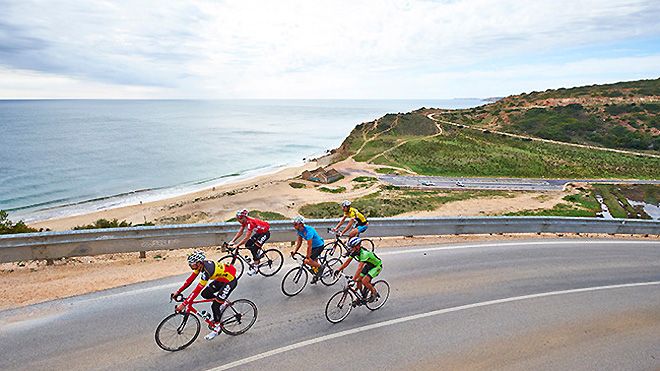
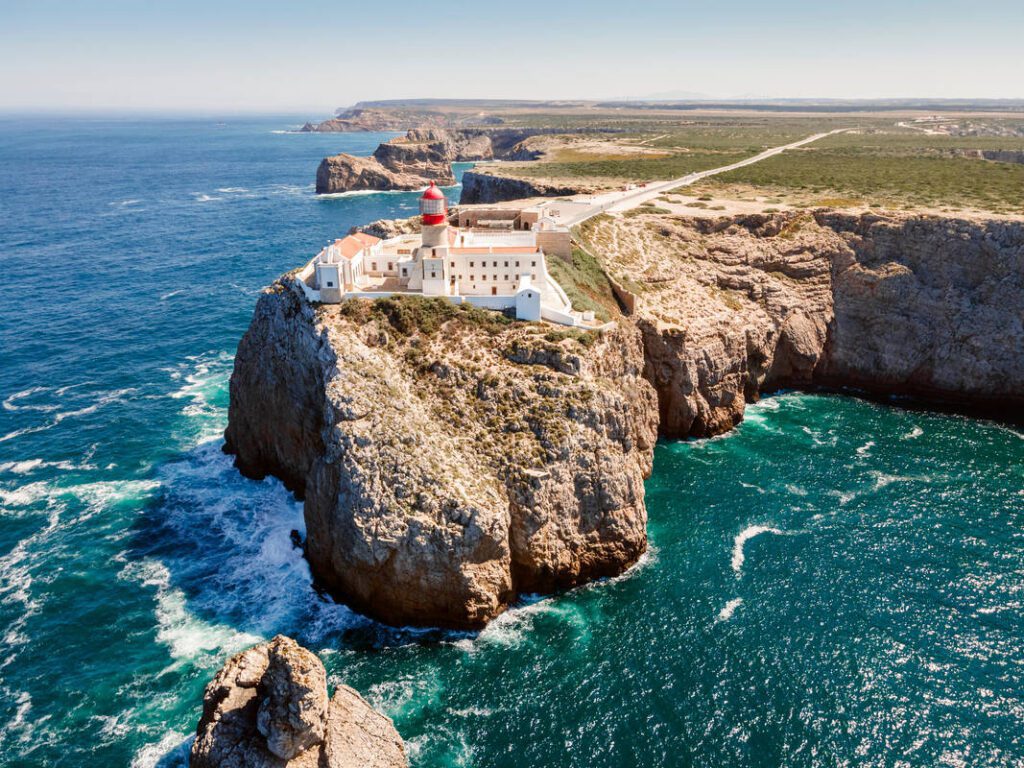
Even in the hinterland, near Monchique, it is beautiful to ride both on the race and gravel bikes. You encounter climbs here with percentages that are as low as 15%. That is quite a different experience than meandering along the beaches. There is plenty to enjoy in the Algarve. From beaches and sea, to hills and lakes. The best time to cycle in Portugal is from September to May. In the summer months, avoid it like the plague! It is too crowded and too hot.
Alentejo
North of the Algarve begins a large area known as Alentejo. It is actually a conglomeration of different regions. The southernmost part of the Alentejo (which actually means over the Tagus) lies just above the Algarve (the actual district of Faro). This is the district of Beja. In addition, the districts of Setubal and Evora also belong to this region. It is truly a huge area with a diversity of cycling opportunities. The Alentejo is also known for its wine production (and also the cork).
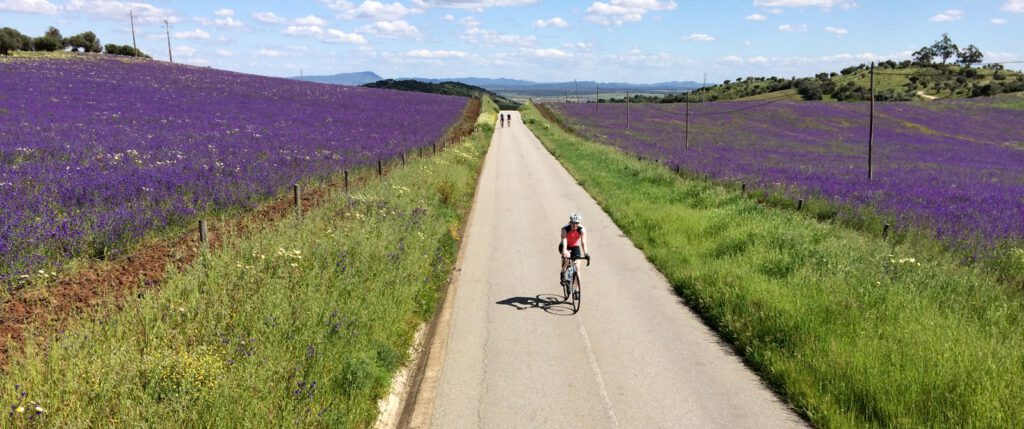
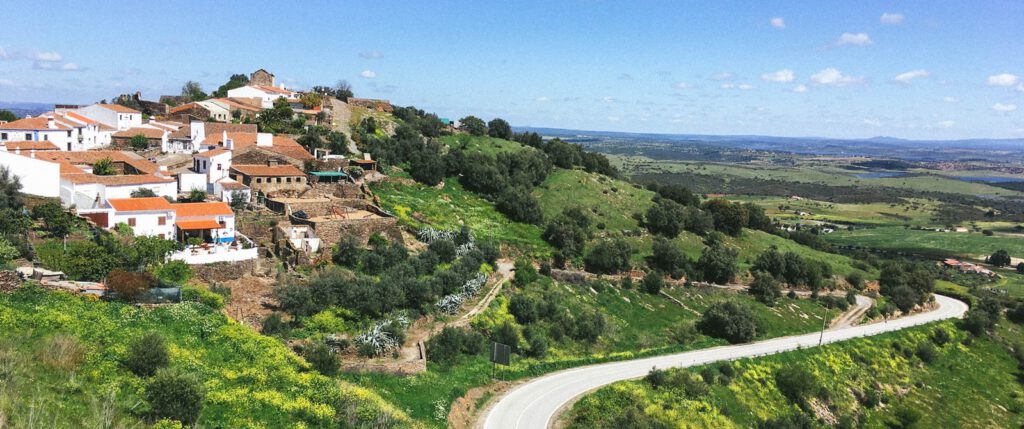
The wine region of Alentejo is characterized by rolling hills, interspersed with stretches of flat land and here and there a steep climb. In terms of nature, you will find many routes through the vineyards. Absolutely stunning. This northern part of the region is perfect for driving if you are a beginner cyclist or if you have already cycled for a few kilometers. Another advantage: the Alentejo is very sparsely populated. As a result, the roads are often very quiet. Great for cycling!
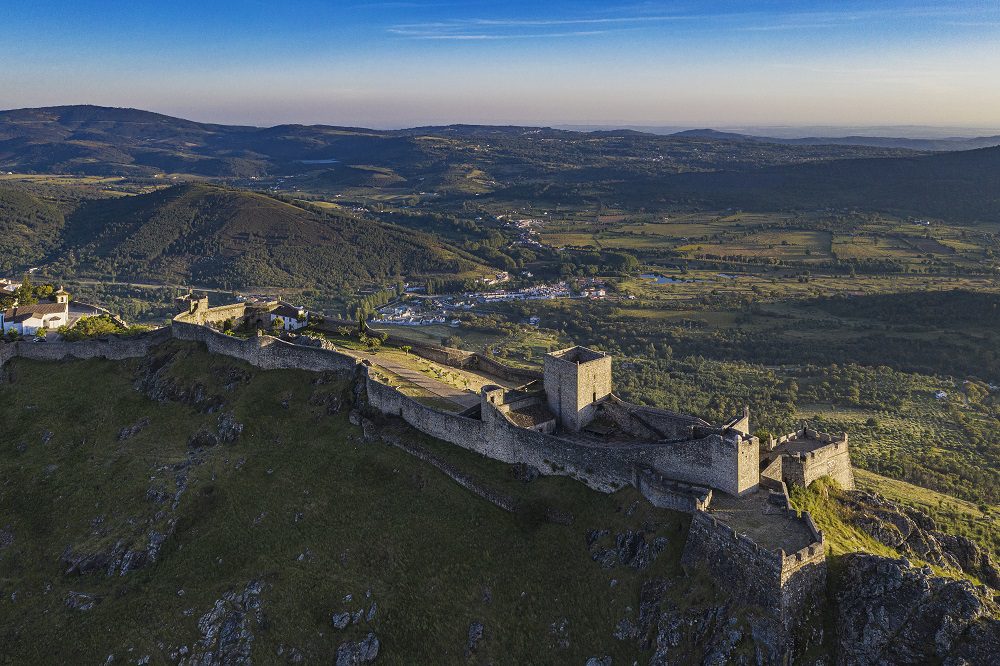
No matter how you plan the route, make sure you pass by Marvão. There you will find the Parque Nacional de Serre de São Mamede. There you will find truly beautiful villages like Castelo de Vide, little paths amidst olive and cork trees. It can be quite treacherous up here.
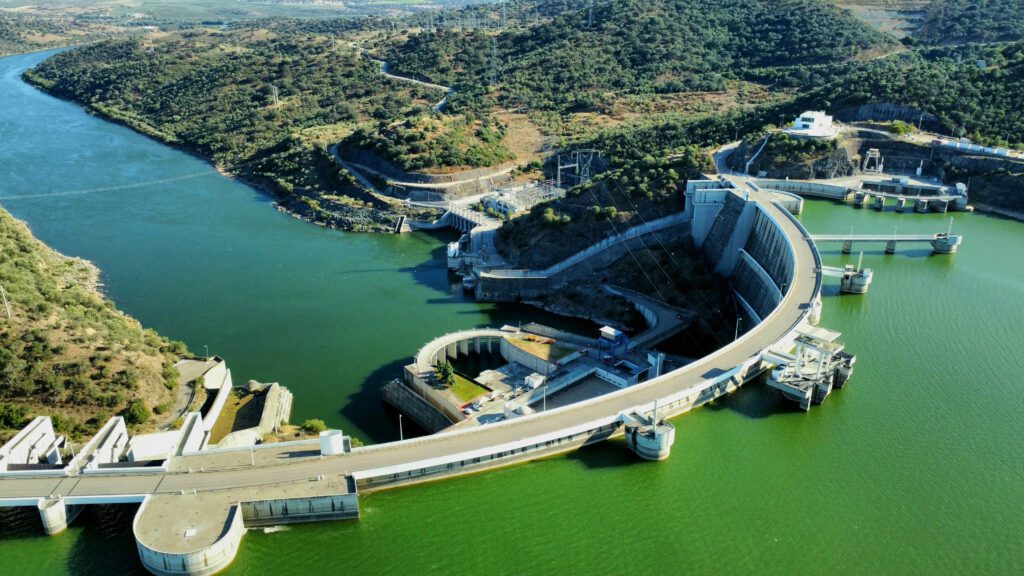
Further south you will also find the Alqueva Lake. This is the largest dam lake in Europe and you could choose to take a tour around the lake. Especially above 100km. and Évora, the capital of the region and UNESCO World Heritage Site.
PARK NATURAL OF THE SOUTH-EAST ALENTEJO
In the south of the Alentejo, the national park is a place you really shouldn’t miss. Beautiful cliffs, beaches, and views. This area is also a great place to combine with a trip to the Algarve. From Aljezur, you can easily follow the coastline without having to drive up and down every time. You can eventually drive all the way back up towards Lisbon, with a nice stopover in Sines.
If you want to learn more about cycling in Portugal, check out the websites of VisitPortugal.pt or check out one of the local providers.
15 Tips to start cycling in Portugal
While Spain, France and Italy often receive the most attention, Portugal, with its diverse landscapes, rich cultural heritage and favorable climate, is the underachiever. Unfairly so, because Portugal is a paradise for road cyclists and gravel riders alike! We have previously written about the beautiful coastline of the Algarve, We also spoke about the vineyards of the Douro Valley. Don’t forget the challenging climbs of the Serra da Estrela either. In short: Portugal offers an unforgettable cycling experience. If you’re still undecided about a trip to this Southern European gem: here are 15 tips for cycling in this beautiful country.
1. Choose the Right Season
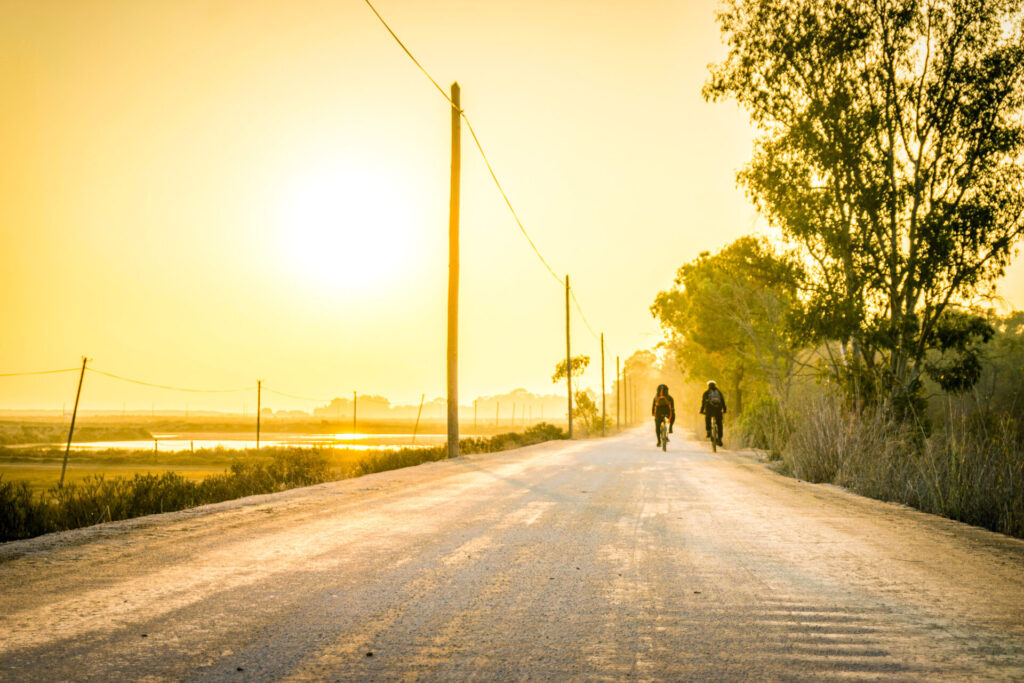
With current climate change, choosing the right season is one of the most important tips. The best times to go cycling in Portugal are spring (March to June) and autumn (September to November). These periods offer mild temperatures, fewer tourists, and you get to enjoy the natural beauty of the landscapes in full bloom or the warm hues of autumn. Even in winter, the Algarve is still recommended, although you should be prepared for a chilly morning.
2. Helm on! Check the local rules
Portugal has specific rules for cyclists, such as the mandatory use of helmets on country roads and on the routes between the different cities. In any case, it’s good to ‘crazy rules It’s worth considering in other countries as well, but this one is really important. As experienced cyclists, we would definitely recommend wearing a helmet anyway, but that goes without saying.
3. Embrace the Climbs
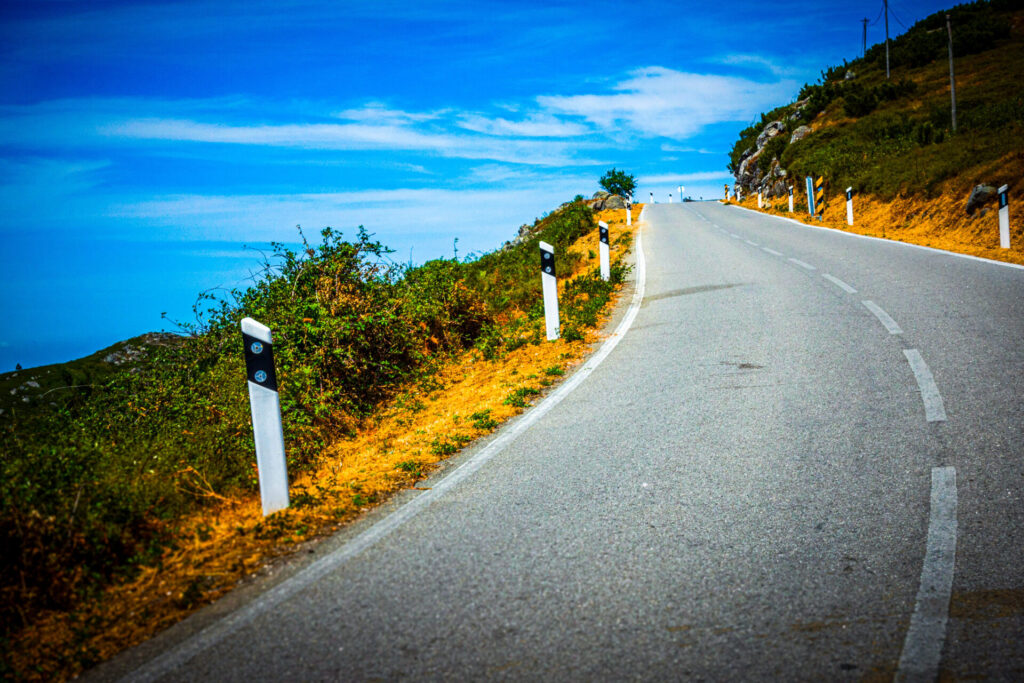
Portugal might not be so well known for its mountainous regions. We mostly see the beaches in the many travel guides. However, be prepared for challenging climbs, especially in the north and central parts of the country. Pedro Couto Lopes wrote about it once in his book "The Great Mountain Journey". N2 test. So you'll have to bring the good legs along.
4. Stay Hydrated and Protected
Although the low season does not bring with it those high temperatures, the Portuguese sun can be intense, even outside the summer months. Because Portugal is also relatively sparsely populated, you should always have plenty of water with you. Also due to its location closer to the equator, SMEREN is very important. Check out our tips for cycling on a hot day!
5. Take enough essentials in
Our Basic packing list for a cycling holiday This is a good guide for the items to bring along. But because Portugal is less densely populated and you might end up in the ‘middle of nowhere’ during a longer adventure, it is really important to bring the ‘essentials’. Always make sure you have at least two inner tubes and a pump/co2 cartridge. Also always keep in mind the weather that can change. Plus: bring a camera, for the beautiful pictures!
6. Use GPS and Physical Maps
We are definitely not fans of physical maps. Komoot and Wahoo are our friends. Still, in Portugal you may encounter poor signal. Especially if you are navigating on the phone. Digital navigation is the default, but having a physical map as a backup is a lifesaver in remote areas where the signal can be weak.
7. Learn Important Portuguese Phrases
Although many young people now speak good English, learning a few local expressions is not a luxury. We think that you should always learn a few expressions or words anyway. After all, how nice would it be if a tourist in the Netherlands or Belgium could say something nice like ‘good morning’ or ‘thank you’? So ‘obregado’ is a good start.
8. Wrapping climbers' legs
If you are going for a multi-day adventure, you might want to use Komoot’s premium option. This will present you with logical stages. Especially in Portugal, this is not an unnecessary luxury, as the terrain varies considerably from region to region. Research and plan your routes according to your fitness level and preferred cycling style. So keep in mind that many routes may include unpaved terrain.
9. Explore Lesser-Known Routes
Although popular routes like the Algarve coast are breathtaking, we also want to remind you of the Rota Vicentina. There is a non-profit organization behind it, which has created a whole network of hiking trails, but recently has also started offering a gravel variant! For more information about this network of trails, ‘off the beaten track’, you can find it on the website of Rota Vicentina
10. Enjoy the Local Cuisine
You simply must not miss Portugal’s culinary delights. Of course, a Pastel de Nata is the go-to snack with a delicious cup of coffee. But the ‘bacalhau’ is also not to be missed. But what about a real ‘Arroz de Pato’ or grilled sardines? After all, you’re in a country with an enormous coastline, where fishermen do their best to bring the tastiest swimmers to your plate.
11. Stay in Bike-Friendly Accommodations
Throughout Europe you will find hotels, apartments, campsites and other accommodations suitable for cyclists. There are a number of labels in circulation, such as Biroto in Portugal (the site is temporarily unavailable). Also via Pedal Portugal You'll find a lot of information here. Via Cycling-Friendly you can also find accommodation in Portugal. If you really want luxury, you can also check if it's available in Portugal. Martinhal Family Resort in Sagres (Algarve) there is something for you.
12. Respect the Environment
This is a no-brainer. Portugal is largely still unspoiled, although the south coast is already somewhat cluttered with buildings. But just keep it that way. You’re cycling for yourself and aren’t riding in a peloton where things are being picked up. Put papers in your back pocket, throw it in the trash, and don’t leave any bandanas/co2 cartridges after use. Also ride on the designated trails or if allowed, enjoy the nature.
13. Join Local Bike Groups
For a shared experience, consider joining local bike groups or events. Think of Port Cycling For example. It’s a great way to meet fellow cyclists and learn more about hidden gems.
14. Prepare for emergencies
This is an EMERGENCY! No joke, but having a basic first aid kit can’t be an unnecessary luxury. As mentioned earlier: Portugal is sparsely populated and it’s not like the Netherlands or Belgium. So carry an emergency kit with you and familiarize yourself with the emergency numbers in Portugal. Make sure your phone is charged and if not, bring a powerbank included for long rides.
15. Embrace the Portuguese Culture
Finally, immerse yourself in the culture. Visit historical sites, chat with locals, and enjoy the relaxed Portuguese lifestyle that makes cycling here so special.

Questions & tips
Do you have any questions about this route, or have you been there yourself? Share them here. We read everything and usually respond within a few days.