

It's winter. It's raining and it's cold in the Netherlands. In other parts of the world you can still enjoy the spring sunshine. In fact, the southern hemisphere simply has summer. Think of Patagonia or enjoying the sun in the 2025 World Cup destination. Rwanda. For a cycling holiday, there is plenty of choice even in winter. A well-known and accessible destination is Tenerife. This island off the coast of Morocco is especially popular with sporty cyclists and professional teams. Our own Annemieke van Vleuten regularly goes on high-altitude tours to this island. El Teide, the highest mountain and biggest challenge, also has something magical about it. In that respect, winter is the ideal time to visit. Tenerife Much more than El Teide.
Volcanic Island
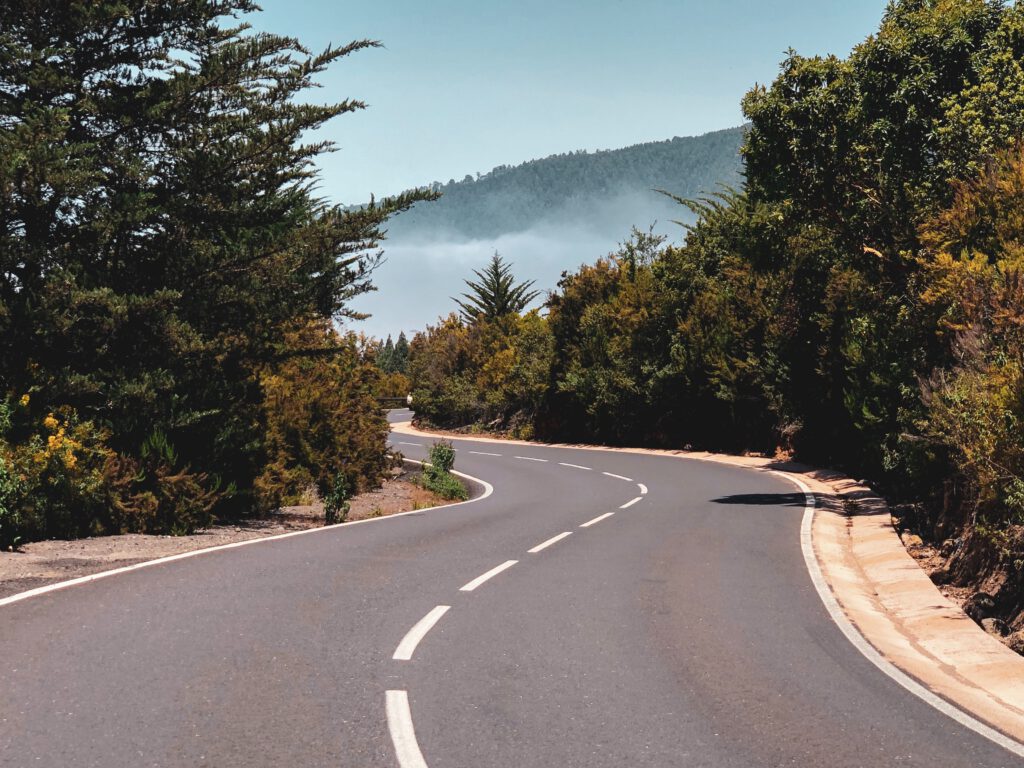
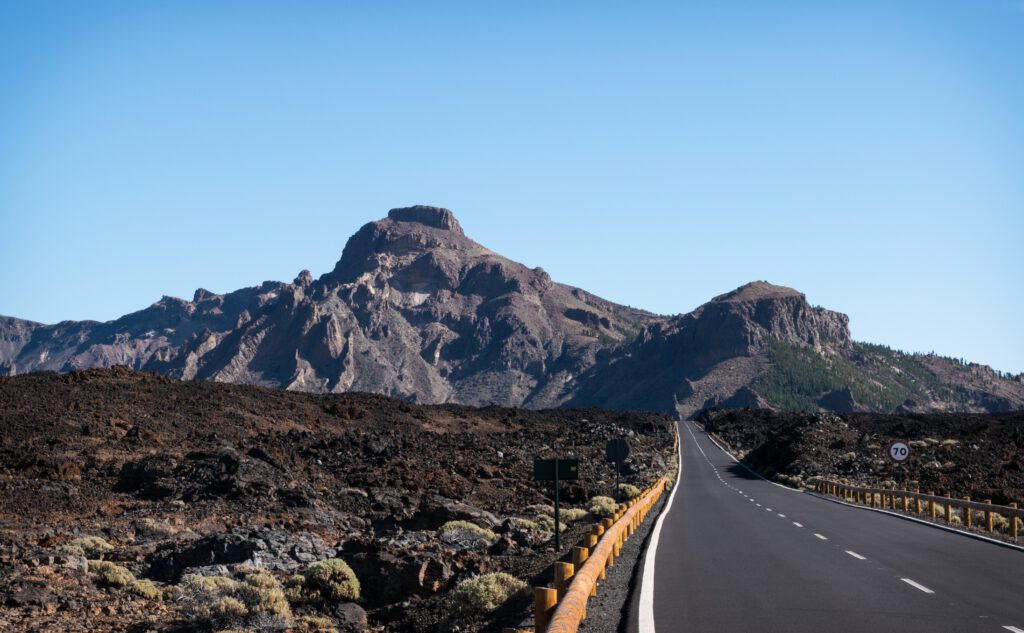
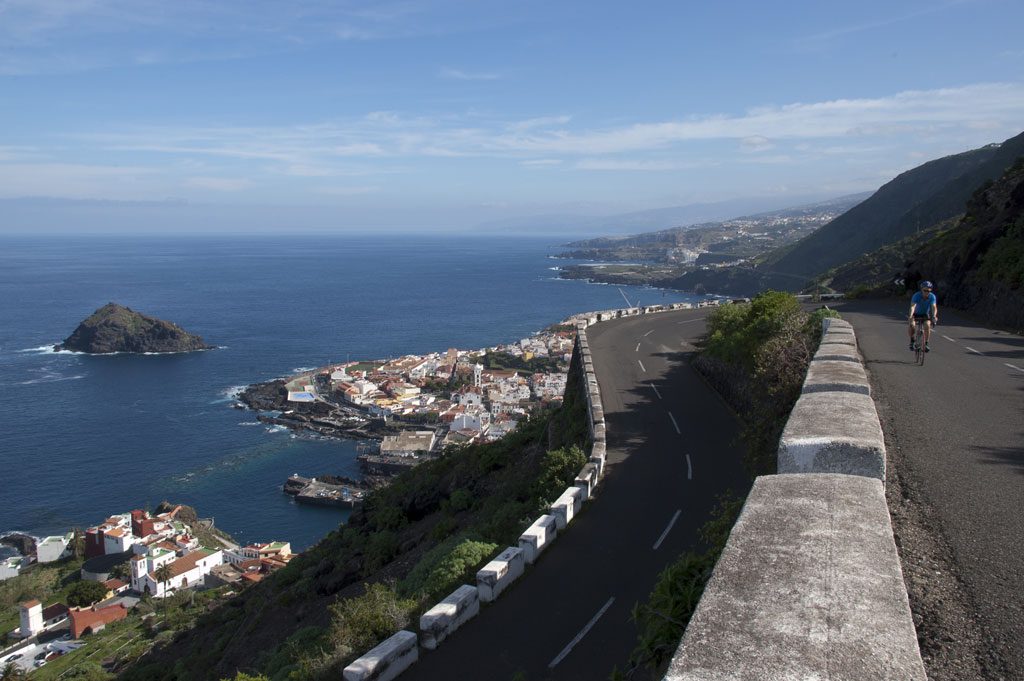
Tenerife is an island that is especially popular with cyclists because of the opportunity to climb El Teide, the volcano. You simply cannot miss it, this giant. At over 3700 meters, this is Spain’s highest mountain, although you won’t reach the summit by bike very quickly. That is at just over 2300 meters. It is wonderfully sunny here in the summer, but be aware that it can also snow here in winter. The climate on the island is different from that on other islands. Perhaps it is also because of the volcano that Tenerife has different microclimates. In general, the north is somewhat wetter and colder and the south is somewhat sunnier. The landscape therefore differs significantly. Especially in the south it is somewhat more flat and barren, and in the north it is greener.
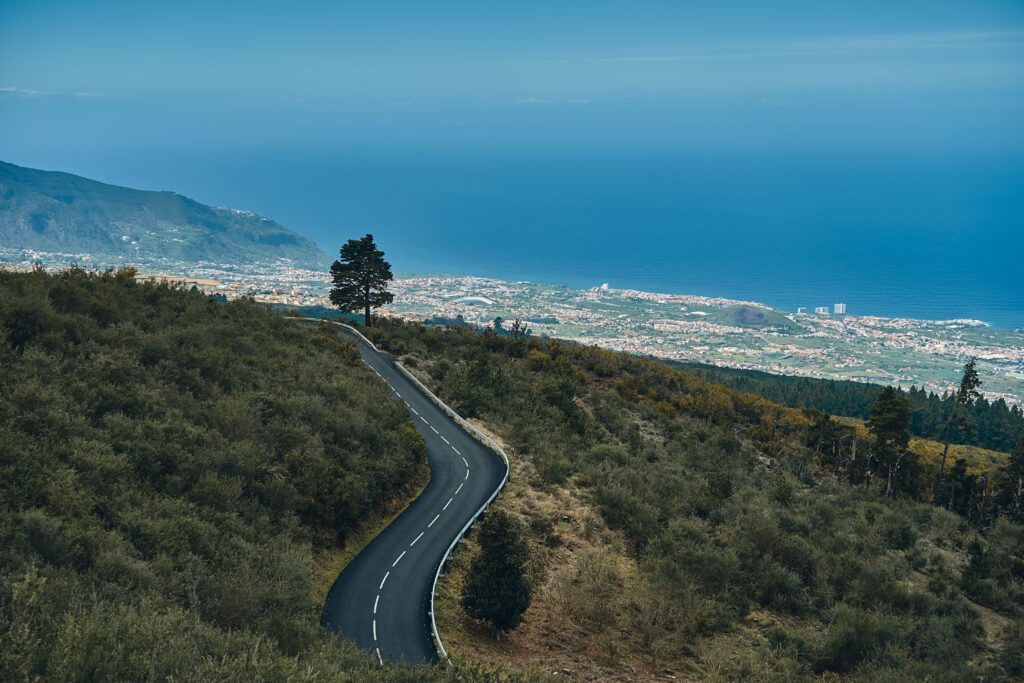
Basecamp Costa Adeje
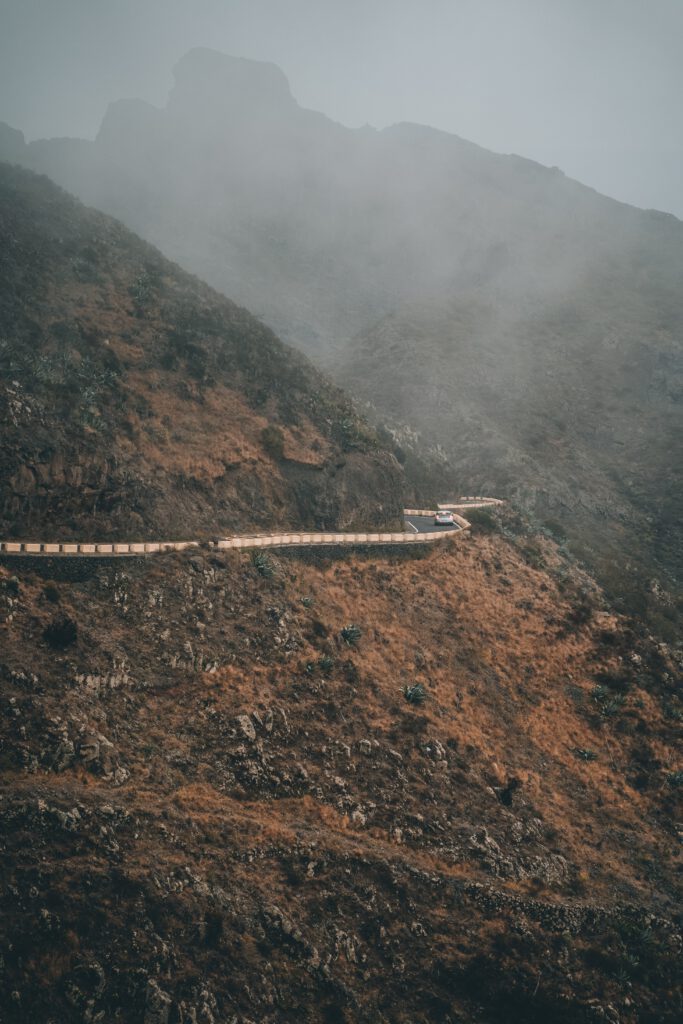
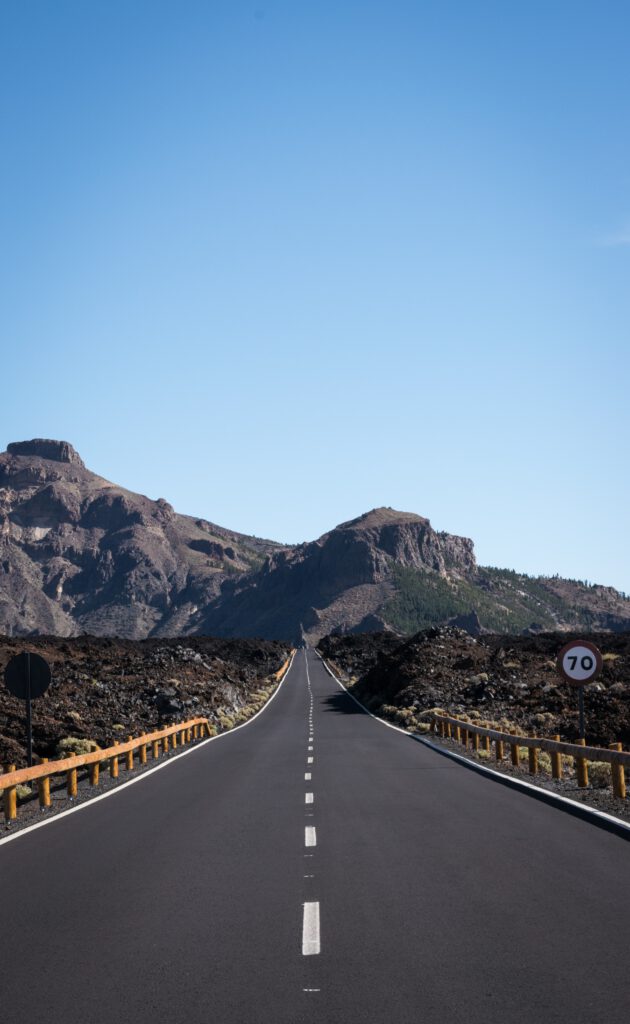
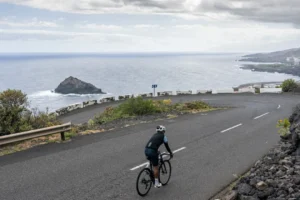
On the southern coast, the town of Costa Adeje is a great base for several routes around the island. This coastal town is relatively close to the airport (Aeropuerto del Sur). Especially in winter, it is better to stay in the south. In the summer, it gets very crowded with beachgoers. A spot in the quieter north might be better then. But Costa Adeje has many options. You can of course climb El Teide, but you can also take several routes around El Roque, the Carretera General, and along the southern coast. However, keep in mind: Tenerife is actually not flat for a long time. The motto is: climb, climb, climb. Or you have to keep going back and forth along the coast, but even then you will still add up a lot of altitude.
El Teide
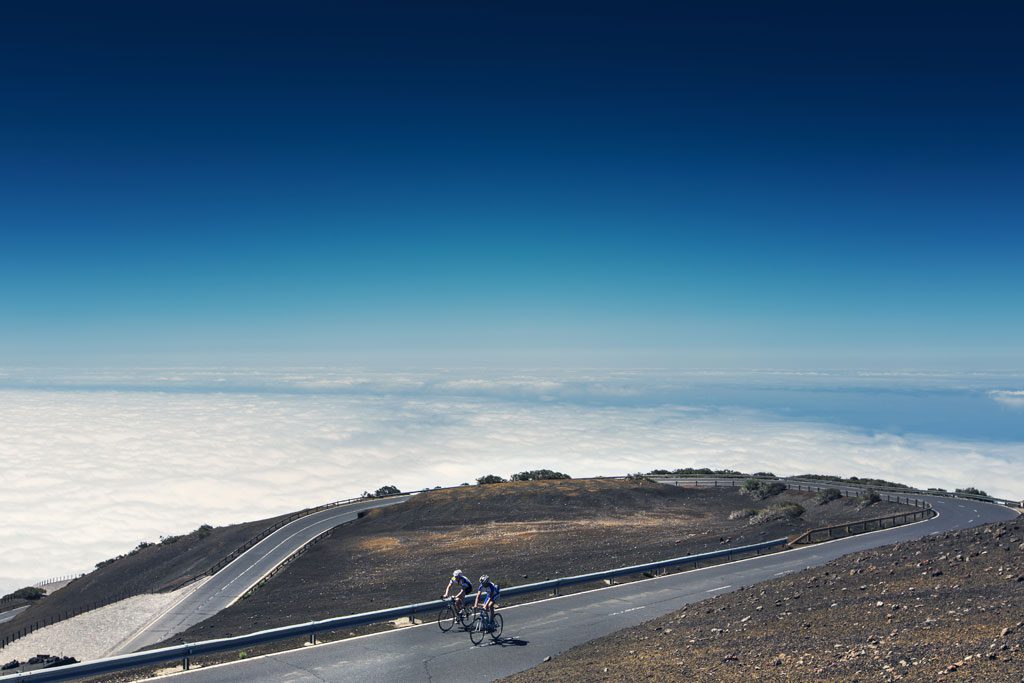
The climb from Costa Adeje to the top of El Teide is one to tell about on your birthday. Because you are climbing for over 30 kilometers. You gain more than 2000 meters in over 30 kilometers. That is a great climb and you can easily spend a day there. If you go all the way to the top, you are already 45 kilometers away and you have over 2500 meters to climb. Pros like to stay at this volcano. It has been dormant since 1909 (the last eruption) and there is a hotel, El Parador, that is ideally located at altitude.
Great Gravel too
That Tenerife is an amazing cycling destination is obvious. But that you can also ride fantastic gravel roads is no miracle with such a volcanic landscape. You can follow the Granguanche route, at least the part that runs across Tenerife. If you follow the route, you will ride across the island and over the volcano between Los Cristianos and Santa Cruz. With 170 kilometers and 4600 meters of elevation gain on gravel roads, this is no walk in the park. That it produces amazing visuals was evident from things like Erwin Sikkens during the ‘Audax’ variant.
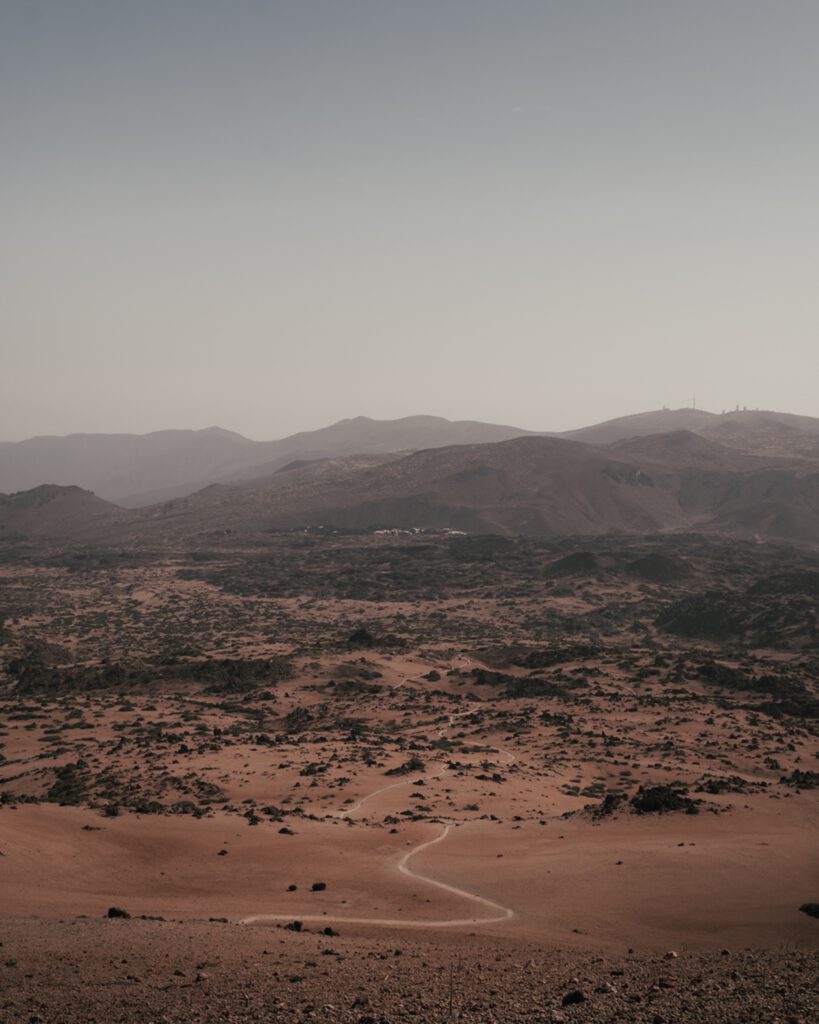
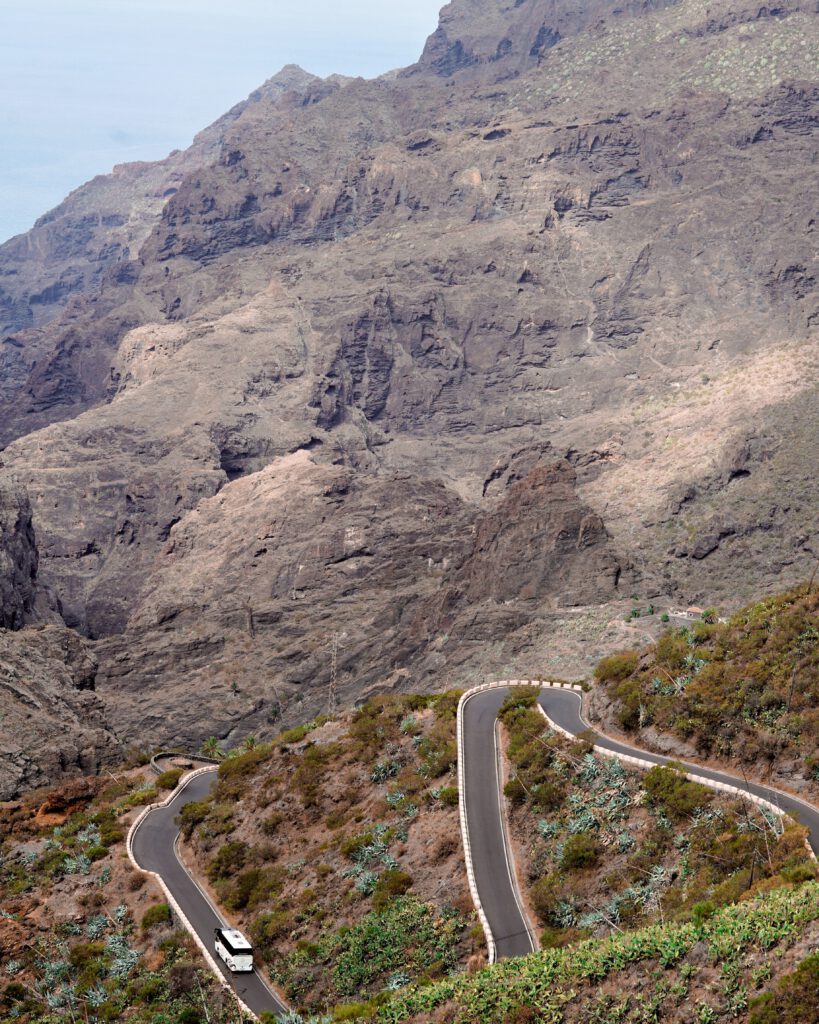
The number of cycling options only get bigger with a gravel bike. Read also our tips: Everything you want to know about bikepacking
ROUTES
For routes check our KOMOOT account. For more tips and tricks go to the website of Tenerife. There are more than enough hotels, guest houses and bike rental companies on the island to arrange your own adventure to the smallest detail.
Questions & tips
Do you have any questions about this route, or have you been there yourself? Share them here. We read everything and usually respond within a few days.