
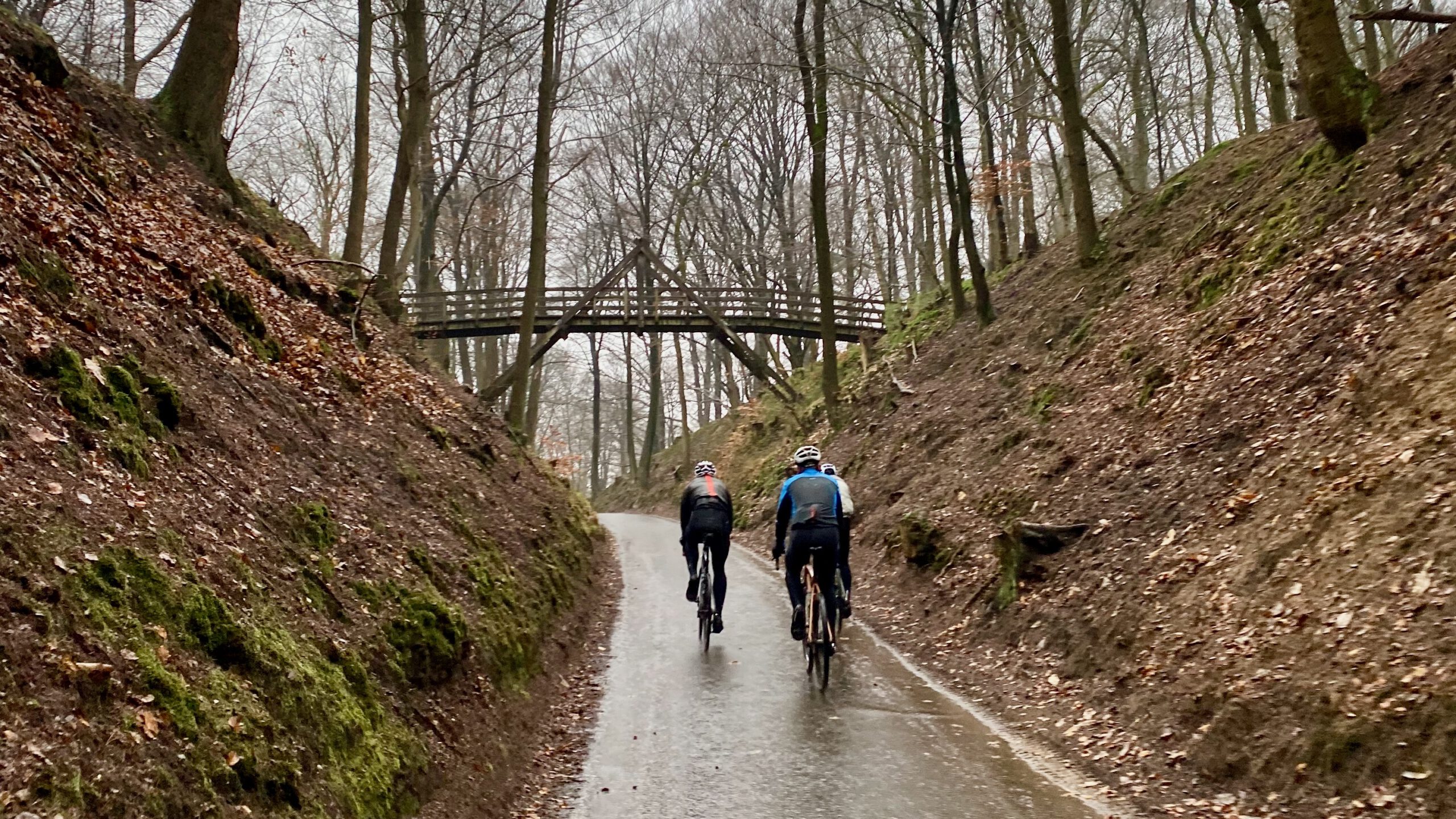
Rain is a part of cycling in the Low Countries. You can't avoid it, so you better make sure you have the right gear. rainwear It is in order. With the right cycling rain gear A downpour doesn't ruin the game, but it's just part of your ride. Good rainproof cycling clothing keeps you warm, dry and in the saddle, exactly what you need to ride outside even on wet days. Whether you see it as a matter of choosing wisely or as the well-known “HTFU rule”, with the best rainwear for the bike You will never have to stay inside again. After reading this article, you will know exactly what you need, namely
- What should I pay attention to when purchase of rain cycling clothing?
- What can I do (and when)?
- What are other handy things? tips?
Okay, here we go, take advantage of it! Do you have any other handy tips yourself? Let us know in the comments. We’re working on a ‘top-down’ approach, so we’ll start with the head!
Cap
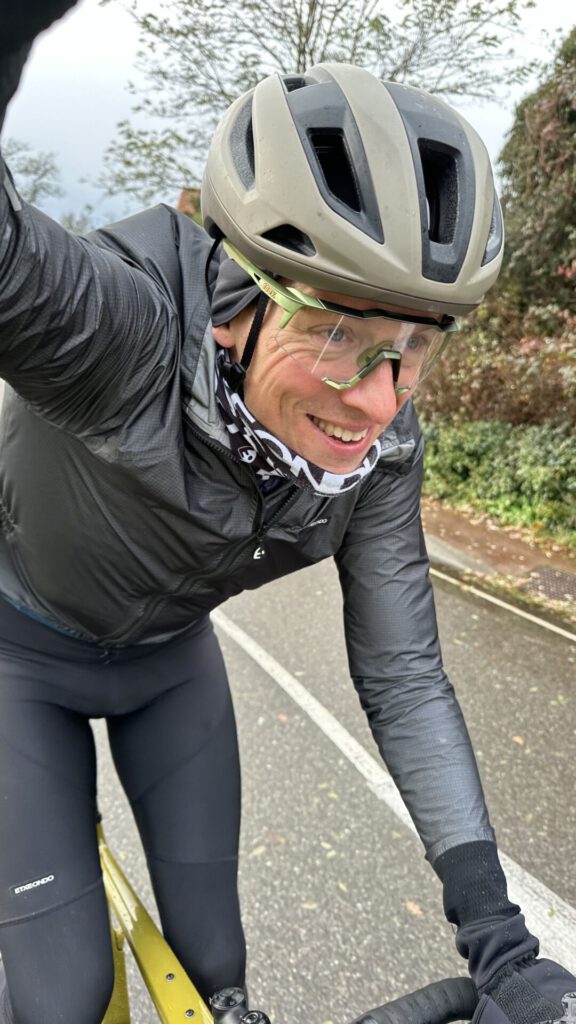
A good helmet remains the foundation, especially when you’re riding in wet weather. A model with a closed shell helps a lot against rain. Just remember that any extra protection counts if you take your ride seriously. Helmets that you can open or close, like those from Sweet Protection or the ABUS Gamechanger, They provide that little extra comfort during rides in rainy weather.
In addition, wear something under your helmet. A cap with a flap keeps rain out of your face and fits perfectly with functional rainproof cycling clothing. It also retains heat, which you can use well during autumn and winter storms. Because the temperature often drops quickly as soon as it starts raining, every layer is welcome. This way, smart insulation cycling rain gear Your ride is much more comfortable. Even in the heaviest storms.
Underwear
When it rains, you really don’t want your clothes to get wet. This might sound a bit strange, after all it’s raining. But wet clothes make your body work harder to keep you warm. That’s why you want your clothes, and especially your shirt and undershirt, to stay dry. But of course, you don’t want to get sweaty and wear a non-breathable garbage bag either. So, how do you solve that?
Waterproof or waterproof?
Perhaps it would be a good idea to first zoom in on the concepts. water-repellent en waterproof. The degree of water resistance is measured using the water column. What is that? This is a kind of tube with a diameter of one inch. The tube is placed on the material and then water is poured into it. Then they check when the material leaks and at what amount of water that is. With a water column of 3,000 mm, the material only ‘permeates’ when 3 meters of water are contained. In the overview below you can see the water columns and the water tightness. Remember this! Rainproof cycling clothing often has an indication of the water tightness that you can derive from this table.
| 0 mm | Not waterproof |
| 0 – 1,000 mm | Water-repellent, but not waterproof |
| 1,000 mm – 5,000 mm | Waterproof in the rain, but not if there are puddles or holes. It leaks when sitting or when you lean against something wet. |
| 5,000 mm – 15,000 mm | Fully waterproof in the rain and can withstand a lot of pressure. If you stay in a wet place for a long time, it will leak through. This is something to keep in mind when riding a bike. |
| 15,000 mm – 30,000 mm | Completely waterproof, even under the most extreme pressure. Even when it goes underwater, you still have some water resistance initially. |
| More than 30,000 mm | Solid, non-porous. Will never leak |
Breathe in, breathe out
Besides water resistance, breathability is also important. As mentioned, a garbage bag protects against rain, but that’s about it. So if you have a breathable rain suit, that’s great. The best material is GORE-TEX, but that does come with a price tag. Our clothing partner Etxeondo has the URA- GORE TEX, This guarantees you’ll stay dry. The price is, however, commensurate: €299 for a top-of-the-line rain jacket. If you don’t have a good-breathable rain jacket, it might be wise to only wear a vest. This way, your upper body will still stay dry and the heat/sweat can escape through the arm openings. You see this in light rain too, when everyone wears a vest instead of a jacket.

Gloves
Gloves are nice, but also check if they are water-resistant or waterproof. Once wet, they are useless and just make you feel colder (because they take heat away from your body). If the temperature is very low, you can’t do without them, but look for real waterproof models. Otherwise, you might as well give up. (see rule 5: Harden the F*** up)
Underwear
Trousers
This is always a tricky one. Because especially in the winter, a long pants is nice and warm, but when it rains hard, the pants suck up the water and you get really cold at some point. So if it rains hard and it's below 5 degrees, you have to wear a pants with water-repellent fabric. There are some pants like that, but they're not very widely available.
Etxeondo has, among other things, the Exo Hydro for men and the IXA hydro for women. The well-known Italian brand Sportful has also been offering a ‘no rain’ collection for years. In my experience, it is water-repellent, but over time it also starts to leak. For an hour or so, it is fine, but in a downpour you really have to bring the old-fashioned rain suit along. The Dutch brand AGU also has a long trousers that is water-repellent/waterproof.
If the temperatures are a bit higher, you might better choose to cycle in shorts or alternatively with leg pieces. You can take them off if it really gets hot, and then you have more space for your body to regulate the heat.
Overshoes
This is always a tricky point. In our tips for rain cycling gear, good overshoes are a must, but the selection is somewhat limited. Rain is annoying and overshoes almost always leak. Check that the shoes are properly sealed, even under your foot. Your cycling shoes often have ventilation holes there, and that’s where the water comes in. Once that’s fixed, you can ride in the rain just fine, but be aware that water from your pants can get into your shoes. That hardly stops you. Actually, the only brand that has REALLY waterproof overshoes is Satzwear, But then you also have to wear half-boots. For more overboots Click here
After your ride
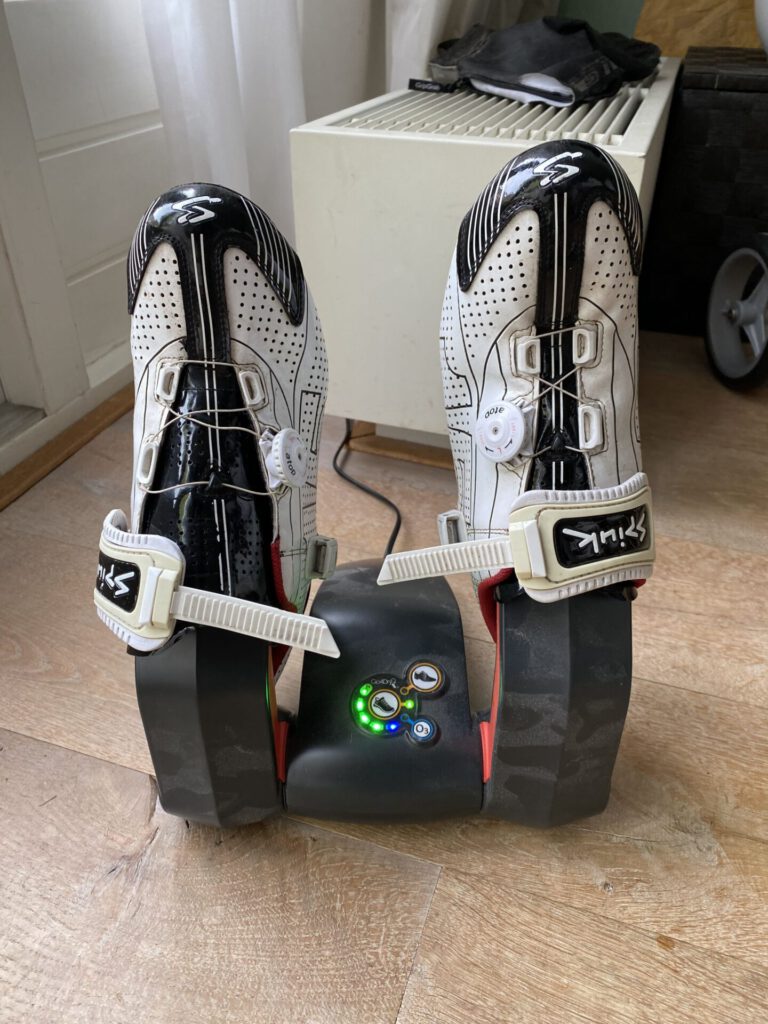
If you have the above in order, it is useful to ensure that everything remains clean after your ride and that you dry quickly. Dirty/wet clothing should be washed immediately, otherwise it will start to mold and the water-repellent effect will be reduced. You should also wash your rain jacket occasionally, because otherwise it will keep standing up on its own. Shoes are best dried with a shoe dryer, or with newspapers inside.


Questions & tips
Do you have any questions about this route, or have you been there yourself? Share them here. We read everything and usually respond within a few days.