
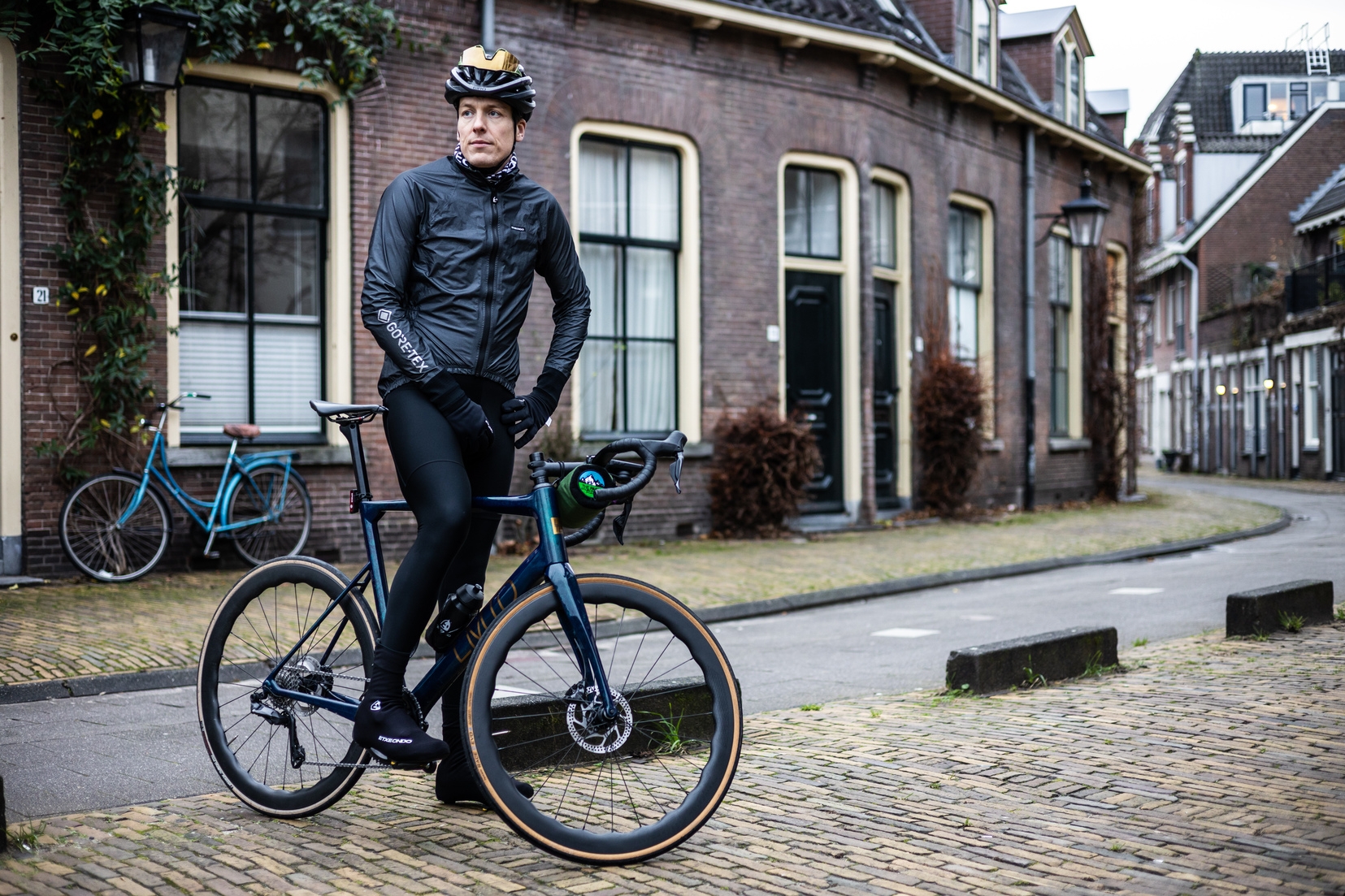
Twelve degrees, dry and a little wind: short sleeves with sleeves, or long sleeves anyway? And what do you do with your feet when it rains? Fill in the weather and your route below and you’ll immediately receive clothing advice, from undergarments to overshoes, with reasons why it’s suitable for each item.
This is how the advice works
On a bike, things feel different than on a thermometer. That's why the tool first calculates how warm it is. on a bicycle You feel it. Riding hard makes you warm, so you dress lighter. Wind, rain, and long descents actually cool you down. On a race bike you have more wind than on a mountain bike in the forest, and on a long ride the weather changes more often and you get tired. With that “riding temperature” the tool chooses what is appropriate for each layer, with additional rules for rain, wind, and long rides.
Three golden rules
- I'd rather have something too fresh at the start. After ten minutes of walking, you’re warm. Those who leave early are the ones who drive the rest of the ride in a wet shirt.
- Layers that you can pull out. Arm, knee and leg pieces and a windbreaker fit in your back pocket. This way you can dress up or down on the go.
- Hands, feet and ears first. Those cool off the fastest. A few thin gloves, teeny caps or a headband often make more of a difference than a thicker jacket.
The advice is a starting point: everyone experiences cold and heat differently. If you’re unsure, choose the warmer option and bring something you can take off. Looking for the best place to cycle in a particular month? Check our cycling weather planner.

Questions & tips
Do you have any questions about this route, or have you been there yourself? Share them here. We read everything and usually respond within a few days.