Part of France
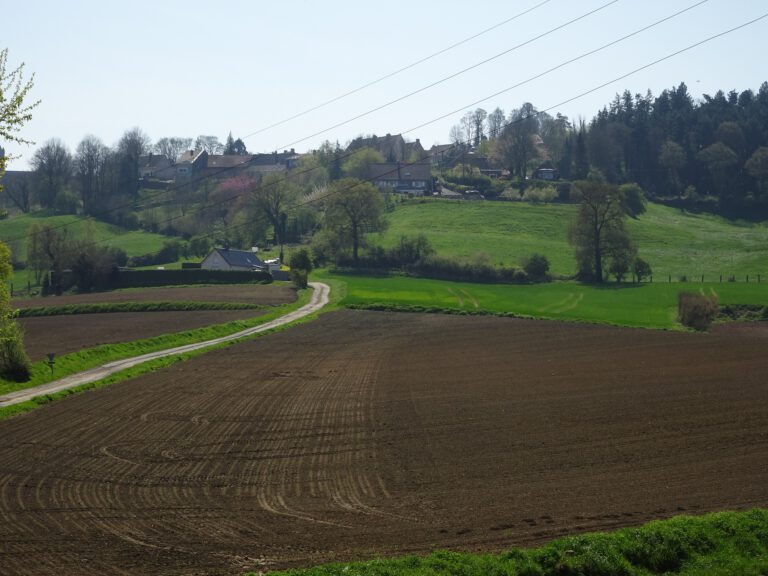
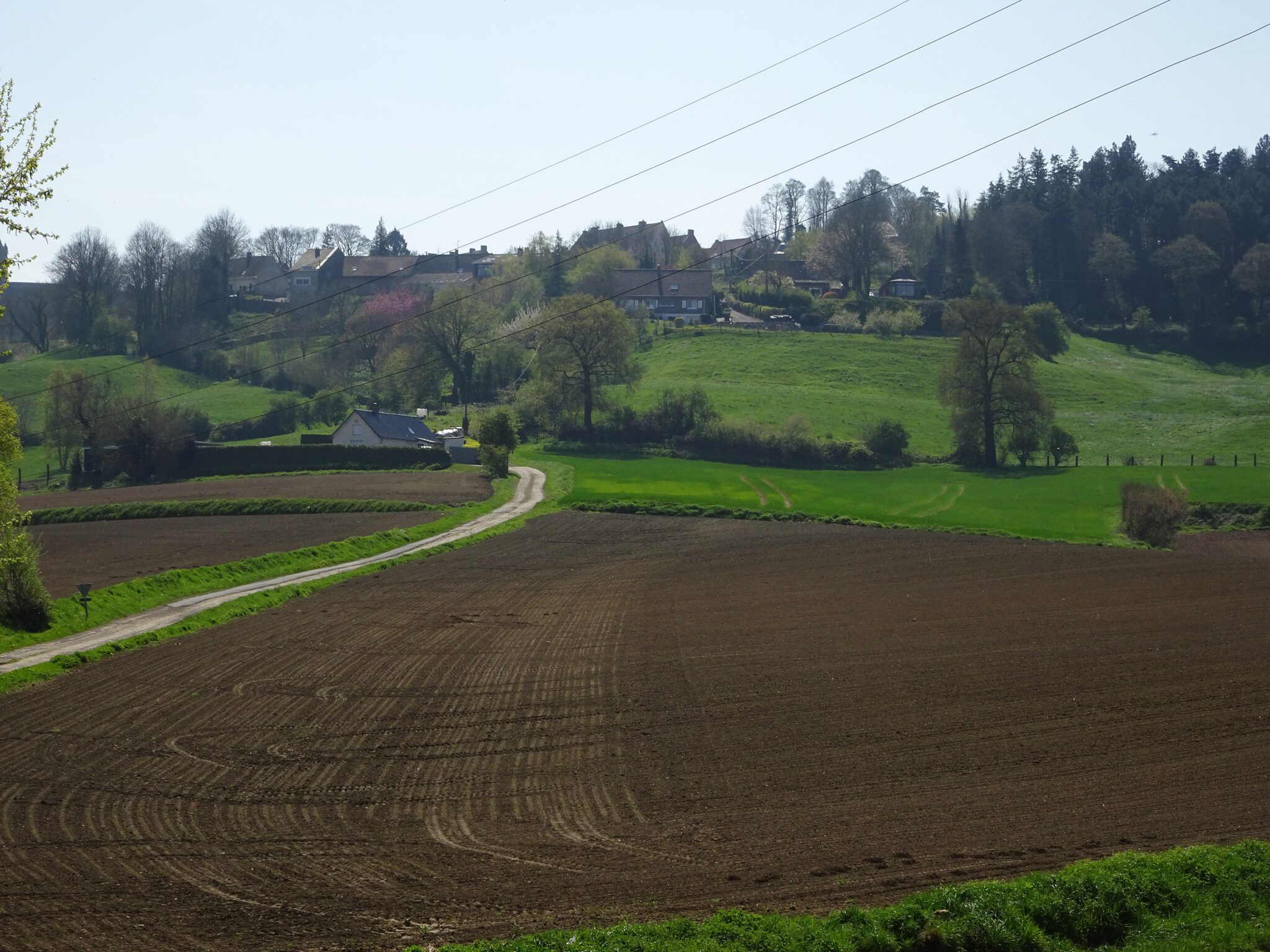
Anyone who thinks of Flanders and cycling thinks of the Kemmelberg, the Oude Kwaremont and the Paterberg. But the Flemish hills don’t end at the border. In Franche-Comté, the northernmost point of France between Dunkerque and Lille, lie the Monts de Flandre: a row of sand hills with an iron sandstone cap on top, which protrude like islands above the flat land. Here Flemish is still spoken, the windmills stand on the tops and you drink beer in an estaminet.
For Dutch and Belgian people, it is an ideal destination for a day trip or a long weekend. You can get there from the middle of the Netherlands in about three hours, and you can combine the French and Belgian slopes in one trip.
Why cycle in Franche-Comté?
- Close by: three hours' drive from Utrecht, less from Zeeland and Brabant.
- Short, steep slopesThe Mont Cassel, the Mont des Cats and the Mont Noir are not high, but are nevertheless treacherous, partly with gravel.
- Across the border: Mont Noir is right on the border; the Kemmelberg and the Rodeberg on the Belgian side are a few kilometers away.
- Atmosphere: windmills, abbeys, Flemish village squares and taverns serving local beer and Flemish cuisine.
The Monts de Flandre
- Mont Cassel (176 m): the highest point of French Flanders, with the town of Cassel atop it. The climb over the gravel roads to the large market is a classic; at the top stands a wooden windmill with views as far as the border.
- Mont des Cats (164 m): with the Trappist monastery on top, which is known for its cheese. From Godewaersvelde you climb up a narrow path.
- Mont Noir (152 m): on the border with Belgium, with the park around the former home of the writer Marguerite Yourcenar. On the other side you descend to Westouter, a stone's throw from the Redberg and the Kemmelberg.
- Mont des Récollets and Mont de Boeschepe: smaller hills, but nice to extend a round.
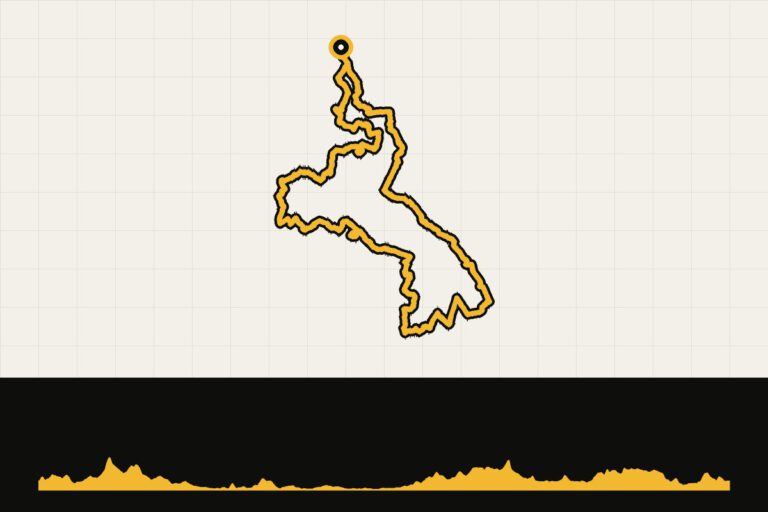
A round trip along all the hills is about 60 to 90 kilometers, with a few hundred meters of elevation gain. That sounds not much, but because of the short steep sections and the wind it feels heavier. Combine the French hills with the Kemmelberg and the Monteberg, and you have a real classic race.
Race bike and gravel
Cyclists will find kilometers of quiet country roads in the flat land between the hills, ideal for a leisurely pace. Be aware of the wind: it can be quite strong here. Gravel riders will find unpaved country roads, forest paths around the Mont des Cats and hunting trails along the canals towards Saint-Omer. The region of Cœur de Flandre was awarded Destination France à Vélo in 2026, just as the marshland around Saint-Omer a little further to the west.
Near the course
Frans-Vlaanderen is located right in the heart of the classic cycling region. The cobblestone roads of Paris-Roubaix are located south of Lille, an hour’s drive away. The slopes of Gent-Wevelgem are just across the border. In the spring, you can therefore beautifully combine a cycling weekend here with watching a spring classic.
Three rides to get you started
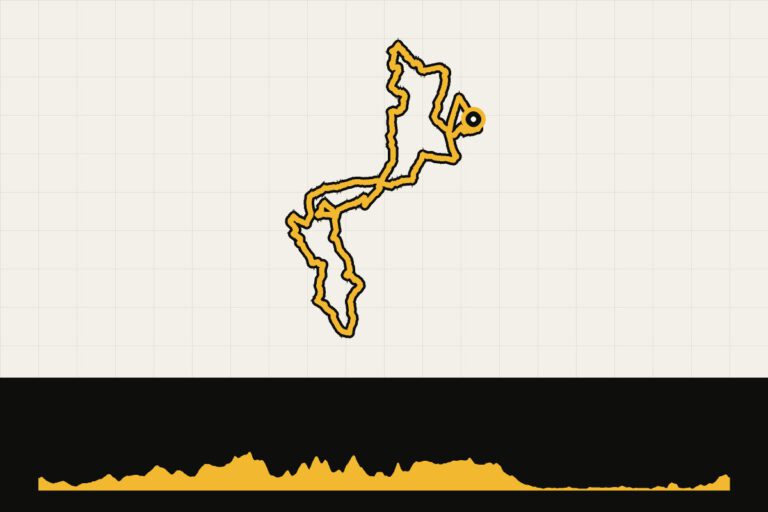
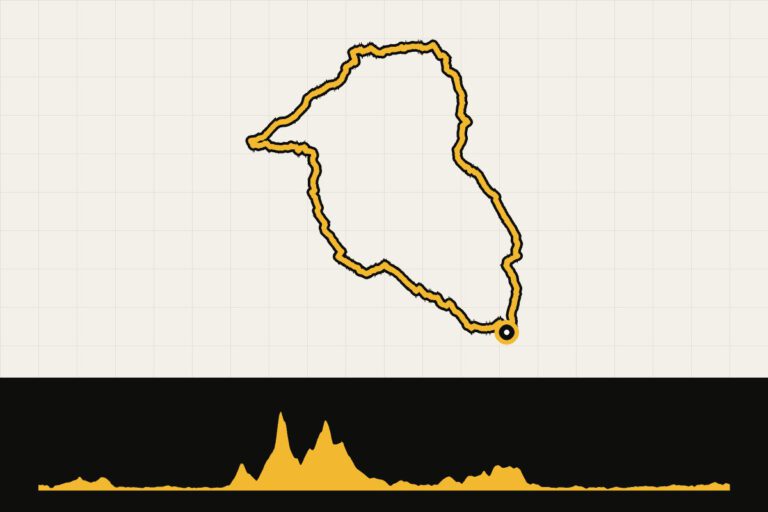
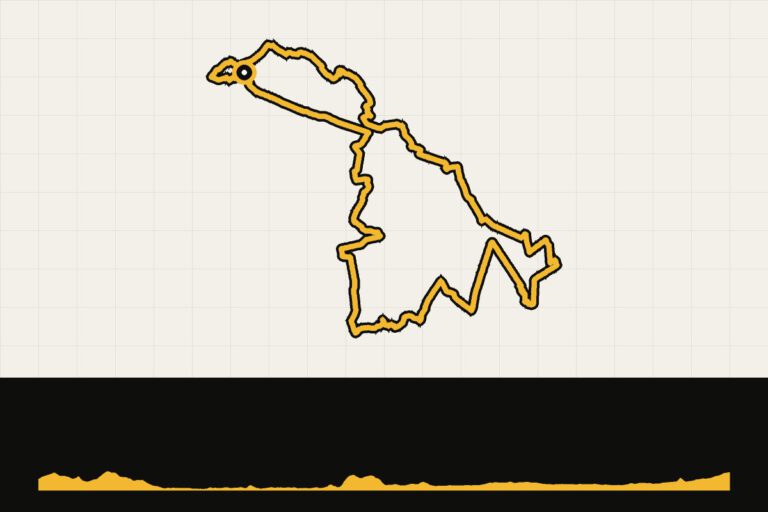
- Around Monts de Flandre from Cassel (about 65 km): Mont Cassel, Mont des Récollets, Mont des Cats and Mont Noir, with a stop at the abbey for cheese and beer.
- French and Belgian hills (about 90 km): from Bailleul, over the Mont Noir to the Redberg, the Kemmelberg and the Monteberg, and back over the Mont des Cats. A tough classic ride across the border.
- Canals to Saint-Omer (about 80 km): straight through the marshland of the Audomarois, with hunting trails and small villages. Good with the gravel bike.
Practical tips
- Straw bales: The climb to Cassel and some roads near Mont des Cats are gravelled. Drive with slightly wider tires and with less pressure.
- Restaurants: Typical Flemish cafes are a staple of any trip here. Try a carbonade flamande or a welsh after the meal.
- Wind: between the hills, the land is open and flat. Plan your route so that you return with the wind in your back.
- Combine: A long weekend in French Flanders can easily be combined with the Westhoek, Ypres or the coast near Dunkerque.
- Rest day: Visit the museum of Cassel, the windmill on the top or the war memorials in the Westhoek.
When are you leaving?
You can cycle here almost all year round, but March to October is the most pleasant time. In the spring it is the classic season and the atmosphere on the slopes is particularly lively. In autumn and winter the gravel paths and country roads can be slippery and muddy.
How do you get there?
By car, you can drive from Utrecht in about three hours to Cassel or Bailleul. By train, you can travel via Brussels or Antwerp to Lille, and from there by regional train to Hazebrouck or Bailleul. From West Flanders you can also just cycle across the border.
This is how we calculate: We calculate distances and travel times starting from Utrecht. Our flights always depart from Schiphol, Rotterdam The Hague Airport or Eindhoven Airport. Want to know how to travel from your place of residence the best way? Let us know, We are happy to help you. After all, we built this site together.
Are you flying? Read our guide Flying with your bike: Which airline, what the cost is and how to pack your bike.
Where to stay?
Cassel is the most beautiful town to sleep in, perched on a hill and with a few good restaurants. Bailleul and Hazebrouck are practical, with a station and shops. Those who want to visit the Belgian hills can also spend the night in Westouter or Kemmel and do the French side as a day trip.
For whom is Franstalendalen?
Frans-Vlaanderen is for those who want to cycle for a day or a weekend without having to travel far, and for classic bike enthusiasts who want to experience the Flemish hills from a French perspective. The routes are short enough for the average cyclist, but with the Belgian slopes involved, it’s easy to make it a tough day. Gravel riders will find there are quiet unpaved roads, and for those who enjoy food and beer, this is the perfect place.
Because the region is so close by, it is also a great place to ride your first long rides in the spring or to organize a bike weekend with a group of friends. You don’t have to take any days off for the trip, and on Saturday morning you will already be at the foot of Mont Cassel. On Sunday afternoon you will be back home.
What to bring?
- Tires of at least 28 millimeters for the gravel roads.
- A wind jacket: it can be quite windy in the hills.
- Cash for the small taverns and the abbey shop.
- An identity card if you are cycling across the border to Belgium.
Sources
- Le Nord: Monts de Flandre – cycling circuits along the Flemish mountains
- Visorando / Le Nord: heights of the Monts de Flandre – Mont Cassel 176 m, Mont des Cats 164 m, Mont Noir 152 m
- Destinations France by Bike 2026 – award-winning cycling regions
- Photo: Pierre André Leclercq via Wikimedia Commons (CC BY-SA 4.0) – main photo