
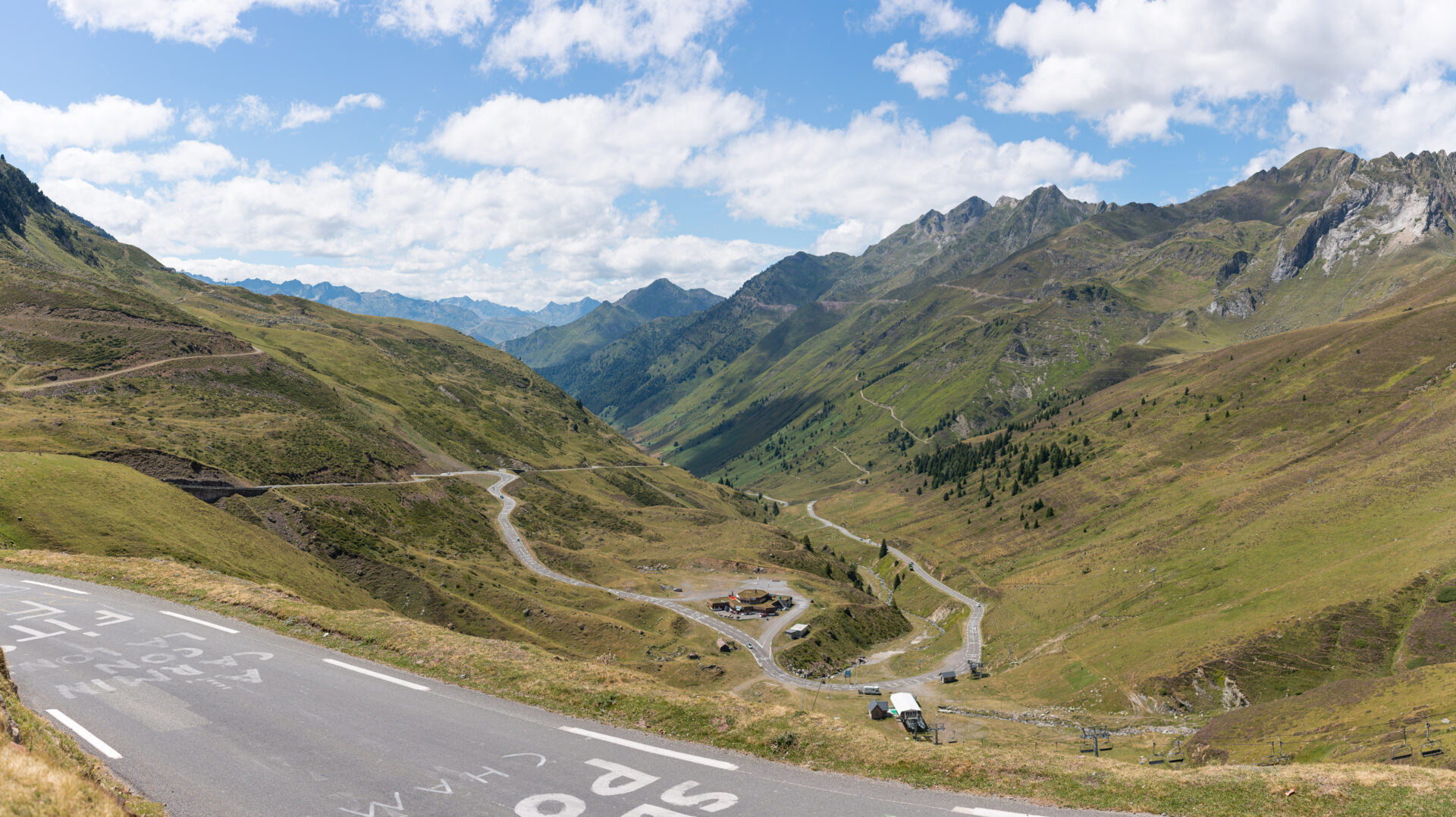
The 2027 Tour de France starts on Friday, July 2nd in Edinburgh and ends on Sunday, July 25th in Paris. Along the way, the race goes through Scotland, England, Wales, the Alps, the Central Massif and the Pyrenees. It’s fun to watch, but even more fun to drive yourself. We chose six stages that you can easily cycle through as a lover of cycling: the entire route, or just the most beautiful part.
With each stage, you’ll read about what the pros are doing, what you can ride, and where you’ll sleep. Watching and cycling? On mountain stages, the roads are closed to cars for hours before the race. So come early, and preferably on a bike.
Six Tour stages to be driven by yourself
Stage 1: Edinburgh – Carlisle (Friday 2 July)
The pros: 184 kilometers from the Scottish capital to Carlisle, just across the English border. It is a hilly route through the Scottish Borders, with only one categorized climb: at Melrose, 2.2 kilometers at an average of 6.7 percent. The finish is in Carlisle, near the Wall of Hadrian.
You: we have already prepared the entire stage as a GPX: Tour de France 2027, stage 1: Edinburgh – Carlisle. Too long for one day? Then ride a round through the heart of the Borders, like from Innerleithen. Everything about the region is on the page. Scottish Borders.
Stage 3: Welshpool – Cardiff (Sunday 4 July)
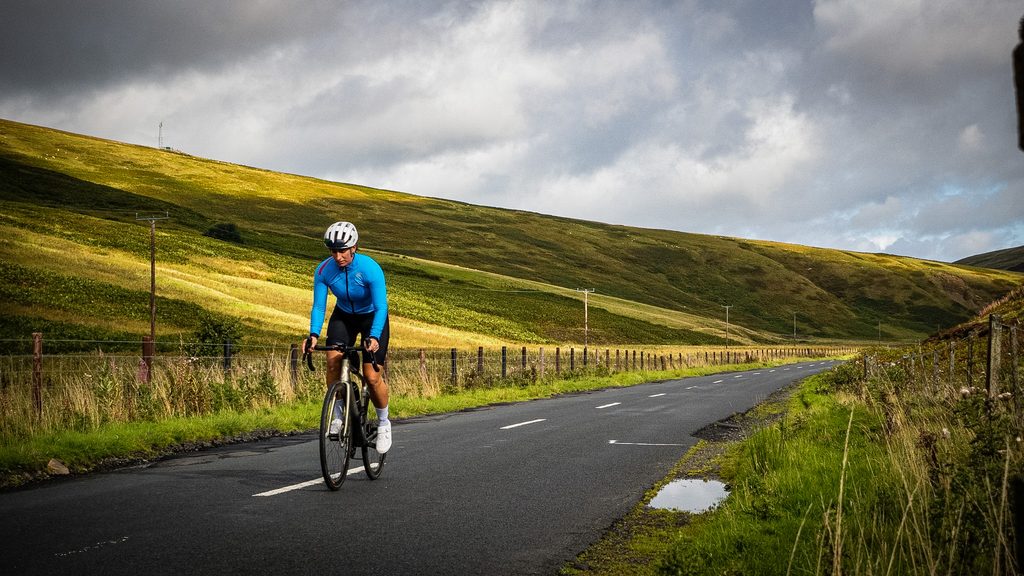
The pros: 223 kilometers, all the way through Wales and with more than 3,000 meters of elevation gain. The last serious climb is at Caerphilly (Caerffili), 2 kilometers at an average of 8.1 percent. Then the finish in Cardiff follows.
You: Wales is a land of short, steep climbs and empty roads. On the page Wales find routes, including over Gospel Pass. Would you like to combine the Tour in Wales with a cycling week? Then read our story about Landal Bryn Morfydd.
Stage 9: to the Grand Colombier (Sunday 11 July)
The pros: The first mountain stage. From Villars-les-Dombes it goes for 162 kilometers and with about 3,750 meters of elevation gain to the top of the Grand Colombier, the giant of the Jura above the Rhone valley. The next day is a rest day.
You: The Grand Colombier has multiple sides, and all of them are heavy. Our Great round through the Jura with the Grand Colombier (167 kilometers, over 3,600 meters of elevation gain) is roughly a Tour stage. In a hurry? Choose one side and descend to Culoz on the Rhone.
Stage 11: Cluses – Les Saisies (Wednesday 14 July)
The pros: On the French national holiday, it covers 150 kilometers over five cols, with three of the hardest: the Col de la Colombière (15.9 km at 7 percent), the Col du Pré (12.6 km at 7.8 percent) and the Montée de Bisanne (12.4 km at 8.3 percent). Then comes the first finish ever in Les Saisies.
You: The Colombière can be driven from Samoëns or in combination with Solaison. The Col du Pré is a narrow and steep path with a view of Lake Roselend. That is one of the most beautiful sections of the Alps. You can find more inspiration on the page French Alps.
Stage 14: Montpellier – Mende (Saturday 17 July)
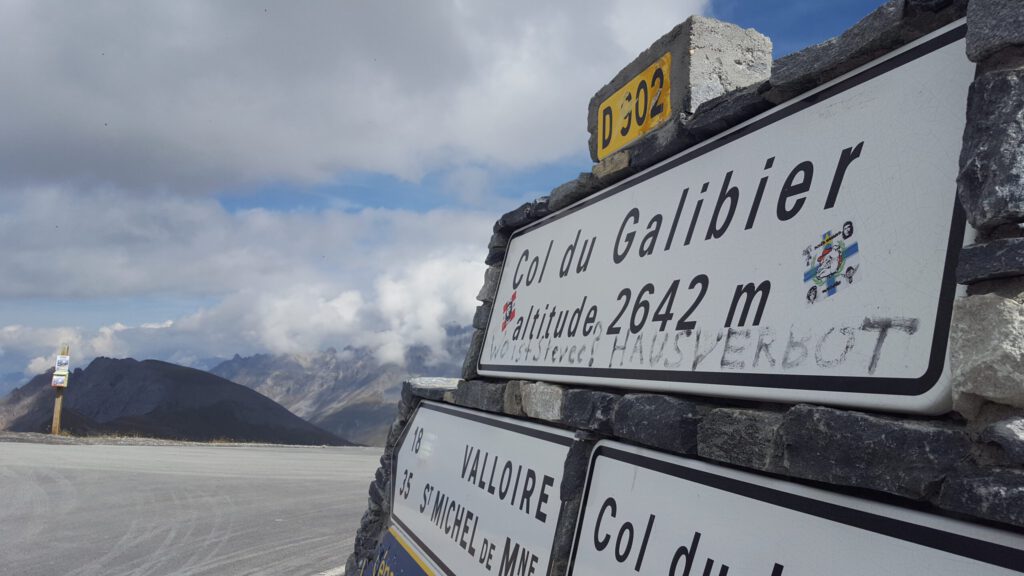
The pros: 199 kilometers with about 4,300 meters of elevation gain, along the Cirque de Navacelles, a huge chasm in the limestone plateau. Along the way is the Col de la Lusette (11.6 km at 7.3 percent). The ride ends with the Côte de la Croix Neuve above Mende: 3 kilometers at 10.1 percent. That climb is better known as the Montée Laurent Jalabert.
You: This is the least-known stage of the six, and therefore perhaps the most beautiful to discover. The Cevennes and the Causses are quiet, rugged, and less crowded than the Alps. Sleep in Mende and ride the final climb in comfort, or make a loop along the gorges of the Tarn.
Stage 18: Pau – Col du Portet (Thursday 22 July)
The pros: The queen’s race. In 174 kilometers, the riders will climb the Col du Tourmalet with about 5,400 meters of elevation gain to the top of the Col du Portet, the highest point of the Tour of 2027.
You: drive the Tourmalet from Sainte-Marie-de-Campan (17 km) or from Luz-Saint-Sauveur. The Col du Portet starts in Saint-Lary-Soulan and is over 16 kilometers long, with an average of almost 9 percent. You can read all about the region on the page Pyrenees.

Practical: watching and cycling
- The Tour runs from July 2 to 25, 2027. The rest days are on July 5, 12, and 19.
- On mountain roads, the roads are closed to traffic well before the race starts. Drive up the hill in the morning and find a spot along the road.
- Do you want to ride the stage yourself without the crowds? Then come a week earlier or later; in July it is very busy in the mountains with cyclists and campers.
- The complete route is listed on letour.fr.

Questions & tips
Do you have any questions about this route, or have you been there yourself? Share them here. We read everything and usually respond within a few days.