Part of France
The Jura is the central mountain range between Burgundy and Switzerland: long wooded ridges, high plains with meadows and cows, and dozens of lakes. The highest peaks are around 1,700 meters, just above Lake Geneva. It is a region of comté cheese, absinthe, woodworking, and above all, peace and quiet. Where the Alps are crowded in summer, you can drive for hours on empty roads here.
For cyclists, the Jura is a surprise. The cols are not as high as in the Alps, but they are long and regular. You climb through pine forests to open high plateaus, and from the highest points you can see Mont Blanc when the sky is clear.
Why cycle in the Jura?
- Climbing without crowds: long, regular climbs with little traffic.
- LakesThe Lac de Vouglans, the Lac de Chalain and the lakes around Clairvaux-les-Lacs are perfect for a swim after the ride.
- View of the AlpsFrom the Col de la Faucille and the Mont Rond you can see over Lake Geneva to Mont Blanc.
- A custom long-distance routeThe Grande Traversée du Jura is available in a version for the road and a version for mountain biking.
The Grande Traversée du Jura
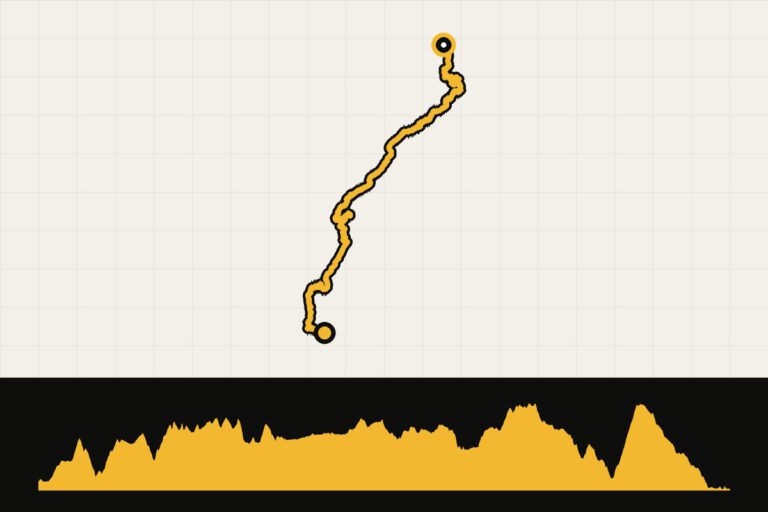
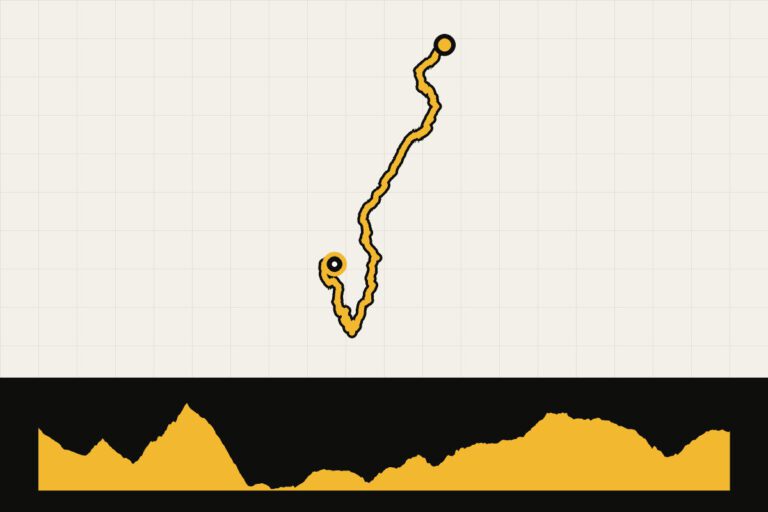
The Grande Traversée du Jura by bike runs from Montbéliard to Culoz, on the Rhône river. According to France Vélo Tourisme, the route is about 373 kilometers long, divided into eleven stages, on small roads through the entire massif. There are variants along the major climbs, such as the Col de la Faucille and the Grand Colombier. The signage is in place in both directions, but in some sections in the Doubs it is not yet complete: bring the GPX with you.
For mountain bikers and serious gravel riders, there is the GTJ à VTT, an off-road route through forest paths and meadows that runs from north to south through the mountain range. Parts of it are perfectly suitable for riding on a gravel bike with wide tires; other sections are truly mountain biking terrain.
Race bike: the most beautiful climbs
- Col de la Faucille (1,323 m): the classic climb from Gex, with one of the most beautiful views of Lake Geneva and the Alps at the top.
- Station des RoussesIn 2017 a Tour stage finished here. Les Rousses is also a nice base for departures.
- Grand Colombier (1,501 m): just south of the Jura, in the Bugey, and one of the toughest climbs in France. Steep sections of more than ten percent; the Tour de France has passed through here regularly in recent years.
- The high plateaus around Mouthe and Métabief: less steep, but long and open. Here you drive for miles past farms where the comté is made.
Gravel and mountain bike
Thanks to the many forestry activities, the Jura has a dense network of unpaved forest trails. In the winter these are cross-country ski trails; in the summer they are gravel roads that you can drive for hours on. Around Métabief and Les Rousses, you will also find bikeparks and signposted mountain biking trails. The region Lacs et Montagnes du Haut-Doubs was awarded Destination France à Vélo in 2026, partly because of this offer.
Three rides to get you started
- Les Rousses – Col de la Faucille – Gex – return via the Col de la Givrine (about 90 km): the classic of the Southern Jura, with views of Lake Geneva and a piece of Switzerland.
- Around the lakes: Clairvaux-les-Lacs – Lake Chalain – Lake Vouglans (about 80 km): wavy, with turquoise water and the Hérisson waterfalls nearby. Bring your swimming clothes.
- The plateau of the Haut-Doubs from Métabief (about 70 km): along the Lac de Saint-Point and the source of the Doubs, over open meadows with comté farms. Easy climbing and plenty of space.
Practical tips
- Border areaMany trips go through the Swiss border. Bring your ID with you and keep in mind that food and drink in Switzerland are more expensive.
- WaterIn the highlands, villages are sometimes far apart. Fill your water bottles at every fountain or bakery.
- Fruit GrowersThe cheese factories in the villages sell comté and morbier directly from the farmer. A piece of cheese and bread is a perfect lunch on the go.
- WeatherIt can also be chilly above 1,000 meters in summer and thunderstorms can occur. Start your climbing routes early if possible.
- CombineThe Jura is located near Burgundy and Lake Geneva. With a few extra days, you can make it a varied cycling holiday.
When are you leaving?
May to October. In May and June everything is green and the meadows are full of flowers; in September and October the forests are colorful and it’s quiet. In summer, the plateau is pleasantly cool, even when it’s hot in the Rhone valley. The higher roads can have snow until April, and the weather changes quickly in the mountains: always bring a wind jacket.
How do you get there?
By car, you can drive from Utrecht in about eight hours to the northern Jura; the south is a little further away. By train, you can travel via Paris or Basel to Besançon, Pontarlier or Saint-Claude. Flying can take you to Geneva, an hour's drive from Les Rousses and the Col de la Faucille.
This is how we calculate: We calculate distances and travel times starting from Utrecht. Our flights always depart from Schiphol, Rotterdam The Hague Airport or Eindhoven Airport. Want to know how to travel from your place of residence the best way? Let us know, We are happy to help you. After all, we built this site together.
Are you flying? Read our guide Flying with your bike: Which airline, what the cost is and how to pack your bike.
Where to stay?
Les Rousses is a good base for the south, with the Faucille, the lakes and the Swiss border just around the corner. Métabief and Pontarlier are located in the heart of the Haut-Doubs. Those who prefer to sleep by the water will find a campsite or gîte around Lac de Vouglans or Lac de Chalain. For the Grande Traversée, you sleep somewhere else every night; book in July and August in advance.
See places to stay in: Les Rousses · Métabief · Pontarlier · Lac de Vouglans
Who is the Jura for?
The Jura is ideal for road cyclists who enjoy climbing but want to avoid the crowds of the Alps, and for gravel riders who seek long forest trails. The climbs are regular, so you can find your own pace, and the distances between the most beautiful places are short. It also works well for a cycling holiday with a mixed group: those who don’t cycle can go hiking, swim in the lakes, or visit the cheese dairies. And in the winter you come back to go cross-country skiing.
Sources
- Jura Tourism: GTJ on mountain bikes – mountain bike route
- France Vélo Tourisme: Great Traverse of the Jura by bike – Montbéliard – Culoz, 11 stages, 373 km
- Destinations France by Bike 2026 – award-winning cycling regions
- Photo: Brücke-Osteuropa via Wikimedia Commons (CC0) – main photo