Part of Germany
Thüringen, located in the heart of Germany, is one of the country’s most underrated cycling regions. The state is known for its dense forests, rolling hills, and rich cultural history. With an area larger than the Netherlands and a mix of challenging climbs and beautiful gravel routes, it is an ideal destination for both cyclists and gravel riders.
The region is best known for the Thuringian Forest, an extensive nature reserve with countless opportunities for sporty cyclists. The hills and mountains of this region provide a natural playground for those who enjoy climbing. The Großer Inselsberg (916 m) is one of the most famous climbs, with a steep ascent and fantastic views from the summit. Another classic is the Schmücke, a long climb through the forest with a steady gradient that is perfect for endurance training.
For gravel riders and adventurous cyclists, Thüringen offers unique routes such as the Rennsteig, one of the oldest long-distance routes in Germany. This historic trail, which was used as early as the Middle Ages, runs through the Thuringian Forest and offers a challenging mix of gravel, forest roads, and unpaved trails. The area around Ilmenau and Suhl is also perfect for those who prefer to ride off the beaten path.
Further east lies the historic city of Weimar, the birthplace of the Bauhaus movement and a cultural highlight. From here you can take fantastic long-distance routes towards the hills around Jena and Gera. In the region around Eisenach, known for the Wartburg, you will find even more challenging climbs and beautiful routes through nature.
Although Thuringia is less urbanized than other German states, the larger cities like Erfurt and Jena are excellent bases for cyclists. Here you can enjoy a hearty meal after your ride, or visit one of the many beer gardens that the region is rich in.
Thüringen is a versatile cycling region where cyclists, gravel bikers and mountain bikers will find everything they need. From challenging climbs to endless gravel routes and historic towns, this state has everything to offer for an unforgettable cycling experience.
For many Dutch and Belgian cyclists, Thüringen is still a relatively unknown cycling destination. That is a shame, because this region in the heart of Germany offers a beautiful mix of challenging climbs, quiet roads, and stunning nature. While many cyclists choose the Eifel or the Sauerland, Thüringen is located slightly further east, but it is definitely worth the extra kilometers. With the Thüringer Forest, the Erzgebirge, and an extensive network of gravel routes, this is an ideal region for both race cyclists and gravel riders.
Climbs in Thuringia: The Rennsteig and Meer
Thüringen is dominated by the Thuringian Forest, a mid-mountain range with long ascents, varied landscapes and little traffic. One of the most iconic routes is the Rennsteig, a historic road that runs across the mountain range. Although it is officially a hiking route, numerous paved and gravel roads run parallel to the route, ideal for a challenging climb adventure.
The climbs in Thüringen are not as steep as those in the Alps, but they are nevertheless steep and varied. Moreover, the roads are often quiet and well-maintained, allowing you to fully enjoy your ride.
Mountain biking in Thüringen
Gravel riders can let their hair down in Thuringia. The extensive network of forest roads and unpaved paths make this region perfect for adventurous rides. One of the most legendary gravel routes is the Rennsteig Gravel Route, a long distance route that winds through the Thuringian Forest. Other recommended routes include the Gravel Deluxe Thüringer Wald routes, which have been specially designed for bikepackers and gravel riders.
Popular gravel destinations in Thuringia:
- Around Jena – The rolling hills around this university city offer fast gravel paths and challenging climbs.
- Saaletal-Gravel – A beautiful mix of gravel and asphalt along the Saale river.
- Ilmenau Trails – Technically challenging with steep climbs and fast descents.
More than just cycling
In addition to cycling, Thuringia also offers numerous cultural and culinary highlights. The cities of Erfurt, Weimar and Eisenach are perfect for spending a relaxing day. Enjoy a hearty Thuringian Bratwurst after your ride or dive into a local Biergarten to recover with a cold beer.
Do you want to relax after a long ride? Thuringia is known for its spas and wellness centers, such as the Hainich Therme and the Toskana Therme in Bad Sulza. Ideal for resting your legs for the next cycling day.
Why cycle in Thüringen?
- Varied terrain – From long climbs in the Thuringian Forest to fast gravel routes in the Saaleland.
- Quiet roads – Perfect asphalt and little traffic, a paradise for cyclists.
- Gravel Paradise – One of the best gravel regions in Germany with endless paths through forests and hills.
- Cultural stops – Combine cycling with historic cities like Weimar and Erfurt.
- Well-accessible – Easy to reach from the Netherlands and Belgium, without mass tourism.
Whether you are a climber seeking new heights, a gravel rider looking to discover pristine trails, or a cyclist who prefers quiet roads—Thüringen has it all. This is one of Germany’s best-preserved cycling gems!
Thüringen, the green heart of Germany, offers gravel bikers an unparalleled mix of natural beauty and challenging routes. With its vast forests, rolling hills, and historic trails, this region is a paradise for adventure seekers on two wheels.
One of the most prominent routes in Thuringia is the Rennsteig, a historic path that is excellently suited for gravel biking. This route combines sections of the Rennsteig Cycle Path with the so-called ‘Rennsteigleitern’, 44 access roads leading to the main route. This combination offers a varied experience, ranging from asphalt roads to gravel paths and narrow trails with minimal roots. Along the way, you cross the UNESCO Biosphere Reserve Thüringer Wald and the Schiefergebirge/Obere Saale Nature Park, areas known for their rich biodiversity and breathtaking landscapes.
For those looking for specific routes, here are some recommendations:
- Thuringian beauty: A 53.2 km long route with 1,040 meters of elevation gain that takes you through some of the most beautiful parts of the region.
- Schiefergebirgstrophy – Tour 1: This 61.1 km long route offers 1,290 meters of elevation gain and takes you through the picturesque Leisteengebergte region.
- Oberhofer 2-Talsperren Tour: A 49.6 km long route with 930 meters of elevation gain, where you cycle past two dams and enjoy serene water landscapes.
- Thuringia Divide by Markus Stitz: For the ultimate challenge, there is this 285 km long route with 3,490 meters of elevation gain, designed by the renowned bikepacker Markus Stitz.
These routes vary in length and difficulty, so there is something for every type of gravel biker to find.
Jena: Center for Gravel Enthusiasts
The city of Jena has developed into a hotspot for gravel bikers. With an active community and numerous organized rides, this region offers a range of routes that will appeal to both beginners and advanced riders. Examples include the Hufeisen Gravel (38.8 km with 570 meters of elevation gain) and the Tautenburg Trails (40.5 km with 450 meters of elevation gain), both offering a mix of challenging climbs and scenic trails.
For those looking for multi-day adventures, Thüringen also offers excellent opportunities for bikepacking. An example of this is the Thüringen Total route, a seven-day journey that takes you through various landscapes and cultural highlights of the region. This route emphasizes the versatility of Thüringen and offers a deep experience of what the region has to offer.
It seems the most logical thing to do is to bring your own bike to this region. Of course, you can do that in the car, but you can also get there by train, which is a very convenient way.
If you would rather rent a bike, you can do so at Bachus Bike in Erfurt, for example.
There are many more options for MTB/E-MTB.
We have had the opportunity to try out a number of hotels ourselves, but we have also looked at and researched some hotels. Below are some tips for a pleasant cycling holiday in the Thuringia region:
- Fahrrad Natur & Aktiv Hotel Zum Schneekopf in Gehlberg is a perfect bike hotel. You’ll find a sauna there, you can store your bike safely and it’s also very affordable! From €50 per night you can stay here, breakfast included.
- Incidentally, you can find many accommodation options through Bett&Bike where you can always stay for a night, where you can leave your bike and where you are welcome as a cyclist.
Must-do hikes in Thüringen
Top climbs in Thuringia for the Racefiets & Gravelbike
Thüringen is a paradise for cyclists who love climbing. The Thuringian Forest and the foothills of the Erzgebirge offer a mix of long, steady climbs and steep descents. Below you’ll find the five climbs you absolutely have to do, both for the race bike and the gravel bike.
On the Racebike:
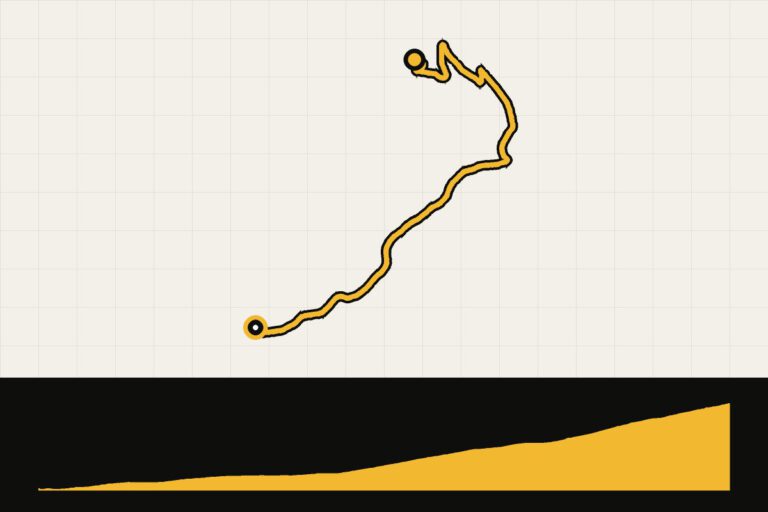
1. Greater Inselsberg
📍 Length: 6.3 km📈 Average gradient: 8.5%📌 Maximum gradient: 14%🚴♂️ Starting point: Tabarz
The Großer Inselsberg is one of the most famous climbs in the Thuringian Forest. The climb starts gradually, but the final kilometers take it up with an average gradient of 12% and peaks towards 14%. The road is narrow, winding and surrounded by dense forests, which makes you almost feel like you are climbing an Alpine mountain. Above, there is a vast view over Thuringia and a guesthouse to catch your breath.
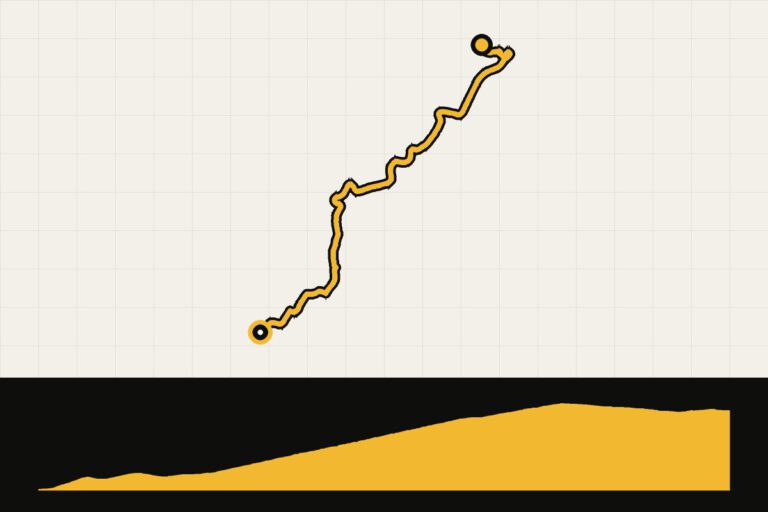
2. Schmücke – The Rennsteig climb
📍 Length: 10.2 km📈 Average gradient: 5.2%📌 Maximum gradient: 10%🚴♂️ Starting point: Ilmenau
The Schmücke is a long and regular climb that is perfect for riding up in a steady rhythm. The road winds through dense forests and partly follows the famous Rennsteig route. Although the incline rates are not extreme, the length of this climb can make it difficult, especially if the wind is against you. A great climb to test your climbing legs without having to constantly get out of the saddle.
3. Kickelhahn – The King of Ilmenau
📍 Length: 4.9 km📈 Average gradient: 7.8%📌 Maximum gradient: 11%🚴♂️ Starting point: Ilmenau
The Kickelhahn is a short but treacherous climb, with a steep start that quickly turns into serious uphill percentages. This is a real test of strength for anyone who enjoys punchy climbs. Above the top you’ll find the famous Kickelhahnturm, a historic lookout tower that offers a 360-degree panorama of the Thuringian Forest.
4. Hohe Sonne – The road to the Wartburg
📍 Length: 6.8 km📈 Average gradient: 5.9%📌 Maximum gradient: 9%🚴♂️ Starting point: Eisenach
The Hohe Sonne is a climb with history. From Eisenach, you drive up to the famous Wartburg castle, where Martin Luther was hiding. Although it is not an extremely difficult climb, the medieval atmosphere and the panoramic views make for a unique cycling experience. The climb is perfect for a quiet but impressive day of cycling.
5. Kreuzberg Pass – Hidden gem of Southern Thuringia
📍 Length: 7.5 km📈 Average gradient: 6.3%📌 Maximum gradient: 10%🚴♂️ Starting point: Bad Neustadt
The Kreuzberg Pass is located in the south of Thuringia and is often overlooked. This is a delightful climb with constant slopes and stretches of 10% that burn your calves. The route takes you through forests and past open meadows, allowing you to enjoy stunning views along the way. Ideal for those looking for a less well-known but challenging climb.
Top Gravel Climbs in Thuringia
1. Rennsteig Gravel Climb
📍 Length: 12.5 km📈 Average gradient: 4.5%📌 Maximum gradient: 9%🚴♂️ Starting point: Hörschel
The Rennsteig, one of the oldest routes in Germany, is a must-ride for gravel bikers. This long gravel path follows the ridge of the Thuringian Forest and offers a fantastic mix of challenging climbs and fast descents. The incline is manageable, but the length makes it a serious test for your endurance.
2. Ilmenau Gravel Pass
📍 Length: 9.8 km📈 Average gradient: 5.7%📌 Maximum gradient: 11%🚴♂️ Starting point: Ilmenau
This gravel climb takes you deep into the forest, away from the crowds. The first kilometers are on wide gravel paths, but as you get higher, the terrain becomes rougher. This is a great route for anyone who wants to train on technical gravel climbing.
3. Thüringen Divide – Gravel monster
📍 Length: 285 km (multiple climbs)📈 Elevation gain: 3,490 m🚴♂️ Starting point: Eisenach
The Thüringen Divide is not so much a climb but rather an ultimate bikepacking adventure. The route also includes some serious gravel climbs. The route crosses the Thüringer Forest and the Thüringer Leisteengebergte, with you having to overcome steep slopes more than once from above 10%.
4. Saalebach Gravel Climb
📍 Length: 8.3 km📈 Average gradient: 6.1%📌 Maximum gradient: 9%🚴♂️ Starting point: Jena
This gravel route winds along the Saale River and then steeply ascends over a mix of gravel and forest paths. A great climb for those who enjoy variety and nature.
5. Oberhof Gravel Route
📍 Length: 7.2 km📈 Average gradient: 5.5%📌 Maximum gradient: 8%🚴♂️ Starting point: Oberhof
Oberhof is known as a winter sports center, but in the summer it transforms into a paradise for gravel bikers. This climb passes through dense forests and offers a combination of wide gravel paths and technical singletracks.
Cycling routes in Thuringia
Thuringia has three cycling landscapes: the Thüringer Wald, the Rhön and the ‘Thüringer Meer’, the area with reservoirs on the Saale.
- Of Rennsteig cycling path195 kilometers through the rolling hills of the Thüringer Wald, from Hörschel near Eisenach to Blankenstein. Along the way you’ll pass the Wartburg Castle, the Großer Inselberg and the winter sports resort of Oberhof. A sporting classic, partly unpaved.
- Of SaaleradwegApproximately 198 kilometers through Thüringen, along the Bleiloch dam, the Hohenwartetalsperre dam and the Feengrotten caves near Saalfeld.
- Of Ilmtal cycling path123 kilometers from the Thüringer Wald via Weimar, with its UNESCO World Heritage Site, to the Saale.
On the mountain bike you can explore the high-altitude trails in the Thüringer Wald and the Rhön; the river routes are ideal for a relaxing multi-day trip. You can find all the routes on thueringen.info.
Travel tips
- Best time to travel: Thuringia is ideal for cyclists from April to September. The temperatures are pleasant and the nature is in full bloom. However, temperatures can heat up considerably in the summer months, especially in valleys and open areas. Cycling early in the morning or later in the day is a good idea to avoid the heat. The higher-lying parts of the Thuringian Forest and the Rennsteig, fortunately, offer more shade and cool air.
- Want to cycle in the fall? October can still be beautiful with colorful forests and mild temperatures, but the chance of rain increases. From November to March, many routes are less appealing due to cold, snow, and slippery roads, especially in the higher-lying areas.
- Traffic information: Germany is becoming increasingly bike-friendly, but Thüringen remains a region where you often share the road with cars outside the cities. Especially in rural areas, drivers may be less accustomed to cyclists on the road. Be aware of the typical German driving style: efficient, but sometimes less patient with cyclists. Fortunately, there are many car-free roads and cycling routes in the region, especially in the Thuringian Forest and along the Saale River.
- Bike rental in Thuringia: Would you prefer to rent a bike? Thuringia has several bike rental companies that offer high-quality racing bikes, gravel bikes, and e-bikes. There are especially good rental companies in popular cycling areas such as Ilmenau, Eisenach, and Jena. It is advisable to book in advance, especially during the high season, so you can be sure you have a suitable bike.
Tip: When renting a bike, be sure to choose the correct frame size and make sure your pedals and shoes fit well! - Tip: When renting a bike, be sure to choose the correct frame size and make sure your pedals and shoes fit well!
- Hydration & Nutrition: Thuringia has long, remote routes where you don’t always encounter a café or supermarket right away. Make sure you always have enough water with you, especially if you’re doing long ascents like the Großer Inselsberg or the Schmücke. Fill your water bottles in villages and at gas stations. Bring some snacks along for the journey, such as energy bars or bananas. Beer gardens & Gasthofen: In Thuringia, there are many traditional inns where you can enjoy local specialties, such as a hearty Thuringian Bratwurst or a piece of Streuselkuchen with your coffee.
- Fill your jerry cans in villages and at gas stations.
- Take some snacks with you for the journey, such as energy bars or bananas.
- Beer Gardens & Gasthofen: In Thuringia there are many traditional inns where you can enjoy local specialties, such as a hearty Thuringian Bratwurst or a piece of Streuselkuchen with your coffee.
When are you leaving?
Events in Thuringia
How do you get there?
- Flying: Fly to Erfurt · Leipzig. Bring your own bike; book a place for your bike box in time.
- By train: Easy to get to. Convenient stations: Erfurt · Eisenach · Weimar.
- By car: From Utrecht you are in about 6 hours Thuringia.
This is how we calculate: We calculate distances and travel times starting from Utrecht. Our flights always depart from Schiphol, Rotterdam The Hague Airport or Eindhoven Airport. Want to know how to travel from your place of residence the best way? Let us know, We are happy to help you. After all, we built this site together.
Are you flying? Read our guide Flying with your bike: Which airline, what the cost is and how to pack your bike.