Part of Italy
Sardinia is the second largest island in the Mediterranean Sea. The island is known for its varied landscape. From rugged mountains to rolling hills and breathtaking coastlines with turquoise waters; you can find it all here. You can enjoy beautiful cycling here, but on a day off you can enjoy the crystal clear sea – where you can even swim in the summer. And not only the landscape is fantastic; the authentic culture, relaxed island atmosphere and culinary specialties also make this a place you should visit at least once in your life.
Sardinia as a cycling destination
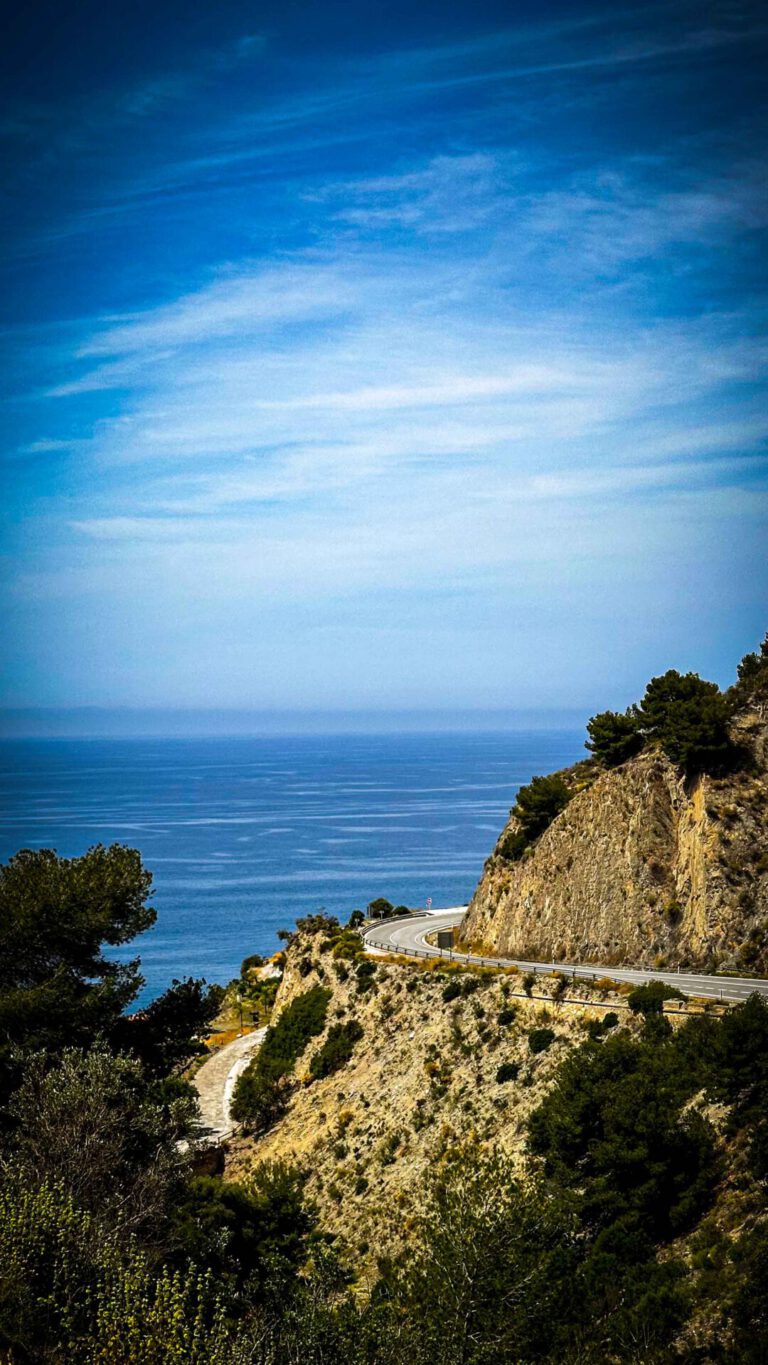
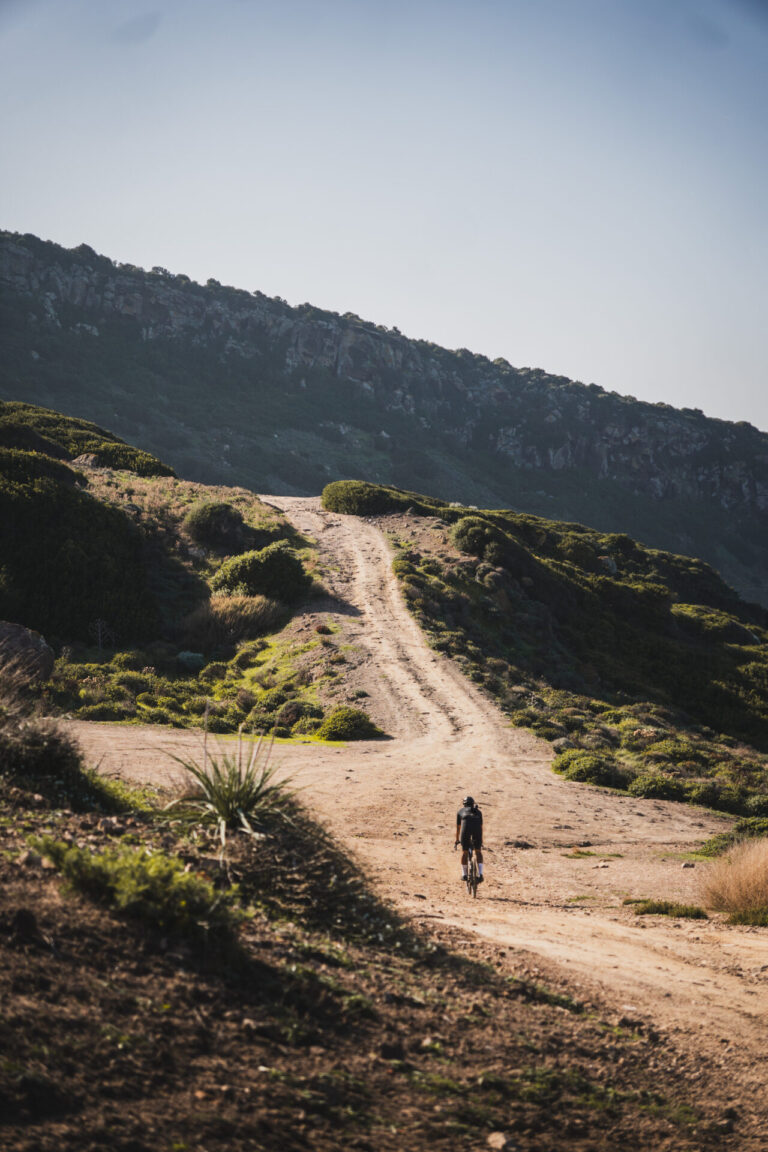
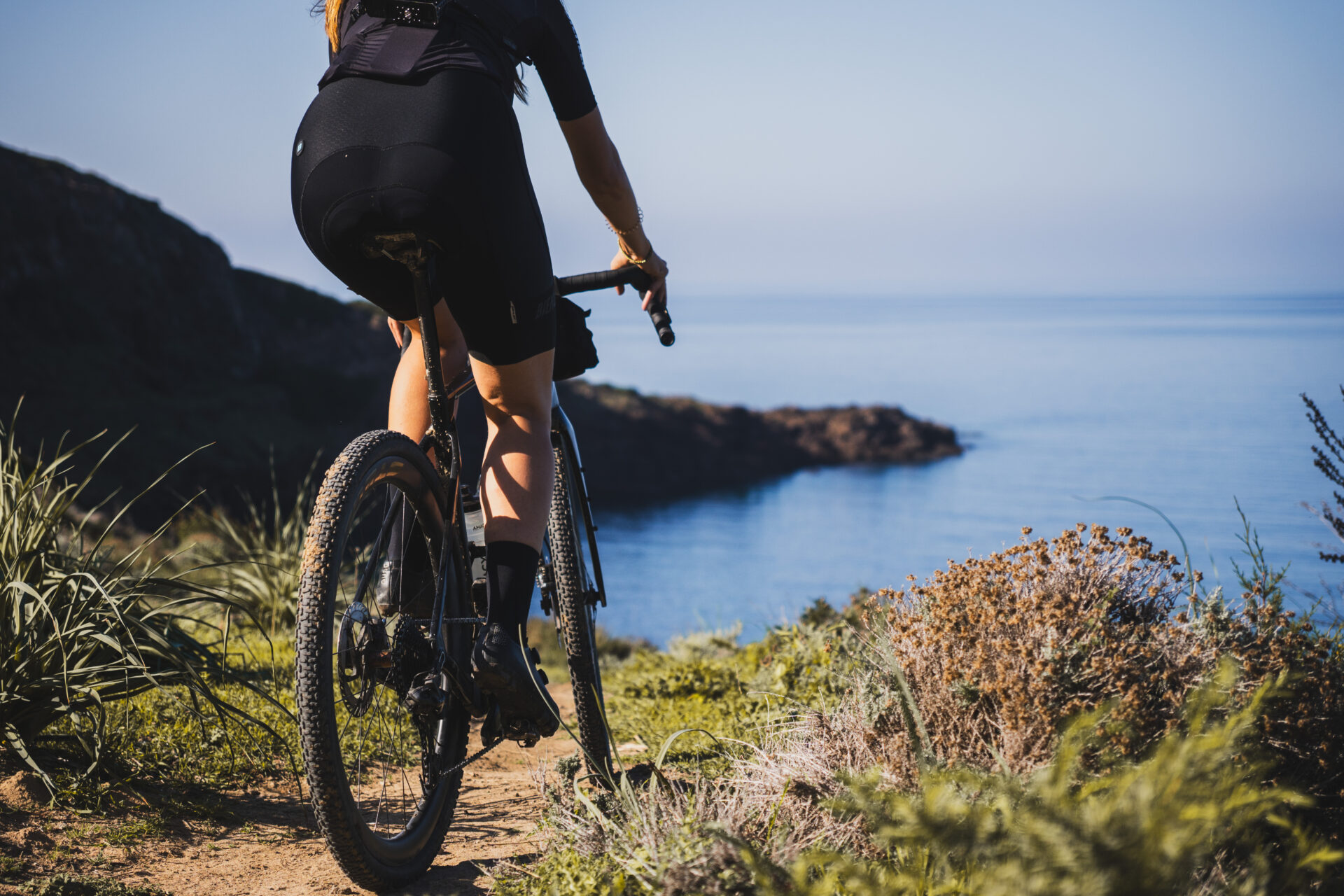
Sardinia has something for every cycling enthusiast. You can find long, winding climbs on well-maintained roads here, but you can also enjoy excellent off-road adventures. Be aware that not all roads are well maintained. With a gravel bike, you know that on this island you can really go anywhere. However, there are also numerous well-maintained roads for cyclists. Climbs like Monte Limbara and Monte Albo offer plenty of challenges and breathtaking views. Along the coastline, you can enjoy rolling roads with stunning views over the clear blue sea. For mountain bikers, there are especially many challenging routes in the rugged Supramonte region and around the Gennargentu mountains.
The relaxed atmosphere and hospitality of the local people ensure that you can enjoy a well-deserved break after every ride with local specialties. After an intense ride, you can enjoy local specialties such as pane carasau (crispy flatbread), pecorino cheese, or a glass of Cannonau wine. The ancient nuraghe (prehistoric towers) and small mountain villages are definitely worth visiting to discover a piece of the island’s history. Luckily, you can do it all from the bike!
Sardinia is the perfect destination for a cycling holiday thanks to its unique combination of peaceful roads, challenging terrain, and breathtaking natural beauty. The island offers everything: long climbs in the mountains, rolling coastal paths with spectacular sea views, and off-road trails for gravel bikes and mountain biking. Add the authentic Sardinian culture, delicious local cuisine, and the sunny Mediterranean climate, and you have all the ingredients for an unforgettable cycling holiday.
All the way in the north lies the Gallura region, known for its granite rock formations and rolling hills. Here you cycle through quiet lanes and past the Costa Smeralda, a luxury tourism area known for its white sandy beaches and turquoise sea. The hilly routes offer a nice mix of challenge and relaxation, but it can get very busy here in the summer months.
Further inland, near the east coast, you come across the Supramonte, a rugged and mountainous region. This is the place for adventurous cyclists who love climbing and untouched nature. The limestone gorges, deep valleys, and winding paths provide challenging routes for all disciplines. Here you experience the wild side of Sardinia!
The Campidano region in the south forms a sharp contrast. This is an extensive, flat area with fertile plains and vineyards. It is an ideal place for those who want to cycle a more relaxed route, passing through peaceful, authentic villages and archaeological sites such as the nuraghi.
Along the east coast lies Ogliastra, a region with imposing cliffs and idyllic beaches. Here you can explore the cliffs on winding paths that wind along the coastline or mountain bike through the pristine nature. The mix of coast and mountains makes this a popular destination for adventurous cyclists.
In the southwest lies Sulcis, a historic mining area. Here you cycle through Mediterranean forests, past abandoned mines and secluded beaches.
Spring (March – May)
Spring is ideal for a cycling holiday in Sardinia. The landscape is in full bloom, with colorful flowers and green hills, while temperatures range from 15°C to 25°C. This season offers calm roads and pleasant weather, perfect for long rides along the coast or through the rugged interior. Occasionally, there may be a light rain shower, but overall this is the most pleasant time to explore the island.
Summer (June – August)
Summer in Sardinia brings long, sunny days, but also high temperatures that often reach over 30°C. Cycling is best done in the early morning or late evening, especially along the coast where a cooling breeze blows. During the day, the hot conditions can be challenging, but this season offers a unique combination of cycling and relaxing on the beach. The coastal areas can be very busy, but the interior remains quieter.
Autumn (September – November)
In autumn, the calm returns to Sardinia, while temperatures drop to a pleasant 18°C to 25°C. The landscape takes on warm autumn colors, and the roads are less crowded. This season is ideal for both long bike rides and adventurous gravel and mountain bike routes. As November approaches, the chance of rain increases, but the atmosphere and comfort remain pleasant for cyclists. In early autumn, the sea is still pleasant. And; during this period, you have the beaches almost to yourself!
Winter (December – February)
Winter offers mild temperatures of 10°C to 15°C, with clear skies and quiet roads. This is an excellent time for those who want to avoid the crowds. Although the days are shorter and there is a chance of rain, the silence and the pure landscape create a unique experience, especially along the coast.
Best time to travel
Spring and autumn are the most recommended seasons for a cycling holiday in Sardinia due to the pleasant temperatures, quiet roads, and beautiful scenery.
There are plenty of bike-friendly accommodations to be found in Sardinia. Generally, you can bring your bike into hotels, but always check this in advance of your booking.
There are numerous locations in Sardinia where you can rent bicycles. For example, you can rent a nice Cube gravel bike or race bike here. You can also stay overnight at places like Bike Hotel Asfodeli. There you can also get fantastic (cycling) travel guidance so that you can find the most beautiful routes. You can also find good options for mountain biking and cycling with a guide here.
You shouldn't miss these climbs in Sardinia
Monte Limbara
Length: 14 kilometers
Altitude meters: 907 meters
Average rate of increase: 6,5%
Starting point: Temple of Pausania
Description: The climb to the top of Monte Limbara is beautiful. You cycle through pristine nature and arrive at special, massive rock formations, giving the landscape a surrealistic touch.
Passo Montecani
Length: 9 kilometers
Altitude meters: 456 meters
Average rate of increase: 5,1%
Starting point: Fontanamare
Description: Although the top of this pass is only at 419 meters above sea level, this is a real challenge – the last 3 kilometers are steep with percentages around 13%.
Passo di Genna Silana
Length: 37 kilometers
Altitude meters: 1145 meters
Average rate of increase: 3,1%
Starting point: Lotzorai Description: This is one of the longer climbs in Sardinia, which is easy to cycle for everyone because it isn't very steep. There are even stretches of flat terrain. But definitely add this climb to your list, because the surroundings are beautiful.
Looking for beautiful gravel paths in Sardinia? Then read about the experience of Maks and Jeffrey here.
Travel tips
- Best destination: You can get to Sardinia by plane (airport Olbia or Cagliari) or by ferry (from Genoa (FR) or Pisa (IT)). Many people also choose to travel via Corsica. From Olbia you can make many beautiful cycling routes. Tip: Rent a car so you can explore the entire island and cycle from multiple locations. That way you’ll experience the island in the best way possible!
- Traffic information: The roads are very quiet – especially inland – so you can cycle safely. In the high season, it will be busier around the larger cities and tourist areas such as the Costa Smeralda.
- Culinary: The Sardinian cuisine is known for its pure and simple flavors, based entirely on local ingredients. Typical dishes include pecorino sardo, a traditional sheep cheese, and porceddu, slowly roasted pork that is considered a true delicacy. Bread also plays an important role, with the most famous variant being carasau, a thin and crispy bread often served with olive oil or cheese. For pasta lovers, there are specialties such as malloreddus, small pasta shells served with a rich, spicy sauce. The sea also offers an abundance of fresh products, such as lobster and bottarga (salted fish roe). A meal is often concluded with a glass of mirto, a liqueur made from the berries of the mirto plant, a typical Sardinian tradition.
When are you leaving?
How do you get there?
This is how we calculate: We calculate distances and travel times starting from Utrecht. Our flights always depart from Schiphol, Rotterdam The Hague Airport or Eindhoven Airport. Want to know how to travel from your place of residence the best way? Let us know, We are happy to help you. After all, we built this site together.
Vlieg je? Lees onze gids Flying with your bike: welke airline, wat het kost en hoe je je fiets inpakt.