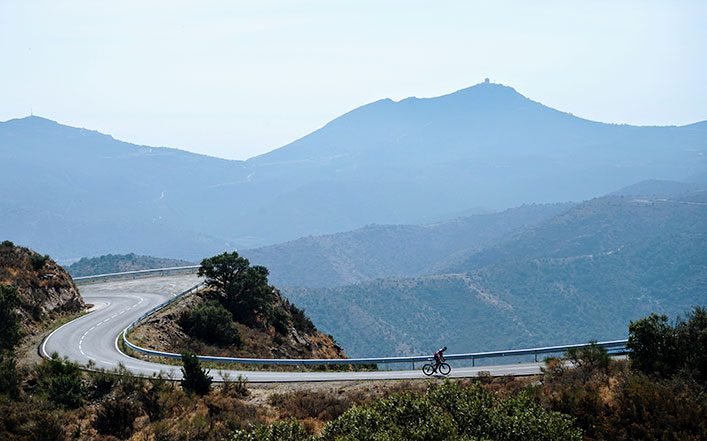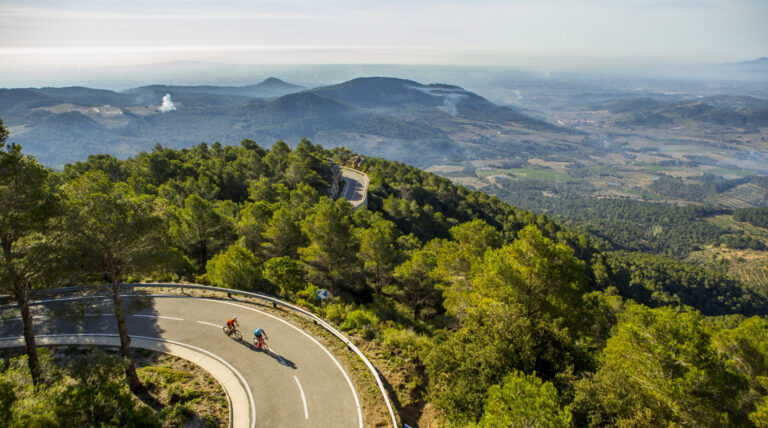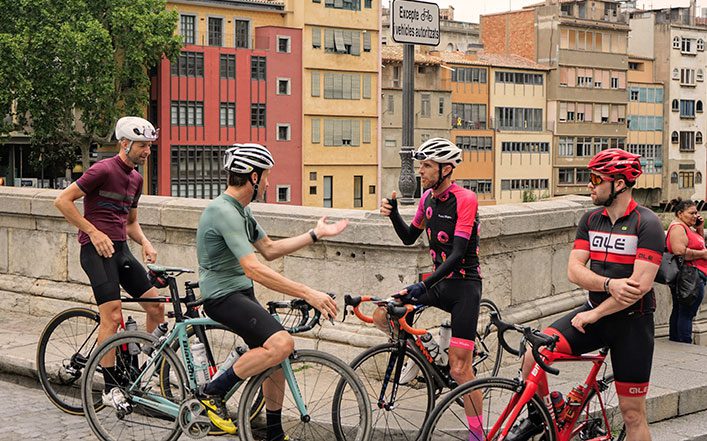
Girona is not without reason called the cycling capital of Europe. In this medieval city in the northeast of Catalonia, an hour from Barcelona, dozens of pros live and train, from road racers to gravel pros. You can feel it everywhere: in the cycling cafés of former pros, in the bike shops and on the roads, where in the morning you can just spot a group of people in team clothing passing by. Girona lies between the Pyrenees and the Costa Brava, and that makes the mix complete: long climbs, quiet back roads, the coast, and endless gravel.
Why cycle in Girona?
- Cycling culture. Nowhere in Europe is there so much organized around cycling: cafes, rental services, group rides, bike-friendly hotels.
- Variety. Climbing to monasteries in the hills, dead ends like the Rocacorba, the coastal path along the Costa Brava, and medieval villages in the interior.
- Gravel. Girona is growing into one of the best gravel destinations in Europe, with forest roads and trails starting from the city limits.
- Accessible. The Girona-Costa Brava airport is located very close to the city, and Barcelona is an hour away.
The city
Girona is one of the most beautiful cities in Spain. Walk along the old city wall, see the cathedral with its Baroque facade and take photos of the colorful houses on the Onyar River. The old town is compact, lively and full of good restaurants. After a ride, it’s a wonderful place to spend time.
The climbs
Rocacorba
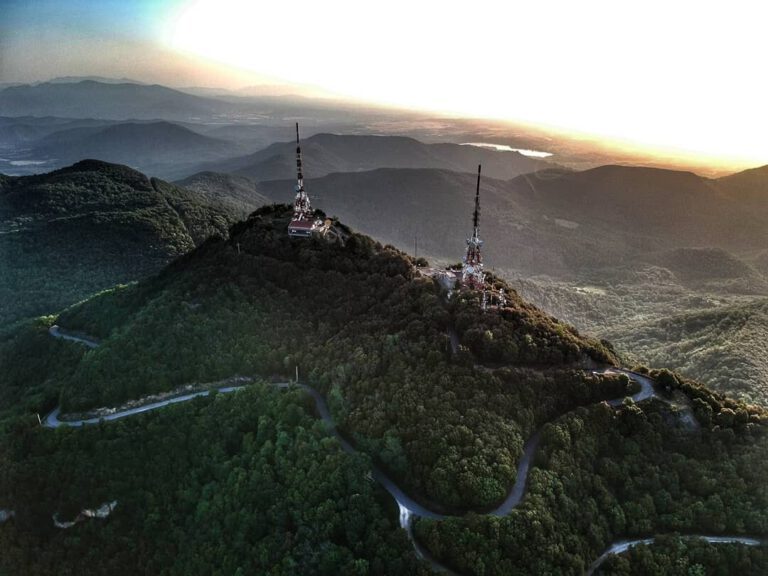
The home hill of Girona, and the climb where everyone tests their form. From the area of Banyoles, it is 9.9 kilometers with 737 meters of elevation gain, an average of 7.4 percent. After a quiet start, first flat and then increasingly steeper towards Camós, the road turns into the forest after a bridge. From the Collet de Pujarnol, it is only double digits anymore. The climb is a dead end, so you descend the same way back. Old pro David Millar founded the Rocacorba Cycling Club there, only by invitation; the time limit is your age plus ten minutes.
Els Àngels
The classic city-to-town warm-up: over ten kilometers at an average of 3.6 percent, a delightful run. Above is the Santuari dels Àngels, overlooking Girona, the Empordà and in the distance the Pyrenees.
Sant Hilari Sacalm
For the endurance training: 26 kilometers at an average of 4 percent, through forests and along streams. Long, gradual and relaxed.
Towards the coast
Between Girona and the Costa Brava are the Sant Grau (6.2 kilometers at 5.7 percent to 471 meters, with hairpin bends and sea views), according to the experts, one of the most beautiful stretches in all of Catalonia, and the climbs of Santa Pellaia, Puig d’Arques and La Ganga. Combine them with the coastal road from Platja d’Aro towards L’Estartit.
The Pyrenees an hour's drive away
Anyone who wants to experience real mountains should drive from Girona in about an hour to the eastern Pyrenees. There are the Coll de la Creueta and the climb to the ski resort Vallter 2000: over 22 kilometers at an altitude of 2,156 meters. The first part is relatively flat, below five percent, but the last ten kilometers are the hardest. Not included in the Tour or the Vuelta, and therefore a hidden gem. Plan a day of driving there or spend a night in Camprodon, a beautiful town at the foot of the climb. Closer to Girona is the Turó de l’Home in the Montseny mountain range: 25 kilometers at an average of 5.9 percent, which ends on a steep path with beautiful views; the last six kilometers are above 8 percent.
A beautiful round: coast and medieval villages
Our favorite round runs from Girona to the coast and back via the medieval villages of Pals, Palau-Sator and Monells, mostly on quiet country roads through the fields. About 80 kilometers with almost 1,100 meters of elevation gain. With an extra day, you can tie it all together with the Sant Grau and coastal route.
Gravel in Girona
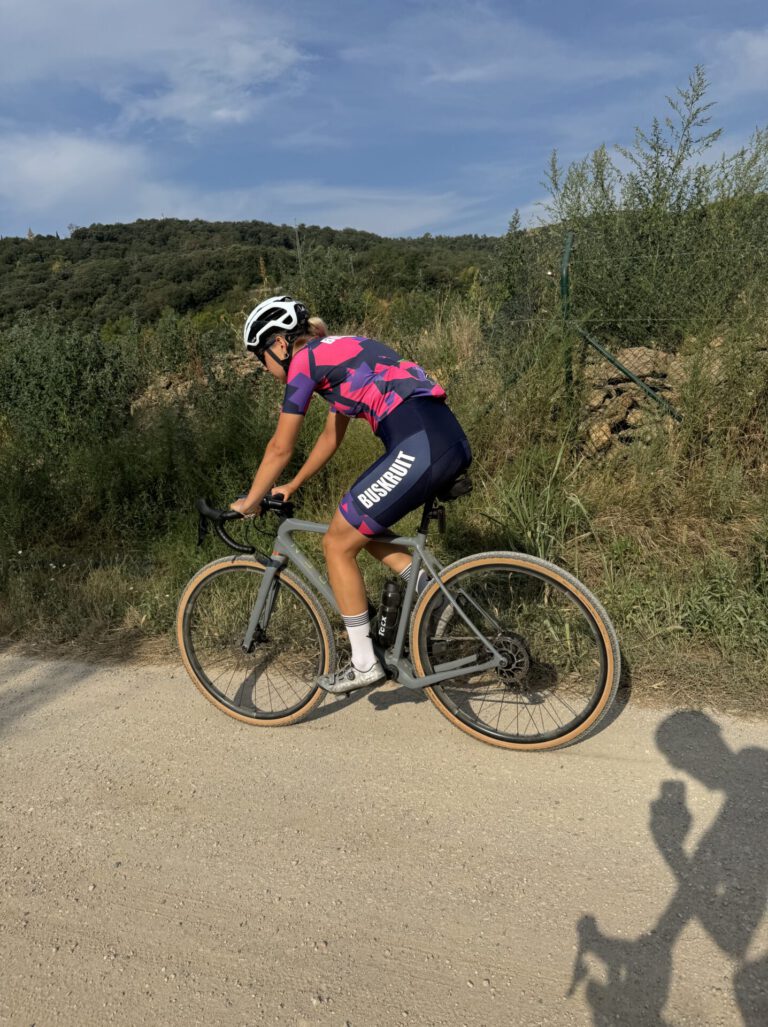
Around Girona, the gravel starts almost at the city border. Our writers rode a first 75-kilometer route there at the end of August, 90 percent of which was on gravel, covering about 700 meters of elevation gain: forest roads, brushwood, and here and there an adventurous crossing over wooden planks. Day two was the GiRodeo route: 100 kilometers with 1,606 meters of elevation gain through dense forests, over dusty roads, and along streams. In August, the temperature climbed to 38 degrees Celsius, so you’d better go in the spring or autumn. Read the gravel story.
Coffee and food
Girona has the best cycling cafes in Europe, often run by former professional cyclists:
- La Fabrica. From former professional Christian Meier and his wife Amber. Breathes cycling, before the coffee beforehand and after the lunch afterwards.
- Hors Category. From Robert Gesink: good food and good coffee, especially for cyclists.
- Federal. From former pro Rory Sutherland, more for coffee and lunch.
- Eat Sleep Cycle. Cafe, bike rental, group tours and workshop in one.
Our gravel routes from Girona
From a day trip of 100 kilometers to two more-day adventures: the Pirinexus loop across the border with France and El Piri, almost 800 kilometers through the Catalan Pyrenees.
Route collection · Gravel
Gravel around Girona
- 3routes
- 102–767km per ride
- 18.938max. altitude meters
- 1.213km in total
- 1
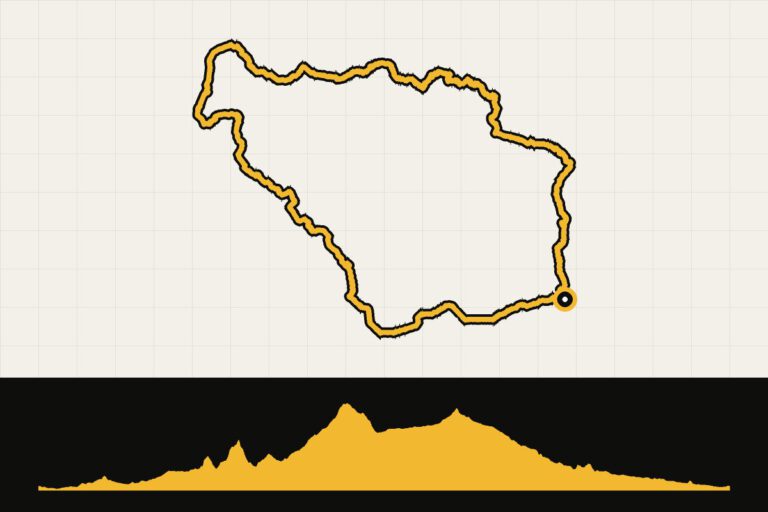
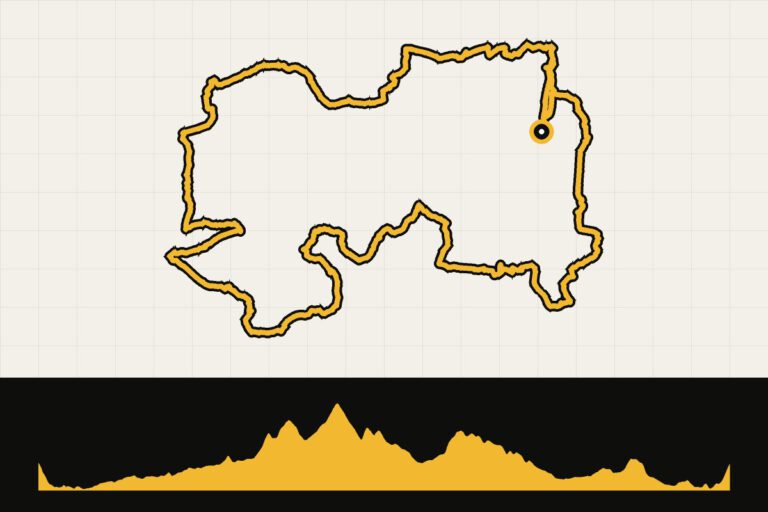
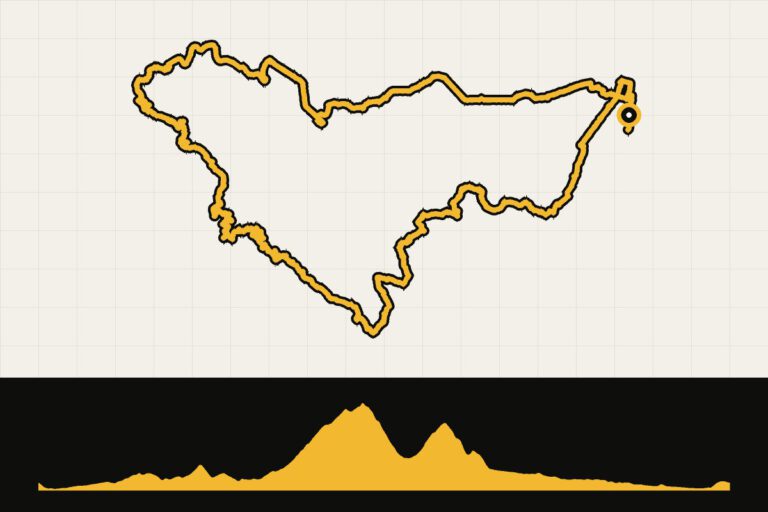 Route 1 · 101.8 km · 1,504 hmGirona gravel: 100 km through the Guilleries100 km of gravel through the forests of the Guilleries.Map, profile & GPX of route 1 →
 - 2
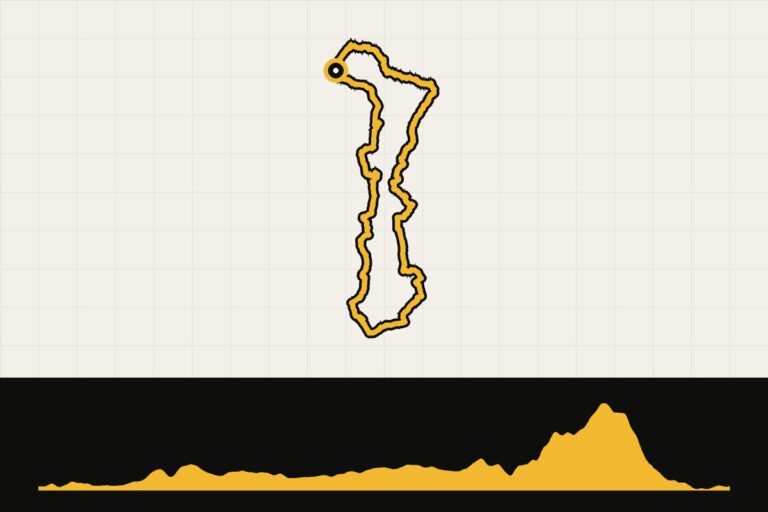
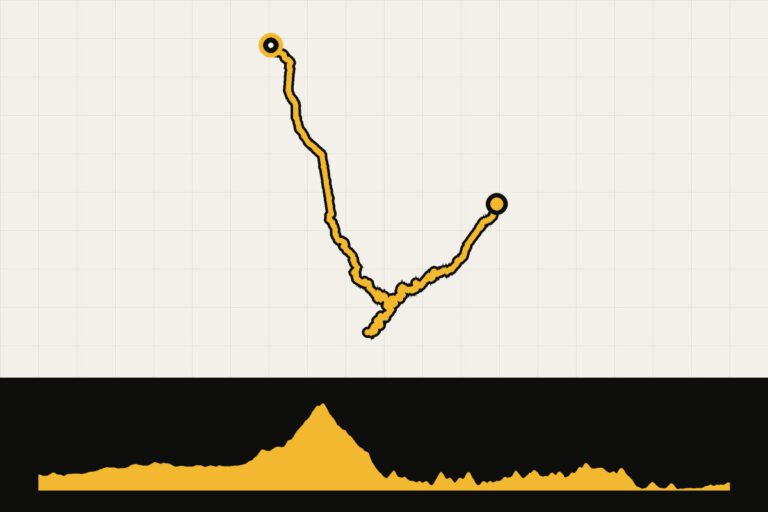
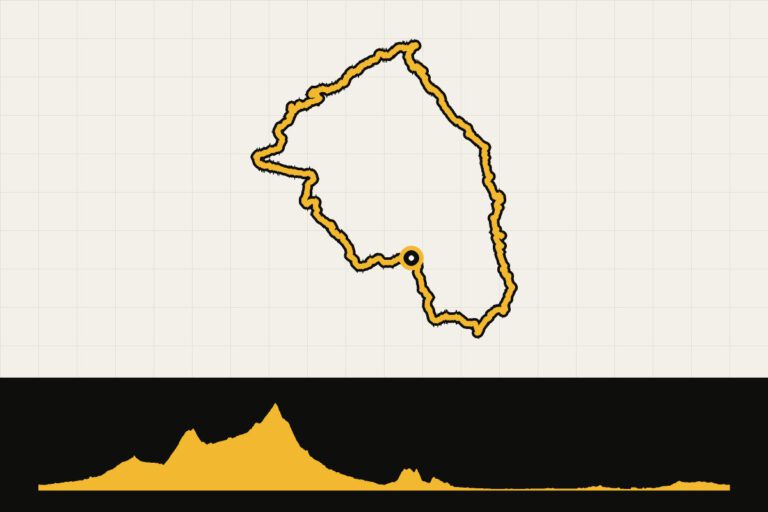 Route 2 · 344 km · 3.373 hmGirona gravel: PirinexusMulti-day loop over the Pyrenees to France.Map, profile & GPX of route 2 →
 - 3
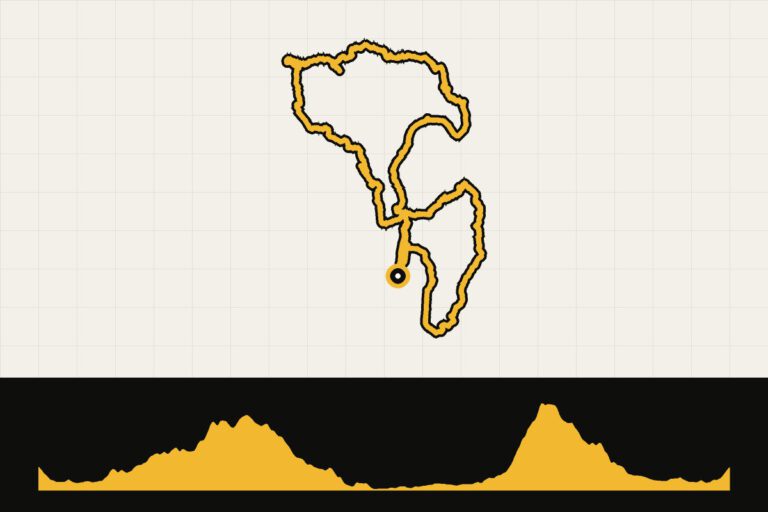
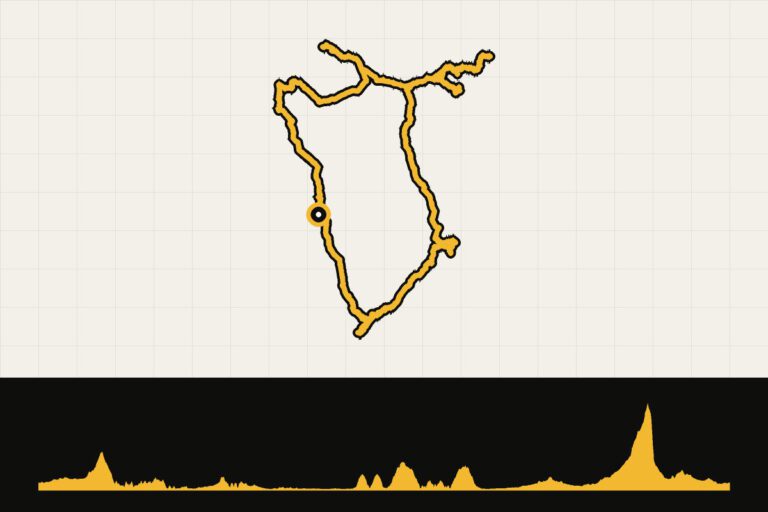
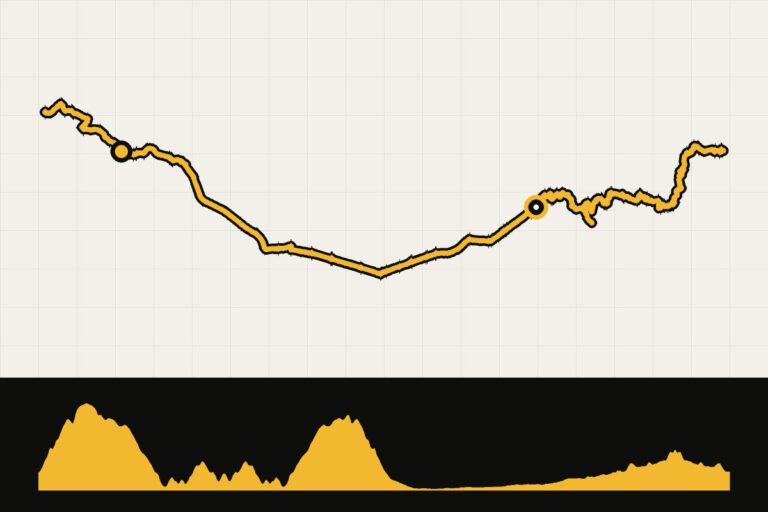
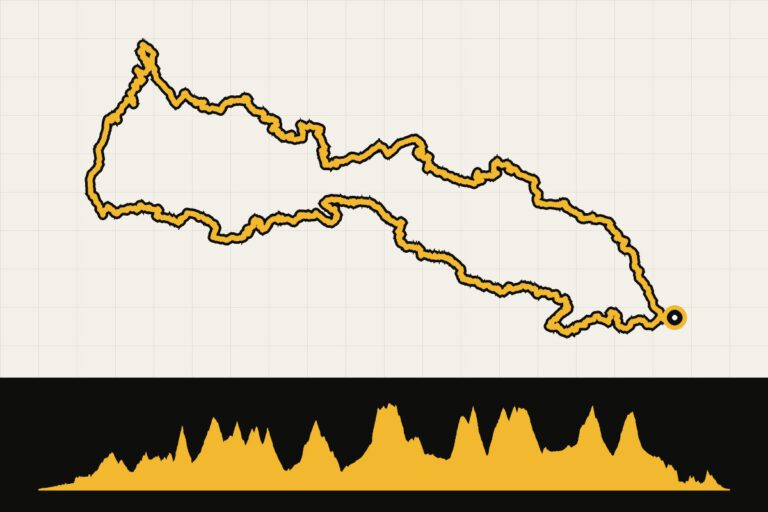 Route 3 · 767.2 km · 18.938 hmEl Piri: the spirit of the Catalan PyreneesBikepacking: 770 km through the Catalan Pyrenees.Map, profile & GPX of route 3 →
Overnight stays and bike rental
Hotel Nord 1901 is located right in the historic center, with spacious rooms and a secure bicycle parking area. You can rent a bike at Eat Sleep Cycle, including gravel bikes. Tip: Many rental companies focus on the British market, so ask if the brakes are adjusted to European standards. If you want a multi-day tour with guidance, there are local providers like Catalonia Bike Tours.
Girona in winter
Girona is also a cycling city in the winter, but not a beach destination. During the day in December and January it is usually 12 to 15 degrees, but the mornings are cold: inland it can be around freezing point, especially in the valleys towards the Pyrenees. Therefore, don’t start too early and choose the coast on cold days. Around Sant Feliu de Guíxols and Tossa de Mar it is often a few degrees warmer, and the winding coastal road between them is also beautiful in winter. Many pros live in Girona and train here all winter, so in the coffee bars of the old town it’s busy with race bikes on Saturday mornings.
What to bring?
- Winter gloves and overshoes for the cold mornings.
- A vest that fits in your back pocketIn the afternoon it often gets warm in the sun.
- LightingIn December, it gets dark around six o'clock.
Climber map: the most important climbs
On this map you can see the most important ascents in the area. Click on a point for the altitude and the climb figures. The yellow points have a GPX route attached.
When are you leaving?
March to June and September to November, between 15 and 25 degrees Celsius. In the summer, above 35 degrees Celsius.
From March to June and from September to November, with temperatures between 15 and 25 degrees. In the summer it reaches above 35 degrees; it starts very early. In the winter it is cool but often sunny, and suitable for those who can handle the cold.
How do you get there?
- Aircraft: Fly from Schiphol or Eindhoven to Barcelona or, in the season, to Girona-Costa Brava. From Barcelona, you are in Girona in an hour, by train (high-speed line) or by car.
- Car: From Utrecht it’s about 1,400 kilometers via France. Split the journey over two days; our writers slept after 1,100 kilometers in France.
- Train: via Paris by TGV to Girona, and you're there in one day.
This is how we calculate: We calculate distances and travel times starting from Utrecht. Our flights always depart from Schiphol, Rotterdam The Hague Airport or Eindhoven Airport. Want to know how to travel from your place of residence the best way? Let us know, We are happy to help you. After all, we built this site together.
Are you flying? Read our guide Flying with your bike: Which airline, what the cost is and how to pack your bike.
More Catalonia
Girona belongs to Catalonia. Combine it with The Costa Brava or read The 5 most beautiful climbs in Catalonia.