
Every year on April 10th is the day of the bike helmet. For us, that is a great moment to look at what ‘impact’ technologies are available for cyclists and gravel bikers. How do they differ from one another? Many of you have probably heard of MIPS (Multi-directional Impact Protection System). But did you also know about Koroyd, Leatt Turbine technology or Wavecell? Perhaps not, that’s why we’re diving into the subject and you can use that to your advantage. Because while it won’t protect you from the massive impact of an SUV, it can help you if you fall to the ground or hit a tree… to name just a few things.
Impact Technology: what is it?
Imagine you have an accident or fall and you hit your head. That’s obviously never nice. A helmet can protect you, in the place where the helmet is attached. The most important thing is, of course, that you wear it properly on your head. Make sure the helmet doesn’t slide and secure the straps tight enough. That way you’re protected. But what does the helmet do to reduce the risk of, for example, a concussion?
New impact technologies have been developed for this purpose. These are designed to ensure that the impact you receive is less severe for you and your brain. This involves the rotational motion your head makes during an impact, particularly one where you are not colliding head-on. The impact technology is designed to actually absorb that motion and thereby reduce the risk of brain injury.
Several variants
To cope with this kind of ‘blows’ to your head, there are several manufacturers active on the market. As mentioned earlier, there is MIPS (a Swedish company), you have WaveCel, Kineticore, Koroyd, Turbinetech from Leatt and also SPIN (from POC). We’ll go through them in a moment.
MIPS (Multi-Directional Impact Protection System)
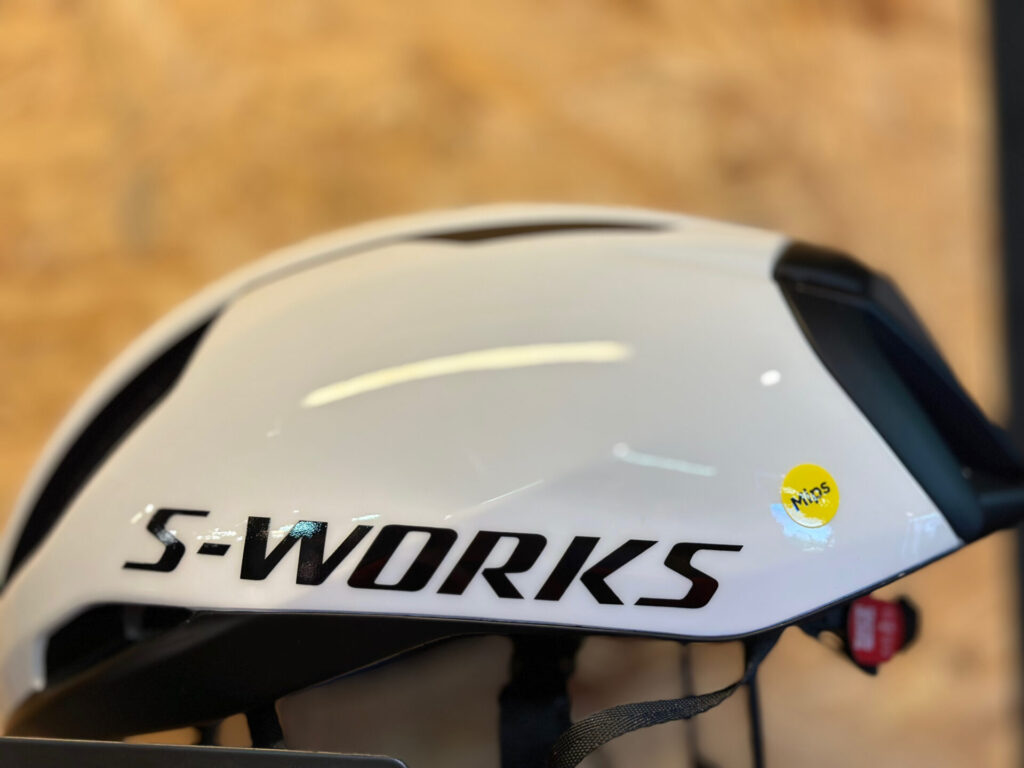
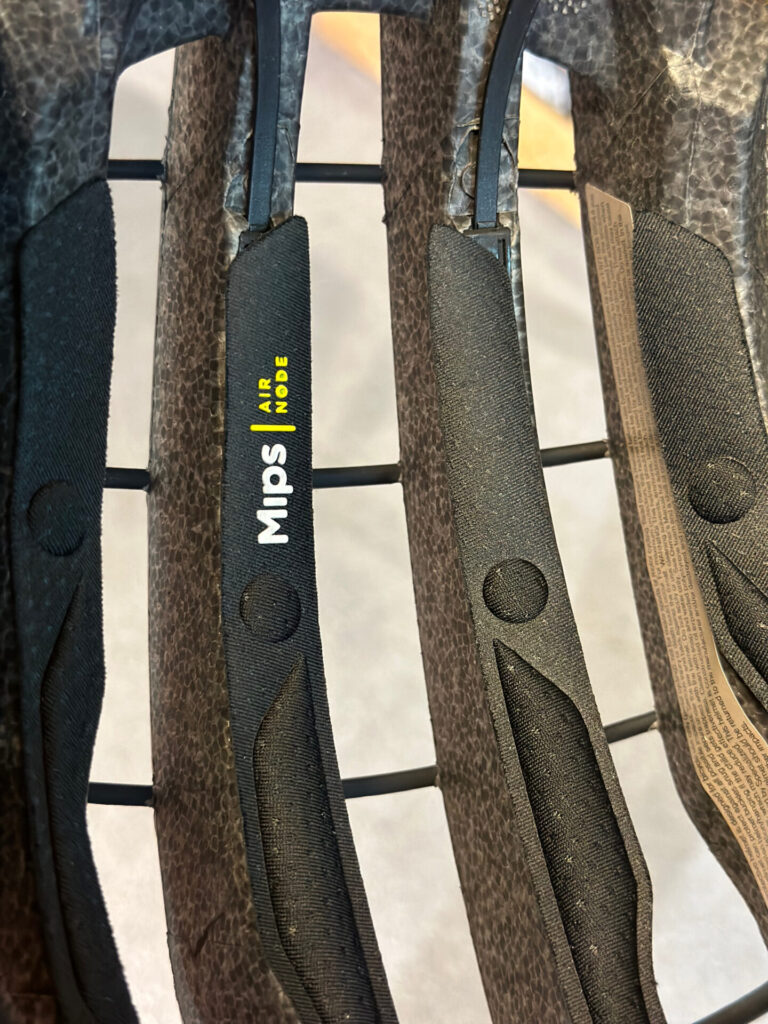
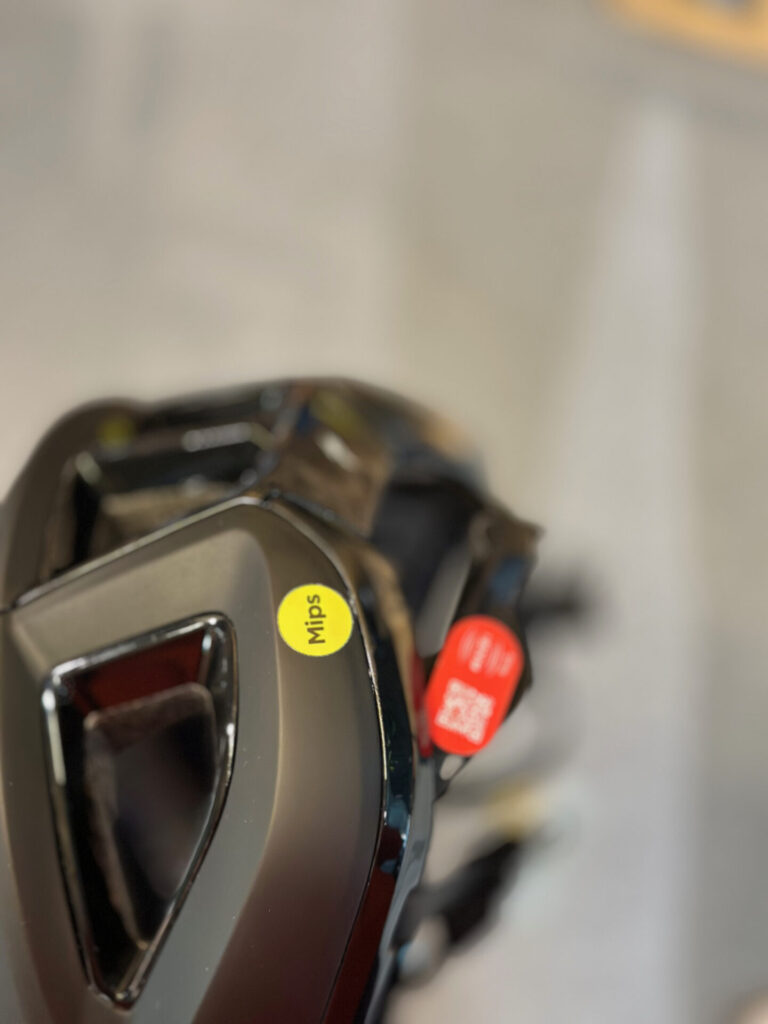
How It Works: MIPS It is designed to reduce the rotational forces that can occur when a certain impact occurs at an angle (not straight ahead), and uses an additional scale inside the helmet that allows the outer shell to rotate slightly around the head during an impact.
Unique Features: The main feature of MIPS is the addition of an extra layer in the helmet that allows for a sliding movement of 10-15mm in all directions, thereby reducing the aforementioned rotational movement of the brain during an impact.
Agreements with others: Like other technologies, MIPS is designed to provide extra protection in certain crash scenarios, on top of what traditional helmets offer. It is an additional system in the helmet, which is also used by WaveCel, Koroyd and Leatt.
WaveCel
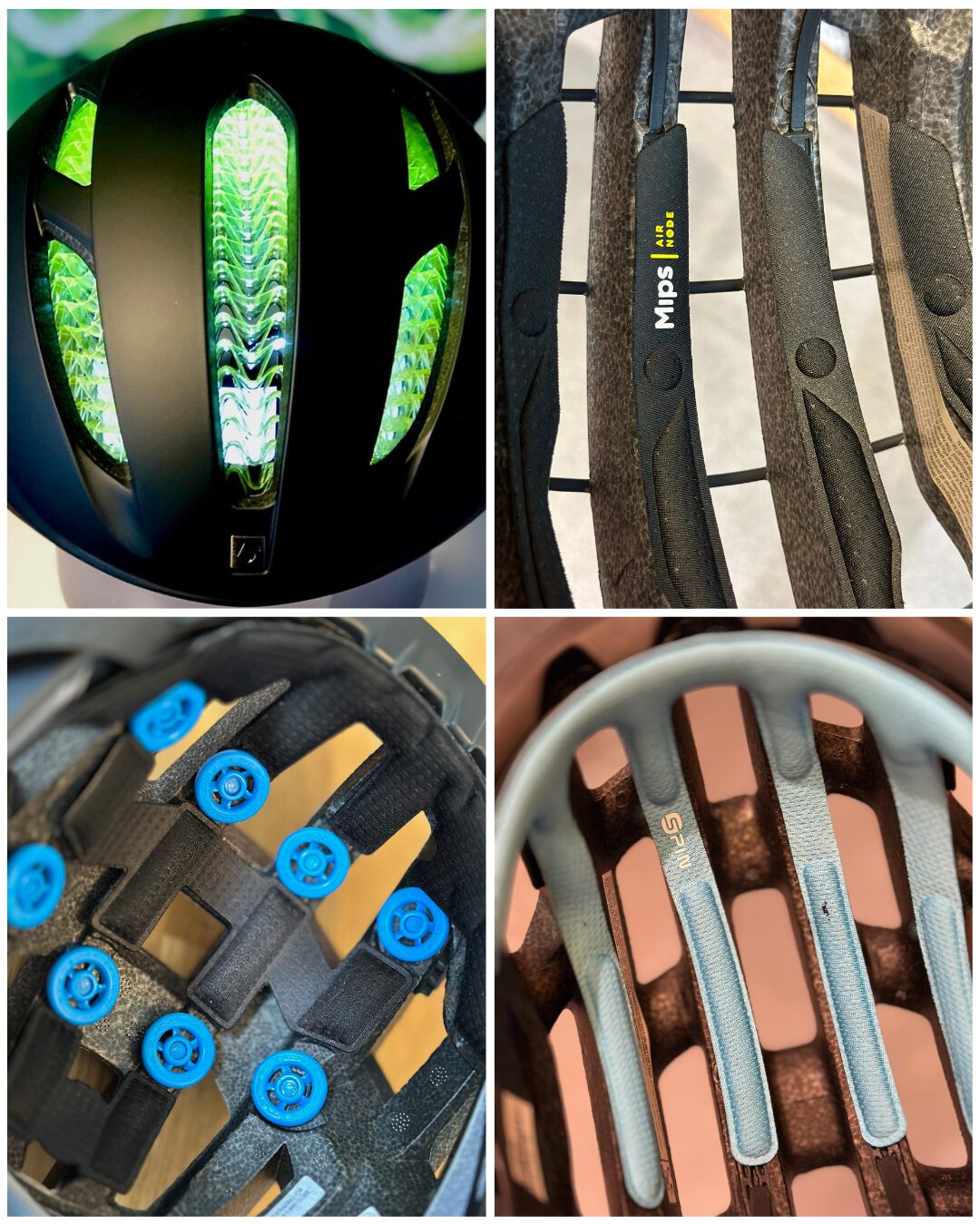
How It Works: WaveCel is a foldable cellular structure that is located on the inside of a helmet. When impacted, the cells shrink and slide, effectively absorbing the energy from both direct impact and rotation. This reduces the forces that lead to a concussion.
Unique Features: The distinctive feature of WaveCel is the foldable cellular structure, which forms a crumple zone for the head, making it highly effective against both direct and rotational impacts.
Agreements: Like MIPS and other technologies, WaveCel aims to reduce the energy transferred to the brain during a crash, but it does so by means of material formation rather than a slip layer.
Koroyd
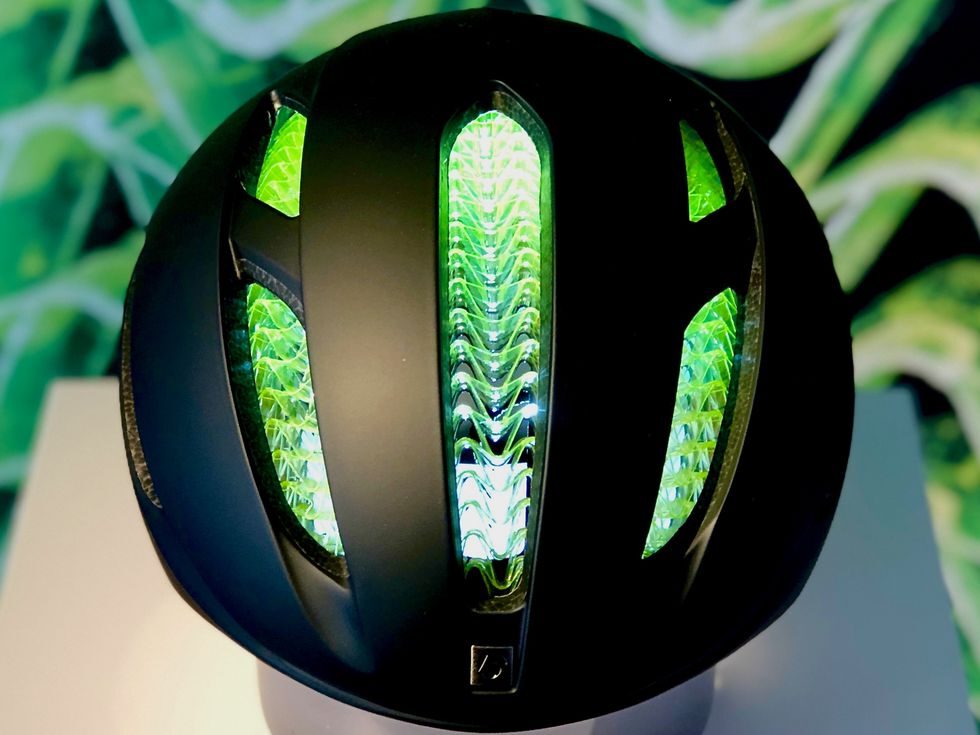
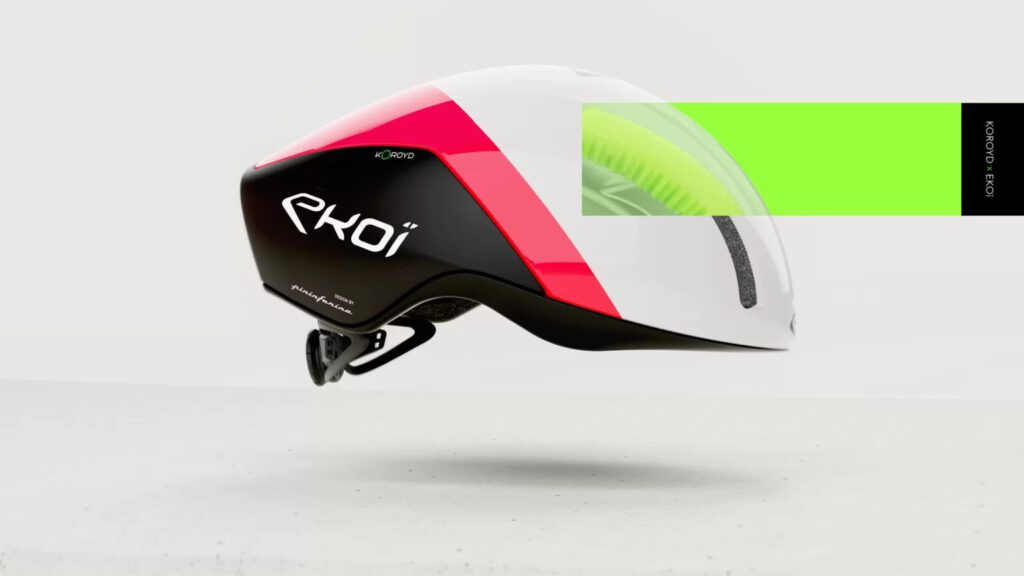
How It Works: Koroyd It has a unique honeycomb-like structure of sorts of tubes. This structure also absorbs the energy that is released during a collision or fall. This system (according to experts) is more efficient than traditional foam padding by absorbing the impact more uniformly.
Unique Features: The Koroyd structure provides a ‘controlled deceleration’ in a crash, significantly reducing trauma. Additionally, it also provides extra ventilation without sacrificing protection.
Common: Koroyd, like the others, focuses on reducing the impact force on the head, although it emphasizes breathability and cooling in addition to impact absorption.
SPIN (Shearing Pads Inside)
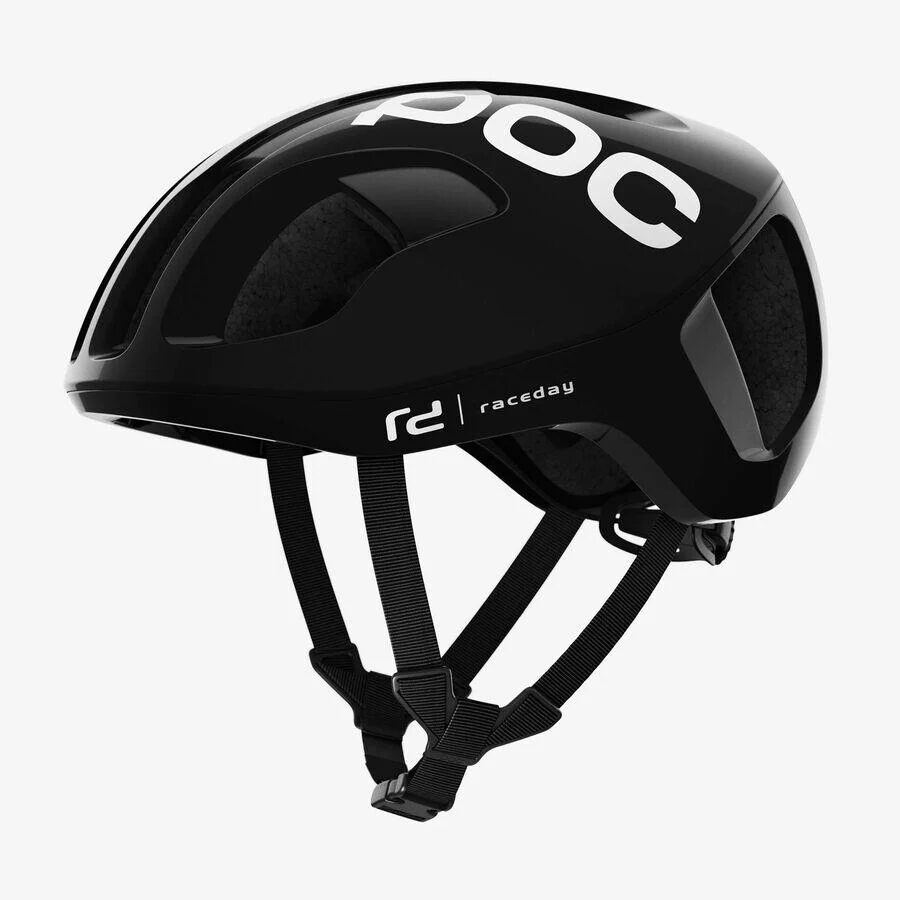
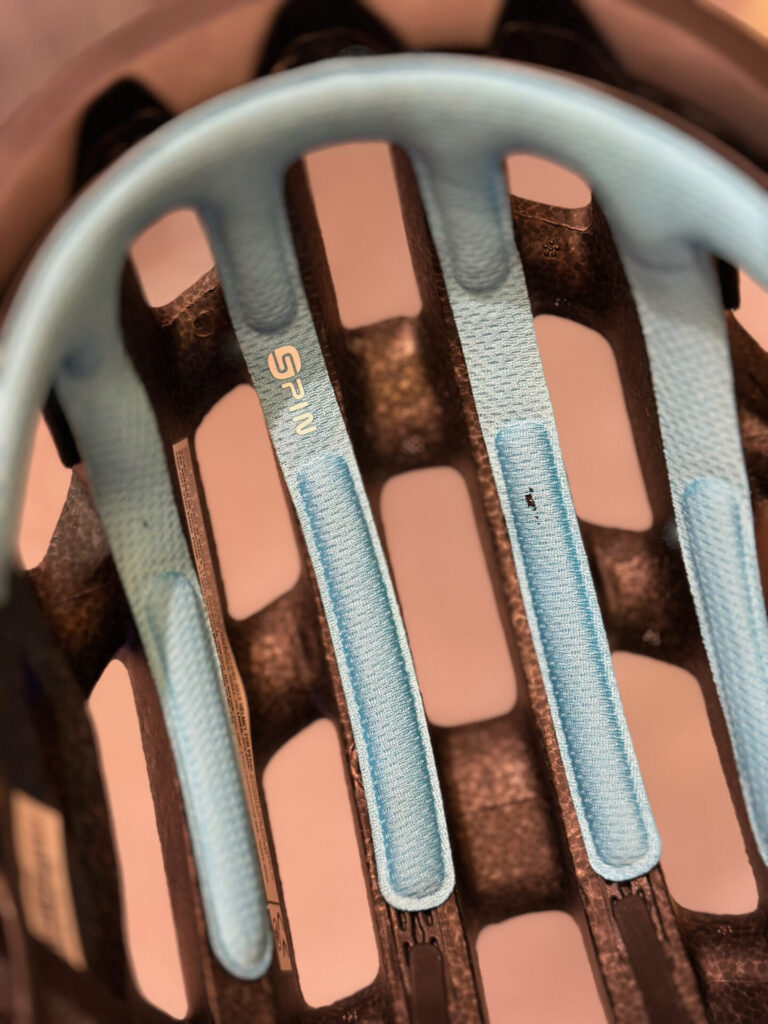
How It Works: Spin, developed by POC, The , is a system of silicone pads inside the helmet that can slide in any direction. The helmet can then move from the head during a fall or collision. This reduces the force transmitted to the brain.
Unique Features: The simple design of SPIN, integrated into the padding itself, makes it less visible but very effective in reducing the effects of rotational forces.
Common: Spin shares the goal of reducing rotational forces on the brain during a collision, similar to MIPS and WaveCel, but achieves this by integrating path technology directly into the helmet's design.
You'll find it in this POC helmet For example.
Kineticore
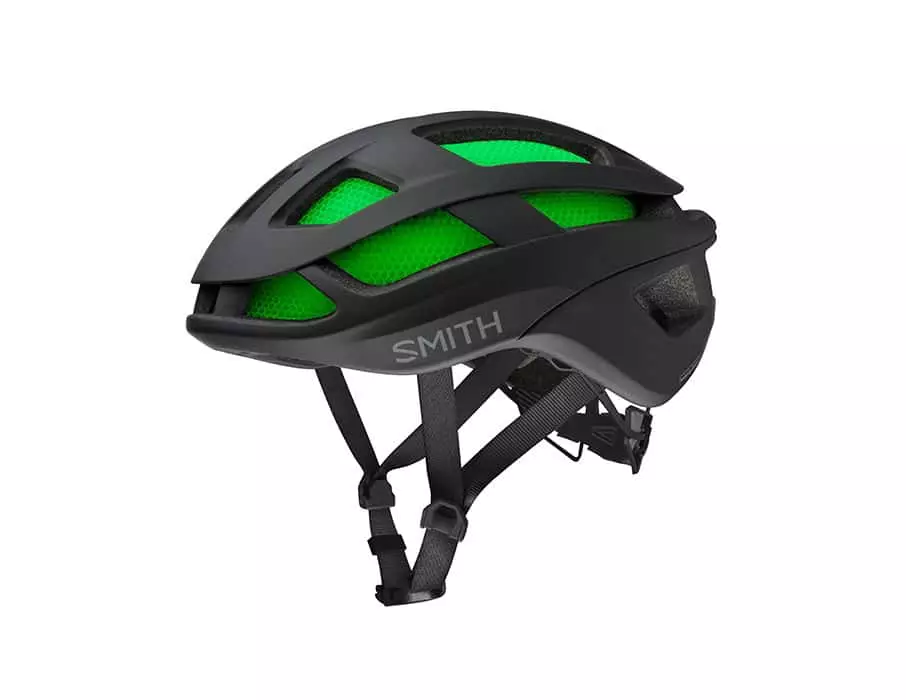
How It Works: Kineticore is a relatively new technology that uses built-in ribs and channels inside the helmet structure to absorb and disperse impact forces. It is designed to reduce both linear and rotational impact energy without the need for additional materials or structures.
Unique Features: The most important innovation of Kineticore is the way it is integrated into the helmet itself, which reduces additional weight or volume while increasing safety.
Common: Like other protection technologies, Kineticore focuses on reducing the impact forces transmitted to the driver's head during a fall, with a unique approach to the design of the helmet structure.
Leatt Turbine
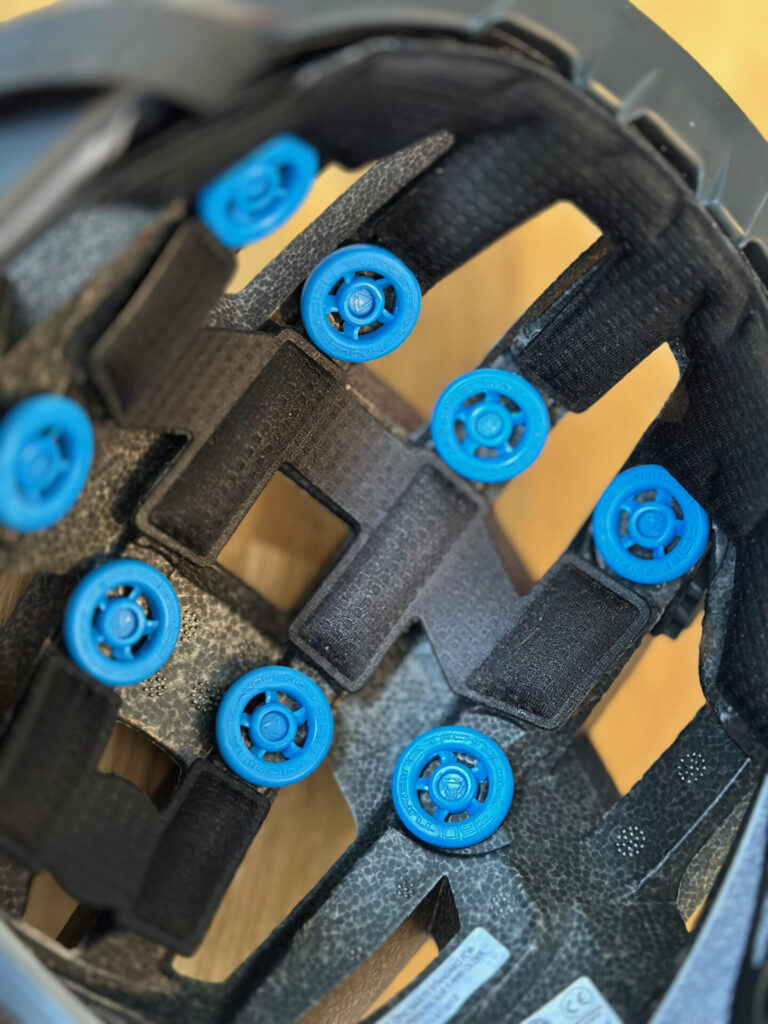
How It Works: Leatt Turbine technology consists of discs that can rotate 360 degrees. They are made of an energy-absorbing material and are located inside the helmet. These blue discs can move during a collision, reducing the rotational forces and the energy transmitted to the brain.
Unique Features: The turbines are designed to move in all directions, providing comprehensive protection against both direct and rotational impacts.
Common: Like the other protection technologies, Leatt Turbine focuses on reducing the harmful forces on the brain, but stands out for its use of moving discs for a dynamic impact response.
Conclusion
These technologies are different, but they all have one goal: to protect cyclists. They want to absorb not only direct impacts, but also reduce the forces that contribute greatly to brain injury. Whether it’s special layers, foldable parts, materials that can break, or adjustable pads, the goal remains the same. If you choose one, then it doesn’t seem like one technology is necessarily better than another. They have more or less the same effect: they allow the inside of the helmet to move away from the outside in the event of a collision. So the looks and price will be the most important driving factors. And there are already helmets with, for example MIPS available for less than €50.
This article contains affiliate links. If you order something through these links, we will receive a small commission. Thank you in advance!

Questions & tips
Do you have any questions about this route, or have you been there yourself? Share them here. We read everything and usually respond within a few days.