
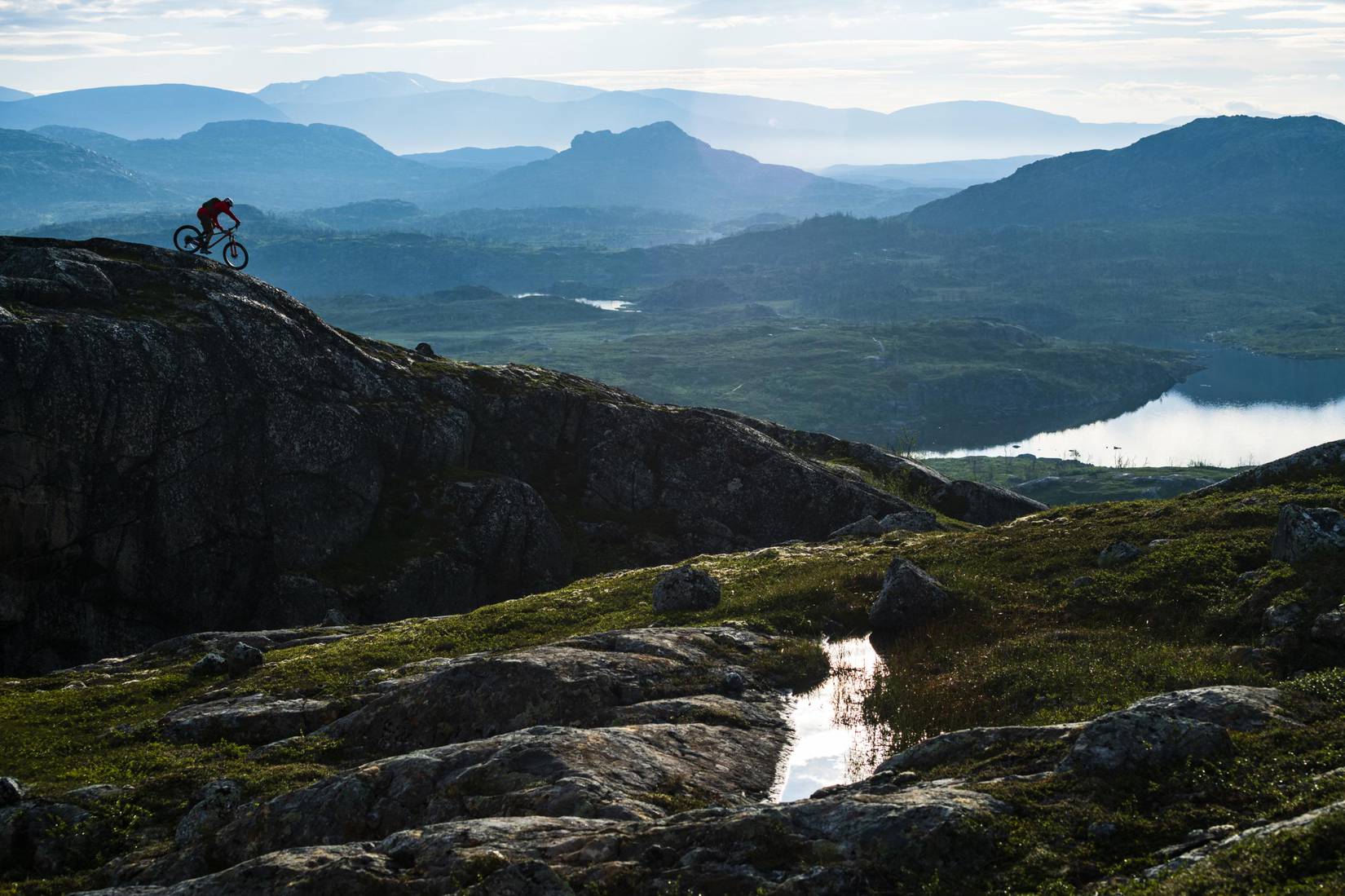
With 450,000 square kilometers and only 10 million inhabitants, there is Sweden Lots of space. And whatever you want to say about climate, cold or something else: the nature in Sweden is stunning. The country is known for being extremely relaxed. Not for nothing that many cyclists like to take a spin around the country of IKEA, Knäckebrod and Pippi. The far north of Sweden is too cold to cycle. Of course, there are die-hards who get really excited about that. In the south of Sweden there is a relatively mild climate and you can get around on two wheels from March to October. We took a closer look at the South Sweden Trails. 900 kilometers of pure cycling fun divided into three routes that you can also cycle separately. Let’s get rolling! Today we’re doing part 1 of the 3-part series.
Read also: Cycling in Southern Sweden: South Sweden Trails II, South Coast Trail
Read also: Cycling in Southern Sweden: Part III of the South Sweden Trails
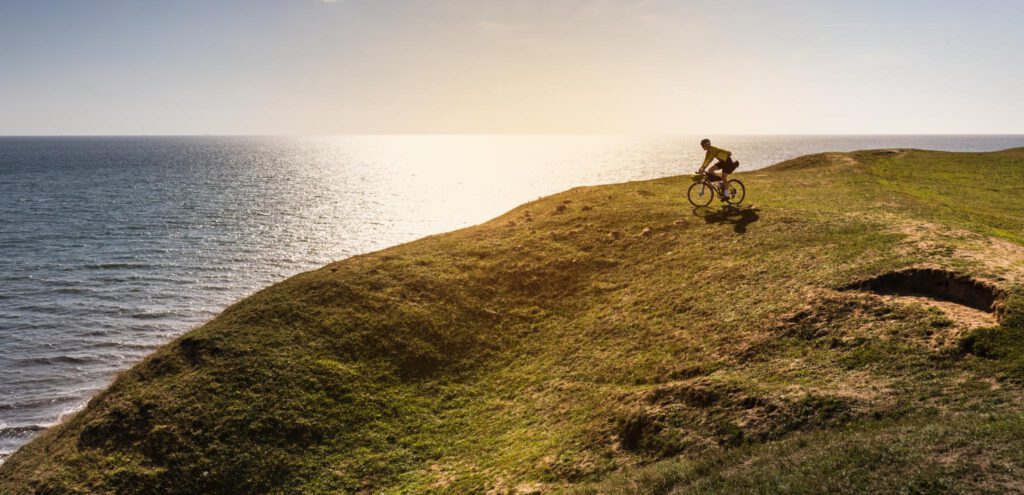
Where should you start?
Several large Swedish cities are located along the south-west coast: Helsingborg, Malmö and Gothenburg. If you travel by plane, Gothenburg is a logical start, but with the car Helsingborg or Malmö would be even more logical. Should you take the complete route from South Sweden Trails If you want to ride, it is convenient to start either in Växjö or in Gothenburg. Otherwise, it will be messy. The trails therefore consist of three different routes:
- The Kattegat members: this route actually follows the coast of the Kattegat, from Gothenburg to Helsingborg (or vice versa)
- South Coast residentsHere you follow the south coast, between Helsingborg, via Malmö to Simrishamn
- South-Easters: This route takes you from Simrishamn to Växjö, the final destination.
In this article, we will explore a beautiful stretch of the Kattegat. In parts 2 and 3 of this series, we will cover the other parts of the South Sweden Trails.
Starting point Gothenburg: Kattegatsleden
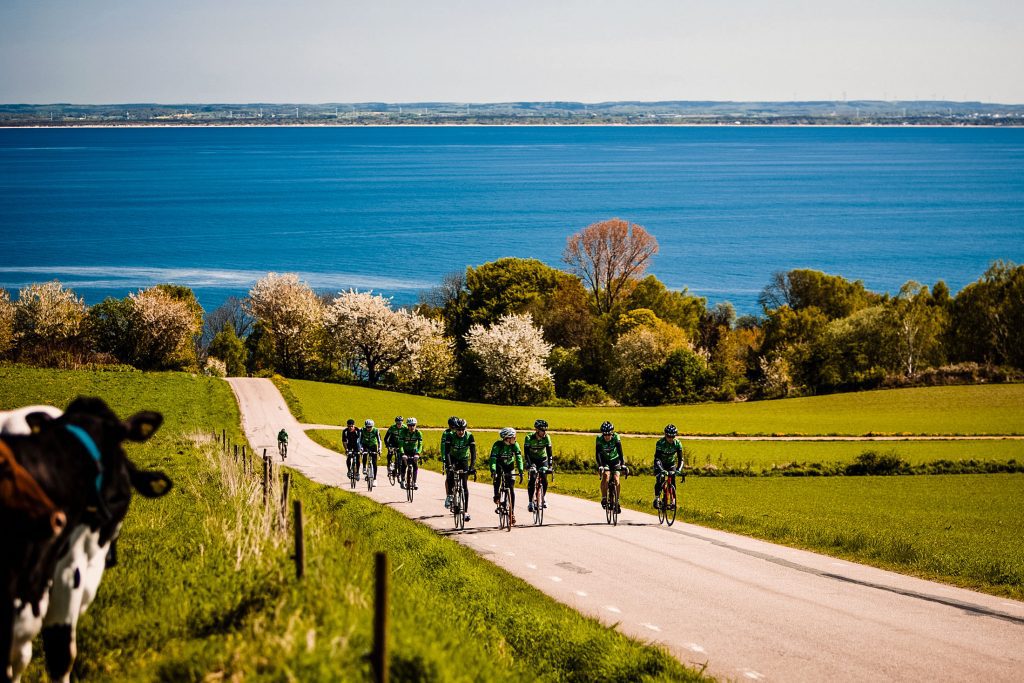
From Gothenburg, it heads south along the coast. The route is especially spectacular in terms of natural beauty. It is even a bit hilly for Dutch standards, although you only encounter a real climb at Bastad. There it is 7% to 14% steep slopes, so it’s not a pushover. This is also the most difficult stretch. For the rest, it’s a wonderful ride along the water. The first 100 kilometers are definitely worth stopping at the only Tudor castle in Sweden: Tjolöholm. The nearby town, Kungsbacka, has plenty of options for overnight stays and shopping.
More beautiful coastline
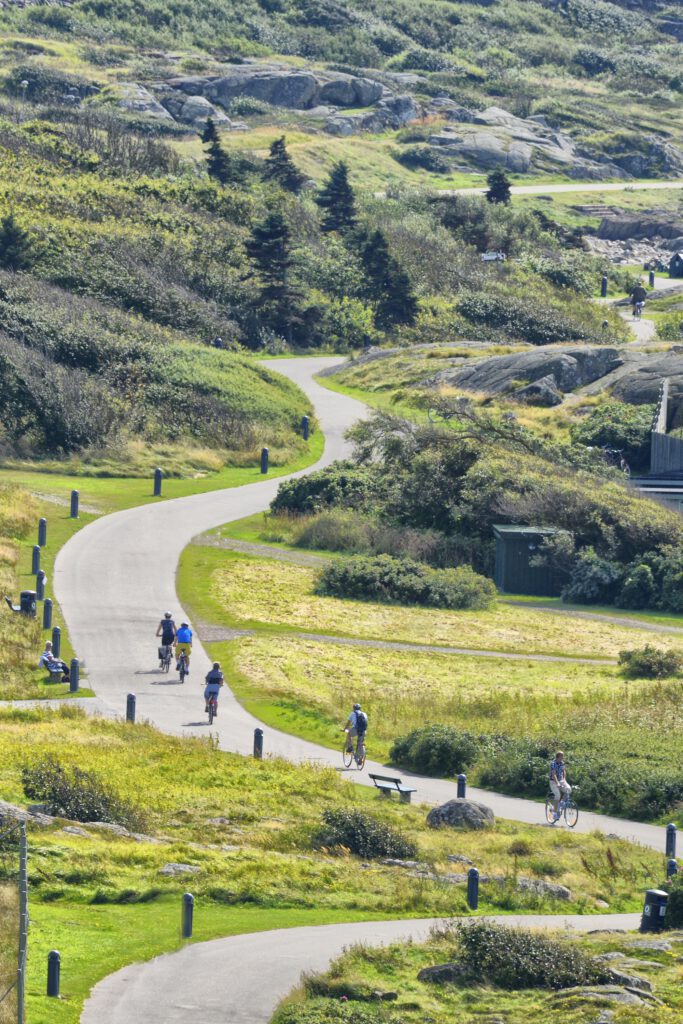
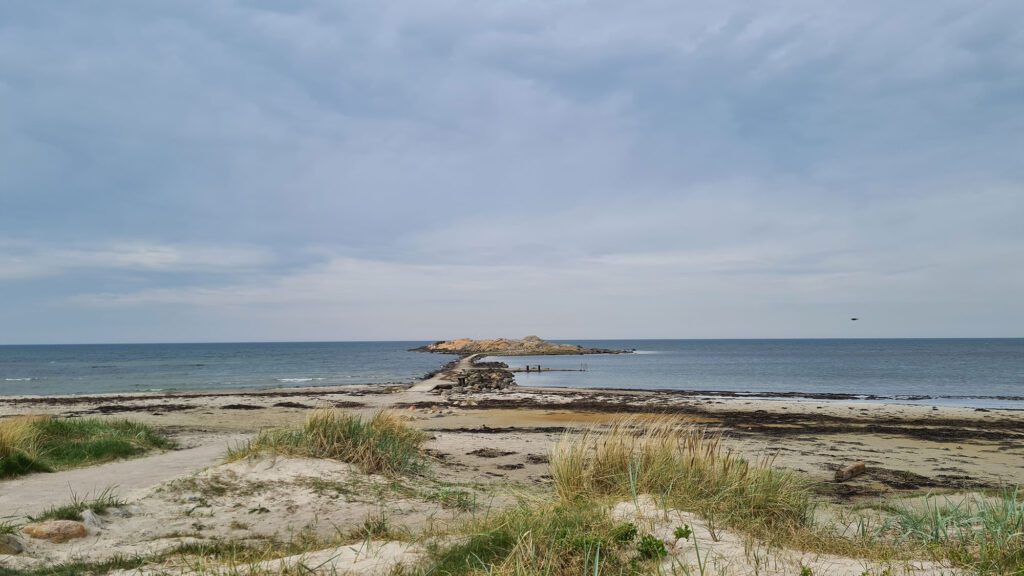
You’ll be driving on this 390-kilometer route, so you’ll be mostly along the coast. If the weather is nice, you’ll stop for a dip in the sea at the beaches near Falkenberg. Beautiful views, beaches, and not to mention the spa towns near Varberg. If you continue driving, you’ll eventually come across a beautiful piece of Holland in Sweden: the Sardal windmill.
The road is mostly in good condition, with here and there a stretch of unpaved road. Not something that will wake you up immediately on your race bike. On the gravel bike, it’s actually just not enough. What’s interesting to mention, of course, is that this route was voted the Best Cycling Route of the Year in 2018.
The route has been officially divided into 8 different sectors, which are on average 50 kilometers long. For the more dedicated cyclist, it is quite possible to combine several sectors in one day. You can, for example, do this route in three days, with the following stages:
- Goteborg – Varberg
- Varberg – Bastad
- Bastad – Helsingborg
More info
Would you like to know more about this route, about options for sleeping, eating, drinking, or ideas for a day trip on a day off? Check the site of this route. here
Questions & tips
Do you have any questions about this route, or have you been there yourself? Share them here. We read everything and usually respond within a few days.