
‘Drenthe!’ The exultant cry of my wife as we enter the most sparsely populated province in the Netherlands. The enthusiasm comes mainly from the fact that she was born here. The jokes about the dolmens and how it was to live in a log cabin are ones she already knows. Drenthe is a beautiful cycling province. Not only because of the National Parks, like the Dwingelderveld, but also because of the (new) roof of Drenthe, the ‘Col du Vam’. According to language and cycling enthusiasts, the rubbish belt should not be called a ‘col’, but I can’t really mind that so much. On a recent trip to the province, I noticed one thing: the Drenthe village names. A few nice ones came my way on my routes from Zuidlaren. Hence, a little ode, with a nice route to ‘vincken’.
The longest place name in the Netherlands
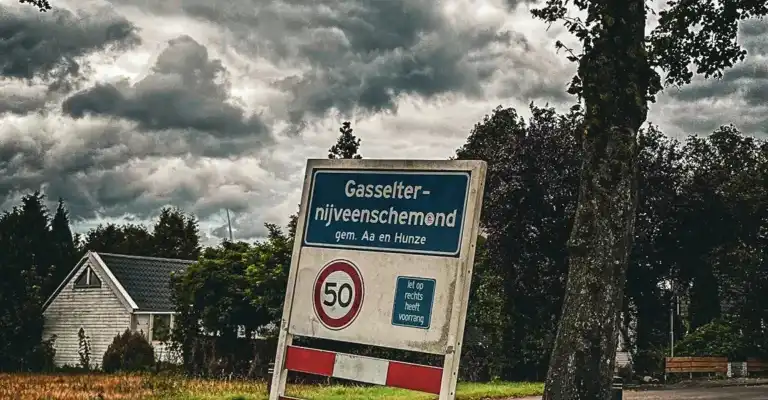
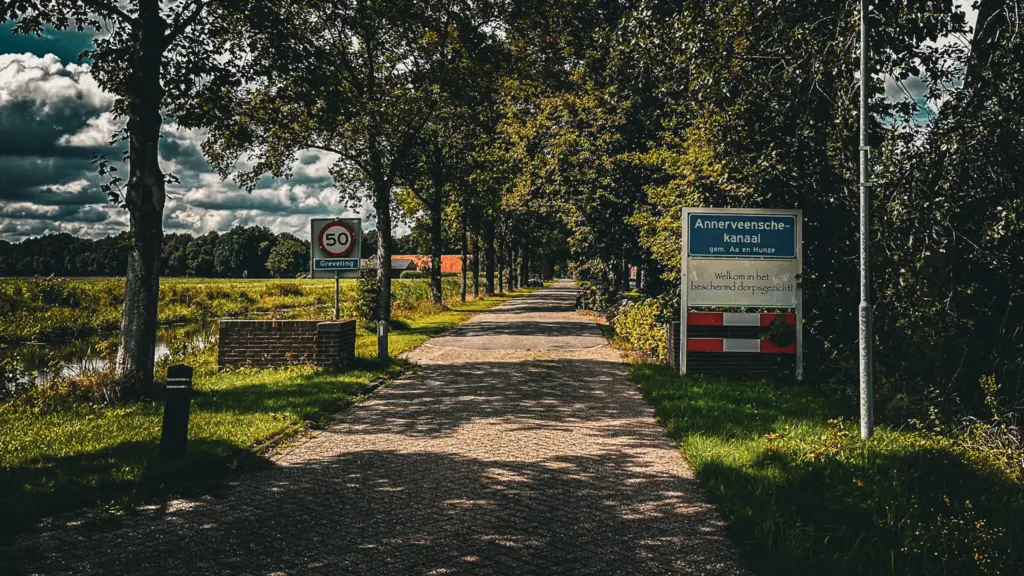
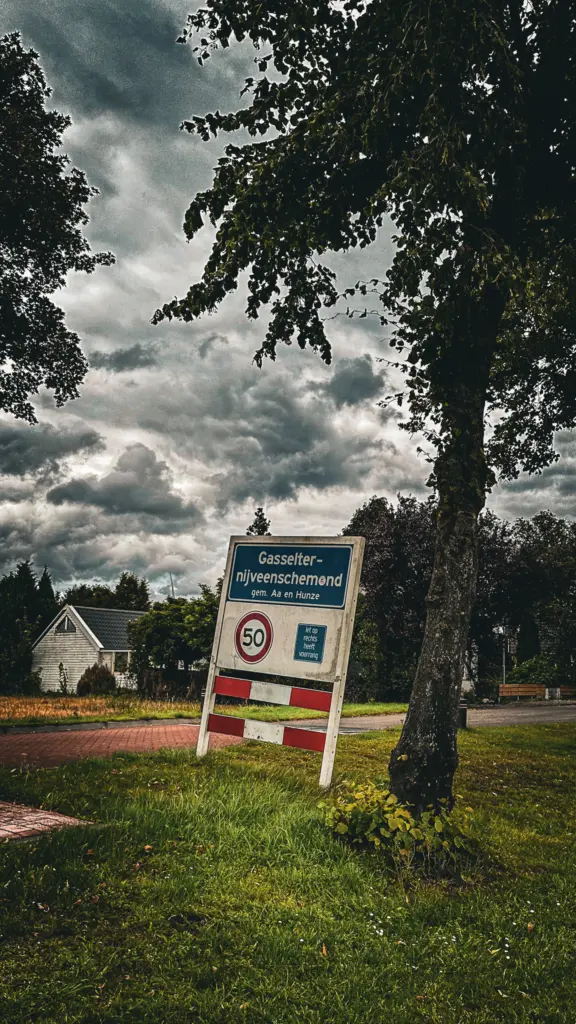
As I drive through the forests near Gieten, I have to keep gnawing. There are therefore people who have figured out that besides Gasselte, there is also a branch: Gasselternijveen. The history of these small villages is already fascinating. Apparently, when creating new (Nije) village names, they didn’t go beyond adding a piece here and there. Gasselte, Gasselteboerveen, Gasselternijveen and finally Gasselternijveenschemond. A reference to the place of origin or the relationship to the ‘tribe’ Gasselte seems obvious. I find it a wonderful history. Especially because the villages are almost all located in a straight line along a canal. Together with Gasselterboerveenschemond, Gasselternijveenschemond has the longest place name in the Netherlands. And that for a drainage area of peat and turf
Once Again
Anyone who ever took part in the Battle of Norg will remember it again: was it really there? One? Yes. It really was there, and it still is. Een is a hamlet in the municipality of Noordenveld. Near the prison town Veenhuizen, near Norg and near America. I always wonder how it came to be named that way. How did you come up with the name Een? I mean, it’s one of the most commonly used place names in the Dutch language. Incidentally, Een is not the shortest place name in the Netherlands. That goes to the Friese village Ee, the winner. Still, it’s one less ’n’s. And if you want to know the truth, you have to go to Limburg.
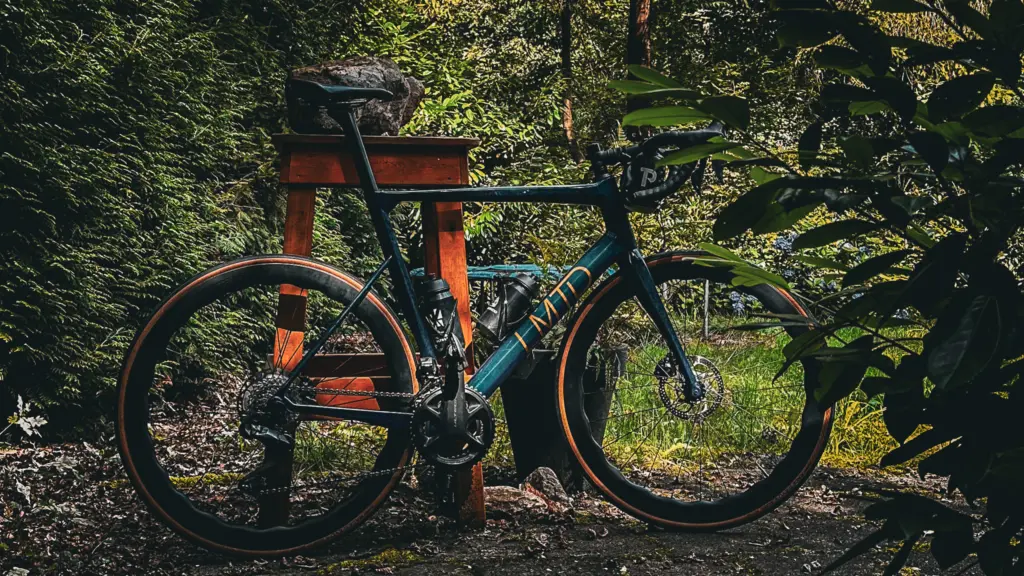
Start in Zuidlaren
For my routes, I start in the beautiful Drenthe village of Zuidlaren. I expected there to be a Northlaren as well as a Southlaren. The village in between? It’s not called LAREN, but Midlaren. From Zuidlaren, you can then head towards Tynaarlo, where you’ll find one of the many Hunebeds in the province, Hunebed D6 to be exact. From there, you can cross over and come to Taarlo. Did they at Tynaarlo have the originality to put YN in there? Or did they at the foundation of Taarlo believe that it could be ‘even shorter’? Why they didn’t choose the name ‘mand’ is completely unclear. If that’s a connection to the ‘mouths’ that are here, then it’s no longer clear. If you’re there anyway, you can ‘vincken’ both the 1st and 2nd Exomund and Valthermond. I’d never thought of that.
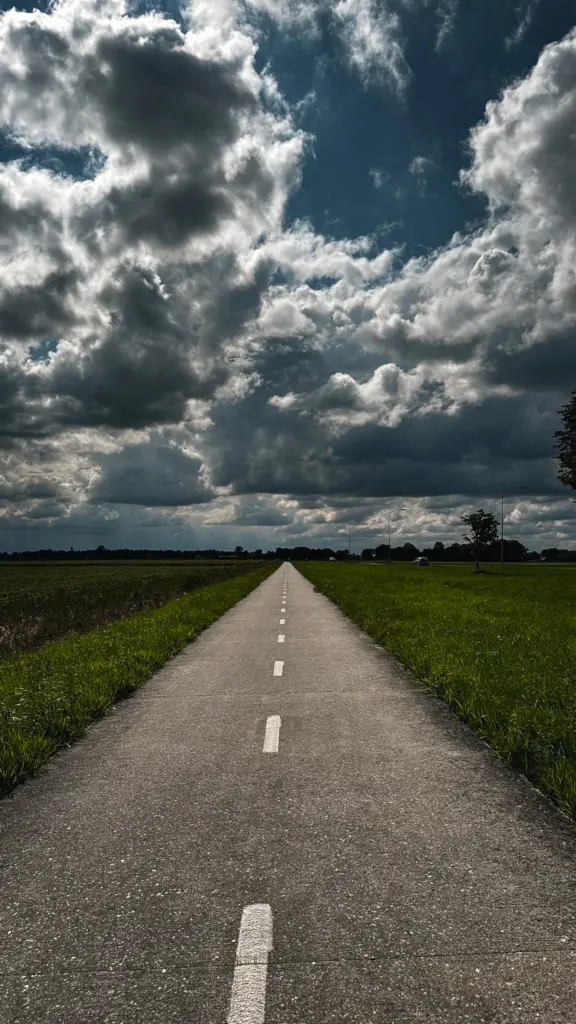
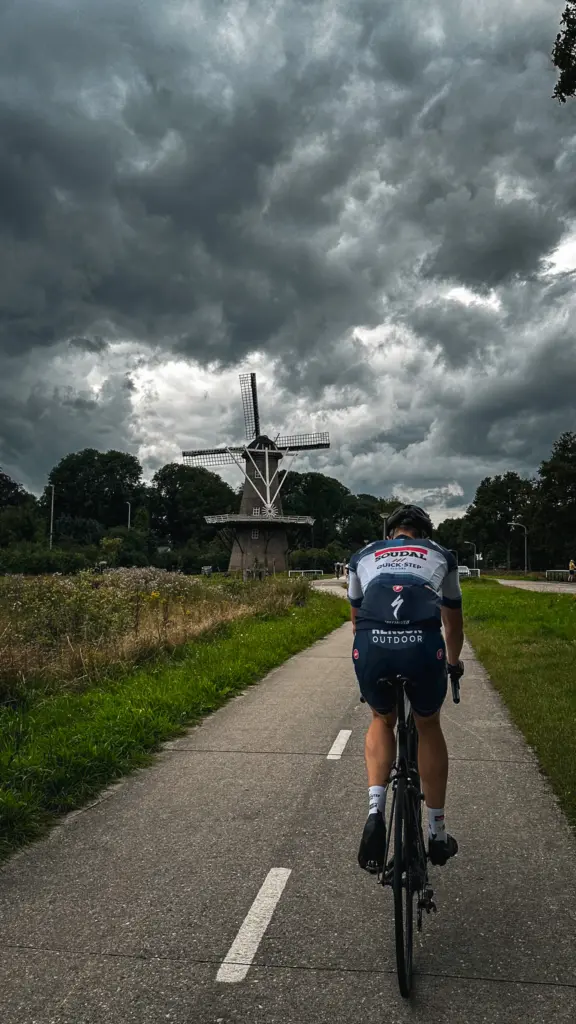
In the north you write Loo with a double ‘oo’.’
In this region you can find many villages with a ‘LO’ at the end. Dwingeloo, Schoonloo, Grolloo, Anloo, Balloo and Exloo. However, it is still striking that it is here that it is written ‘LOO’ and not Dwingelo. Palace Het Loo is located in Gelderland. As are Groenlo, Otterlo and Hoenderloo (the village in Gelderland). It seems as if the ‘LOO’ was written on the eastern side of the Hoge Veluwe National Park. Although, Almelo and Boekelo are again in Overijssel. Weerselo also has a single ‘o’. The southern province Limburg has Elsloo with a double ‘o’, but also the castle town Baarlo. I am at a loss.
More and more
That place names have a connection to a language that we no longer speak, the Old Dutch or sometimes also the Old Drents, that should be clear. My wife and I often have discussions about whether the word ‘Zwiller’ exists. ‘Yes, it’s behind a tractor and it ultimately becomes ‘zwillegies’, or lumps’, I hear her say. According to Van Dale it does not exist, although the De Jong family from Drenthe holds to this in all circumstances. That it does. Anyway, while cycling through the Drenthe (or is it Drentsche) countryside, I think the same is true of the villages of Bronneger and Zwiggelte. I think this has a similar origin, but anyone who knows can say so. On a cycling route in Drenthe you encounter something else.
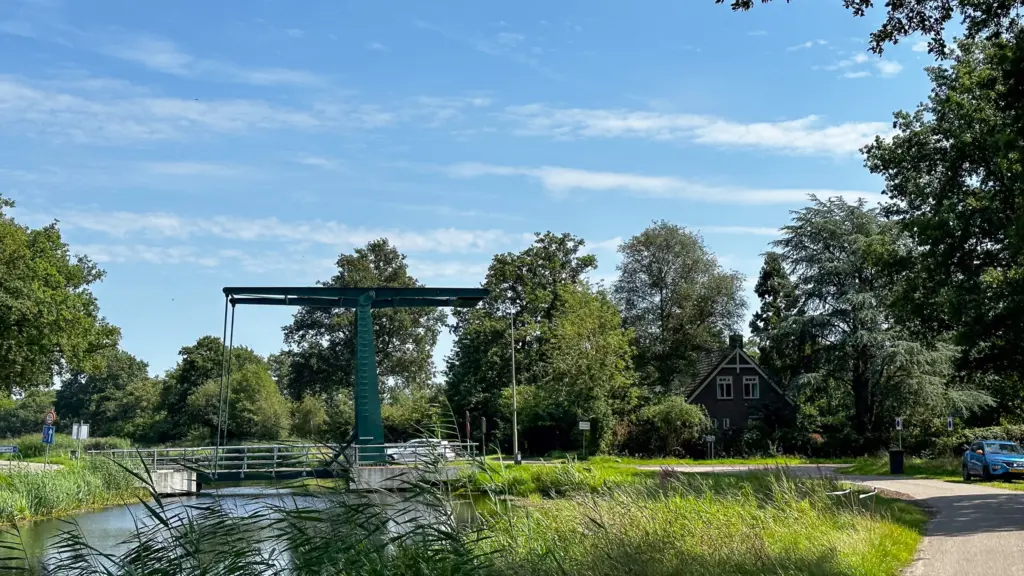
Peace and beautiful nature
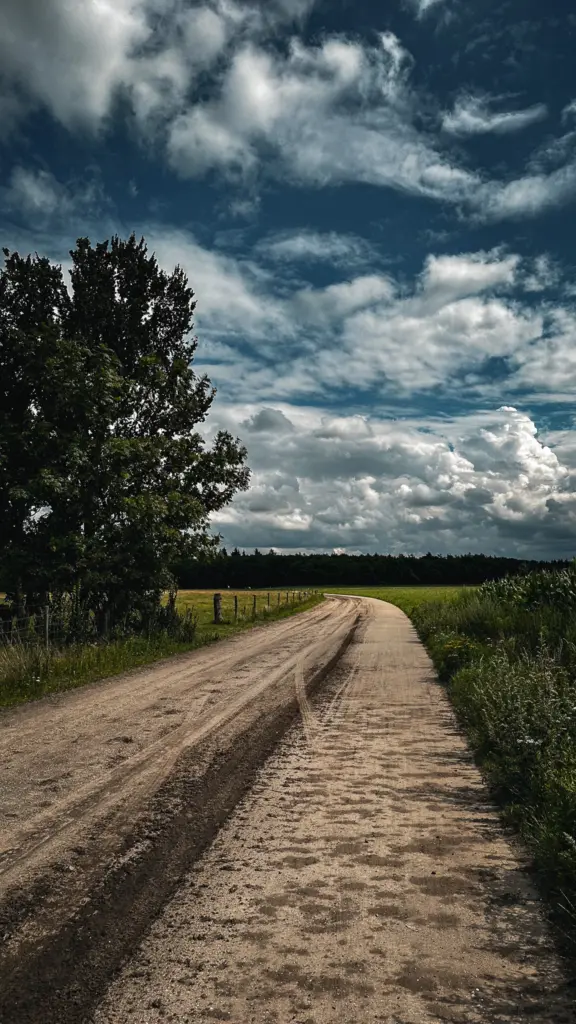
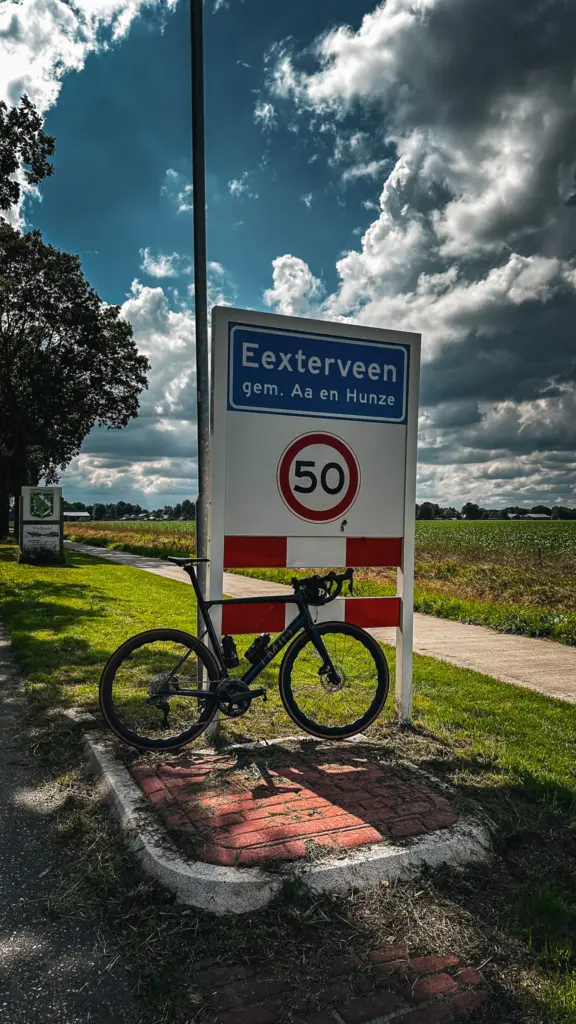
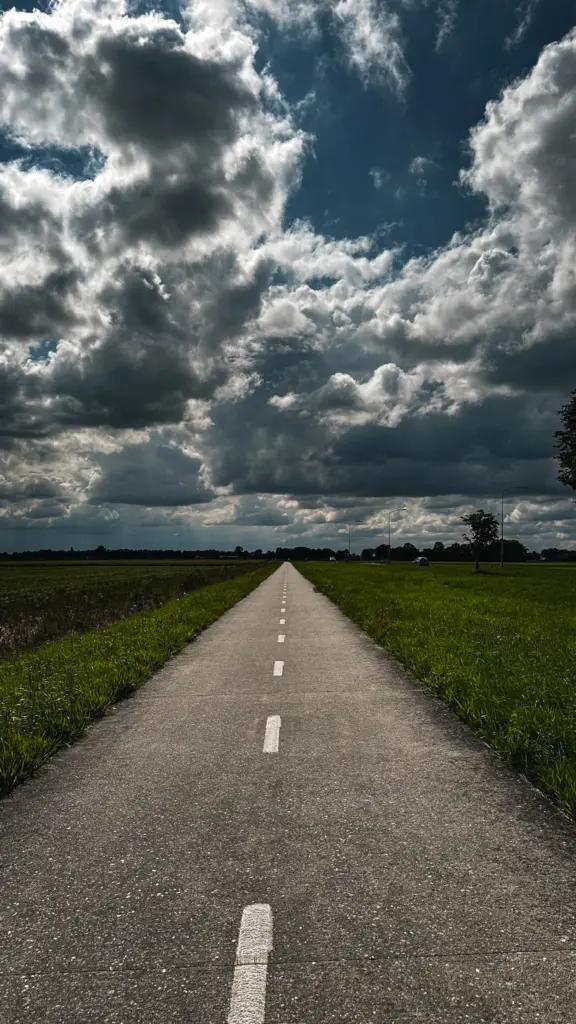
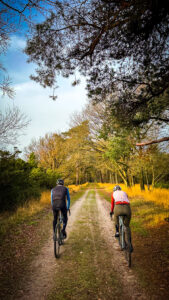
Along my route, I encounter not only beautiful places, but also a lot of beautiful nature. Because that’s really why you come to Drenthe to cycle. Through the Balloërveld, through the forests near Gieten, through the vast fields. Drenthe is a place of peace, even though a busy Sunday afternoon on a terrace might suggest otherwise. Yet you’re almost alone again as soon as you leave the village center and enter the greenery. Wherever you go, it’s always a delight, and if you pay close attention, you’ll encounter beautiful place names. Because gems like Eexterzandvoort and Drogteropslagen, I haven’t even mentioned them yet.
Tips for a nice stop
- In Borger you will find the ‘best ice cream parlor in Drenthe’: at La Dolce Can you score a delicious ice cream?
- In Gieten is Job bakery A nice stop. A spacious terrace and a delicious selection of treats will give you plenty of energy for the final stretch.
- If you're unlucky, and that can happen, you can also stop by in Borger for a while. Egberts along the way. I had a slightly soft rear tire myself and was quickly and kindly helped.
- The start and finish of our route are at Classroom. The coffee and the cookies are here!
- We have also added a stop at Koerscafe Gasselte in between. This way you have plenty of choices on your route

0 responses
Zwillen is the Drentse version of the word zwelen (it is mentioned in van Dale), and it means to pile up long tiles of scattered hay together.
What a beautiful province we live in: peace, space, and natural beauty… what more could you want!
Beautifully described, with humor (not unimportant).
In the van Dale dictionary the verb is: ZWELEN, in the Drents dictionary: ZWILLEN, which means that we Drents have the exact same word for our ”swillies”.”