
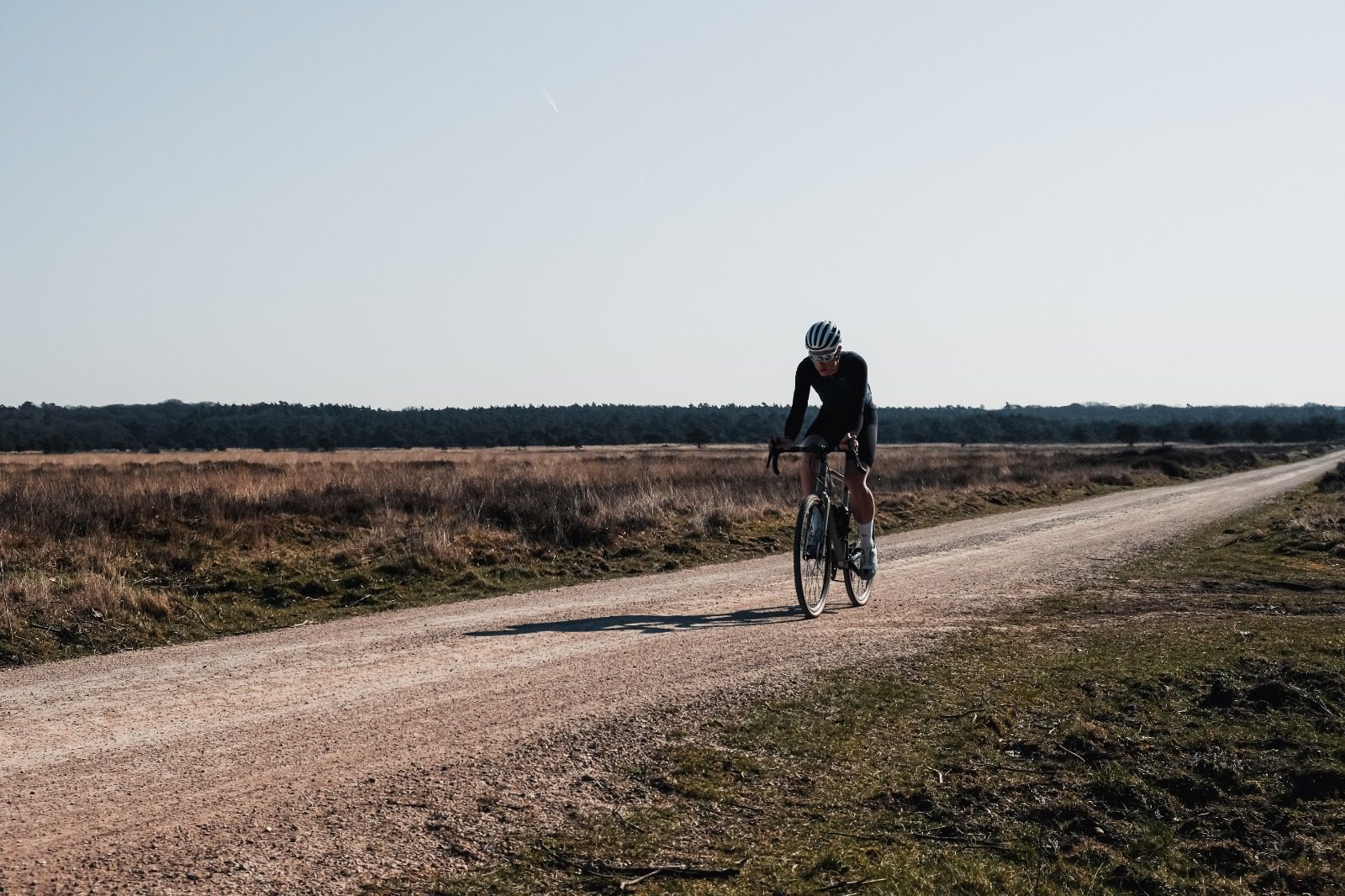
Are you ready to leave the beaten path? Gravel biking is the way to combine freedom and nature with a sporting challenge. If you have never been on gravel before, the first ride can be a bit unfamiliar. I know from experience, especially if you have always ridden a road bike before. You suddenly ride with a lower tire pressure, you can’t go as fast through the turns as you normally do, your riding posture is different. All of these things need to be taken into account. With these tips, you are fully prepared for your start with gravel biking and can confidently make your first ride!
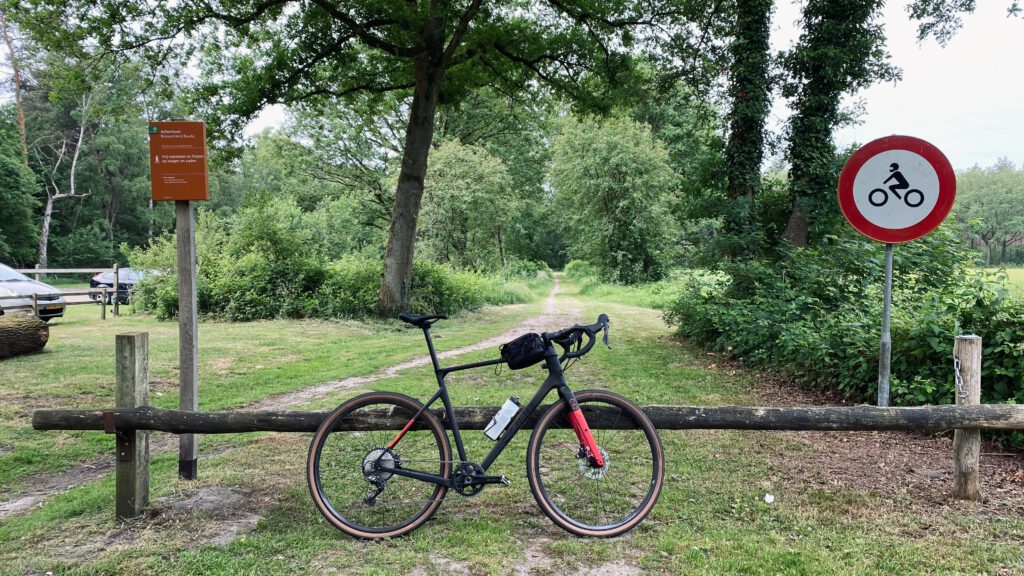
Set your tire pressure properly
For beginners, the correct tire pressure is essential. Gravel roads require more grip than asphalt, so keep the pressure lower than you are used to on your road bike. For 40 mm gravel tires, we recommend 2 to 3 bar for someone weighing 80 kg. Are you slightly lighter? Then 2 to 2.5 bar is sufficient. This ensures stability and prevents slipping in loose turns.
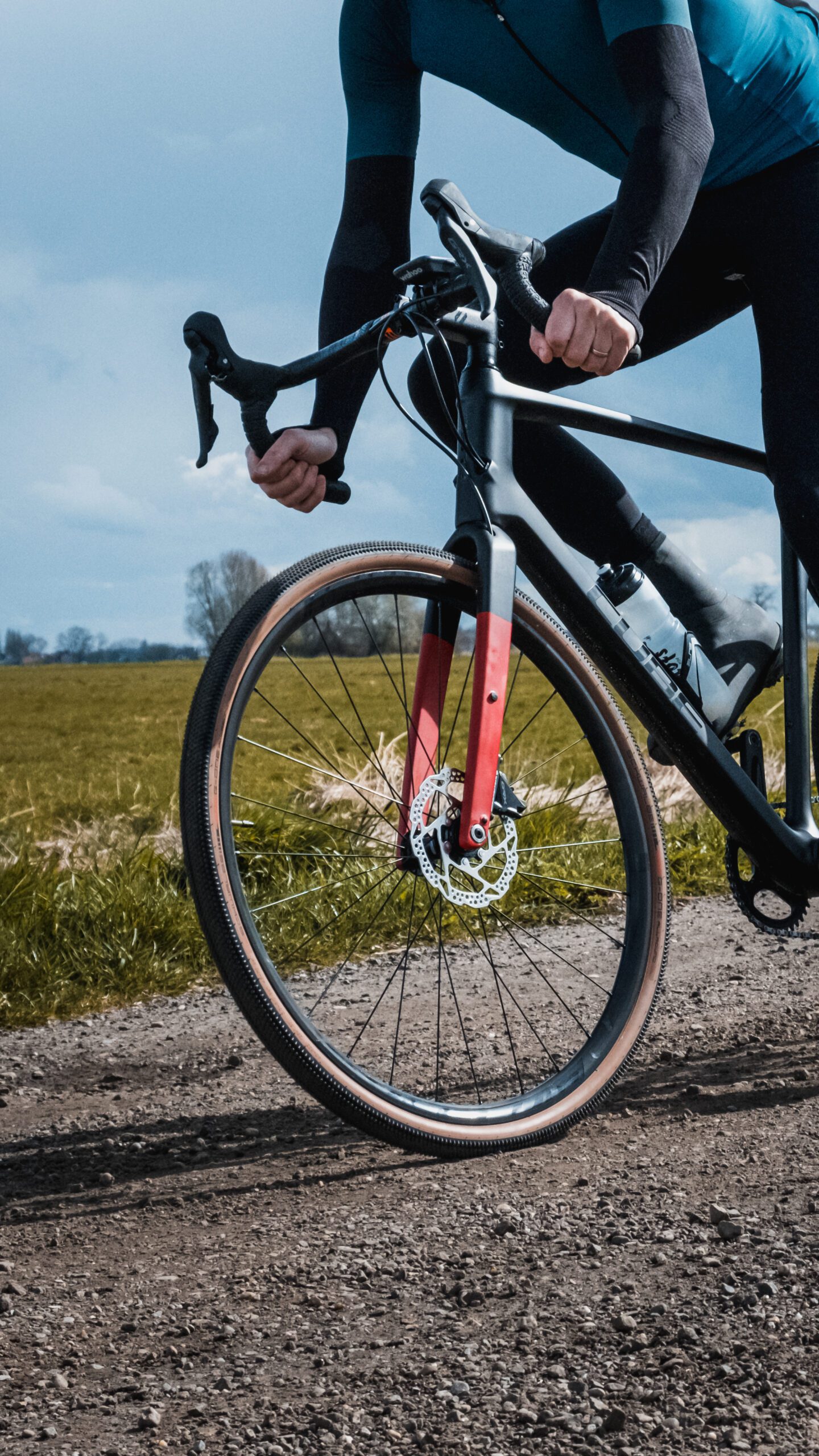

Be careful in the curves
Gravel offers less grip, so adjust your speed in the turns. Instead of going full speed like on the road, you work a little more cautiously. You lose your front wheel more easily in loose gravel, which can lead to crashes. Keep the pace in the turns low and enjoy the rough course instead of your speed! When I went myself graveling in the Achterhoek, Again, I made a bad mistake by misjudging the speed and grip in the corner.
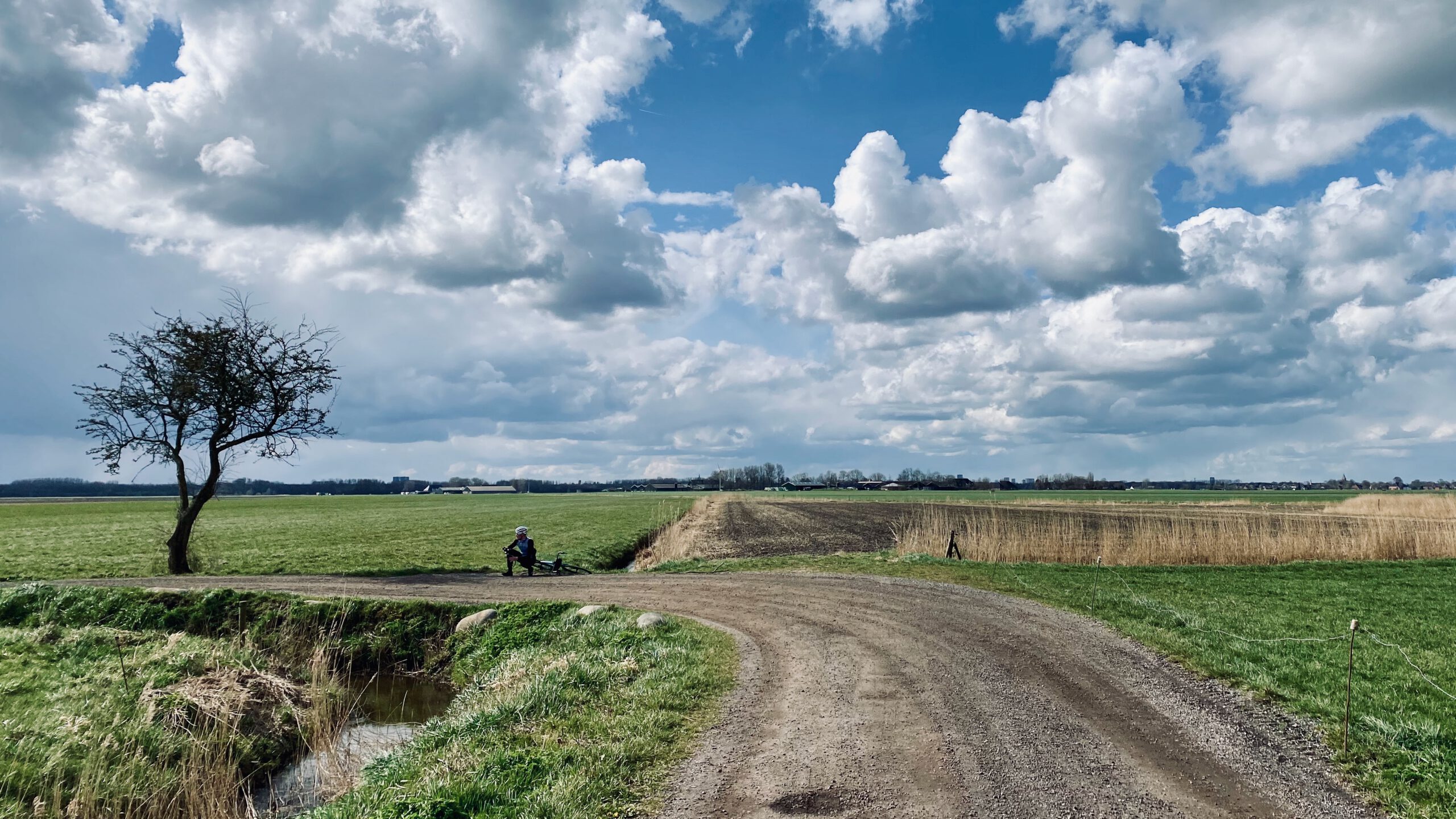
Choose comfortable clothing
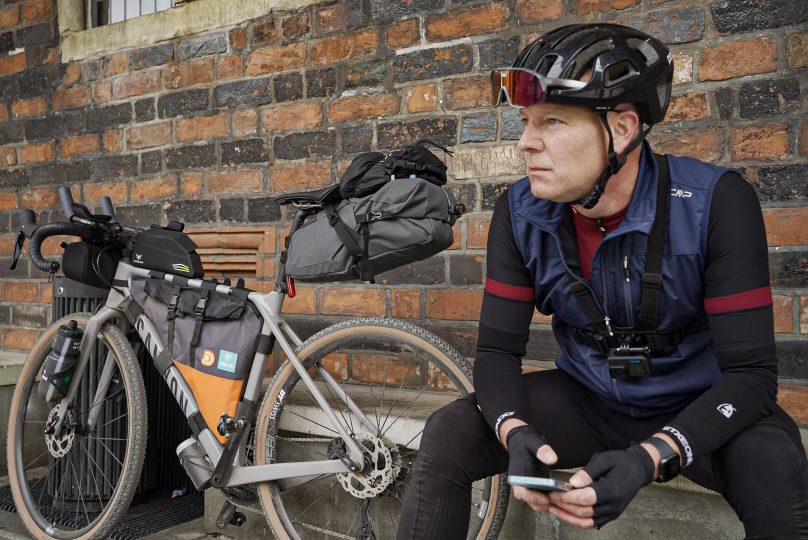
Gravel means freedom, even in your choice of clothing. Many brands offer special gravel clothing, often with extra pockets on the thighs for snacks or your phone. MTB shoes with SPD plates and studs give you good grip on uneven terrain. Leave your race bike shoes at home and choose shoes that can withstand a bit of a bump. This way you can enjoy a wonderful and fun gravel adventure.
Plan a shorter distance than usual
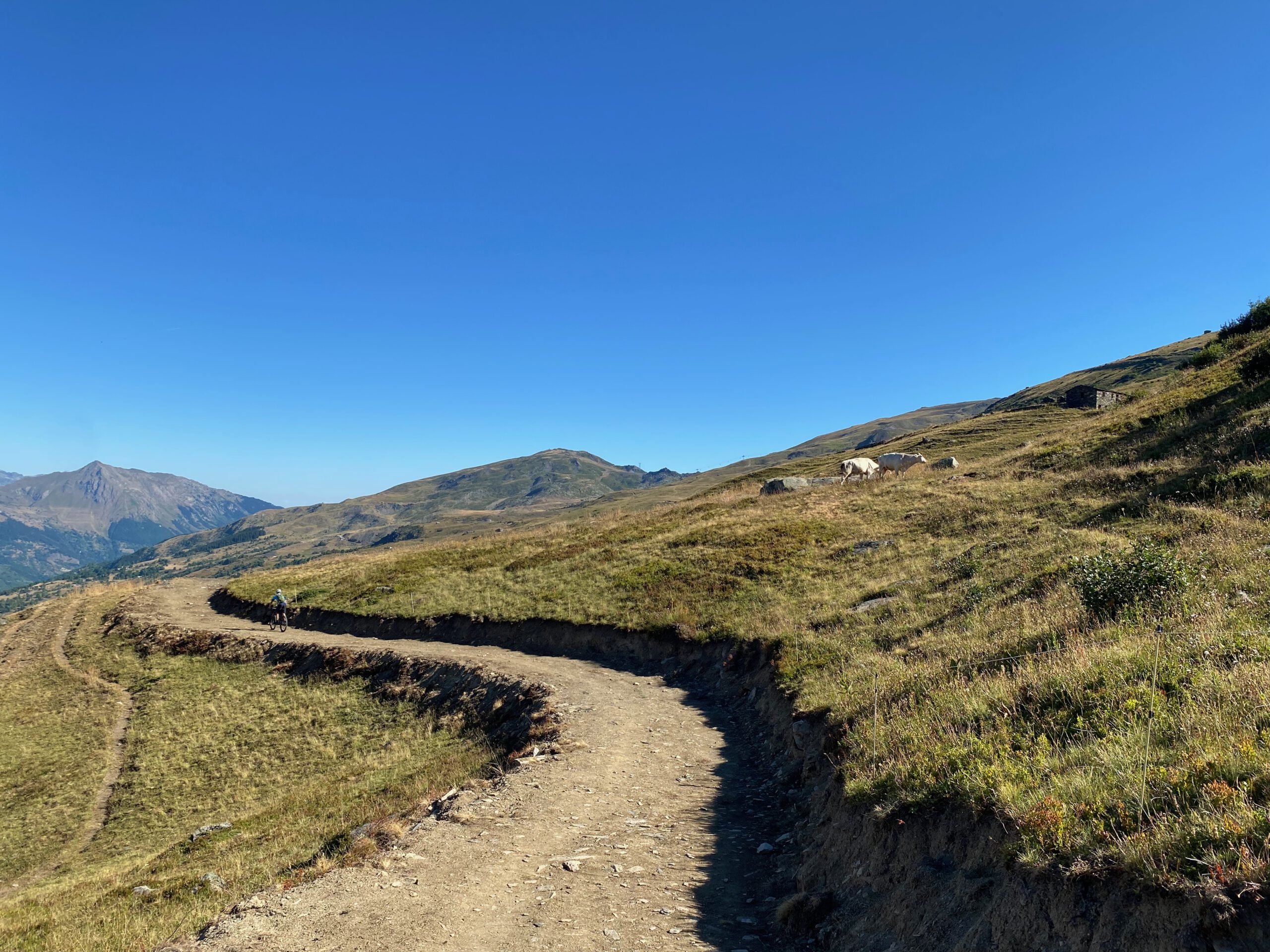
Gravel rides usually go slower than you’re used to on the road. Take into account lower average speeds due to higher resistance and rougher terrain. A 40 km ride can feel like 60 km on asphalt, so start slowly and adjust your distance. A shorter ride allows you to get used to the gravel feel without getting too tired. Normally I plan myself 100-120 kilometers for a long ride. With gravel you’ll be closer to 60-80 kilometers. If you go into the mountains this difference will be even greater. For example if you go graveling in Bolzano.
Route: what you need to keep in mind
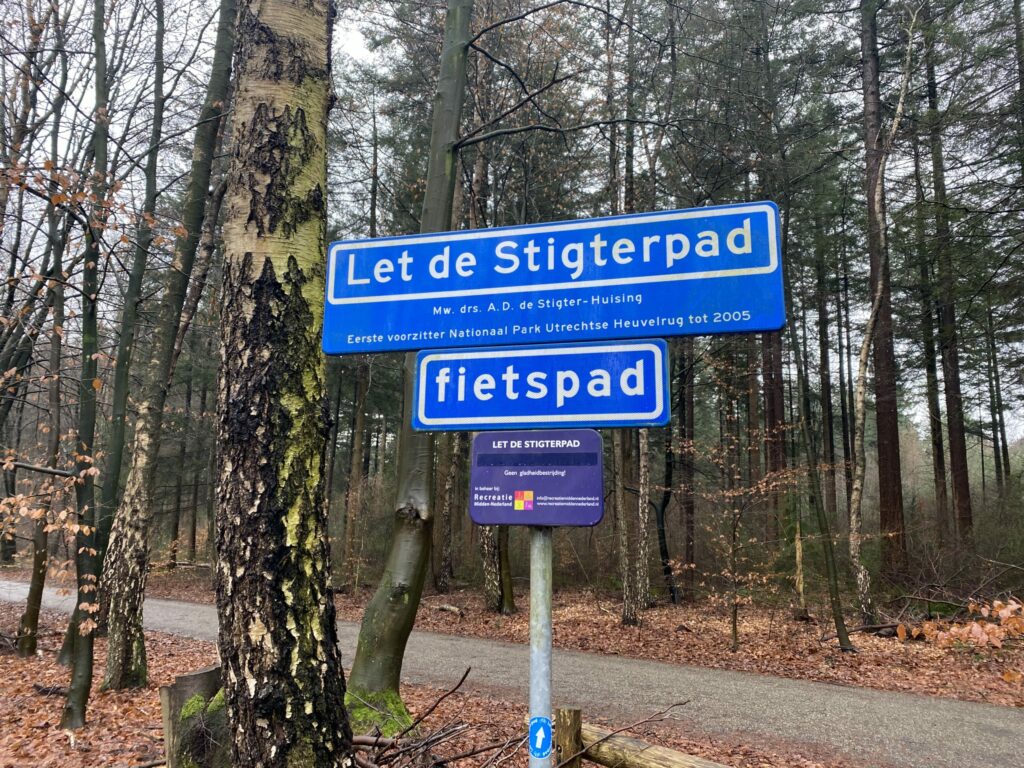
You are not allowed to ride gravel everywhere in the Netherlands and Europe. Choose an accessible route the first time around, such as well-known gravel paths that have been specially created for cyclists, such as the Let de Stigter path. On private property (even land owned by Staatsbosbeheer is basically private property), that is not allowed unless otherwise indicated. Of course, you are always allowed to ride on cycle paths (if they are indicated) and on the paved public road. Equestrian trails, however attractive they may be, are excluded from this. Check that, even if you accidentally have a hiking trail in your route. Hikers will not find that very pleasant. A friendly “thank you” will help
Take a bag with you!
Nowadays there are so many different bags in circulation. Backpacks, snack bags, bar bags, you name it. Since speed isn't the main thing and a bag is damn handy anyway, you better just buy one. Like the bags from The Pack. I personally like to use these carrying bags, both the snack bag and the bar bag. You can fit quite a lot in them. For example, a jacket or a vest, a camera or similar. Plus of course some food. Handy for your first gravel adventure.
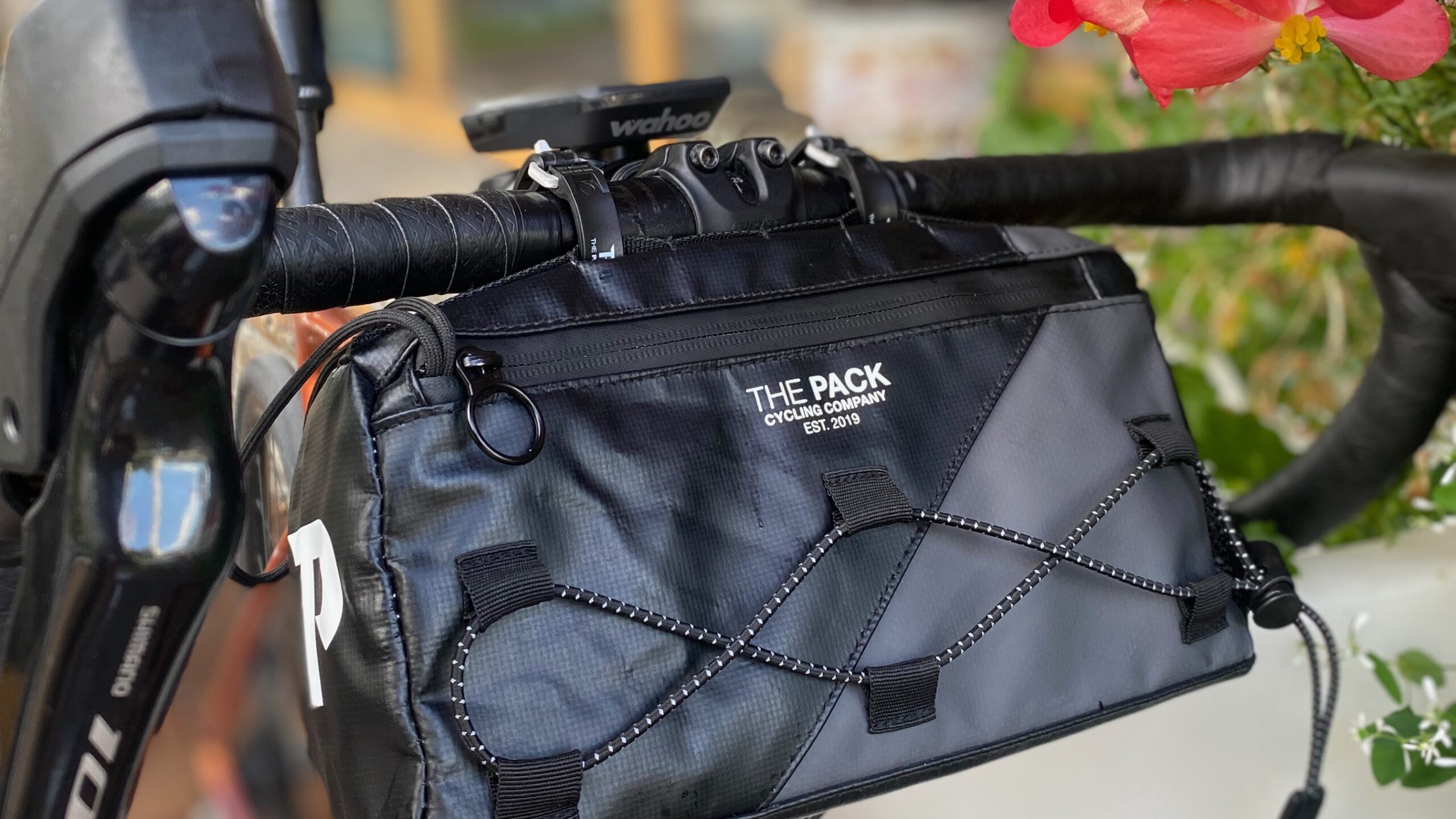
Switching and climbing
A gravel bike often only has one front derailleur. This reduces the risk of technical problems, but you also cycle differently than on a road bike. Make sure you shift gradually and use a lighter gear ratio than on asphalt. Shifting on gravel requires some finesse to avoid wheels slipping. Stay on your saddle when climbing hills, otherwise you’ll slide off.
Ready for the adventure?
Hopefully you found some useful tips for your first gravel ride. Want to go gravel riding more often? Check out our gravel routes, For example, the Shimano GRX series, (search for ‘gravel‘ on our site) or send us a message!
0 responses
Nice article, but with the tire pressure tips you are really setting it too high. At 80kg and 40 mm tires, I run at 2.0 bar, or slightly less. Much more comfortable and more grip, especially when it’s wet. You can approach it very precisely yourself using the ZIPP Tire pressure calculator. https://axs.sram.com/guides/tire/pressure
Hello Bert,
Thanks for your tips. If you use this calculator, you are right. The Schwalbe calculator gave a different result, but I will take that into account in the article! Good tips for experience, anyway.