
When I look outside, I see that the sun is disappearing more and more behind the clouds. It is also getting darker earlier and lighter later. Autumn is approaching fast. At such a moment, I would love to travel directly to warmer places. Where you can still cycle. We already wrote about this in a previous post. number of tips for a fun autumn trip. I myself am always a fan of fietseiland Mallorca, But there are so many other beautiful places. How about the Canary Islands? Or (southern) Italy? That would be nice too. But today we choose to cycle in Portugal.
Cycling in Portugal
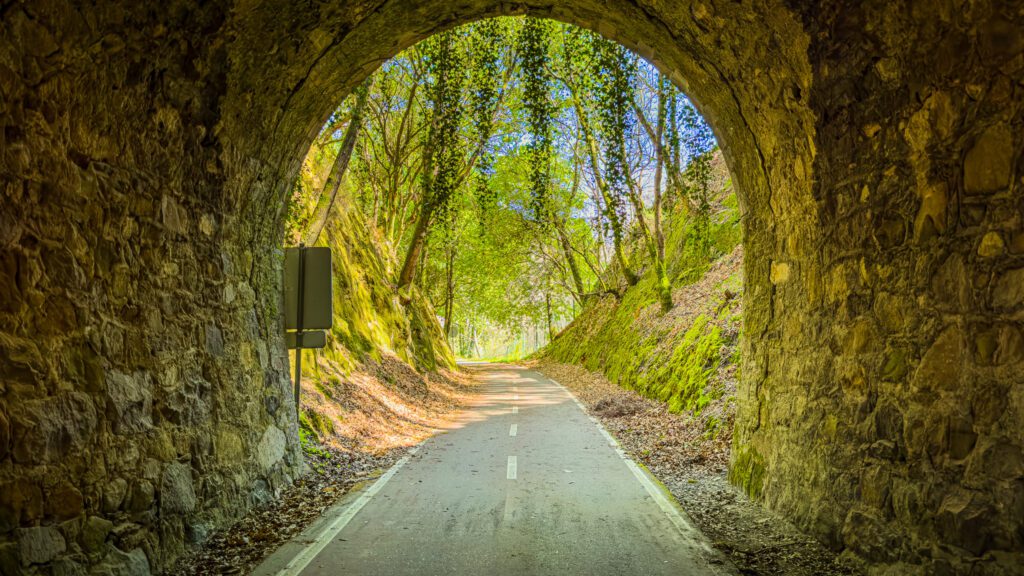
Cycling in Portugal is really ‘underrated’, if it’s up to us. Incidentally, just like Greece, But we’ll get to that in another article back on track. Portugal has some beautiful cycling areas, which also often come to the fore in the Tour of Portugal. Around the city of Porto (close to Galicia And Asturias) is enough to experience, especially if you want to go to the mountains. It’s also very green. That means that it rains quite a lot there. That’s exactly what you don’t want on your autumn trip in the sun. For that, you need to head more southwards. The regions of Alentejo and Algarve are the most famous. With good infrastructure, views, routes along the sea and some hills/mountains, it’s a great place to stay. Here are some great tips!
Algarve
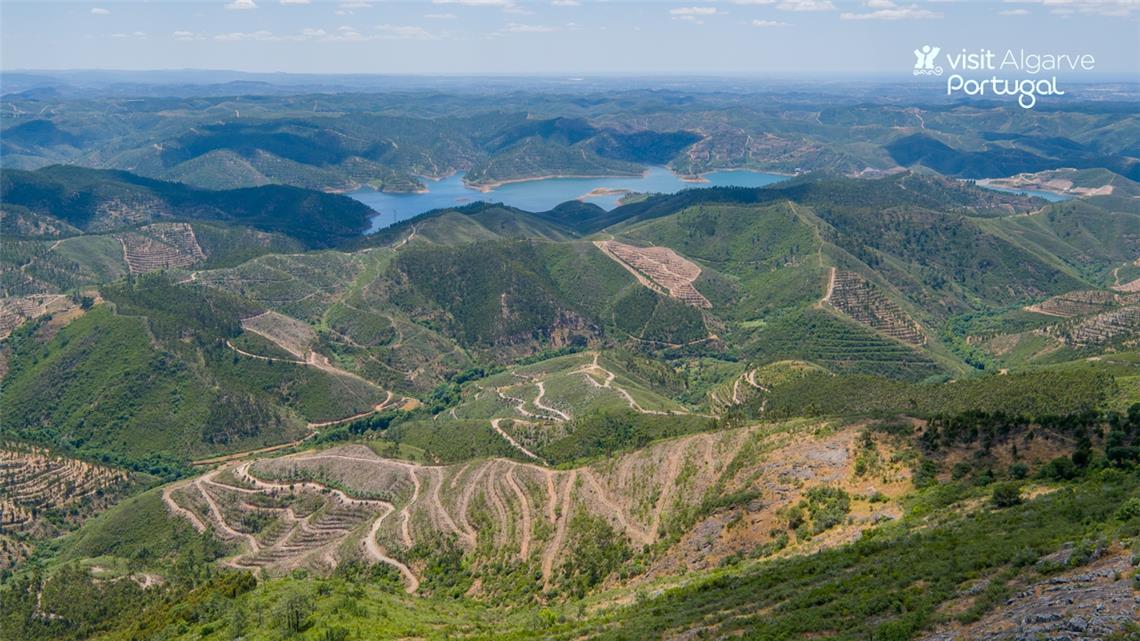
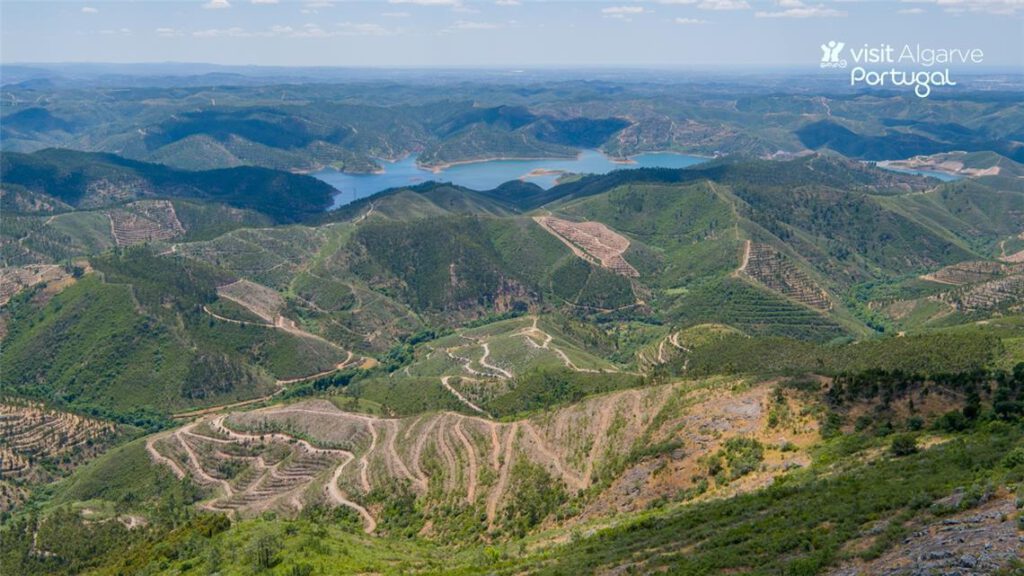
The Algarve has been popular with Dutch tourists for years who want to escape the cold in the autumn and still get some sunshine. Even into the winter, it’s a great place to visit, with temperatures staying in the double digits. Ideal for cycling. And there’s plenty of opportunity to do that here. Fly into Faro and head towards the villages around it. Tavira, Monte Gordo, all great places for the hills and mountains heading north. For example, from Tavira, you’ll see a beautiful panorama of the hills as you head towards the top of the Tabuas. Stunning views, who wouldn’t want that? The highest hill here is a few hundred meters high. So enjoy it. Another nice thing is that you can drive along the river on this side of the Algarve (at least, not all the way, but you can see it) and on the other side of the river is Andalusia. Two in one!
Offroad
You also have plenty of opportunities here to go off-road. Mountain biking has been popular in this region for decades, but with the popularity of gravel, you can easily find an alternative to the paved road. North of Santo Estevao, a small hamlet, you’ll find beautiful nature with well-maintained trails, perfect for the gravel bike.
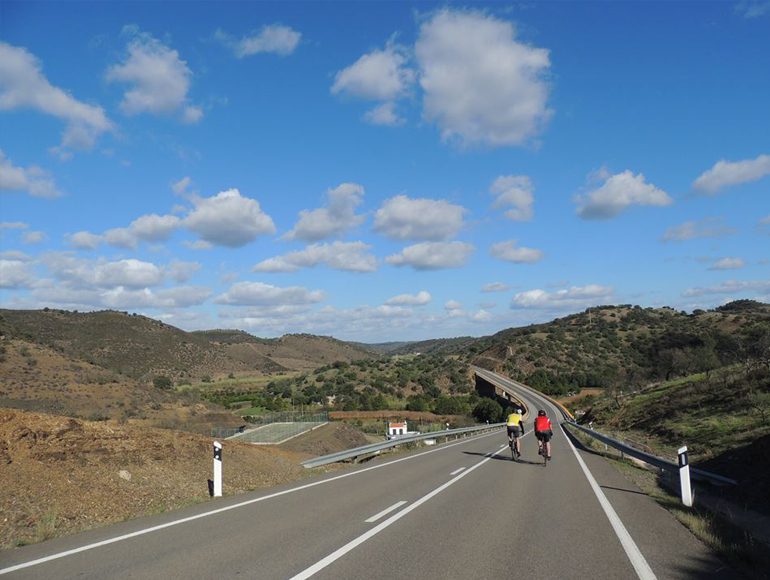
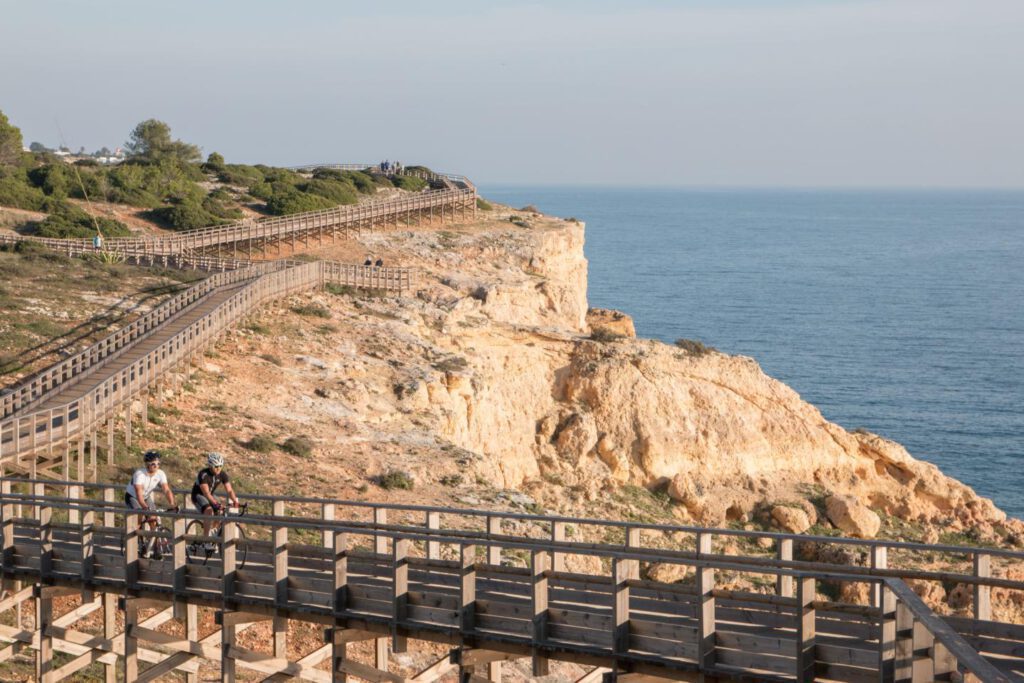
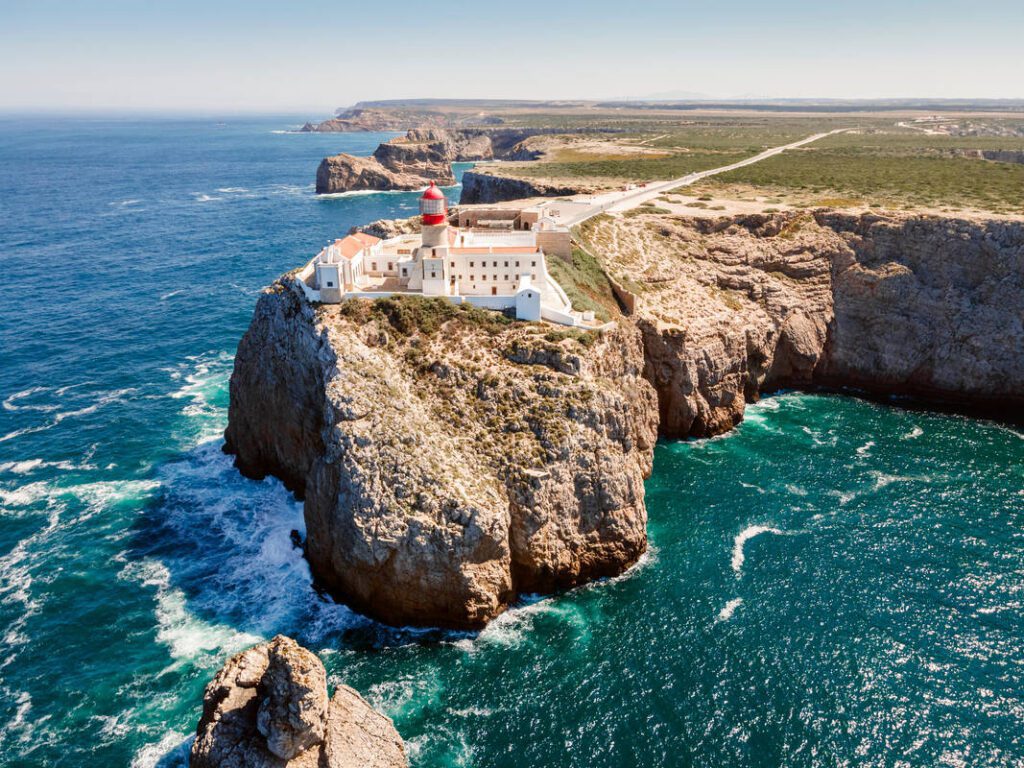
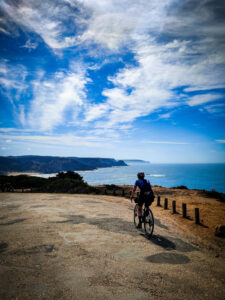
You can also choose to stay west of Faro. The area around Portimao and Albufeira is a bit less attractive in terms of views. High-rise buildings, focused on mass tourism in the summer. Further west, near Sagres, there is a beautiful nature park where you drive through the hills along the sea. Start at the Sao Vicente lighthouse and drive up towards Lagos. Then up and back along the other coast. 100 kilometers of pure enjoyment, with only 1000 meters of elevation gain.

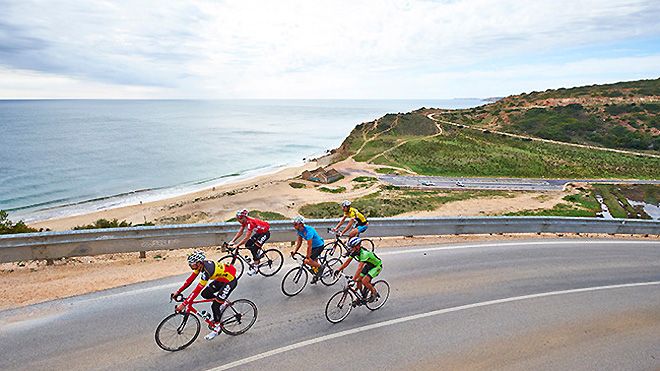
Even in the hinterland, near Monchique, it is beautiful to ride both on the race and gravel bikes. You encounter climbs here with percentages that are as low as 15%. That is quite a different experience than meandering along the beaches. There is plenty to enjoy in the Algarve. From beaches and sea, to hills and lakes. The best time to cycle in Portugal is from September to May. In the summer months, avoid it like the plague! It is too crowded and too hot.
Alentejo
North of the Algarve begins a large area known as Alentejo. It is actually a conglomeration of different regions. The southernmost part of the Alentejo (which actually means over the Tagus) lies just above the Algarve (the actual district of Faro). This is the district of Beja. In addition, the districts of Setubal and Evora also belong to this region. It is truly a huge area with a diversity of cycling opportunities. The Alentejo is also known for its wine production (and also the cork).
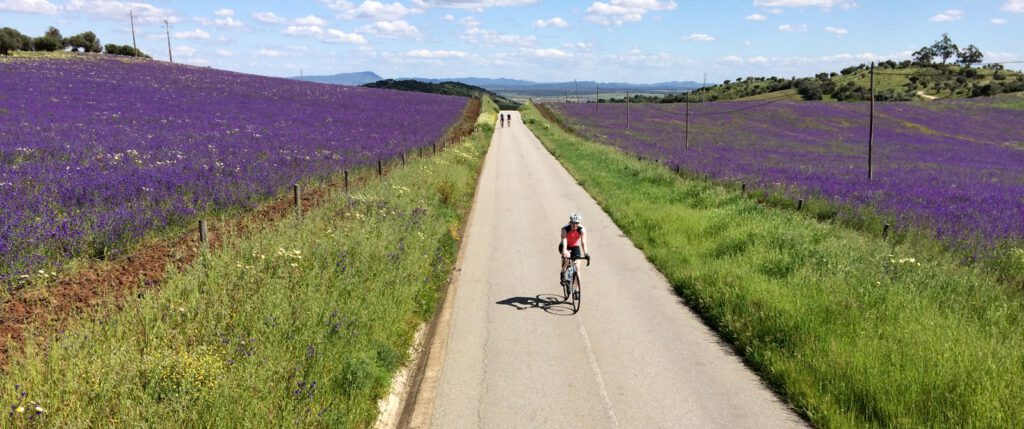
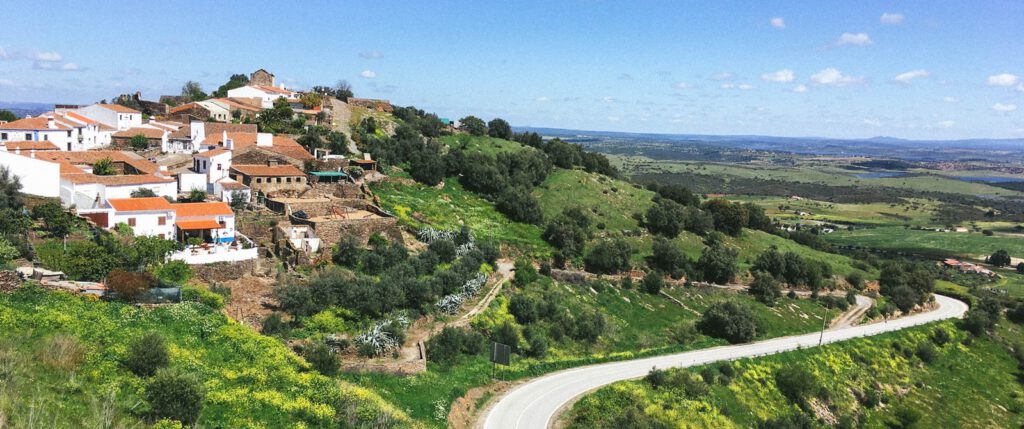
The wine region of Alentejo is characterized by rolling hills, interspersed with stretches of flat land and here and there a steep climb. In terms of nature, you will find many routes through the vineyards. Absolutely stunning. This northern part of the region is perfect for driving if you are a beginner cyclist or if you have already cycled for a few kilometers. Another advantage: the Alentejo is very sparsely populated. As a result, the roads are often very quiet. Great for cycling!
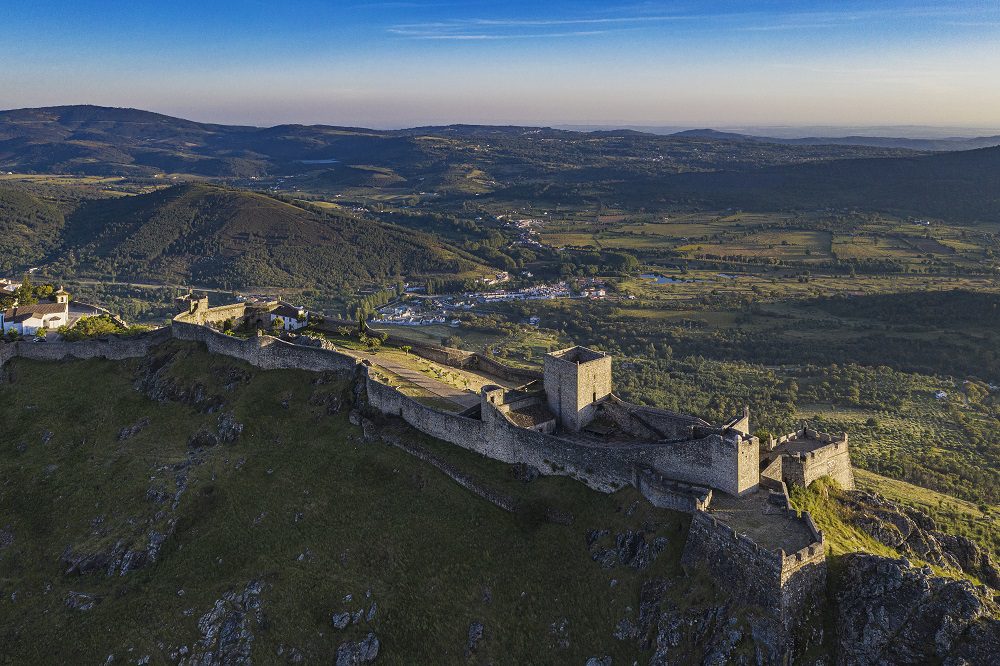
No matter how you plan the route, make sure you pass by Marvão. There you will find the Parque Nacional de Serre de São Mamede. There you will find truly beautiful villages like Castelo de Vide, little paths amidst olive and cork trees. It can be quite treacherous up here.
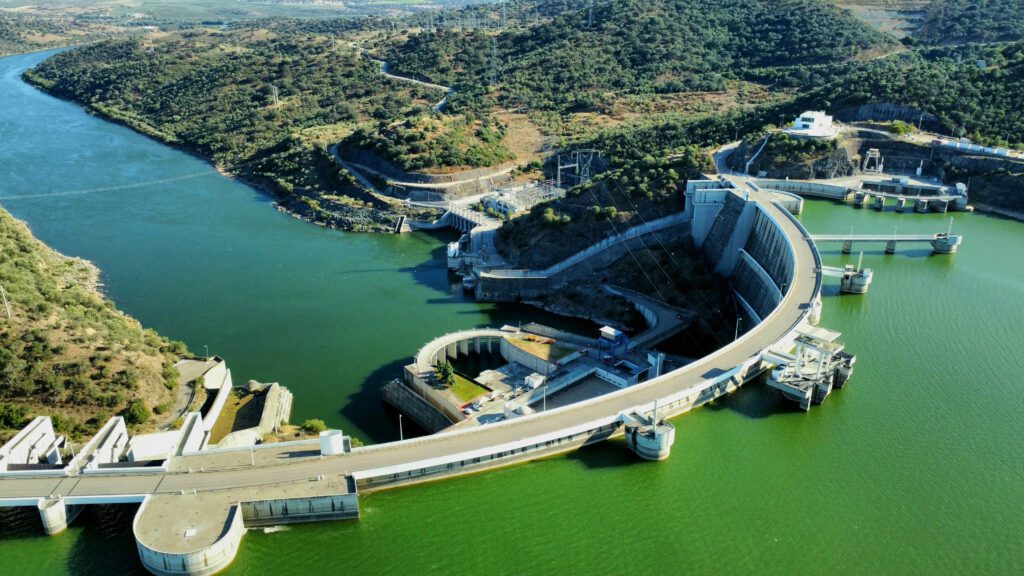
Further south you will also find the Alqueva Lake. This is the largest dam lake in Europe and you could choose to take a tour around the lake. Especially above 100km. and Évora, the capital of the region and UNESCO World Heritage Site.
PARK NATURAL OF THE SOUTH-EAST ALENTEJO
In the south of the Alentejo, the national park is a place you really shouldn’t miss. Beautiful cliffs, beaches, and views. This area is also a great place to combine with a trip to the Algarve. From Aljezur, you can easily follow the coastline without having to drive up and down every time. You can eventually drive all the way back up towards Lisbon, with a nice stopover in Sines.
If you want to learn more about cycling in Portugal, check out the websites of VisitPortugal.pt or check out one of the local providers.

Questions & tips
Do you have any questions about this route, or have you been there yourself? Share them here. We read everything and usually respond within a few days.