
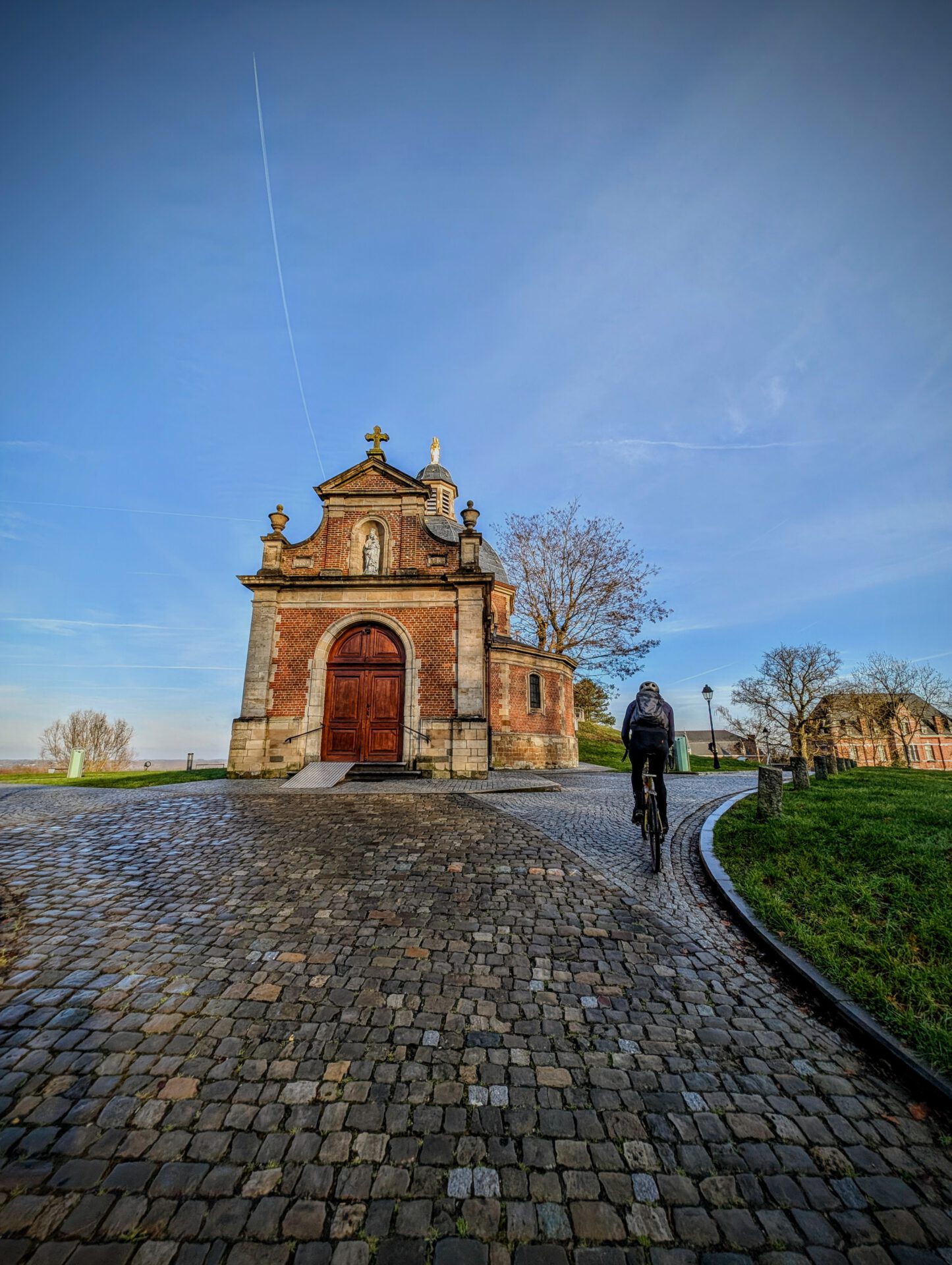
Flanders is the beating heart of the race. In Flanders, cycling is much more alive than in the Netherlands. Of course, we are the number one cycling country, but the race? You experience that in Flanders. For cycling race enthusiasts, there are many options to immerse yourself in the role of a cyclist for a day or a few days. You can choose from the circuits of the Tour of Flanders For example. Or Gent-Wevelgem drive. Or maybe once Brabantse Pijl Add it to your routes. You get the idea where I’m going. Now there’s a new option: 525 kilometers of biking through Flanders. The 525 is, of course, a tribute to Eddy Merckx, the best Flemish cyclist of all time, who has 525 victories on his record. For the bike tourist like me, it’s a wonderful way to discover all the beauty of Flanders.
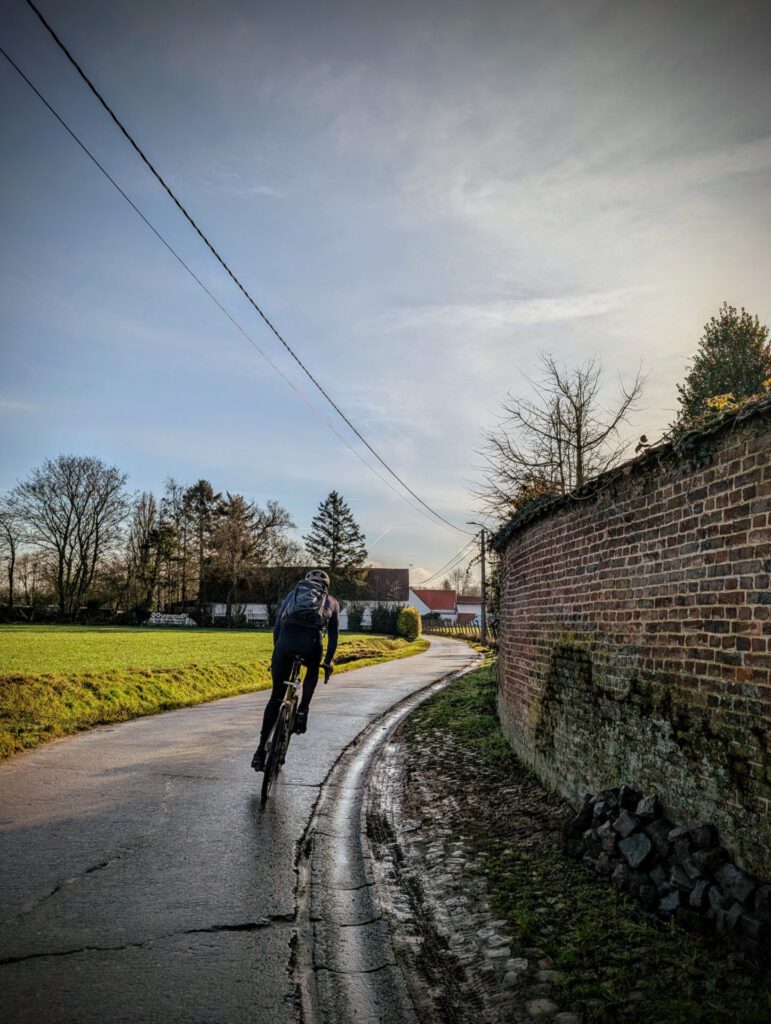
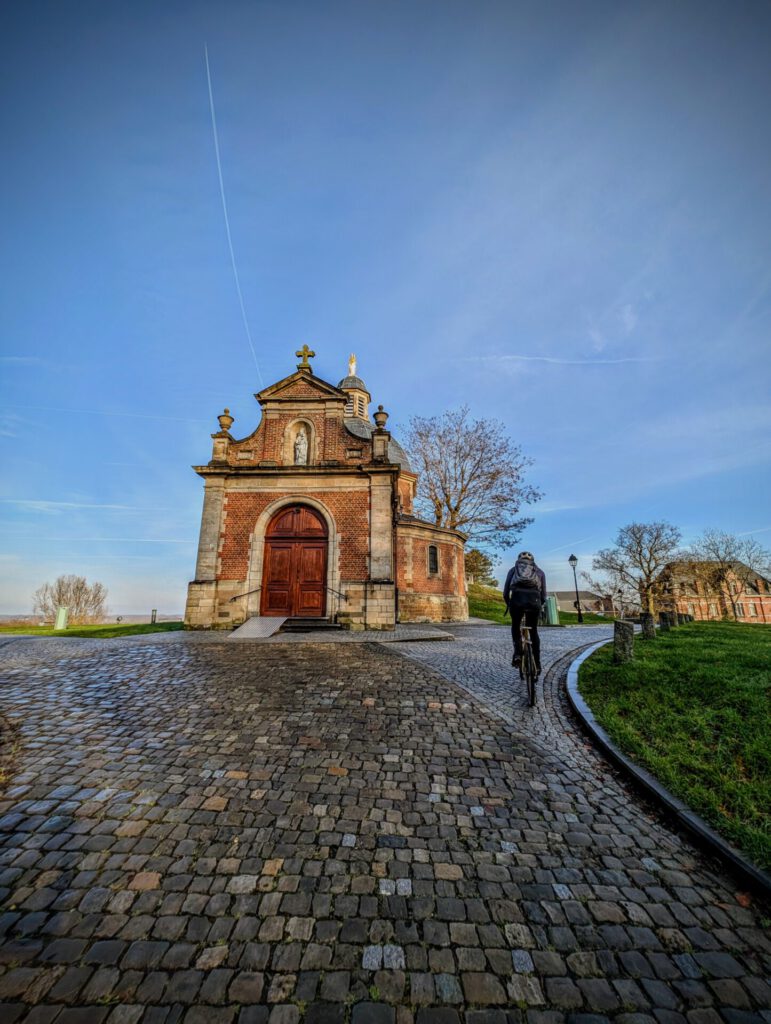
From east to west
This route is not one to do in a day. Unless you are a fan of extreme challenges of course, but basically this bikepacking is meant for a multi-day adventure. For a well-trained cyclist, three days will be enough. For others, cycling five days in a row with about 100 kilometers per day will be a strain on the body. Pro tip 1: Then leave the Belgian beer behind.
But this route, created by Visit Flanders, goes from East to West. You start in the region of Flemish Brabant, known for cycling events like the Brabantse Pijl, and you head towards the heart of the race: the region around the Wall of Geraardsbergen, the Oude Kwaremont near Oudenaarde, and finally the Westhoek, with the Kemmelberg and the Baneberg, known from Gent-Wevelgem (now ‘In Flanders fields‘called).
Three classics
In our sub-division, we have created three stages, where you can enjoy a three-day race. Stage one takes you from Tongeren to Hoeilaart, Stage two from Hoeilaart to Maarke, and the final stage goes from Maarke to Ypres.
Stage 1: with Eddy and Sven
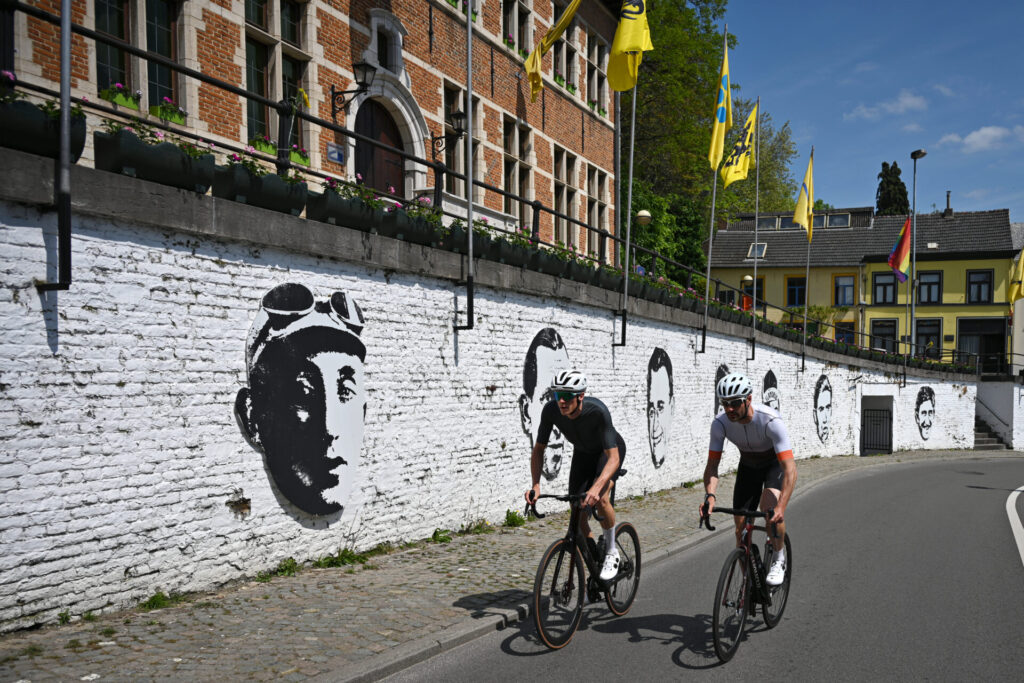
In the first stage you are in Eddy Merckx's backyard. You literally drive over the roads where Merckx trained and you will find several references to the Flemish great. You can get quite quickly off the line with the first climbs and as the route progresses, it will be up and down. If you think the gravel roads won't be coming until stage two, you are in for a rude shock. So keep that in mind if you are putting your tires on the spot, that's tip number two. Coming towards the finish you will pass the famous village of Overijsse, where the S-bend is still waiting for you. The finish is at a B&B, House Dumberg, that profiles itself as bike-friendly accommodation. After 178 km and 1600 meters of elevation gain, you have certainly earned a small Flemish fritter.
Stage 2: towards the heart of the Flemish Classics
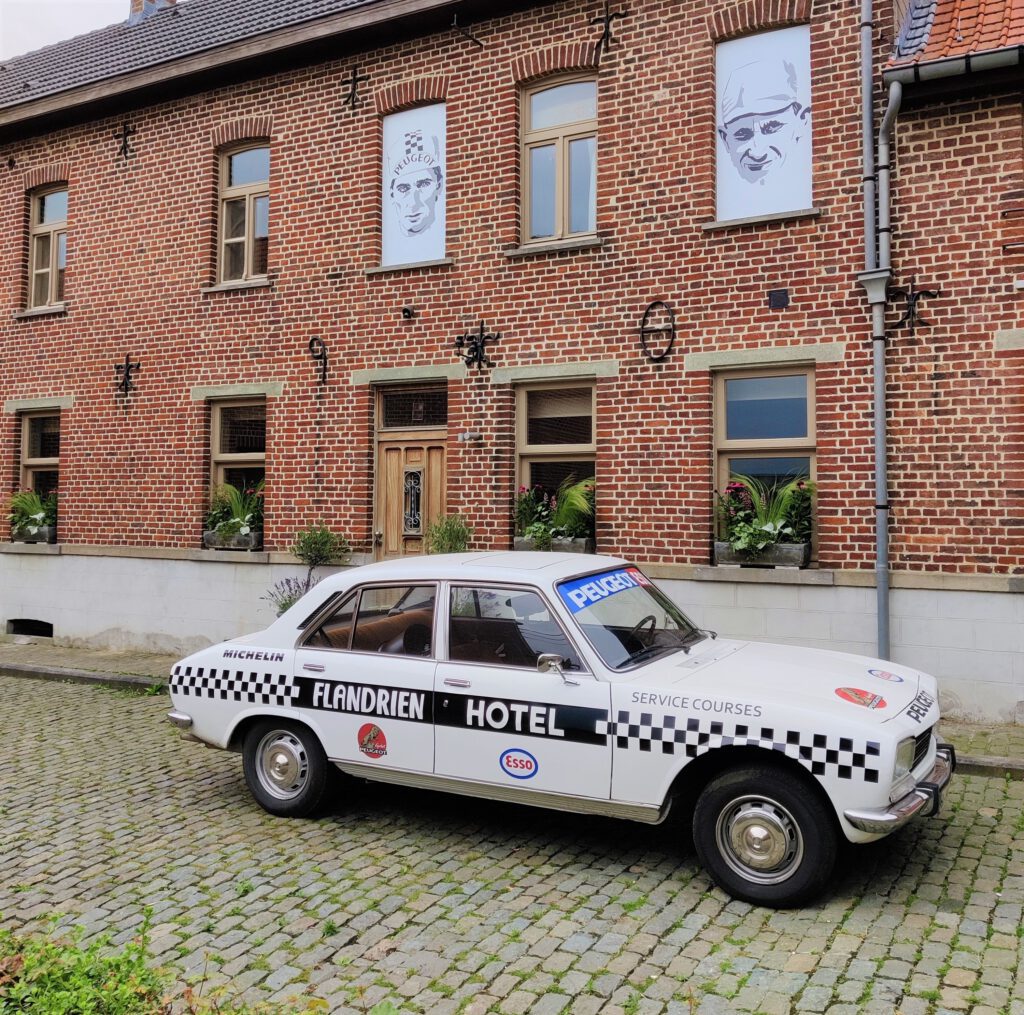
Stage two takes you through the heart of the race. With a finish in Oudenaarde, the finale for stage three is preserved, but in stage two you also get to experience highlights from the Tour of Flanders. But first you zigzag south of Brussels past the municipality of Halle and tackle the Waaienberg and Bruine put, also known from the Brabantse Pijl. Soon after, the first gravel sections follow, west of Sint-Pieters-Leeuw. After 55km on this route, you reach Schepdaal, the birthplace of another Flemish great (in the making) Remco Evenepoel. After 80km, the Flemish climbs take place at a faster pace. The Congoberg (what a name) is the foothills of the day's most challenging climb: the Muur van Geraardsbergen. Should you suddenly be out of breath, you can head off at 115km from this route in the Flandrien Hotel, one of our favorites in this region.
But if you go for it and want to finish at 167 kilometers, then the Berendries, the Vossehol, and the Valkenberg still await; all of them are familiar names from ‘De Ronde’. Starting here with the Eikenberg and the Boigneberg, you can also begin to sense the course of the E3-Saxo Classic. The finish at Bergs & Cobbles You will do well: this bike-friendly B&B exudes the spirit of the road.
Stage 3: Via Oudenaarde to Flanders Fields
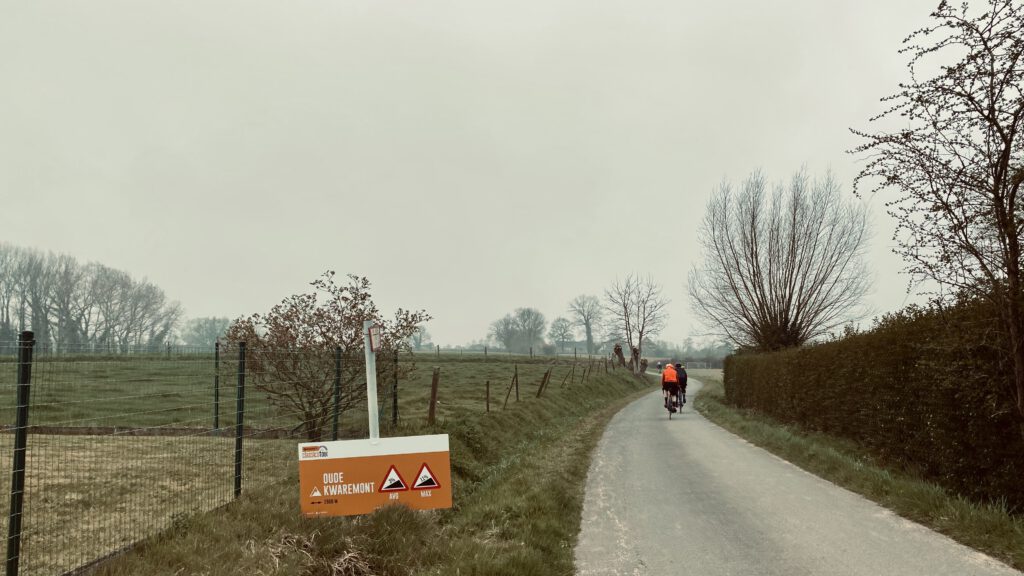
If that wasn't enough, now comes the dessert. In this stage you need the last bit of good climber's legs to complete it. You now head towards Oudenaarde and then you reach the beating heart of the Tour. It is highly recommended to take a break and stop at the Centre of the Tour of Flanders. We have already mentioned this several times. Even if it’s just to give your legs a break for the final push. Because the gravel climb now begins. One by one, you’ll have to tackle the Koppenberg, the Paterberg, the Oude Kwaremont, the Cote de Trieu and the Kluisberg. With full equipment on, you’ll probably be standing somewhere on foot.
Then there’s a short break to catch your breath. A relatively flat stretch around Kortrijk, the beating heart of the cycling fair Velofollies, forms the prelude to the absolute final. The climbs from ‘In Flanders Fields’ await you. The Monteberg, the Kemmelberg, the Scherpenberg and the Baneberg are the final stage before you reach Ieper and finish under the impressive Menenpoort.
If you get tired after that, you can sleep in Ieper, or you can take a real ‘velogement’ and then you go to ‘T Moltje, At the Monteberg, near Kemmel.
Questions & tips
Do you have any questions about this route, or have you been there yourself? Share them here. We read everything and usually respond within a few days.