
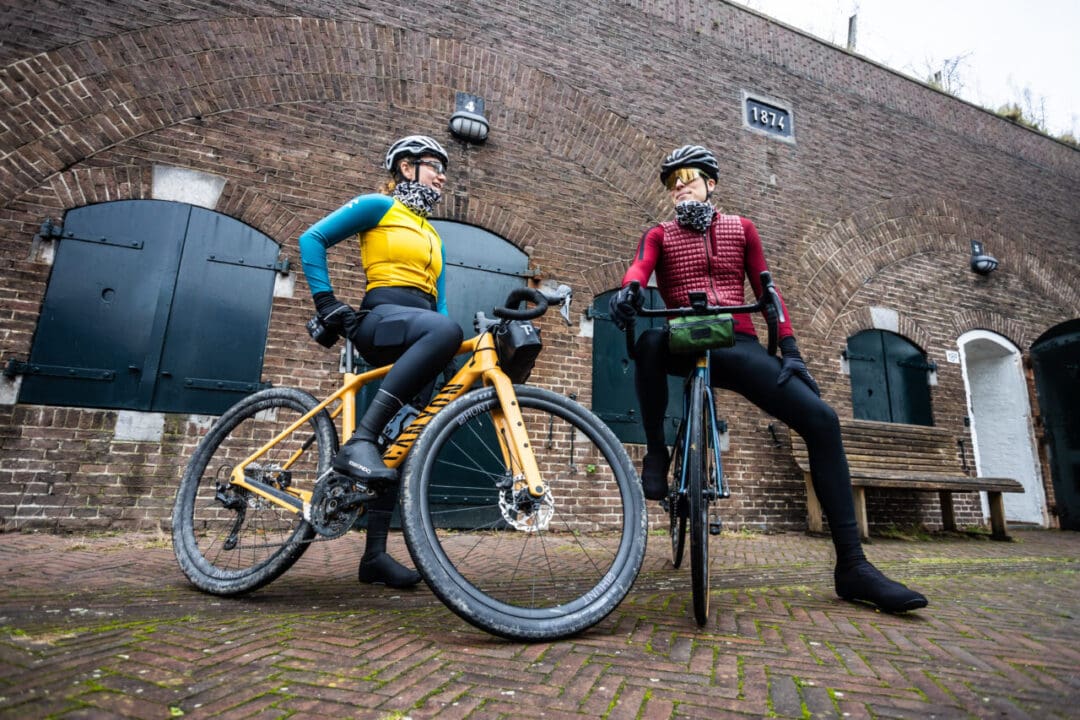
When temperatures start to approach the ‘single digits’, you know enough: winter is approaching. For many, it’s the moment to put the bike away or to secretly look for a beautiful winter destination, such as Tenerife. For those who want to continue cycling, we have a beautiful Winter Cycling Clothing guide. Because one thing is certain: you can’t go outside without a jacket when it’s winter. We have divided the guide into outerwear and underwear and give you guidelines for when you could wear something. Because honestly, clothing remains personal.
Disclaimer
This guide is suitable for autumn and winter, when the temperature is below ten degrees Celsius, or when it reaches below that limit according to the perceived temperature. Of course, we use examples from our partner. Etxeondo. In this guide you will also find personal tips and experiences. After all, we don't need a product guide to know what we would like to wear when. Do you have any questions or additions? Drop them in the comments or send us an email. message.
Underwear
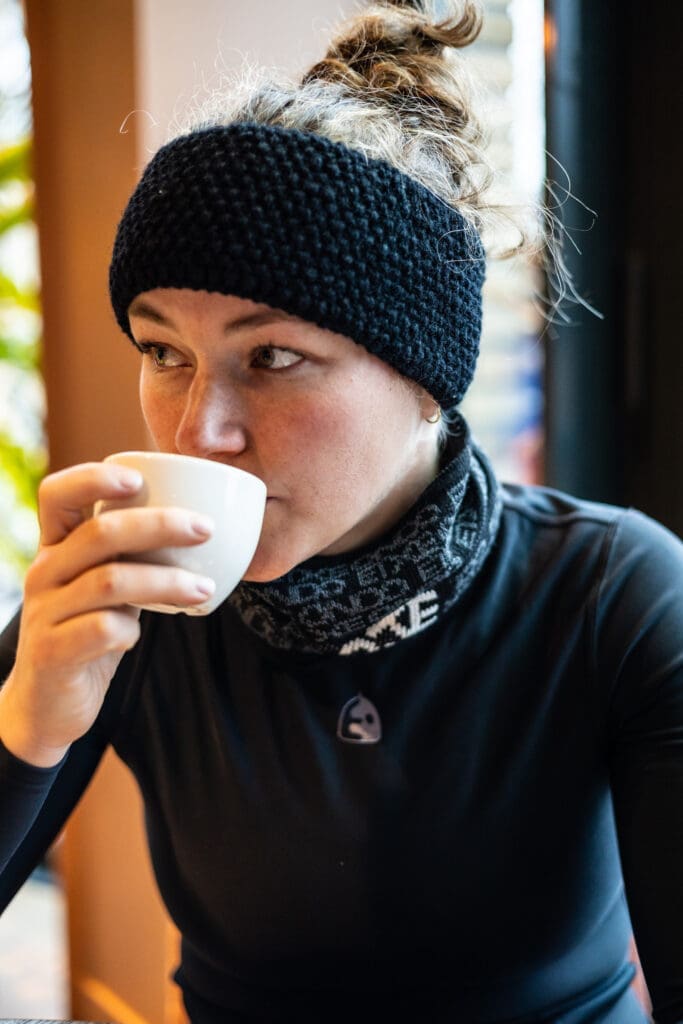
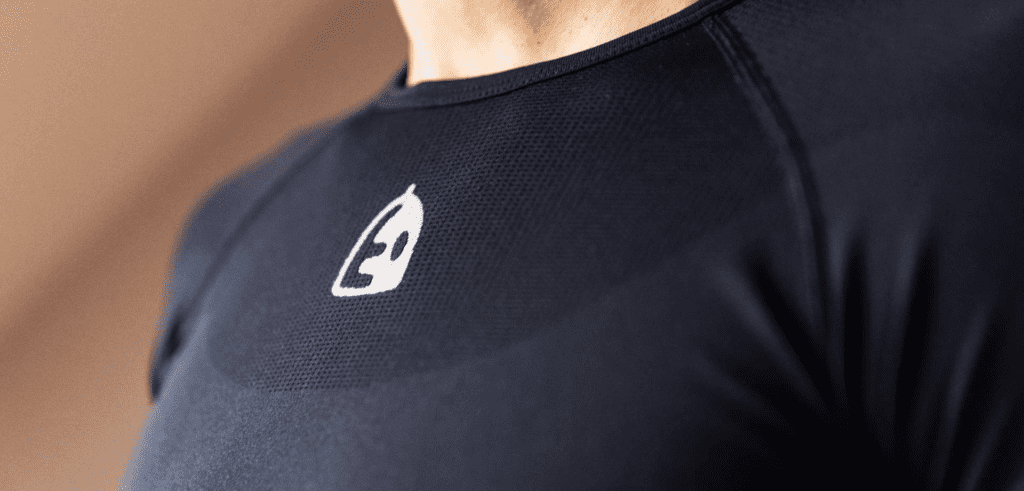
In the past, people still wore a nice woolen shirt, but nowadays there are high-quality undershirts that wick away moisture and keep you warm at all times. When it’s cold in the winter, we always wear a long-sleeved thermal shirt. Sometimes you have slightly thinner shirts, but generally, Sander, I wear a slightly thicker shirt. That way, you’re always comfortable. baselayer Iluna The Etxeondo one is available in black. That way you’ll be covered all winter long. The technical fabric protects you at temperatures from -5 to 12 degrees. So there’s no need to worry about that anymore. Personally, I find it nice when the back can also cover your buttocks when you’re standing straight. Otherwise you get a cold back.
Short or long undergarment
There are always people who prefer to ride with short-sleeved undershirts. That’s okay. I must say that I absolutely don’t find that at temperatures approaching zero degrees at all pleasant. If you do want to ride with short sleeves, the Epela baselayer from Etxeondo is good enough to keep you warm above five degrees. Light, technically high-quality and nicely tight-fitting. Without the sleeves, I wouldn’t recommend it to anyone, but that’s also a personal choice.
Trousers
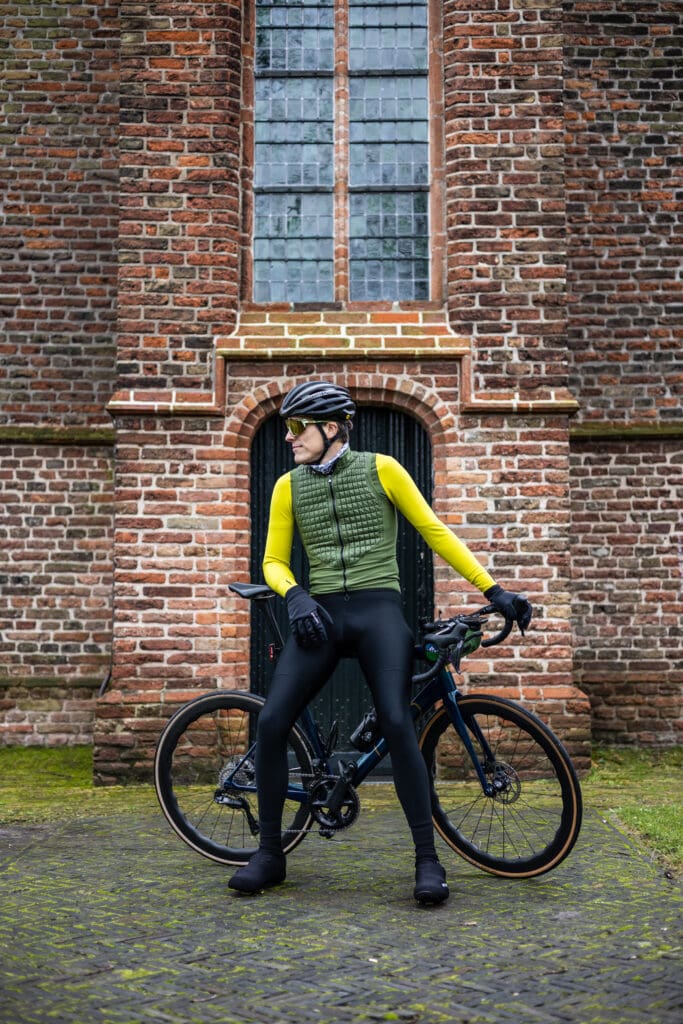
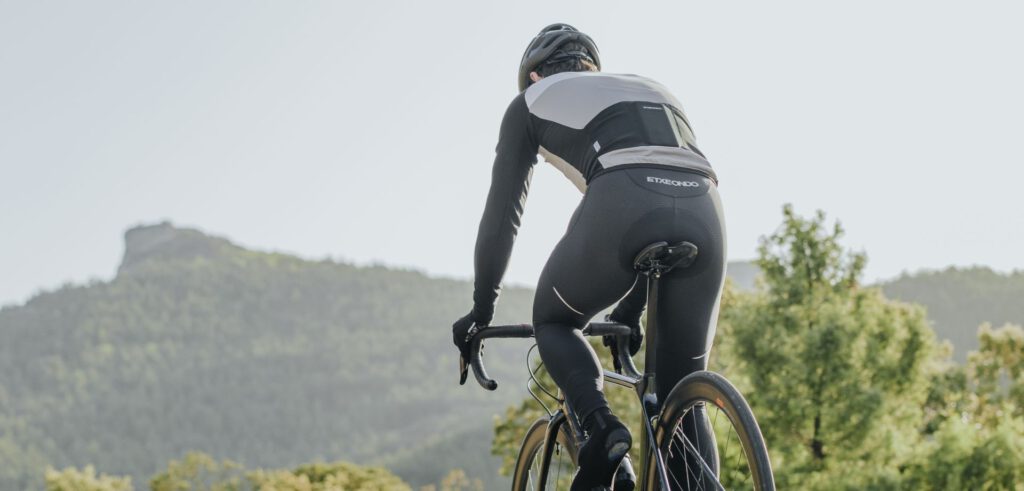
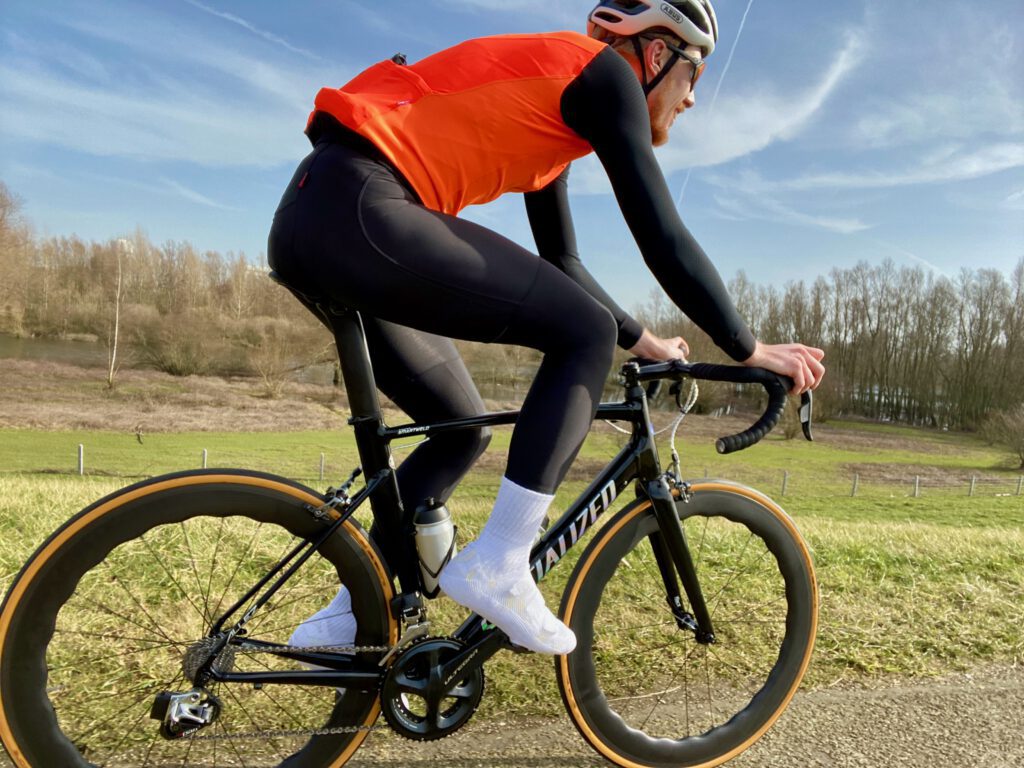
This guide is written in the order of getting dressed. At least, that’s how Sander and I usually dress. That means shirt first, then pants, then the rest. In the winter, I used to ride with just a leg piece and a short summer skirt for a long time. That was okay during the ride, but afterwards I had red marks from the cold. Not good, so I always ride with a nice warm, lined long skirt in the winter. My weapon of choice? The Orhi long skirt. In terms of fit, fit, and lining, it’s the best skirt out there. It’s an investment, but you won’t regret it. From -2 to 14 degrees, you’ll have fun here. If you have a smaller budget, you can also go for the KOM bib tights Go. For long rides, the Exo Thermodry from the Endurance collection is a great choice.
Underwear
So far it has been quite straightforward. Pants, undershirt – not much to do. As for outerwear, the choice is a bit more open-ended. This also increases personal preference and variety. For example, do you wear an extra shirt under your jacket? Do you wear a long-sleeved shirt and a vest? Or do you wear an extra thick jacket and only a thermal? That’s really a personal preference.
Jacks
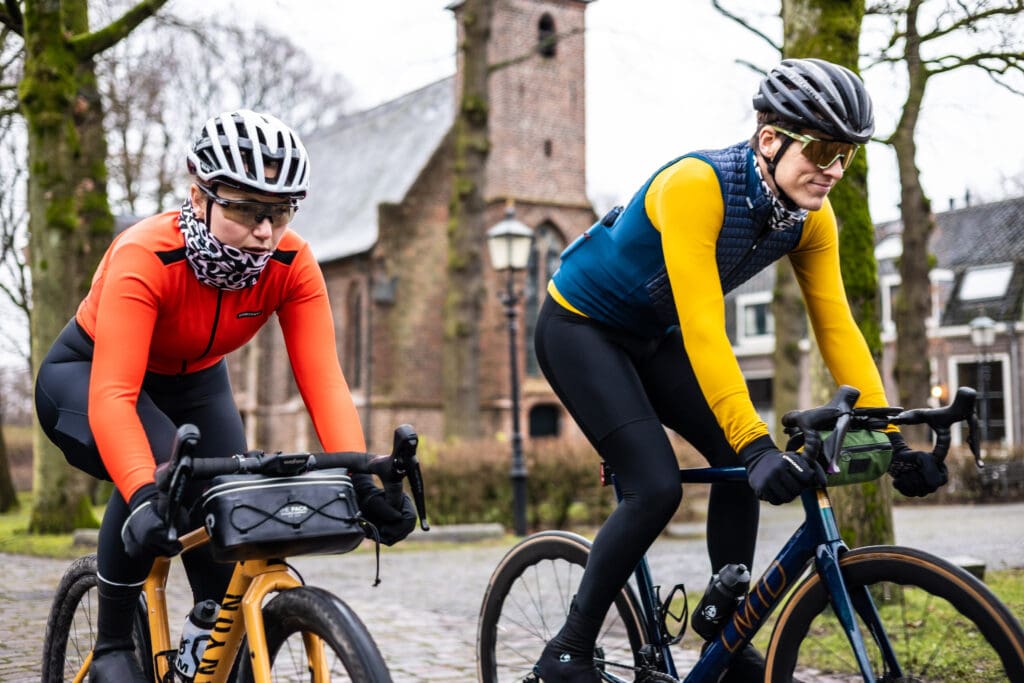
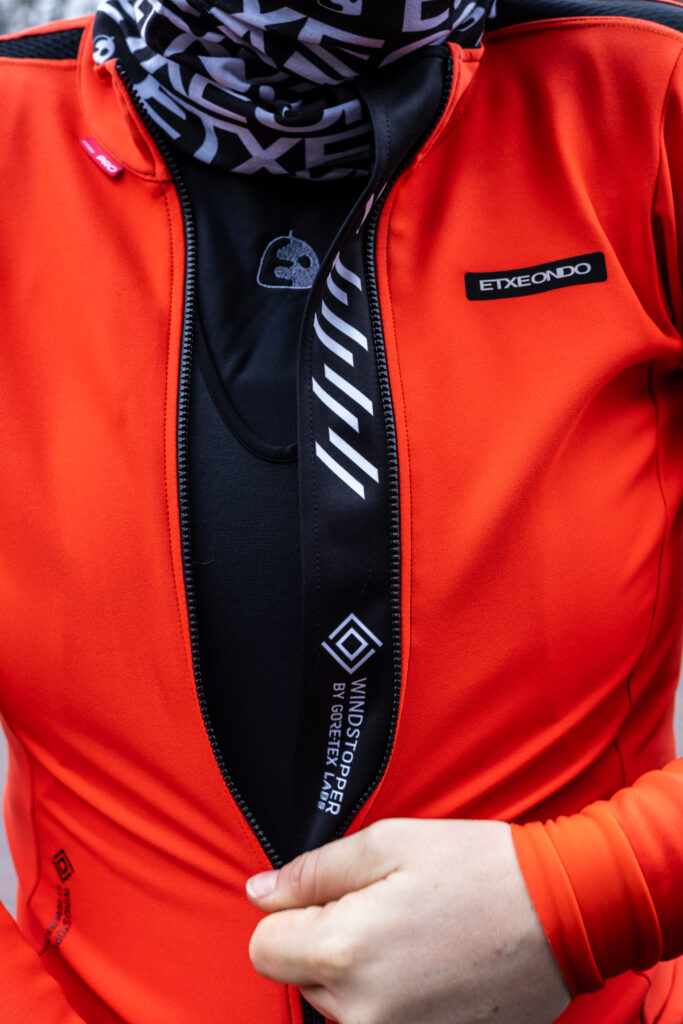
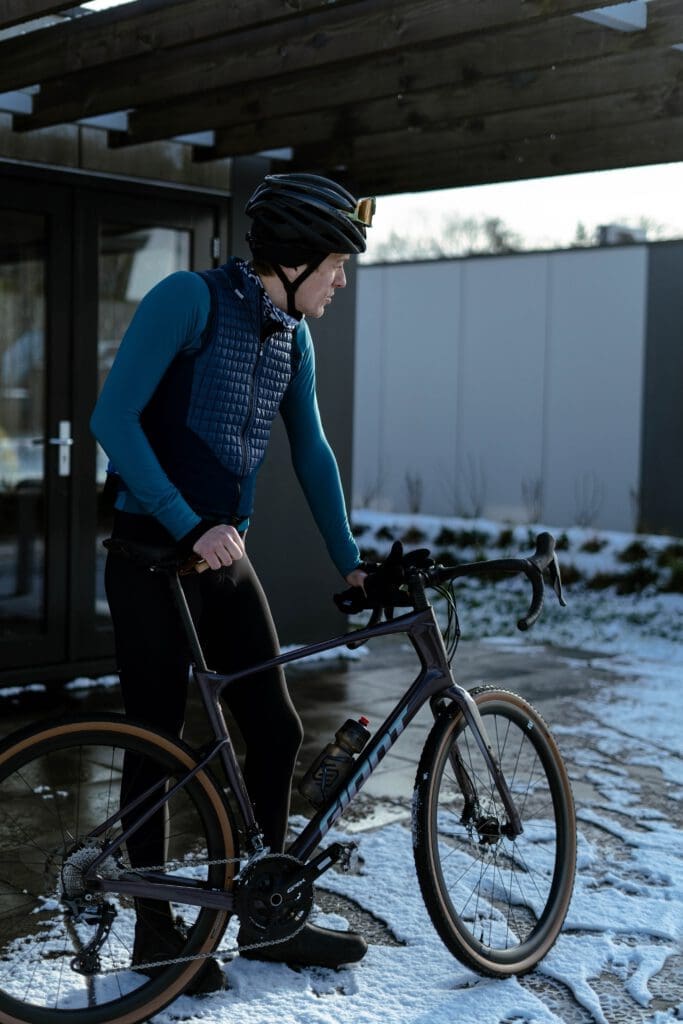
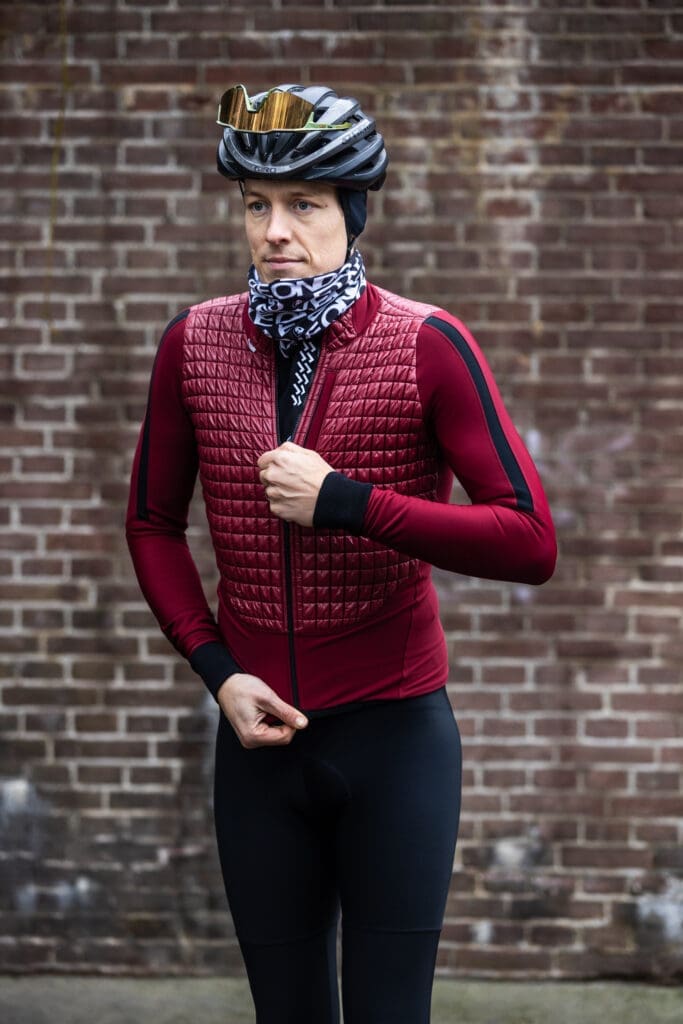
When it’s colder, you really want to wear a jacket. I myself use the Etxeondo 76 jacket and it’s actually always suitable. The indicated temperature range is from -2 to +12 degrees, so you can wear it almost all winter. If it gets really cold below -2, you might consider wearing an extra rain/wind jacket or an extra shirt (a regular shirt). The 76 also has windstopper fabric, which is definitely not a luxury in the Netherlands.
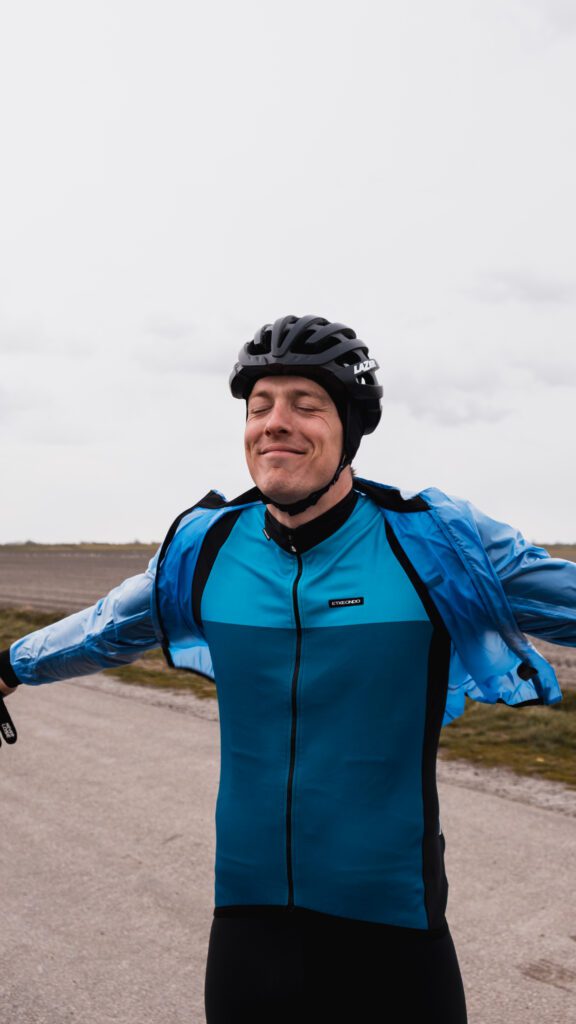
If the temperatures are a little higher, the Arri jacket is a good alternative. Actually, it is intended for temperatures of +6 to +18. Although above 15 degrees I really don’t bring the jacket out anymore. An important consideration when choosing the Arri instead of the 76 is the chance of rain. In the rain, the Arri gets soaked. You don’t want that.
Vest/jacket
I don't use the combination of a vest and a long-sleeved shirt very often. I prefer the sleeve pieces. It can be a good option if it's a bit unpredictable and the sun still wants to come through. Then you're a little more flexible, for example with a IBAI Shirt (which is also water-repellent) with the Arri vest over it. I often wear the Busti vest myself, but that’s obviously not enough when it’s around five degrees Celsius.
Socks
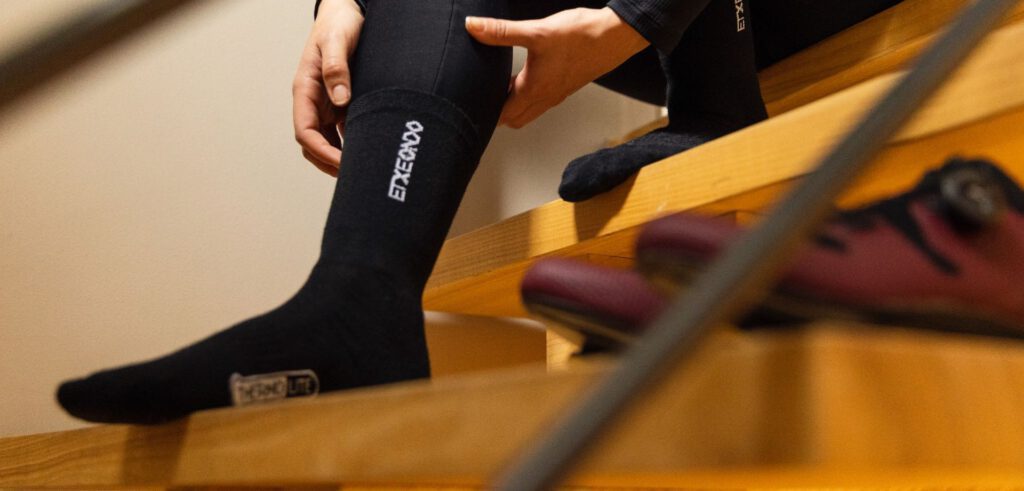
Warm feet. Who doesn’t want that? In the winter, you can no longer do without the thin summer socks. So thicker winter socks are needed. Don’t think of your grandfather’s sheep wool socks, but rather fine, winter socks like the Bero variant. For both men and women, in various colors. Although in some circumstances it is difficult to keep your feet warm, these socks do a lot. In combination with overshoes, you can ride through temperatures as low as zero. Be sure to use padded overshoes.
TIP: If you really suffer from cold feet, you can choose to put warm pads on just before your ride, such as this one put them on your feet. Especially for an hour, extra warm feet!
Head and neck
One of the most underestimated things is the heat loss through your head. The estimates vary a bit, but 20 to 30 percent of the heat leaves your body through your head! In the summer, it is therefore advisable to wear a very thin head covering so that you can dissipate the heat well. In the winter, it is exactly the opposite. Keep that inside. I actually use two things to keep my head warm
- A buff, You can also use it as a kind of bandana. It works well when the temperature is about five degrees. If it gets too warm, you can tuck it down to around your neck, or you can put it in your back pocket.
- A cap. The skull cap The Etxeondo is a real asset. It's super easy to put on, fits nicely on your head, even on a large head like mine, and it keeps you wonderfully warm.
I also use the buff when it's really cool, around zero to two degrees. Then it's really perfect even when the wind is gusty.
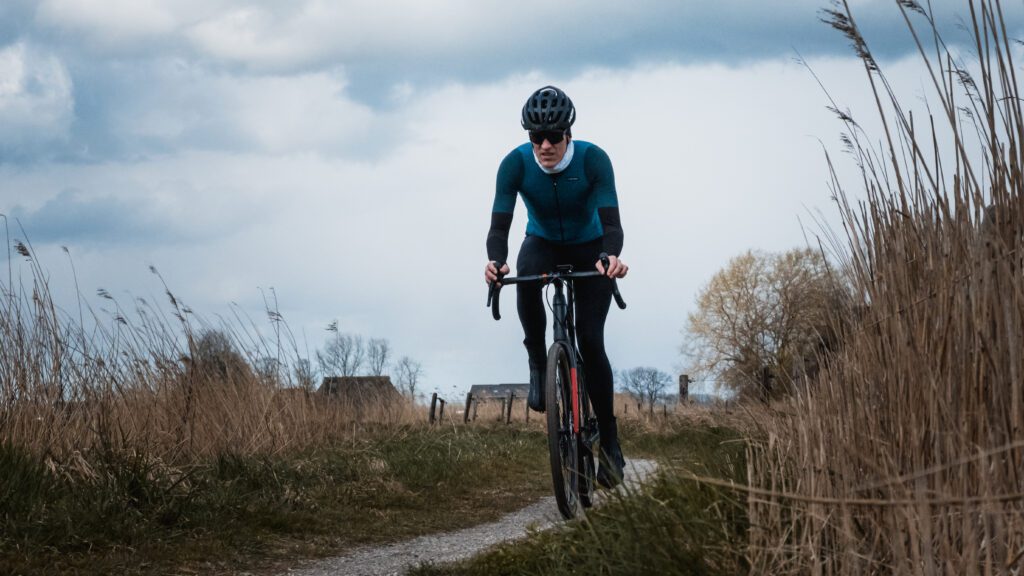
Winter cycling clothing guide: rain
If it rains in the winter, cycling isn't really as enjoyable as it usually is. We know this because in mid winter, January, we went for a ride. Posbank. To put it mildly, that was an interesting experience. Rain is a killer. You really need a water-repellent pants, a rain jacket (like the shakedry or busti) and especially waterproof shoes. Because once your feet get wet, with the wind, you quickly get frozen feet. Cold hands aren’t very pleasant either, and whatever gloves you wear, they get very wet. If it’s a little chilly, fine, but with real rain, it’s definitely a short ride. Here are some extra tips in our rain clothing article
Extreme cold
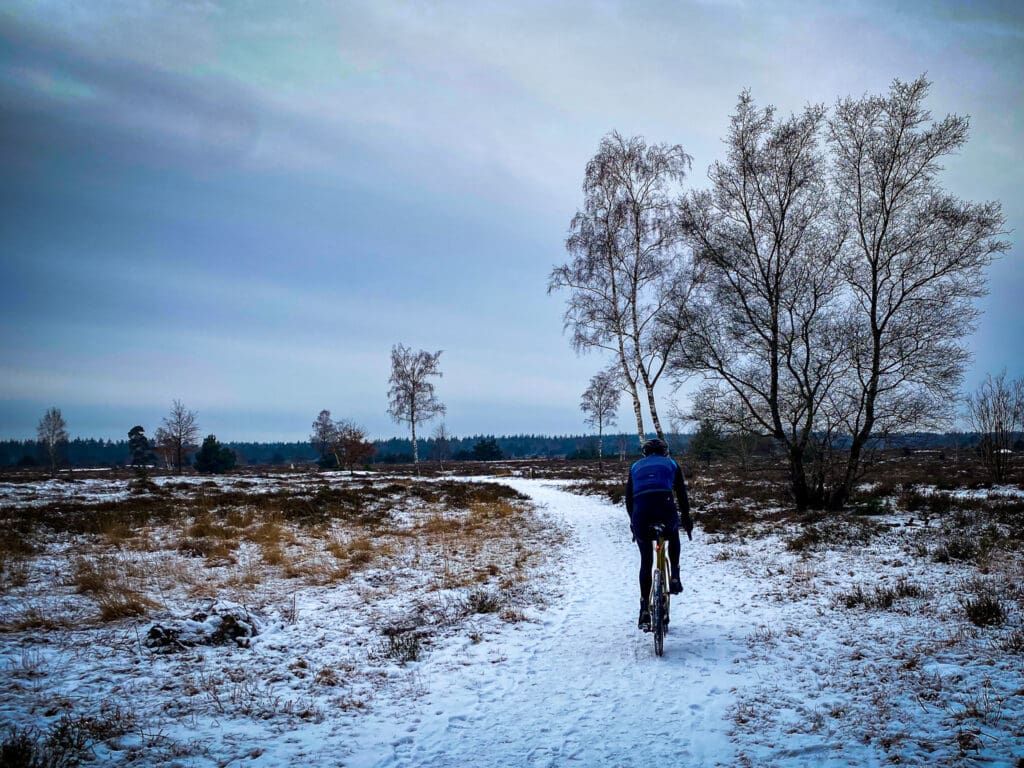
Extreme cold, below zero degrees, doesn’t have to be a problem to ride a bike. However, keep in mind that your body doesn’t warm up easily. Limit the length of your ride to about 1.5 hours and wear several layers. A buff, warm overshoes, thick socks, a thermal shirt, an extra undershirt and gloves are a must. Be especially alert, because once you’re too far from home and you have frozen fingers or toes, you could really end up with a cold shock at home.
Gloves
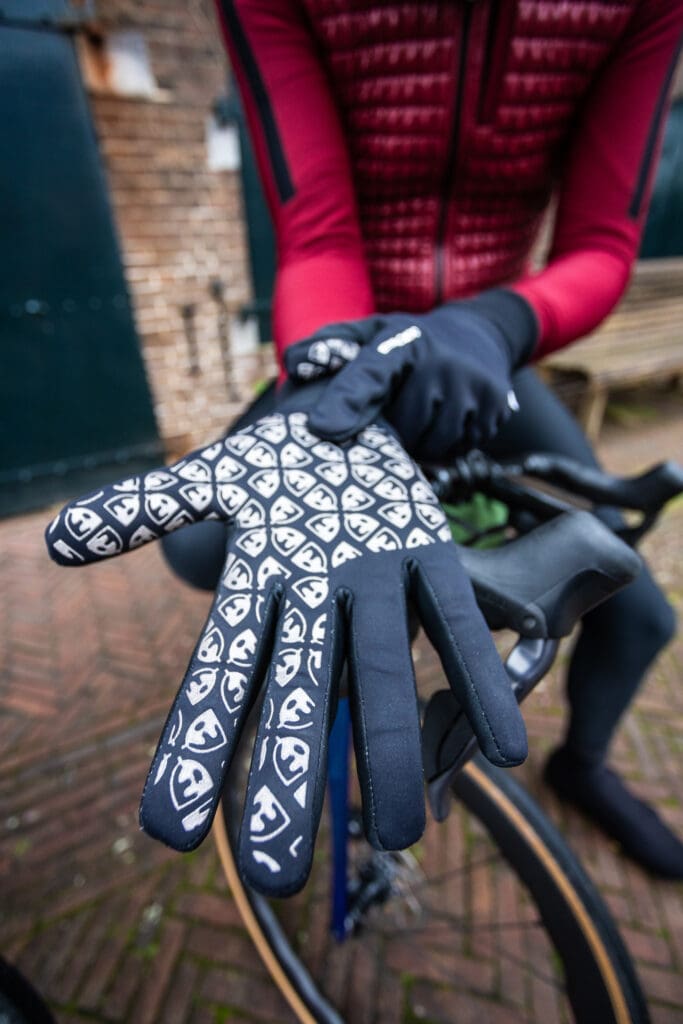
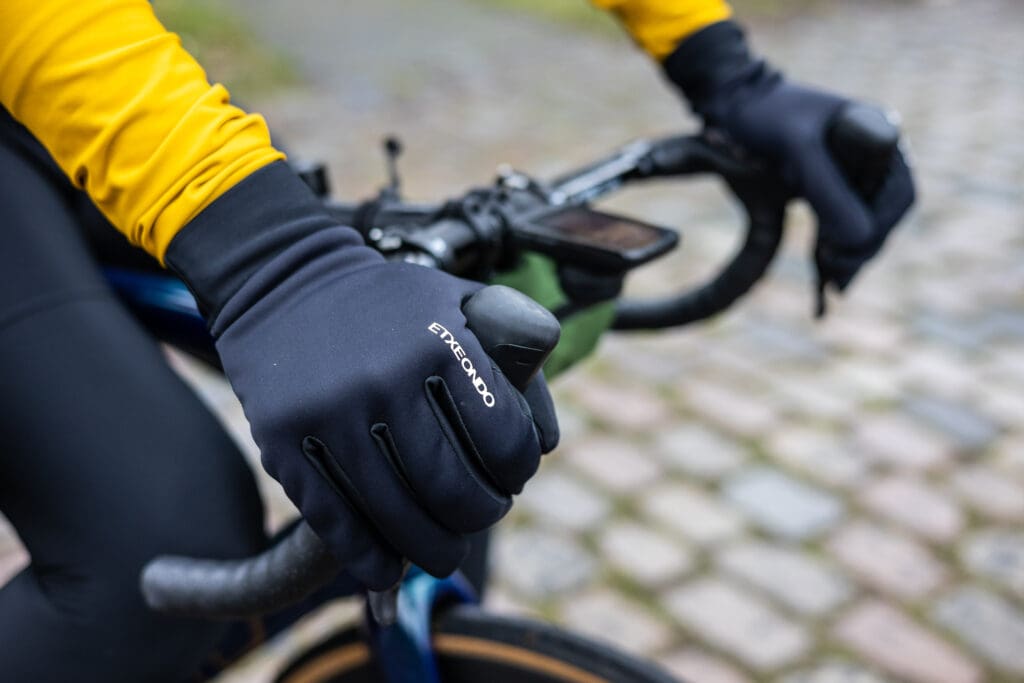
Personally, I have a love-hate relationship with gloves. At the cycling club I was a member, gloves were mandatory at temperatures of six degrees and below. Rightly so, but when I wear real winter gloves, I quickly get sweaty hands at temperatures of five degrees. Then your gloves get wet and, yes, that’s when you actually get cold fingers again. The Esku Etxeondo offers a nice middle ground. If you really want to ride in all weathers, even in freezing temperatures, then the GARE Gloves are the go-to pieces. Water-resistant, against the cold. So not at all suitable for cooking.
Overshoes
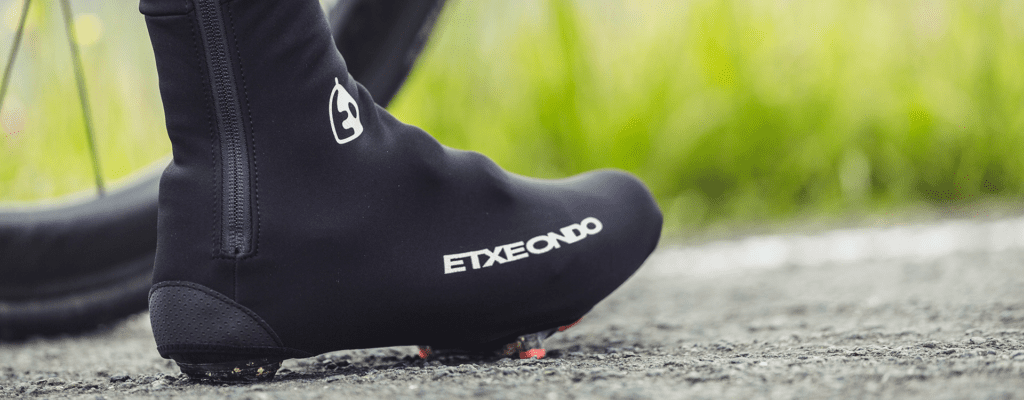
Not unimportant in your wardrobe: overshoes. I have two types of overshoes at home:
- Rain covers
- Winter boots
The rain covers or rain boots are only intended to keep the worst kind of water out. If it rains, water just comes in through the bottom (and also flows down your leg into the shoes). So you can never keep it completely dry. It could be down to the brand I have at home, but I’ve never been very enthusiastic about it.
I have been using the same winter shoes for more than 15 years now and I absolutely love them. They are super warm, lined on the inside and repel water. In extreme cold, you will still have to go inside after 1.5 hours, but in normal winter conditions you can get through in two to three hours.

Questions & tips
Do you have any questions about this route, or have you been there yourself? Share them here. We read everything and usually respond within a few days.