
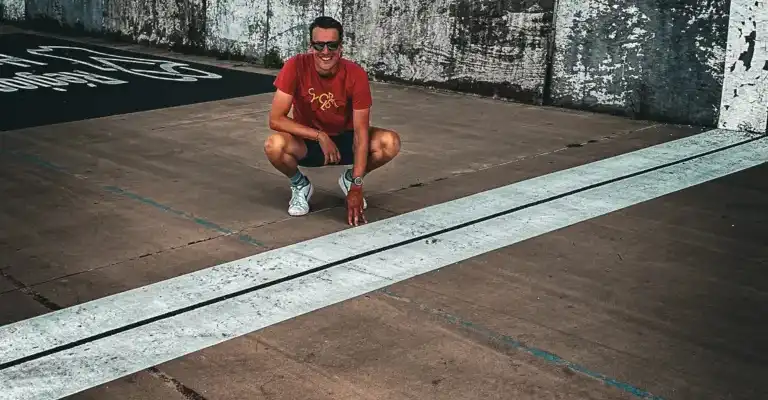
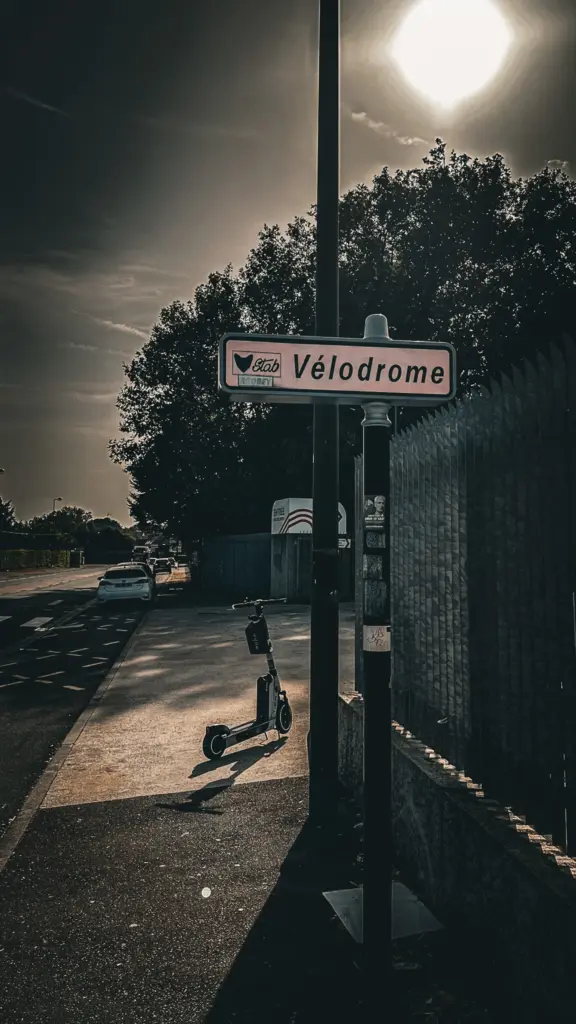
‘Roubaix-Eurotéléport’ sounds out from the speakers of the metro. I look at Richard, a good friend, and we nod at each other. We have to get out of here, for the last stretch towards the sacred ground. The ground of the Velodrome André Pétrieux. We take the stairs up and once there we have to swallow our words. The sun shines over Boulevard du General Leclerc but we don’t feel particularly cheerful about it. In just over half a year, it will be gloomy and grey. The people around us look at us in a frown. Perhaps they see two wheel tourists coming out of the metro here more often, but still. We stand out. Once on the bus, we head towards the final stop. Stop: Vélodrome. My heart rate rises a little.
The magic of Roubaix
When I first started following the cycling sport, a few moments were important. Of course, at Kolsloot, it was always all about the Tour, with stories about Wim van Est, Wout Wagtmans, Gerrit Voorting and Jan Janssen being easily retold. This was reinforced by a visit to ‘the 8 of Chaam’, where I immortalized myself with Wagtmans and Van Est. My father was proud, I was especially delighted. At our place, it was a regular routine on Sundays in spring to turn on the television. We would sometimes skip the Omloop, but we certainly didn’t miss ‘the Ronde’ and ‘Parijs-Roubaix’. The memories are very strong. I can still remember the overwhelming dominance of Mapei. I saw Andrei Tchmil win, I remember seeing Museeuw and especially the victory of Servais Knaven, and I can remember it all very well.
The hell of the North
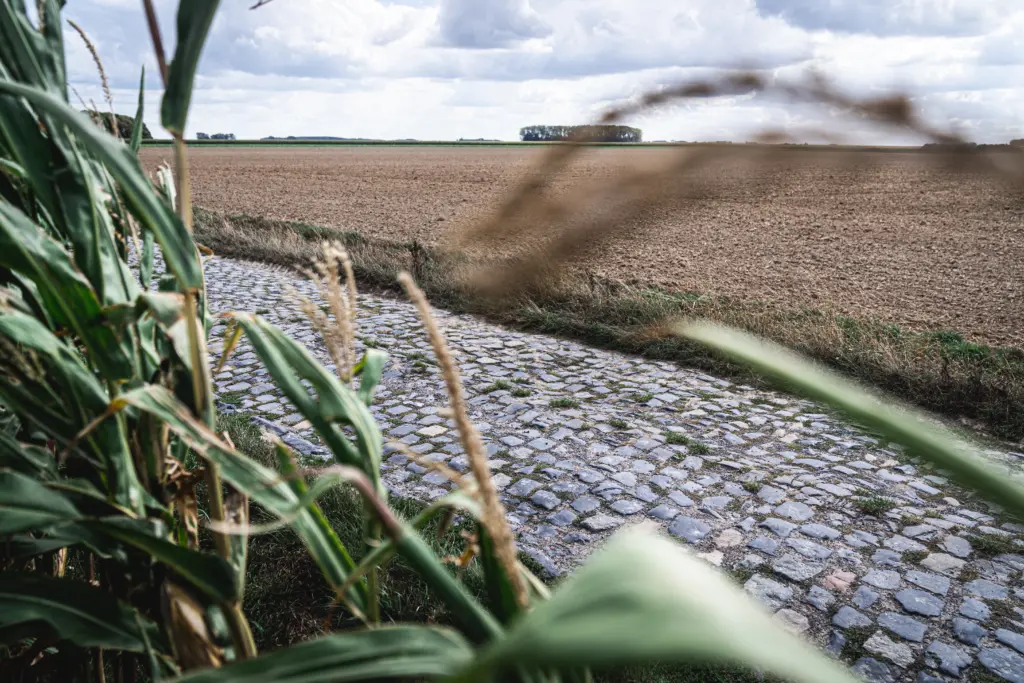
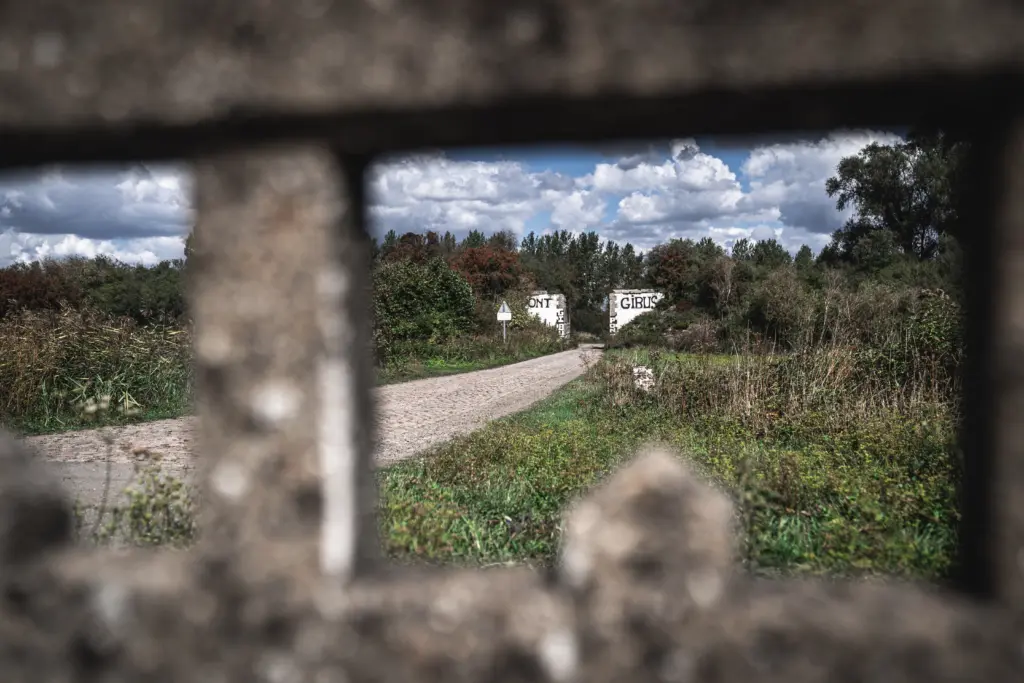
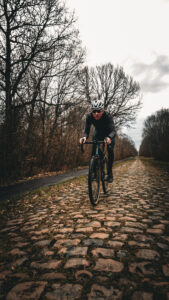
Perhaps even more than those victories, I remember the Bos van Wallers. When they arrived there, the voice of the commentators (De Neel and Smeets) always went up a little bit. They knew what was going to happen too. Especially in the ‘wet’ editions, it was always chaos here. Back then there were no fences or other barriers, but complete chaos on the cobblestones. The hell of the North, as Paris-Roubaix is affectionately (not) called, was visible here. Racers who were groaning in pain on the ground, frames in two, wheels in half. And always that cry for a new bike to get them through again. It was fascinating television.
Finishing on a piece of crumbling concrete
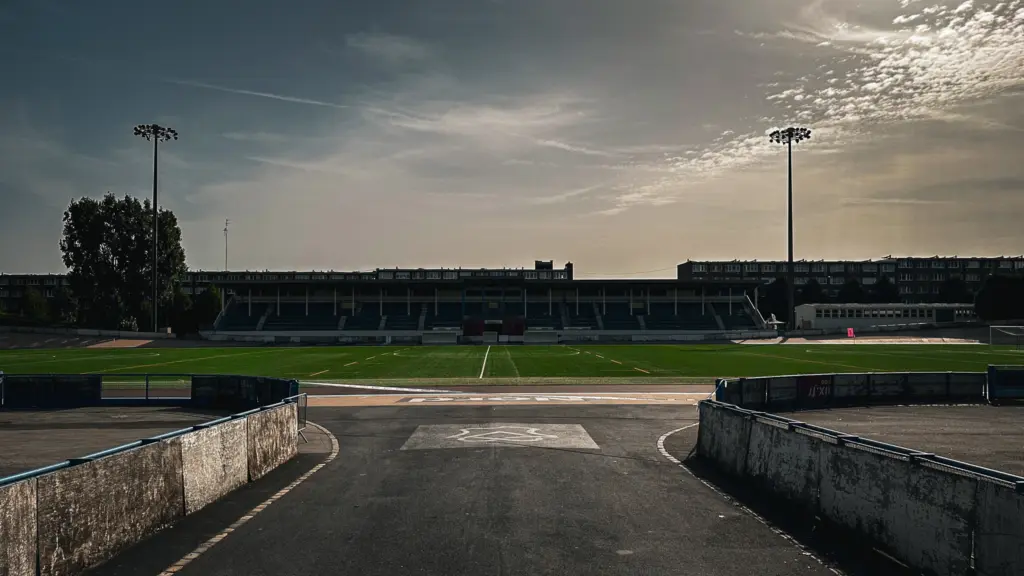
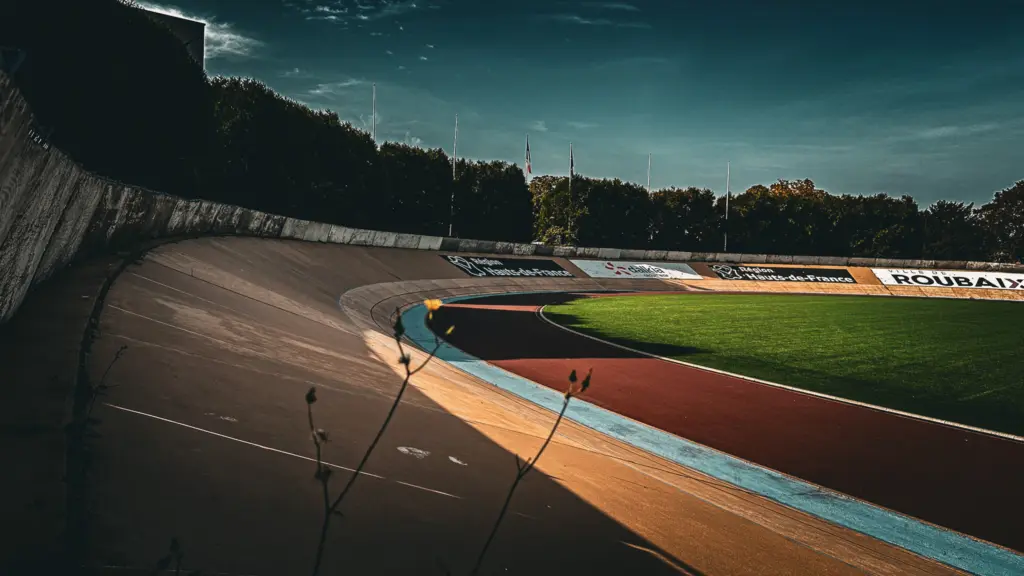
If all the gravel tracks, such as Carrefour de l’Arbre and the ones near Mons-en-Pévèle, were processed, the course invariably ended up on a piece of crumbling concrete. The André Pétrieux velodrome. On days with bad weather, the surroundings seemed even more desolate than in real life, but the track transformed into a kind of open Thialf. So smooth and also full of cycling geeks who shouted their favorite to the finish line. Always a lot of emotion for the winner. And often with a face of a miner. So black from the dust and drawn by the day. It’s a picture that seems to fit the current city of Roubaix.
Poverty as a trump card
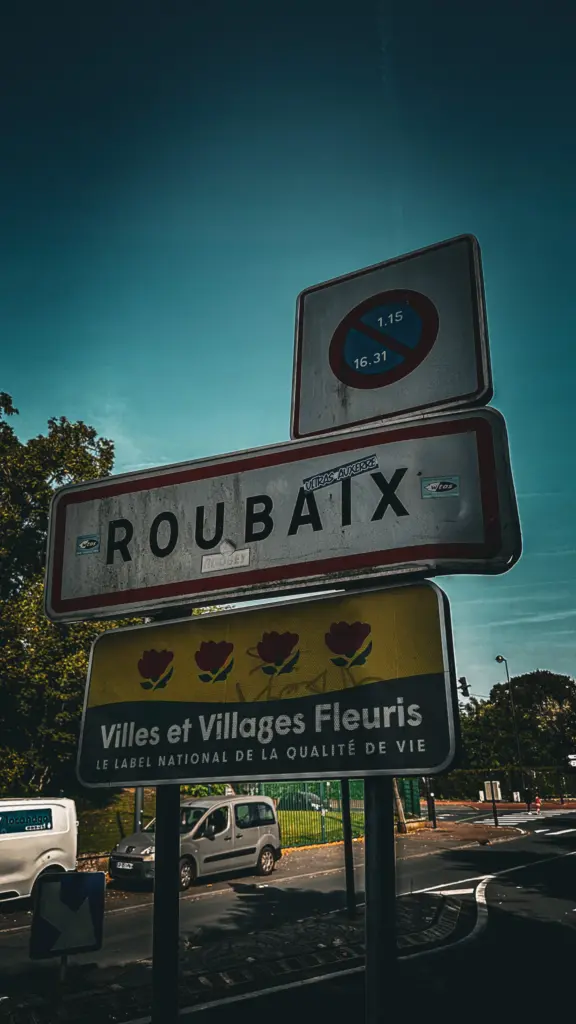
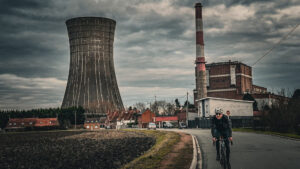
Roubaix has always been a textile city. That can sometimes still be seen in the buildings that reflect the history of the textile industry. The decline of the industry (and the migration of production to low-wage countries) has led to the city’s decline. Roubaix, together with Tourcoing and Lille, forms a large metropolitan area of over 1 million inhabitants. Today, Roubaix is a city with enormous unemployment and poverty. In 2020, the most recent figure I could find, 46% (!) people lived below the poverty line. Tourcoing and Villeneuve d’Asq (a suburb of Lille, where the local football stadium is also located) also have a high unemployment rate. LOSC Lies) are in the top 5 of the poorest villages/cities in France. Whether this translates to the surrounding area and what you can find there is something only you can guess.
A pilgrimage route
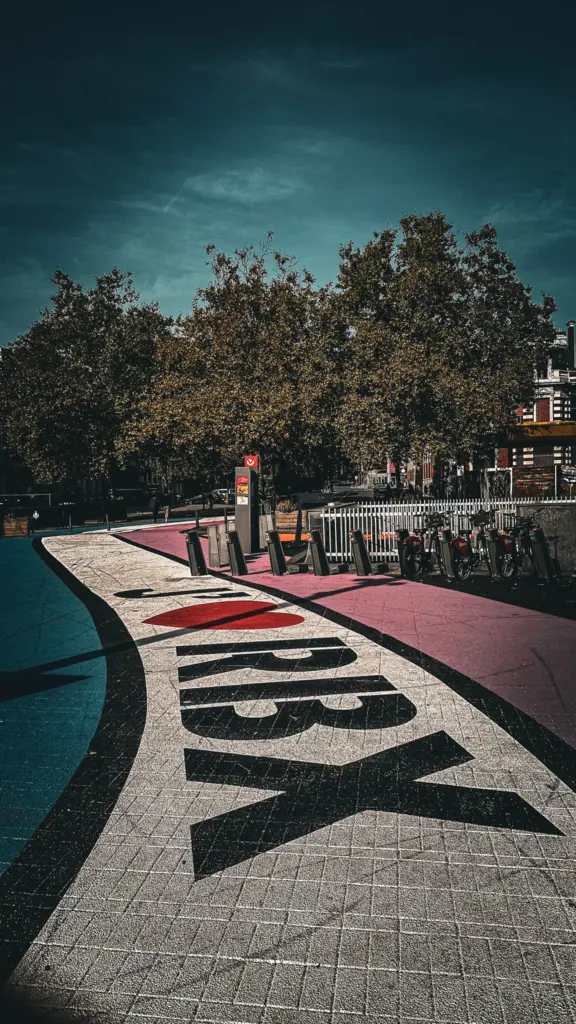
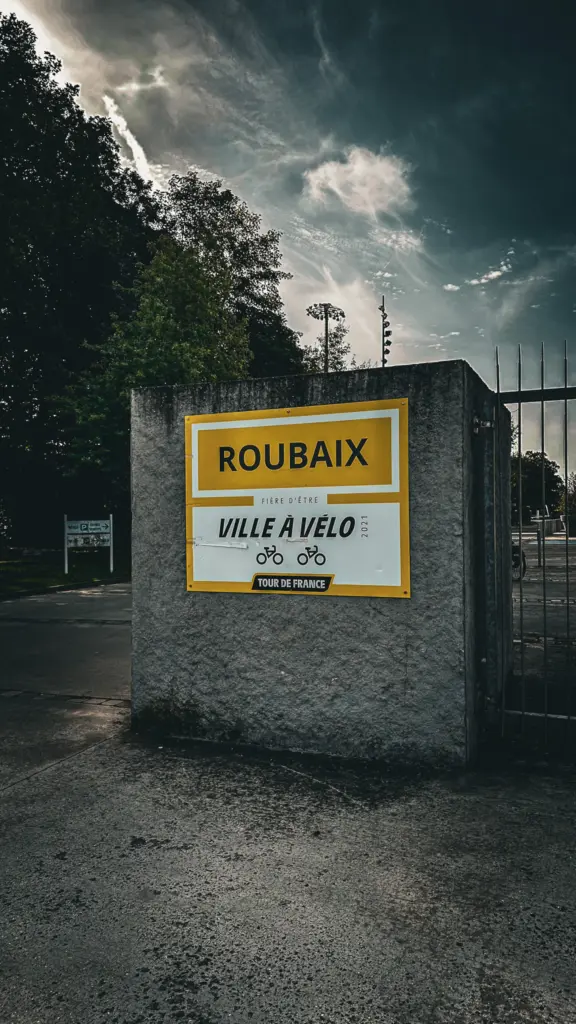
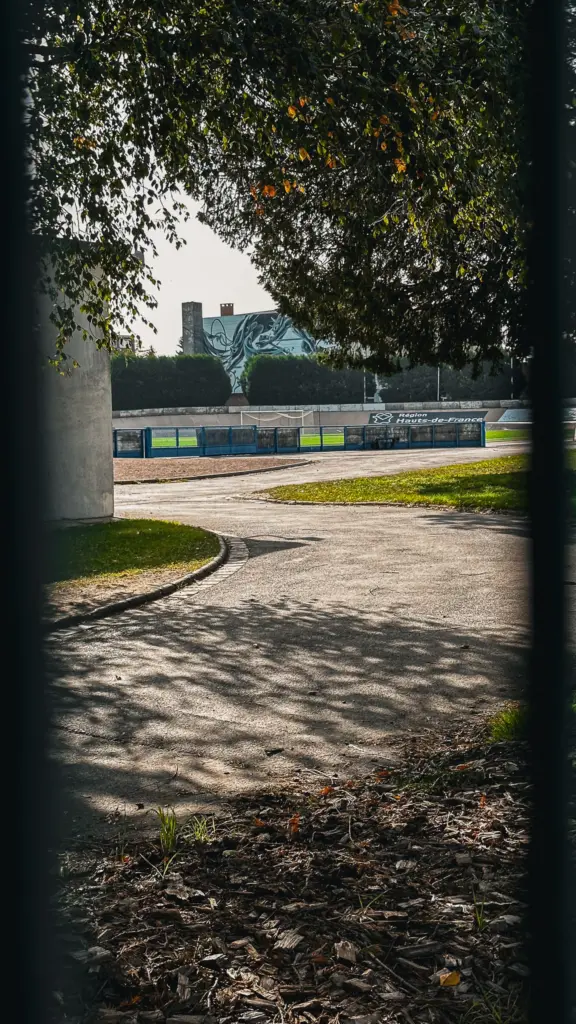
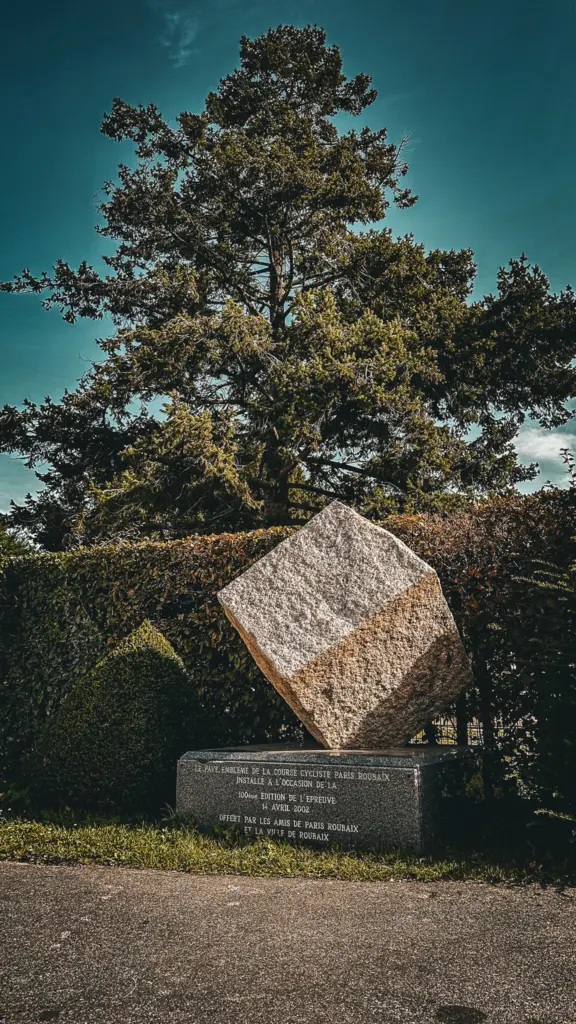
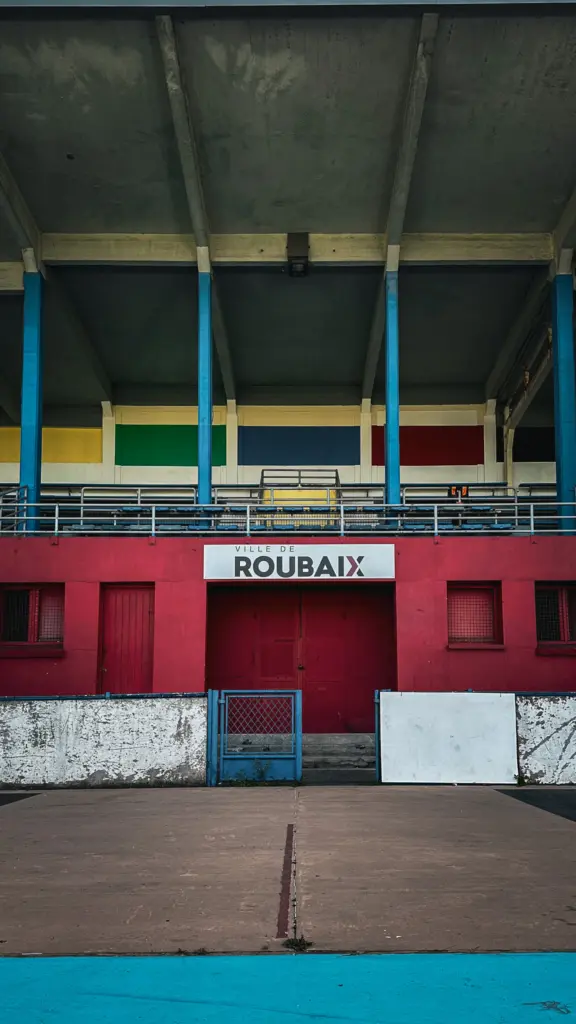
When we make the walk from the bus stop to the cycling track, a few hundred meters in, it becomes apparent that this stretch of a few thousand square meters is truly a testament to cycling history. A sign ‘Ville de Velo’ is a first hint. The large gravel path at the entrance to the track reveals even more history. The entrance itself is closed. That’s a disappointment. We take a photo through the fence and then decide to take a walk around. Real ‘groundhoppers’, a term from the football world, are always looking for an open gate or one where you can just climb over.
Tribun customers
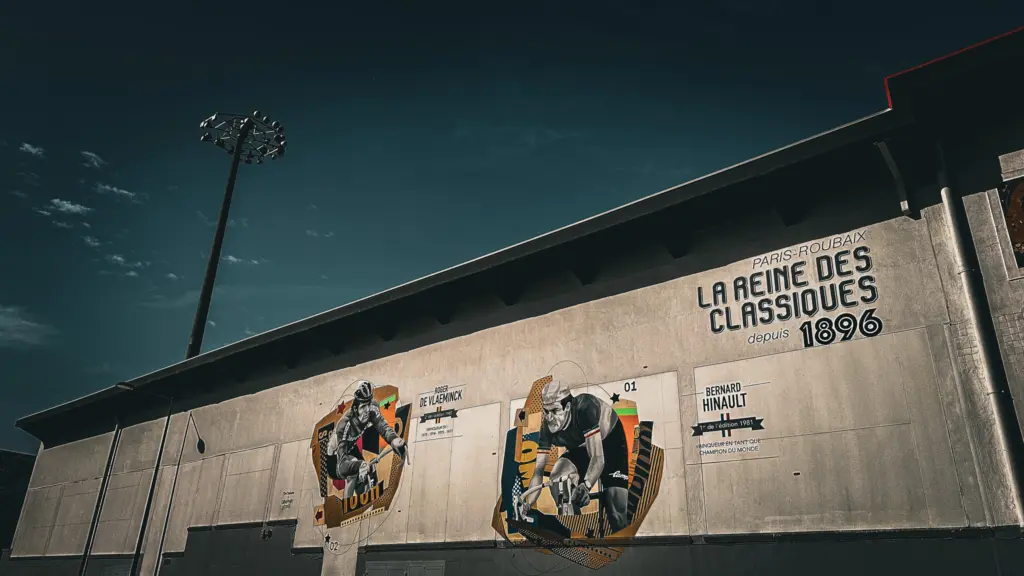
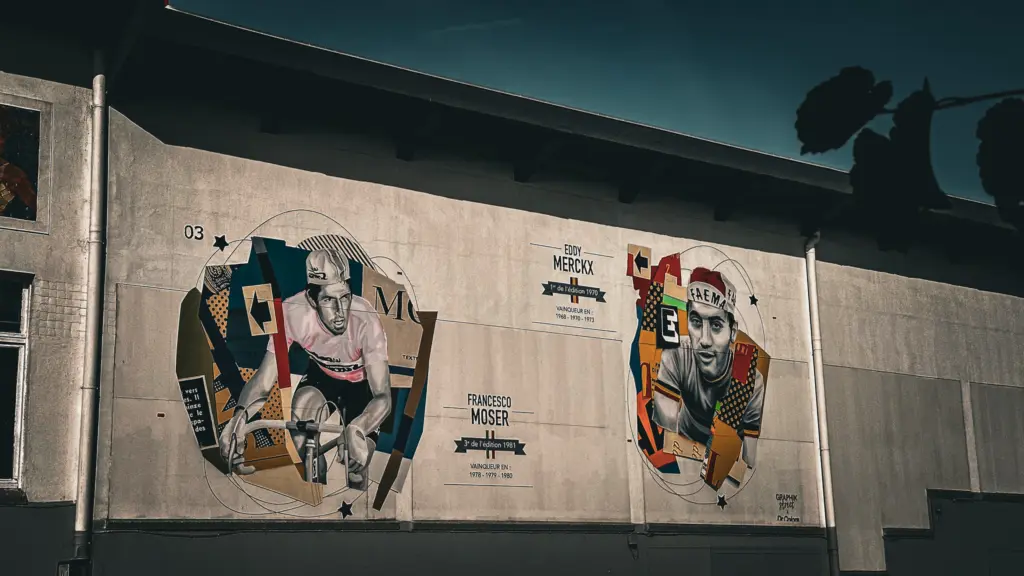
At the main grandstand, across the road, the murals are the most striking. The heroes of then and now are honored, of course with ‘PouPou’, Raymond Poulidor, but also with Bernard Hinault, With whom I was able to cycle recently. It was special, beautiful and impressive. Here we are once again surprised by the open gate on the left. A friendly Frenchman is waiting for us. Can we still go inside? ‘Yes, you can, but you have ten minutes, because then we’re closing.’ As it turns out: the ladies from the local football club Roubaix are playing an important match against Wervicq-Caen. The playing field has now been taken over by a piece of green plastic, also known as a football field. We take the ten minutes with love and rush inside.
Old crap, new nostalgia
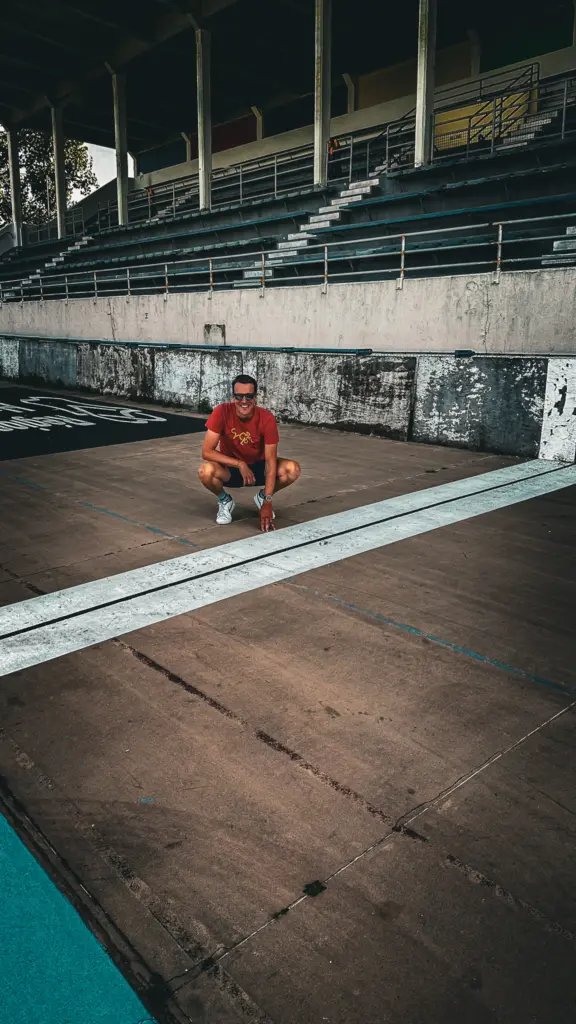
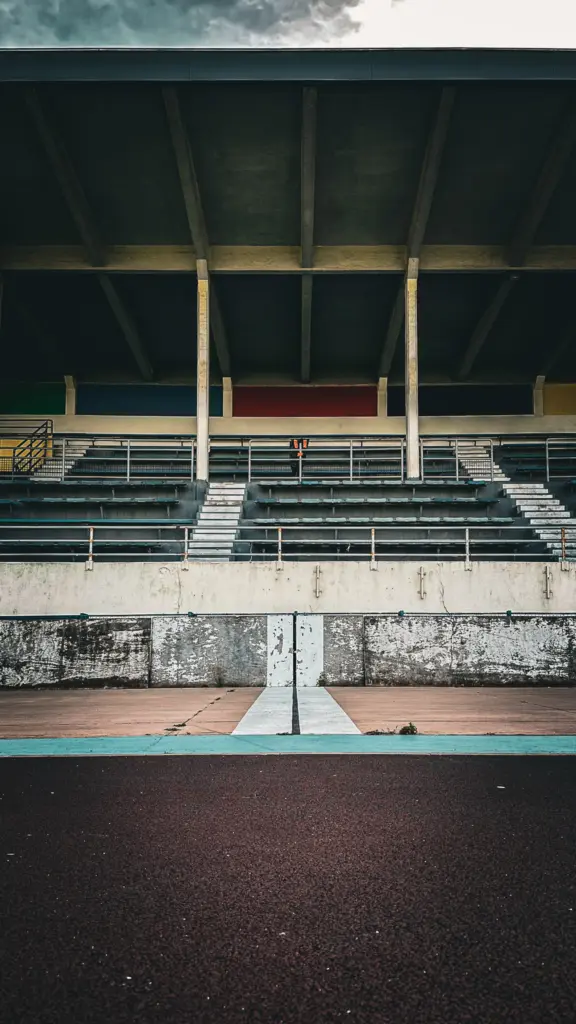
Once inside, we get a close-up look at the state of repair of the famous cycling track. Let’s put it this way: it’s in a terrible state. Now we can see with our own eyes how bumpy it is. We see the dilapidated stands. UEFA will never grant permission for a European match here. Most of us already know enough. What remains is the feeling that we are somewhere in a special place. Here Mathieu van der Poel finished with his head on his helmet and Lizzy Deignan won a majestic victory in the first women’s edition of Roubaix. On this sacred ground so many dreams have been shattered, but also lives have been changed for the better. Mathew Hayman will never forget this place, just as Sonny Colbrelli did. One of the many ‘one hit wonders’.
Happy guys
The famous showers remain closed for us. When we are asked to leave after 10 minutes (the French are strict: 10 minutes is 10 minutes), we stand a little confused, looking around. Richard and I look at each other and actually say at the same time: ‘Oh, we’ve seen that!’ It was more than worth the subway, bus and walking trip. As little boys with a big toy box, we head back to the city center as quickly as possible to catch the subway back to Lille. Although the cycling track might be worth visiting, Roubaix itself remains a ‘forgetable’ place.
What you want to know about the Velodrome in Roubaix
- The cycling track is usually open until two o’clock in the afternoon. So please keep an eye on the playing schedule for the women’s team from Roubaix, as the opening times will differ then.
- The adjacent cafe of the Velo Club de Roubaix The club sometimes holds events such as Piste training sessions and BMX. They also have a number of touring events. The adjacent indoor cycling track is a better option for a workout, but the love for the Velodrome Petrieux will probably prevail. The opening hours are unclear. But if they are open, you’ll see the list of winners and more paraphernalia.
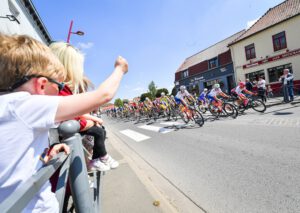
- The Paris-Roubaix race is traditionally held in the second weekend of April, one week after the Tour de France. Tour of Flanders. The ladies cycle on Saturday, the men on Sunday. A fun weekend getaway, where a spot along one of the bike paths is a must.
- The cyclo or touring version of Paris-Roubaix, The Paris-Roubaix Challenge It is usually run on Saturday in the weekend after. In 2024 that is on April 13, 2024.
Questions & tips
Do you have any questions about this route, or have you been there yourself? Share them here. We read everything and usually respond within a few days.