Part of France
Cycling in the French Alps
The French Alps: The Mecca for cyclists
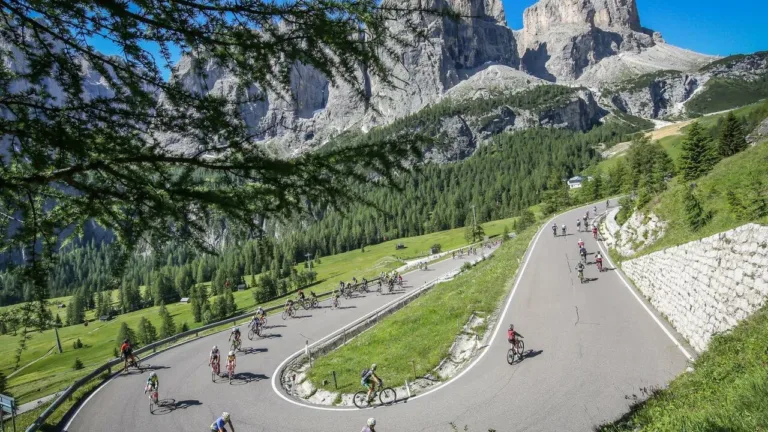
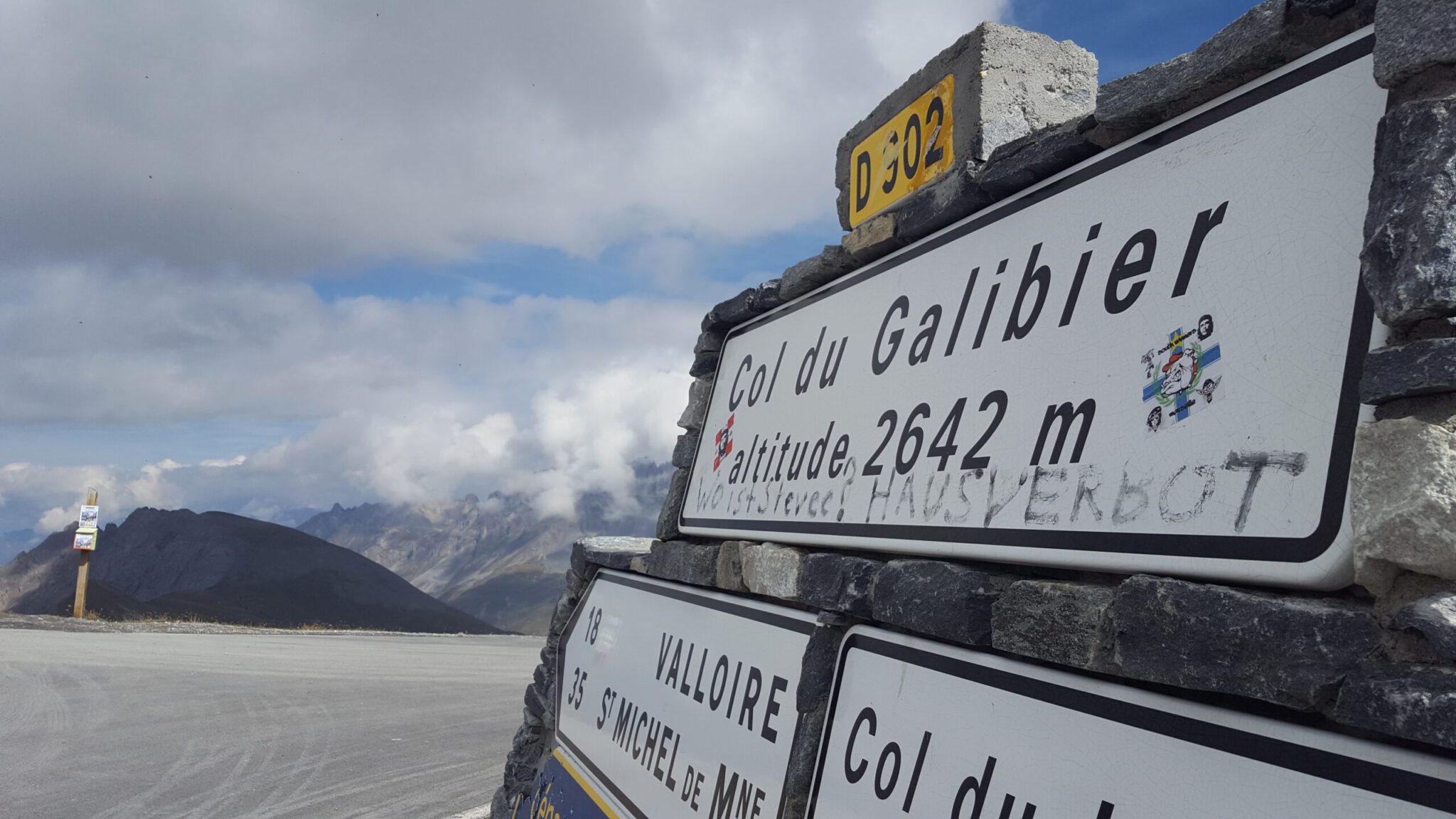
The impressive French Alps form one of the most legendary cycling regions in Europe. This imposing mountain range stretches for hundreds of kilometers in eastern France, from Lake Geneva in the north to the Mediterranean Sea in the south. The Alps are home to countless iconic climbs that are inextricably linked to the Tour de France. Think of the mythical Col du Galibier, the heavy-duty Col de la Madeleine or the famous hairpin bends of Alpe d’Huez.
Year after year, we see the best riders in the world competing against gravity here. For many cyclists, these climbs are a must-do to ever ride them. But the French Alps have much more to offer than just steep climbs. Authentic mountain villages, spectacular views, and an unparalleled variety of routes make this region perfect for a cycling adventure. You don’t need to be a seasoned climber to ride here. There are ample options for different levels, from rolling valley routes to challenging mountain passes and even beautiful gravel trails through the valleys.
How are the French Alps different from the Pyrenees?
The French Alps differ from the Pyrenees in their geological composition and the way in which the climbs are conducted. While the Pyrenees are more rugged and rugged with short, steep slopes and rocky landscapes, the Alps are flatter and more accessible for cyclists who want to find a steady rhythm in their ascent.
The highest peaks of the Alps, such as Mont Blanc (4,809 m), reach significantly higher altitudes than the Pyrenees. However, this does not mean that cycling here is always more strenuous. Many Alpine climbs have a more gradual gradient, allowing you to climb at a steady cadence for longer periods of time. This makes it easier to distribute your strength than in the Pyrenees, where the gradient rates can often be irregular and abrupt.
Whether you choose a classic like the Col d’Izoard, a long climb like the Col de la Bonette, or a challenging combination of multiple cols in one ride, the French Alps offer endless possibilities for cyclists looking for an unforgettable cycling experience.
What is the best destination for cycling in the French Alps?
The French Alps are vast and diverse, making it possible for every cyclist to find a suitable destination. The choice of region depends on what you are looking for: do you want to climb iconic cols, ride challenging long ascents, or prefer to explore more peaceful routes with stunning views?
The northern French Alps, around areas like Annecy and Mont Blanc, are known for their green, mountainous landscapes and relatively cool summers. Here you’ll find climbs like the Col des Aravis and the Col de la Colombière, which are less crowded than the more southern Alpine cols.
Further south, in areas such as the Maurienne Valley, Briançon and the area around Alpe d’Huez, the most famous climbs of the Tour de France are located. Here, legendary cols such as the Col du Galibier, the Col de la Madeleine and the Col d’Izoard can be found. The roads in this region are excellently maintained, and there are plenty of facilities for cyclists, such as bike rental, guided tours and cycling-friendly accommodations.
For those seeking a less well-known but adventurous experience, the Southern Alps, around the Col de la Bonette and the Mercantour nature reserve, are an excellent choice. This area is drier and sunnier, with fewer busy roads and spectacular climbs.
Choose the Northern Alps if you love green valleys and a slightly milder summer, and go to the Southern Alps if you want to be assured of sunshine and fewer touristy climbs. For the ultimate cycling experience, the classic cols in the central Alps around Alpe d’Huez, Briançon, and the Maurienne Valley are a must.
Popular cycling destinations in the French Alps
Cycling in the Northern Alps: The Best Starting Points for Cyclists
Vallee de l’Arve
The Vallée de l’Arve is located in the Auvergne-Rhône-Alpes region and offers a peaceful alternative to the busier cycling areas around Annecy and Bourg-Saint-Maurice. This valley provides an excellent base for cyclists who want to combine iconic climbs with a more authentic, relaxed atmosphere. From this region, you can climb challenging cols without the extreme crowds of the more touristy areas.
- Col de la Colombière
- Col de Joux Plane
- Col de la Ramaz
Bauges Massif & Annecy
An hour’s drive west of the Vallée de l’Arve lies the picturesque Massif des Bauges, with Annecy as its main town. This area offers a mix of challenging climbs and rolling routes around the beautiful Lac d’Annecy. It is a popular region, but thanks to the many roads and climbs, you can always find a quiet route here.
- Col des Aravis
- Semnoz
- Col de la Forclaz
Bourg-Saint-Maurice
For those looking to stay in the heart of the high mountains of the Northern Alps, Bourg-Saint-Maurice is an excellent choice. This town is located at the foot of several legendary climbs and offers numerous facilities for cyclists, such as bike rentals and specialized bike hotels.
- Col de l’Iseran (the highest paved pass in the Alps)
- Cormet de Roselend
- Petit Saint-Bernard
Whether you choose the peaceful Vallée de l’Arve, the lively Annecy, or the high-alpine Bourg-Saint-Maurice, the Northern Alps offer an ideal destination for every type of cyclist.
Read more about Bourg Saint Maurice here
Cycling in the Central Alps: The Heart of the Tour de France
In the heart of the French Alps, around Briançon, the Maurienne Valley and Alpe d’Huez, are some of the most legendary climbs of the Tour de France. This area is a paradise for cyclists, with long, challenging climbs, excellently maintained roads and a rich cycling history.
Here you’ll find iconic cols such as the Col du Galibier, one of the most notorious climbs in the Alps, the picturesque Col d’Izoard with its impressive Casse Déserte, and the steep hairpin bends of Alpe d’Huez, where many professional cyclists have left their mark. The Col de la Madeleine and the Col du Télégraphe complete this region for anyone seeking a true Alpine experience.
This region is perfectly equipped for cyclists. There are bike-friendly accommodations, bike rentals, repair services, and guided tours available everywhere. Whether you choose to stay in the vibrant Briançon, the centrally located Maurienne Valley, or the cycling capital Alpe d’Huez, you will always have several legendary climbs within easy reach.
Top 5 Climbs in the Central Alps
For those looking for a less well-known but adventurous experience, the Southern Alps, around the Col de la Bonette and the Mercantour nature reserve, are an excellent choice. This area is drier and sunnier than the more northern parts of the Alps, with fewer busy roads and spectacular climbs.
The Southern Alps offer a mix of long, high climbs and quiet mountain roads that run through impressive natural landscapes. The Col de la Bonette, with its highest point at 2,802 meters, is France’s highest paved road and a must for every cyclist. Other cols, such as the Col d’Allos and the Col de la Cayolle, offer less extreme altitudes but are at least as impressive due to their remote location and beautiful asphalt.
In this region, the roads are generally well maintained, but you encounter fewer villages and facilities than in the busier parts of the Alps. This makes it a perfect destination for cyclists who enjoy tranquility, nature, and long, remote climbs.
Top 5 Climbs in the Southern Alps
The Southern Alps are perfect for anyone looking for a peaceful, sun-drenched cycling destination with long climbs and spectacular scenery.
Read more here about cycling from Nice (with the beautiful Turini)
Our mountain bike routes from Vallouise
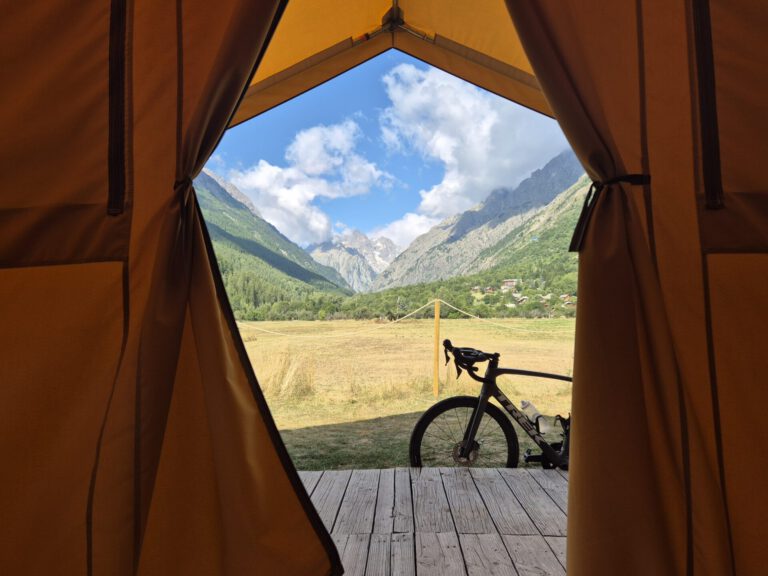
Four routes that we drove ourselves from the Huttopia Vallouise campsite in the Hautes-Alpes: the Col de Vars and the Izoard, the Col Agnel, the Galibier and the Granon, and a tour around three valleys.
Route collection · Race bike
Rides on a race bike from Huttopia Vallouise
- 4routes
- 77–141km per ride
- 3.141max. altitude meters
- 457km in total
- 1
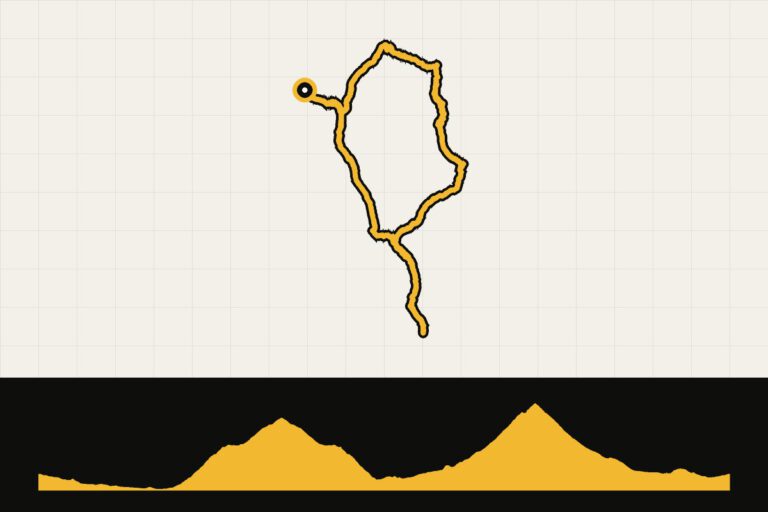 Route 1 · 135.4 km · 3,141 hmVallouise: Col de Vars and Col d’IzoardCol de Vars and Izoard: over 3,100 hm.Map, profile & GPX of route 1 →
- 2
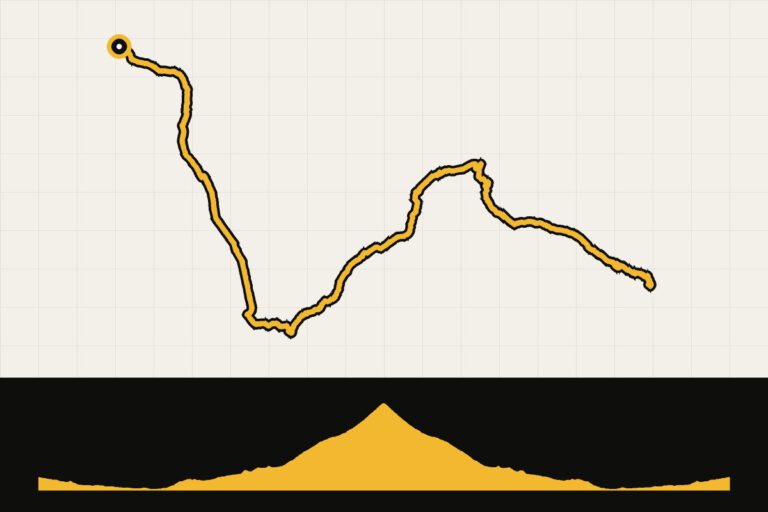 Route 2 · 140.5 km · 2,739 hmVallouise: Col AgnelTo the Col Agnel, at 2,744 m on the Italian border.Map, profile & GPX of route 2 →
- 3
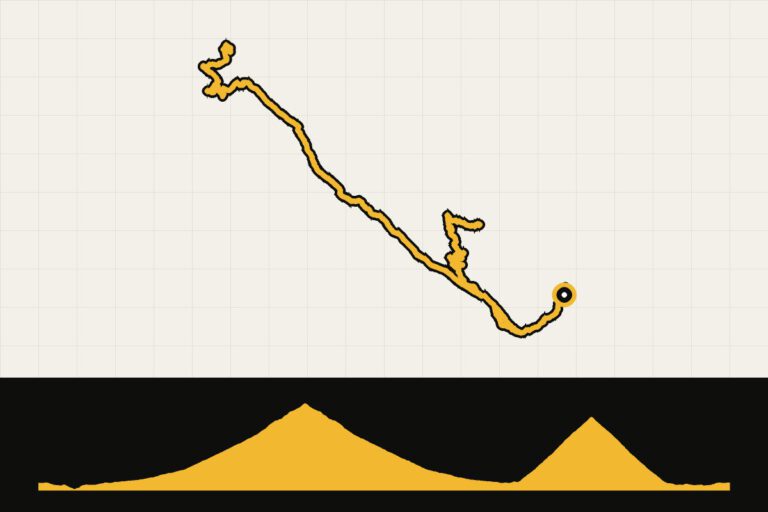 Route 3 · 104.8 km · 2,606 hmVallouise: Galibier and GranonGalibier and Granon: the climbs of the Tour and the Vuelta.Map, profile & GPX of route 3 →
- 4
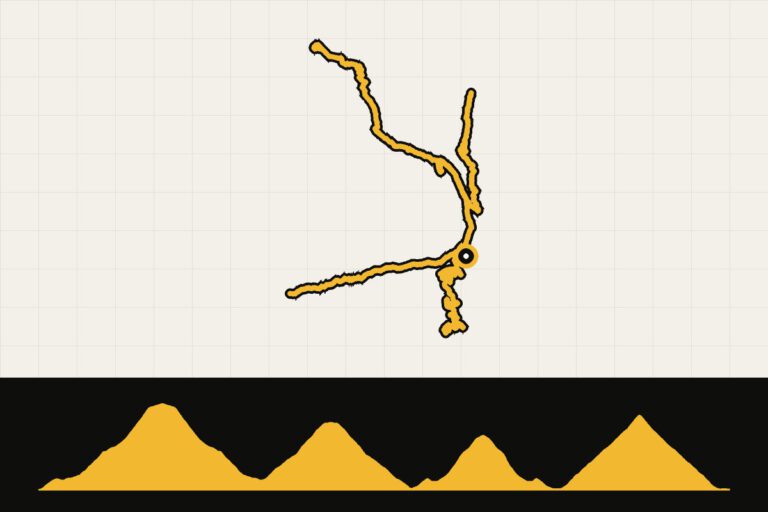 Route 4 · 76.7 km · 2,346 hmVallouise: third round of descentsThree valleys, 2,300 m in 77 km.Map, profile & GPX of route 4 →
La Rosière: mountain biking and big climbs
La Rosière, in the Haute-Tarentaise near the Italian border, is a cycling village in the summer. For race cyclists, the Col du Petit-Saint-Bernard is right from the village (a Tour de France climb), and the Cormet de Roselend and the Col de l’Iseran (2,770 meters, the highest paved pass in Europe) are within reach.
Car-free climbing days
In the Haute-Tarentaise, roads are closed to motorized traffic a few times a year. In 2026, these were the Cormet de Roselend (May 24), L’Iserane with the Col de l’Iseran (June 21), and new: La Bernardette (September 6), a 23.8-kilometer, 1,285-meter-high cross-border climb. Check the dates for the new year with the tourism office.
Mountain bike
- EasyTeppe des Abeilles (green, 6 km, +180 m).
- AverageBlue Velvet (blue, 10.5 km, +560 m) and Blueberry (blue, 11.6 km, +350 m).
- DifficultSan Bernardo (red, 11.7 km, +240 m) towards the Petit-Saint-Bernard, and Hannibal (black, 11.6 km, +710 m), steep and technical.
- To Italy: a marked hiking route to La Thuile, 43 km round trip with 1,154 meters of elevation gain. Return can also be done by shuttle.
- Bikepark: with the chairlifts Les Eucherts and Roches Noires to the top, then descents up to 1,200 meters in altitude (downhill, enduro and e-bike).
Helmet is mandatory. Mountain bikes and e-mountain bikes can be rented at several locations in the village. At the end of June/beginning of July, there is the La Rosière Bike Week with guided tours for all levels.
Source: La Rosière Tourism, press release “Two wheels and endless views: summer in La Rosière” (June 2026).
Climber map: the most important climbs
On this map you can see the most important ascents in the area. Choose a starting point to see only those climbs. Click on a point for the altitude and the climb numbers. For the yellow points we have a route with GPX.
Long-distance routes and award-winning cycling regions
- Route des Grandes Alpes (720 km, Thonon-les-Bains – Nice): the great cols from north to south.
- P’tites Routes du Soleil (915 km, Thonon-les-Bains – Nice): the quieter variant.
- La Belle Via (280 km, Seyssel/Aix-les-Bains – Valence).
- La Durance by bike (170 km, Monêtier-les-Bains – Sisteron).
Morzine – Les Gets and Maurienne Galibier were awarded the title of Destination France à Vélo in 2026.
More stories about French Alps
- Downhill around Bourg Saint Maurice
- Cycling around Bourg Saint Maurice – Cormet de Roselend – Rosier – Petit Saint Bernard
- Climbing Alpe d’Huez a day before the pro race: riding the dream
- 24 legendary climbs from the Tour de France
- Courchevel – the MTB hotspot in France?
- BIKING IN MÉRIBEL – COL DE LA LOZE
- Cycling around Lake Annecy
- Cycling adventure in the French Alps: Hautes-Alpes and Vallée des Belleville
- 5 climbs in the (French and Swiss) Alps that you probably don't know about
Sources
- La Rosière Tourism – press release "Summer in La Rosière", June 2026
- France Vélo Tourisme: cycling routes – long-distance routes
- Destinations France by Bike 2026 – award-winning cycling regions
When are you leaving?
Events in French Alps
Areas
Areas in French Alps

How do you get there?
- Flying: Fly to Geneva · Lyon · Grenoble. Bring your own bike; then book a place for your bike box in time.
- By train: Easy to get to. Convenient stations: Grenoble · Chambéry · Albertville.
- By car: From Utrecht you are in about 10 hours French Alps.
This is how we calculate: We calculate distances and travel times starting from Utrecht. Our flights always depart from Schiphol, Rotterdam The Hague Airport or Eindhoven Airport. Want to know how to travel from your place of residence the best way? Let us know, We are happy to help you. After all, we built this site together.
Are you flying? Read our guide Flying with your bike: Which airline, what the cost is and how to pack your bike.