
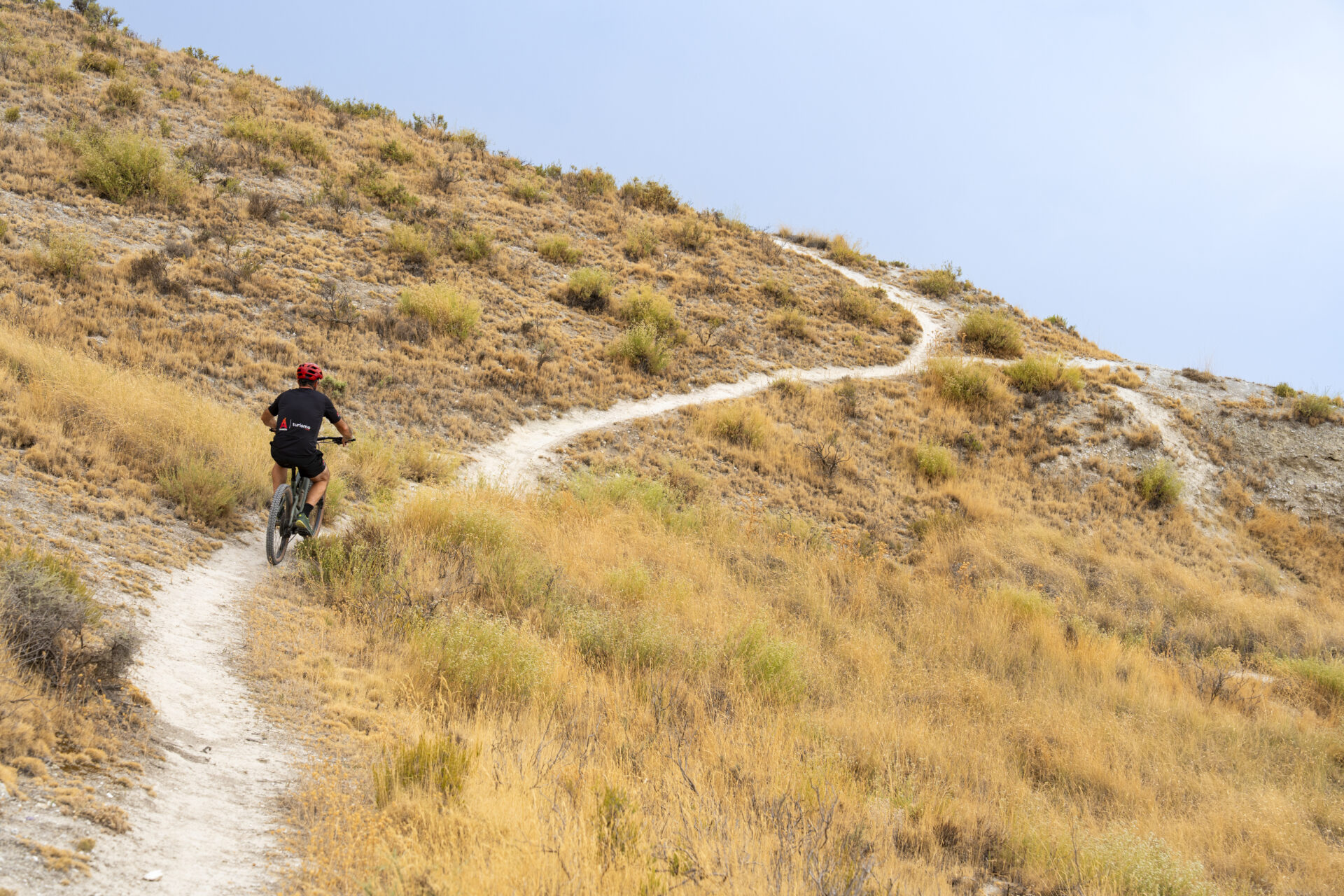

Aragón is a region of contrasts. Within a few hours you can cycle from green mountain landscapes to arid plains and almost desert-like scenery. The autonomous region is almost as large in area as the Netherlands and Belgium combined. In the north, Aragón borders France and includes the central part of the Pyrenees, while its southernmost point is almost at the same altitude as Valencia. That enormous north-south distance creates an impressive variety of landscapes. Cycling in Aragón therefore quickly feels like you have visited several destinations in one. And that is exactly what the adventurous cyclist is often looking for.
Impressive mountain passes and off-road trails in the Aragonese Pyrenees
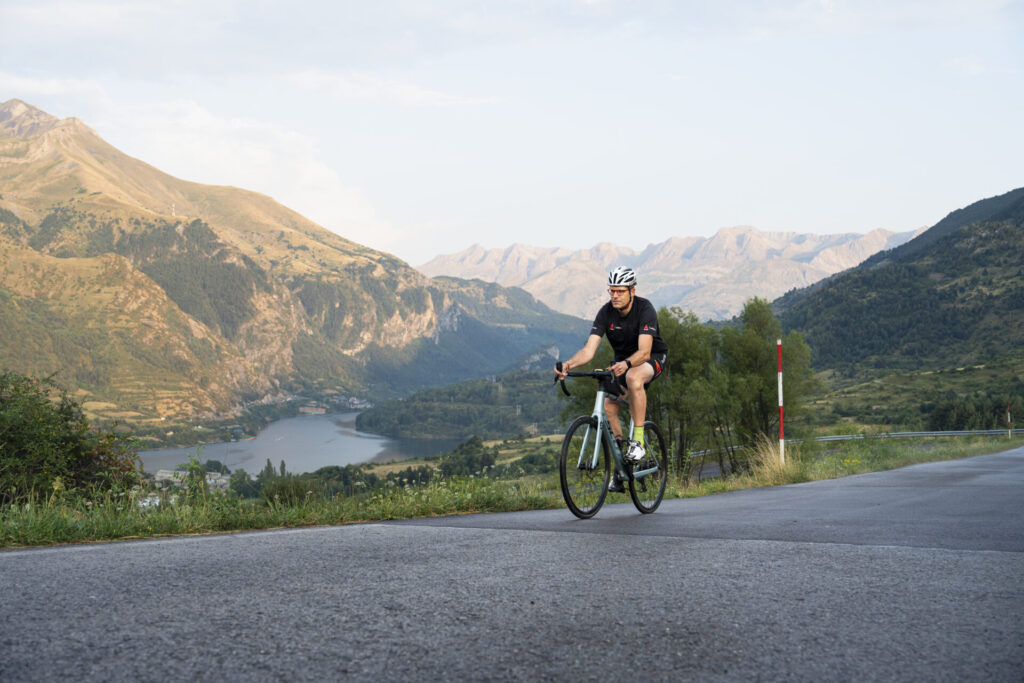
The Aragonese Pyrenees are home to some of Europe’s most beautiful climbs. The area attracts mainly Spanish tourists every year, who come in the summer to seek the coolness of the mountains or to take on one of the many climbs. Although the French side of the Pyrenees is more well-known among cyclists, the Spaniards know that they don’t actually have to cross the border to get to the most beautiful climbs. This means that you encounter mostly Spaniards on this side of the Pyrenees, and fewer tourists from other parts of Europe. There is not much traffic on these mountain passes, and you can still really feel the Spanish culture.
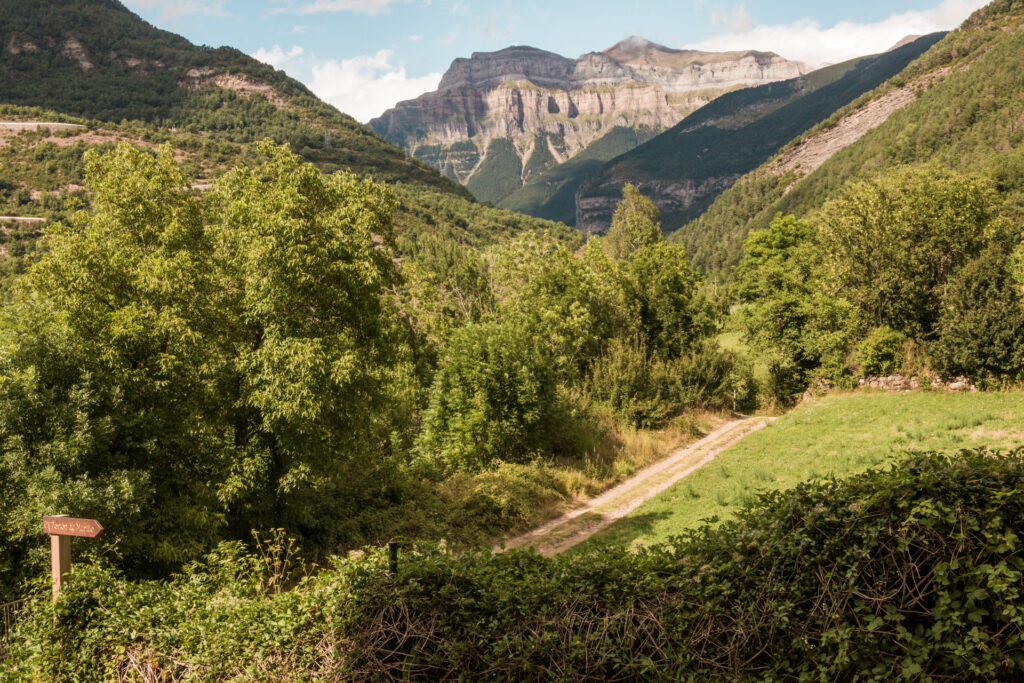
Gran Fondo Quebrantahuesos; 200 kilometers through the Pyrenees
Every year, about 10,000 cyclists come to the town. Sabiñánigo For the most important Spanish Gran Fondo of the year: Quebrantahuesos. Participants cross the border into France via the Puerto de Somport, climb the Marie-Blanque and return via the difficult Col du Pourtalet. The name ‘Quebrantahuesos’ literally means ‘Bone Breaker’ and is also the Spanish name for the chamois, which gets its name from the unique eating habit of dropping large bones from carcasses at high altitude. It is a fitting name for this Gran Fondo, as this grueling route guarantees the ultimate in leg strength.
Of shorter distance – The Treparriscos Medio Fondo – is 85 kilometers long and stays within Aragón. The route includes two beautiful climbs, the Puerto de Cotefablo and the Puerto de Petralba. Interested in a challenge? Then this is a fantastic round to cycle on your own.
Mountain biking and gravel biking in Zona Zero
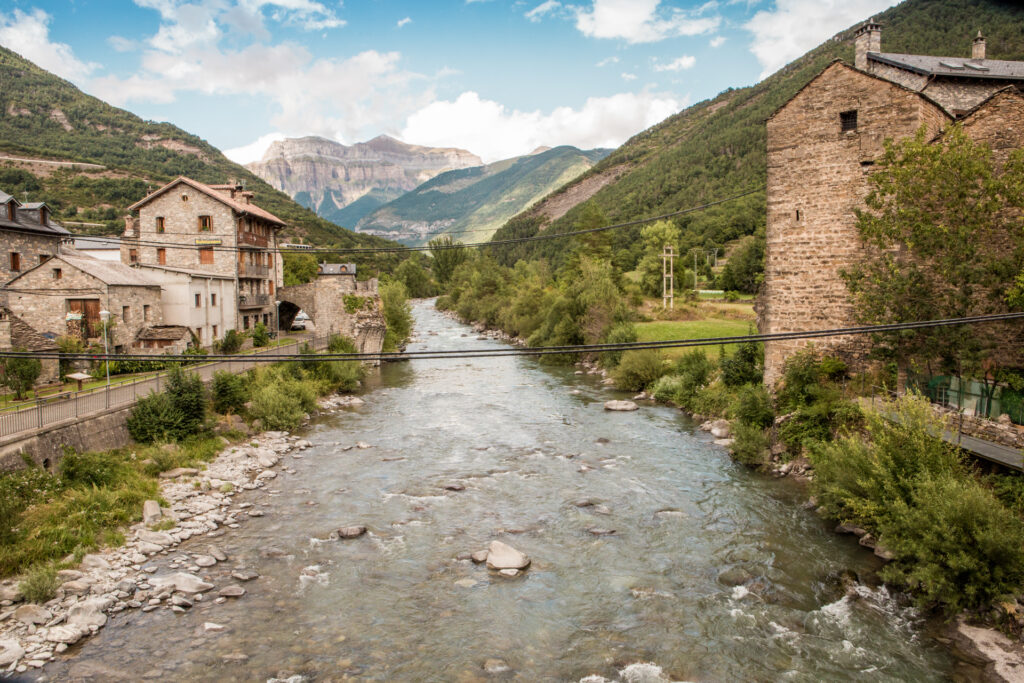
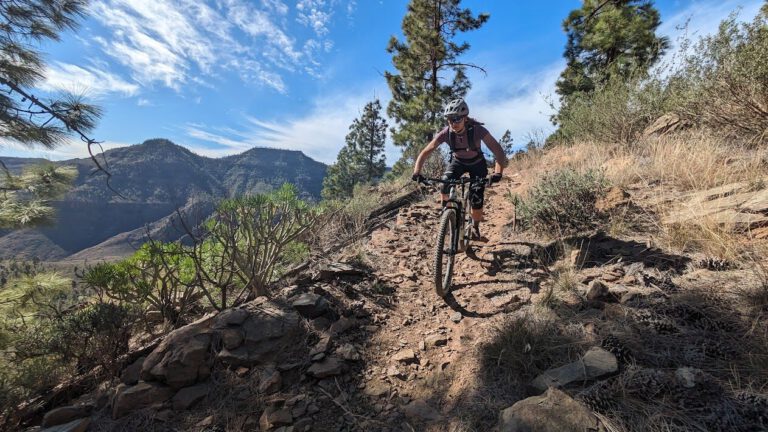
Something south of the highest mountain peaks of the Aragonese Pyrenees is Zona Zero. This cycling paradise is located in the Sobrarbe region, a rugged and sparsely populated area where the mountains give way to rugged hill country. In 2011, a number of mountain bikers and entrepreneurs began creating mountain bike routes over the historic shepherds' paths. Where the region once struggled with emptiness, it now attracts cyclists from all over the world. There are more than 130 routes and over 2,500 kilometers of off-road trails of varying difficulty. The medieval town Aínsa is the central hub of Zona Zero. Here you will find facilities for cyclists, such as bicycle shops, bike rental, and bicycle-friendly accommodations.
Zona Zero is known for mountain biking, but there are also plenty of wide gravel paths in the area that are suitable for gravel bikes. There are also plenty of beautiful gravel routes in the area; you can go a little further northeast, from the village Chía, Driving a beautiful loop over the Puerto de Sahún; 37 kilometers of gravel and breathtaking views.
The middle of Aragón: special rock formations and desert landscape
As we descend towards the south, the landscape changes drastically. The green nature gives way to drier, rocky landscapes. The iconic Mallos de Riglos mark the border where the Pyrenees end and the flat Ebro valley begins. Here begins the Hoya de Huesca; an enormous agricultural area full of fields of grain and vineyards. From the plain, the Mallos de Riglos can be seen rising up in the distance. Gravel riders can make fantastic rides in the area around the Mallos de Riglos. Particularly special are the many vultures that have made this area their home.
As a cyclist, you can climb the climb to Castillo de Loarre, Don’t miss out on the best-preserved Romanesque fortress complex in Europe. The climb offers great views over the Hoya de Huesca valley. With about 4 kilometers, it’s not a long climb, but it’s a tough one.
Heat, dust and the Cierzo; cycling through the Monegros desert
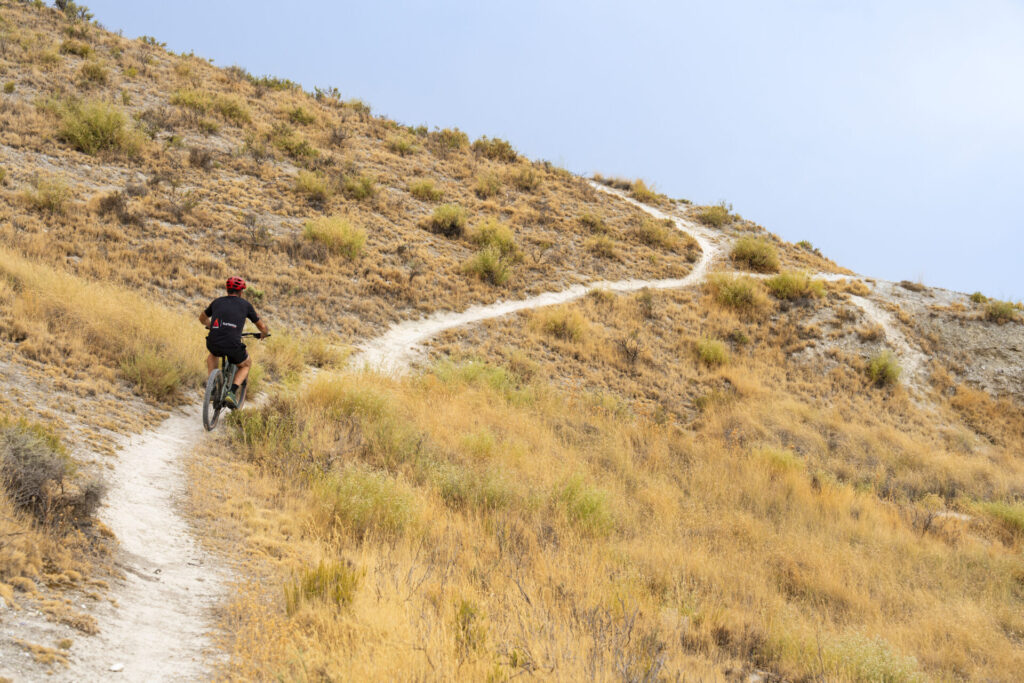
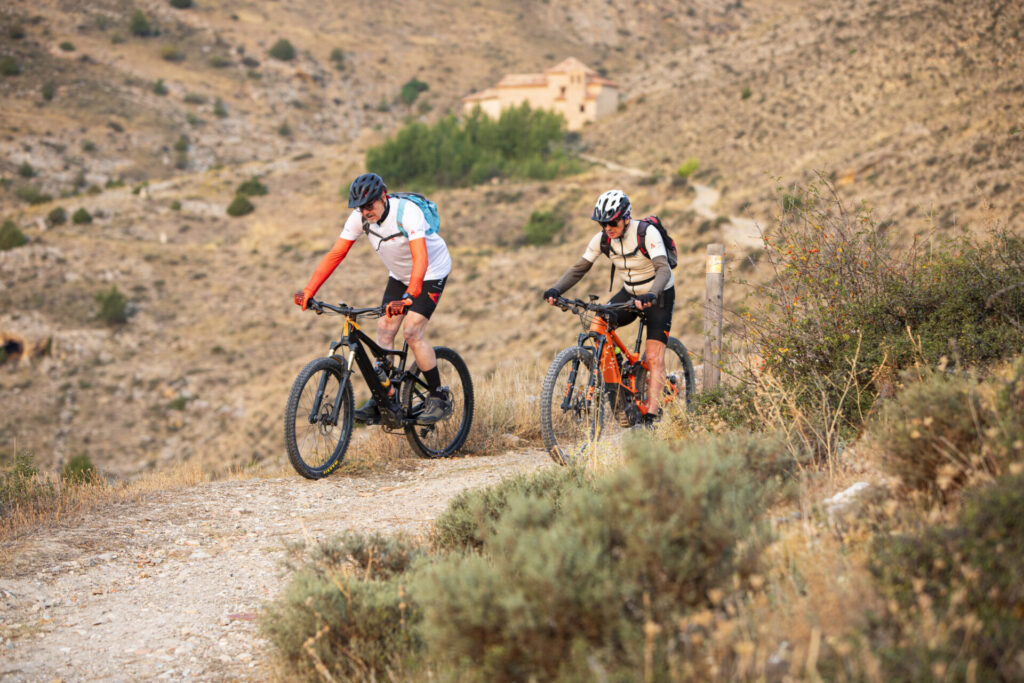
The greatest contrast with the green mountains of the Pyrenees is the Monégasque desert, east of the city of Zaragoza. It used to be green here, but due to centuries of logging and the arid climate, it is today empty and parched. Only cyclists with a strong mentality find their way here over the straight, dusty roads. The area is annually the setting for the legendary Orbea Monegros Bike Marathon; where participants cycle 115 or 85 kilometers through the desert landscape. Although the trails are relatively flat and invite you to ride fast, elements such as heat, dust and hard wind (the Cierzo) make the route a real endurance test. The routes can be ridden on your own initiative throughout the year.
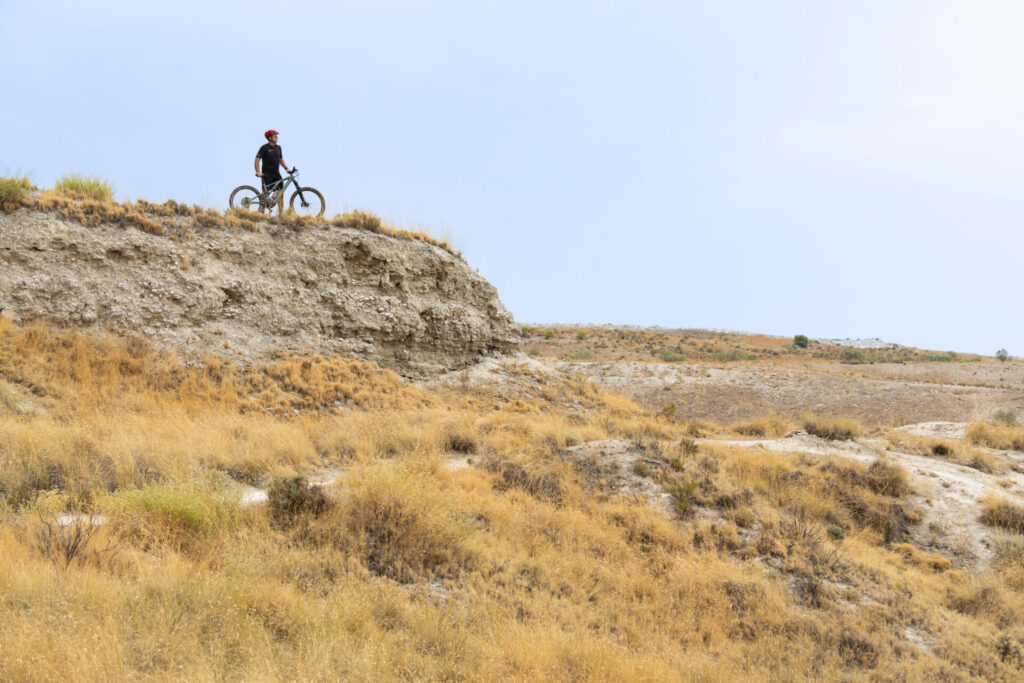
An absolute must-visit during your visit to the Monegros Desert is the Sierra de Jubierre, a rugged area full of deep canyons and special rock formations. You constantly cycle through dry riverbeds and over short, treacherous hills. Every bend brings something new. The Tozales – gigantic rotspurs – are the absolute highlights of the area.
Cycle along the Red Canyon and through ‘Spanish Lapland’ in the province of Teruel
Anyone approaching the province of Teruel from the north will immediately notice that the landscape becomes more rugged. But the biggest surprise may be right next to the provincial capital of Teruel itself. Just a stone's throw from the medieval city lies a landscape that fits so well into a Western film: the Rambla de Barrachina, Also known as the ‘Red Canyon’. Riding around here feels extra special when you consider that Teruel is home to one of the most important paleontological sites in the world. There are many fossils and dinosaur skeletons found in this area, including one of the largest dinosaurs that ever lived in Europe.
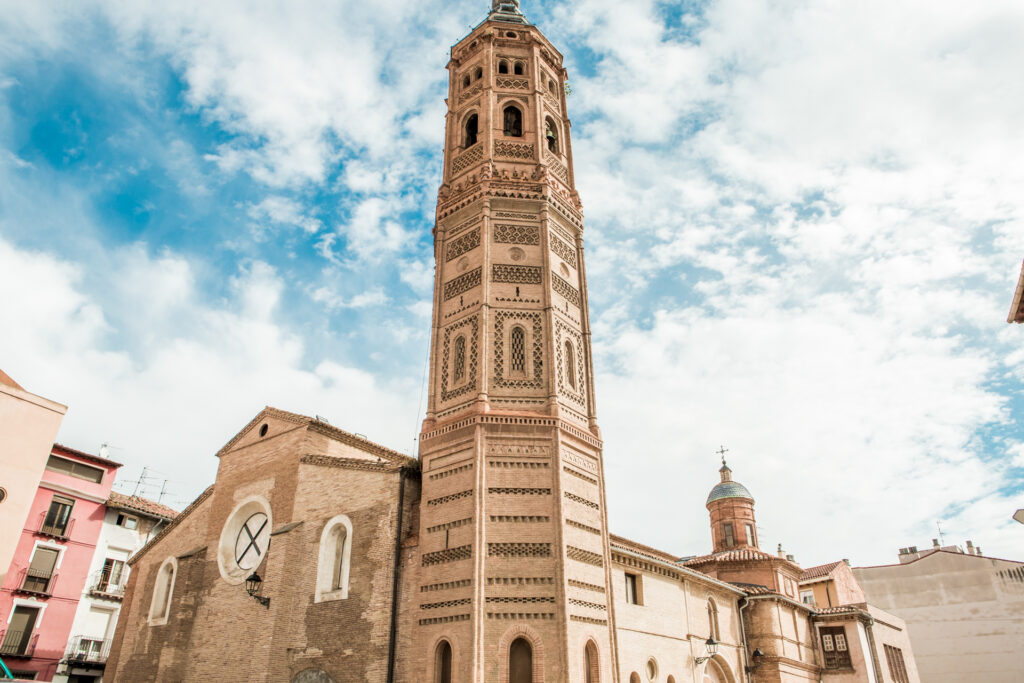
The area around Red Canyon is perfect for a nice gravel ride, but don't forget to also visit the city of Teruel to enjoy the beautifully preserved Mudéjar architecture. You really feel like you’re in an open-air museum in the old city, with the most beautiful buildings. Many buildings, such as the Torre de San Martín, are on the UNESCO World Heritage List.
The Montañas Vacías route; 680 kilometers through ‘Spanish Lapland’
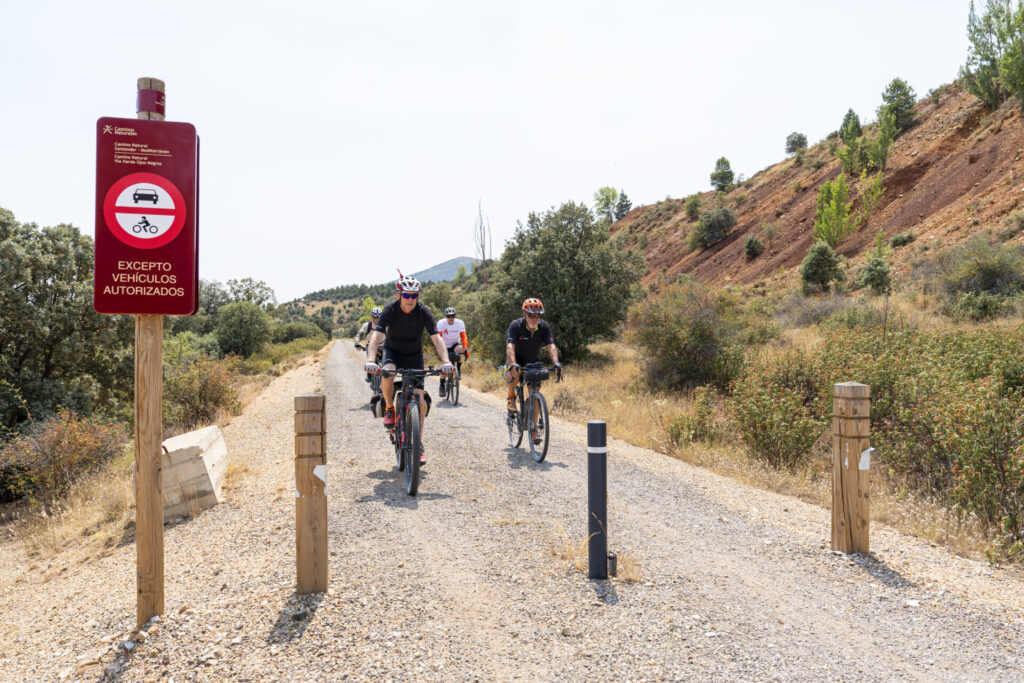
The Montañas Vacías route is a challenging off-road biking route through ‘Spanish Lapland’; which refers to the Celtiberian Serranía, The Camino de Santiago is an extensive and sparsely populated area in Spain, spread across 10 provinces, including Teruel. This area is so sparsely populated that it is comparable in terms of inhabitants to areas in the Scottish Highlands or Lapland. The route is 680 km long and includes more than 12,000 meters of elevation difference. It crosses remote areas such as the Sierra de Gúdar, It is mainly gravel-based and starts and ends in Teruel. There are also shorter versions of the route available, so you can choose routes ranging from 150 to 700 kilometers.
You can also go all sorts of ways on a race bike in Teruel
Should you forget about cycling in Teruel? Absolutely not! You might not expect it, but the asphalt roads here are surprisingly tight and there is little traffic, which means you can also cycle well on the road. For example, you can cycle a loop between Teruel and the Monumental fortified town of Albarracín for a perfect combination of sporty enjoyment and enjoying the history and culture that this area is known for. Should there be some elevation changes in the route? Then bike The Silent Route in the Maestrazgo area; a mountainous region on the border of the regions of Aragón and Valencia. This is a fantastic area for training, with beautiful climbs such as the Puerto de Cuarto Pelado and Villarroya de los Pinares, and the steep San Cristóbal pass.
The best time to cycle in Aragón
The best time to cycle in Aragón is the autumn and winter months. However, this depends on the location you visit; the region is large and the climate is therefore variable. Visit the lower-lying areas, such as the Monegros Desert, in April or May. It is not yet too hot then. Are you going to the Aragonese Pyrenees? Then you can best go in the summer months, because then the mountain passes are snow-free. In the autumn, the province of Teruel is at its most beautiful, when the pine forests are beautifully orange in colour.
Accessibility Aragón
The Aragon region is surprisingly easy to reach. If you fly into Barcelona or Madrid? The comfortable AVE high-speed train takes you to the heart of the region in just an hour and a half, including your bike (if packed). For a trip to the Pyrenees, you can fly to French Lourdes or Toulouse and cross the border with a rental car. Want to immediately immerse yourself in the emptiness of ‘Spanish Lapland’ or the Montañas Vacías in Teruel? Then flying to Valencia is the smartest option; from that airport you’re in Teruel in just two hours by car.
Whether you choose the high peaks in the north, the dusty singletracks in Zona Zero or the red canyons in the south: Aragón shows that you don’t need to travel to the other side of the world for an epic cycling adventure. Because one thing is certain: in Aragón, as a cyclist, you will never be bored.
More information about cycling in Spain can be found on our Cycling in Spain page
This article was created in collaboration with the tourism industry. Traffic offices of Aragon and Turespaña Netherlands


Questions & tips
Do you have any questions about this route, or have you been there yourself? Share them here. We read everything and usually respond within a few days.