
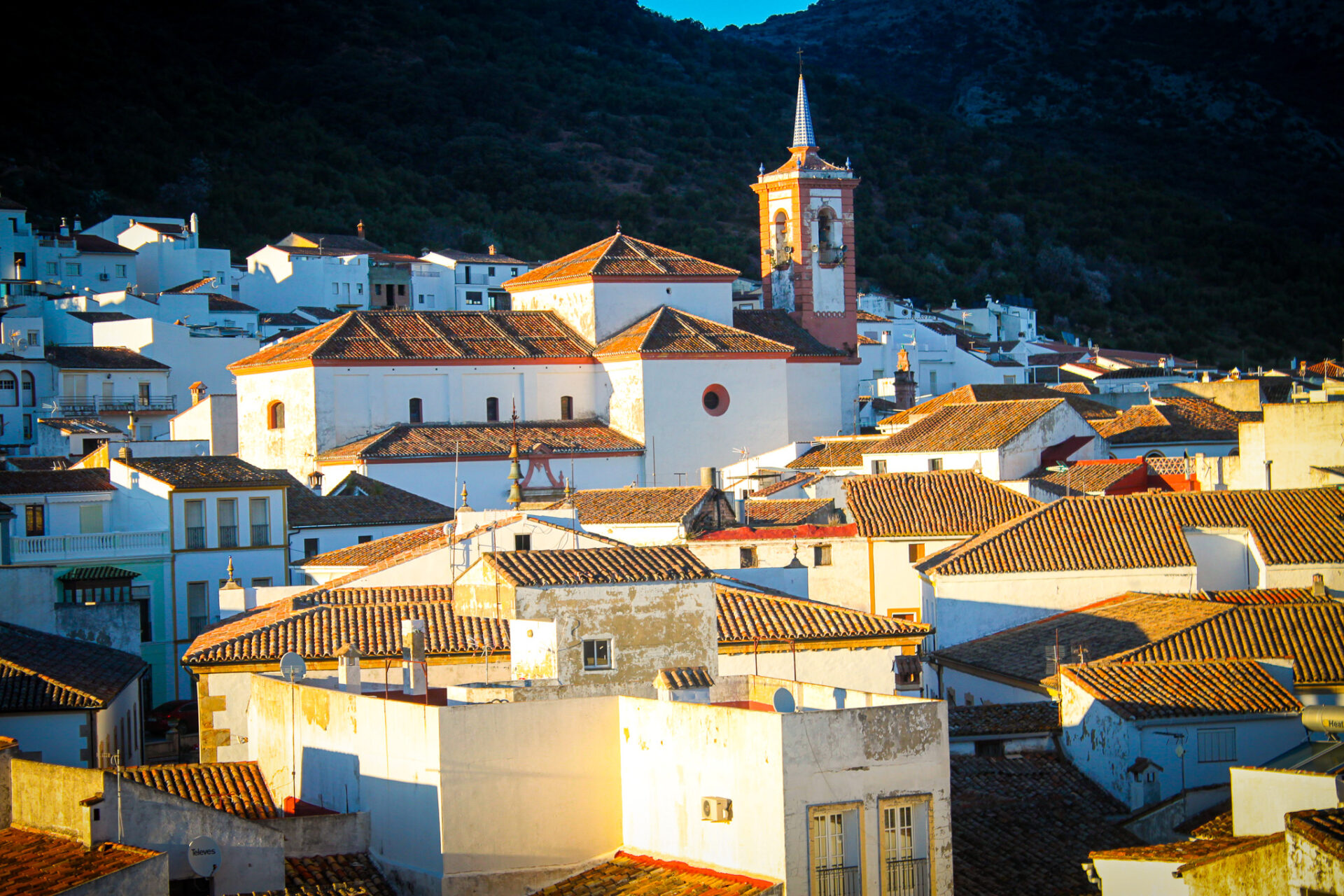
There was even some doubt whether the race bike should be taken to Cortes de la Frontera because, well, this was supposed to be a workation and not a cycling holiday in AndalusiaBut from the moment I crossed over to Sevilla and entered the Andalusian mountain landscape, I knew that cycling was going to take a prominent place in my workweek. Wintering with the Bicycle in Andalusia, That's so delicious.
Text and photos: Jurgen van Teeffelen
‘Madness!’ I scream. The loud tone is not necessary; my wife is sitting next to me in the car. I can’t help it. It’s just my first reaction when I suddenly see two cyclists appear on the side of the A-7. I didn’t see them coming! It’s half past six in the evening and the already busy coastal road between Marbella and Estepona has become even more hectic because of the Spaniards who head home for the last weekend of the year. They do it at the risk of their own lives, at least that’s my judgment. The road winds unpredictably in front of me, the recommended speed constantly varies between 70 and 100 but no one keeps to it, and finally I just have the misfortune that the sun that so beautifully accompanied my trip to the coast today is setting just now and is almost blinding me.
Why?
‘Which crazy person is going to cycle here?’ is also my logical thought when I see the two riders. From my mirror I see that the couple – the strong guy in the lead, the fragile lady behind him – are dressed in the Intermarché Circus Wanty jersey. They look professional. Are they indeed professional riders? The thought that ‘let the rest of the peloton go to the Christmas holidays’ has crossed their minds. Calpe ’Are we going, like all those professional footballers, to another Spanish coast”?
Away from the coast
I keep driving on in a daze. Ten minutes more and I’ll be out of this hustle and bustle. Then I’ll take the turn to the interior. That’s what the Wanty cycling team should do too! To ride comfortably, they have to get away from this coast that’s packed with hotels, shopping malls, and apartment complexes. Further inland, it’s so much quieter and more beautiful. It’s green and hilly. So there are the perfect bike paths.
Towards the land
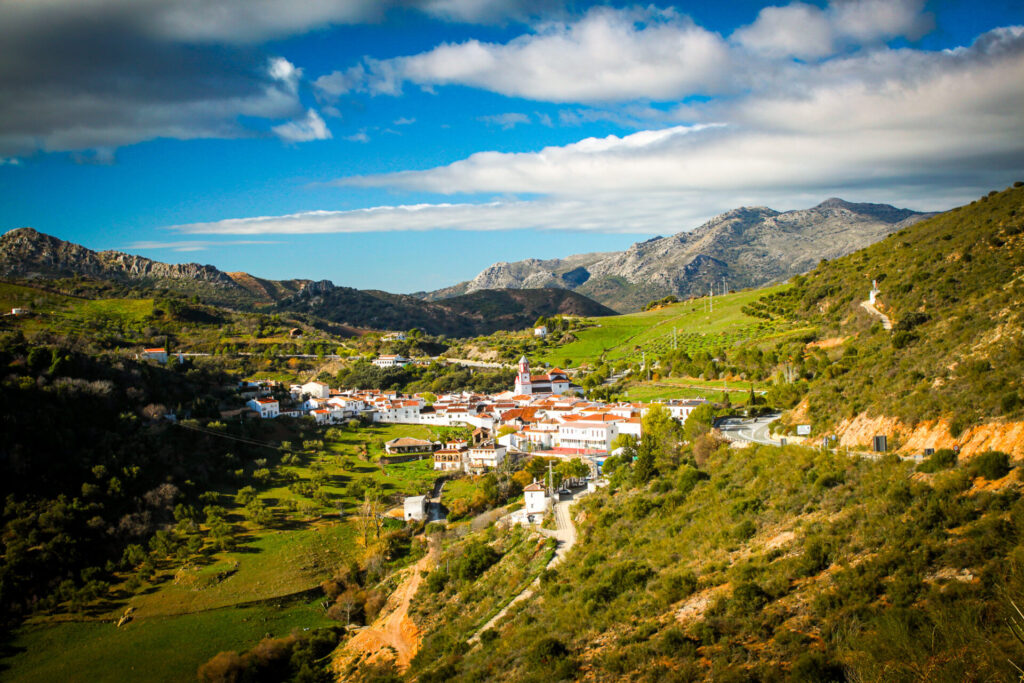
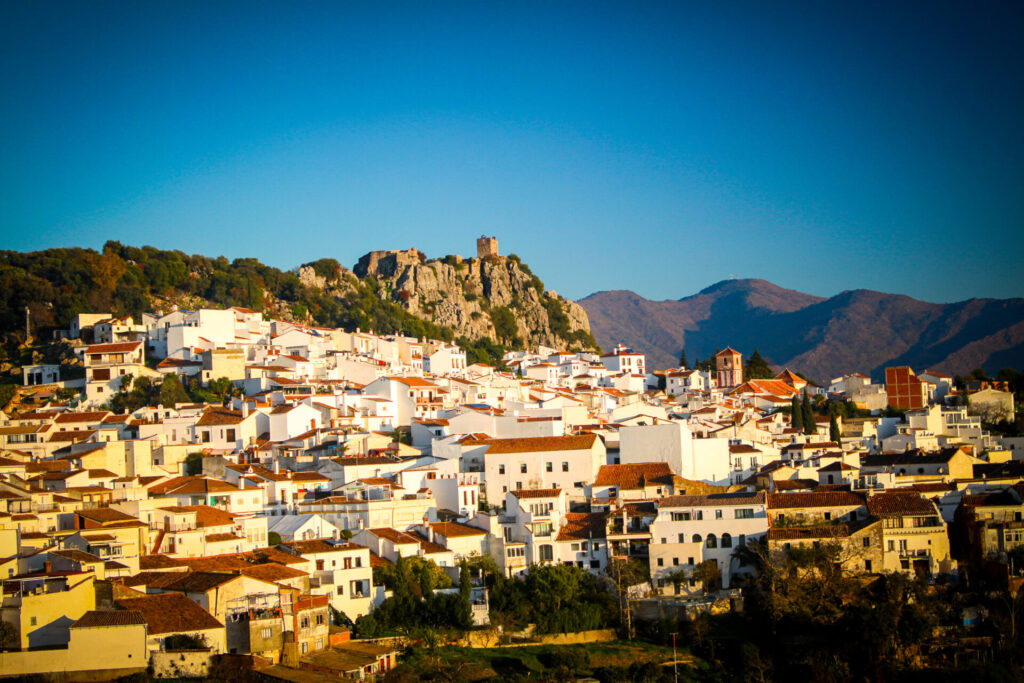
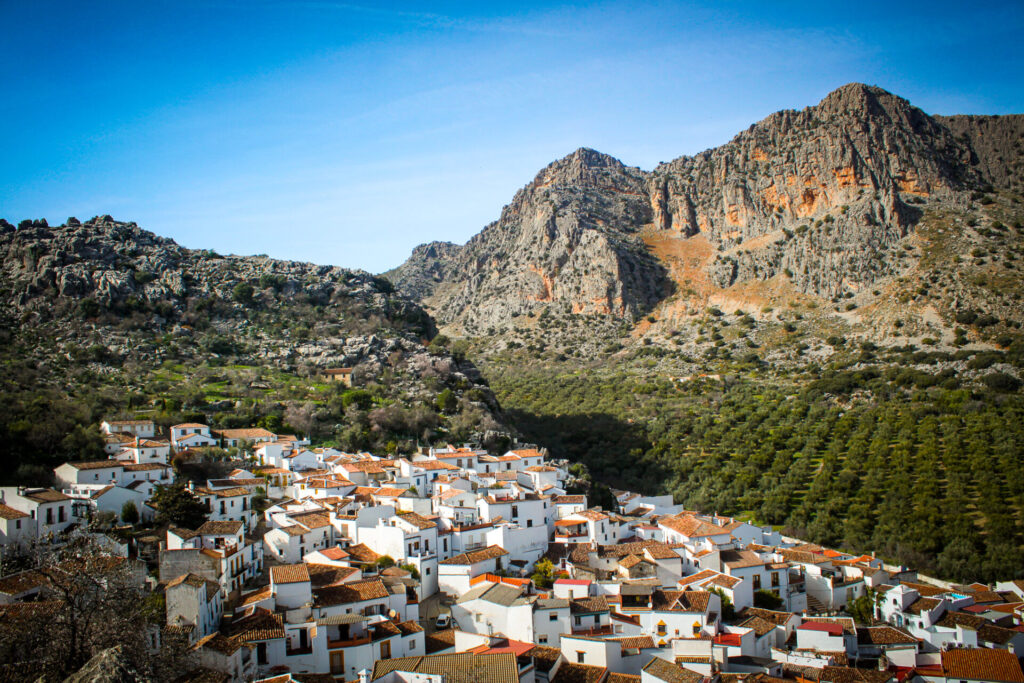
To the north lie the characteristic white villages, the ‘pueblos blancos’. Cortes de la Frontera is one of them. ‘It is a municipality in the Spanish Province of Málaga in the region Andalusia. In 2007, the village had 3738 inhabitants. There was not much more to read on Wikipedia when my wife and I decided to spend the first months of the year exactly here. Two months away from the gray, foggy, wet Netherlands that had been increasingly moody in recent years. We decided to do what Dutch retirees and top athletes had been doing for much longer: wintering in South of Spain.
On to Cortes
And so at the beginning of December we drove to Cortes in three days in the car. With a laptop, a dog, clothes, books, hiking shoes…and yes, of course the racing bike too. Because -as I kept telling my wife- there had to be a quick errand done in the village every now and then, and then a bike with gears would be very handy. And -as I kept telling myself- maybe I could free up some space in my schedule every now and then to do a longer trip...
Nature parks
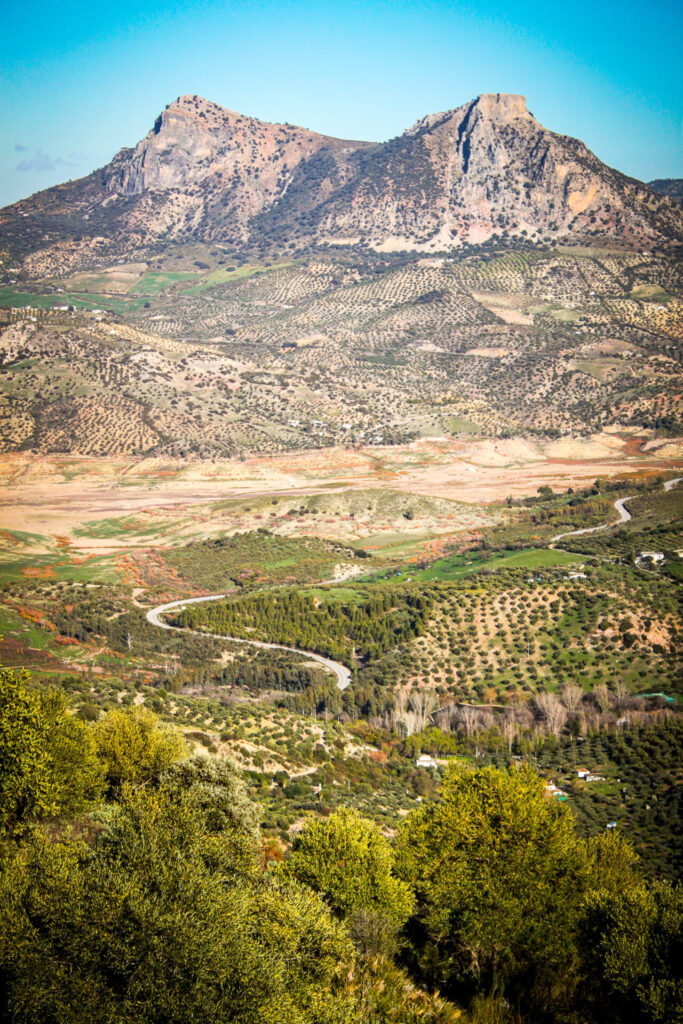
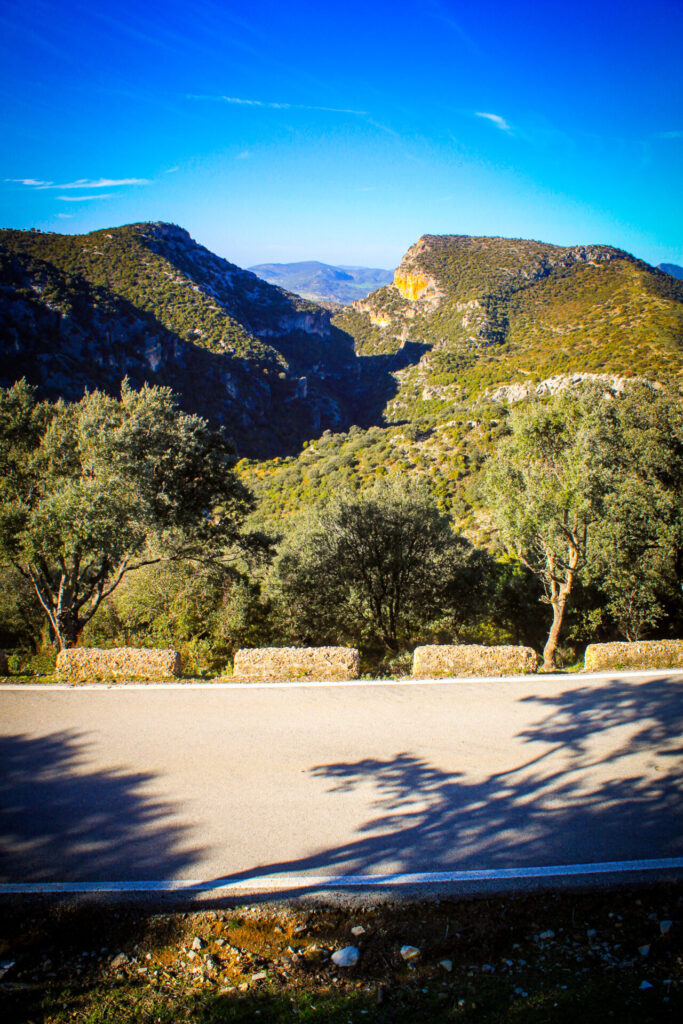
It turned out to be not a crazy idea at all. Because with mainly sunny days and afternoon temperatures around 15 degrees, I soon opted for the Spanish format of my workday. I only swapped the siesta for a bike ride in that case. With such a challenging environment, I really had no choice. Cortes de la Frontera – at an altitude of 600 meters – is located in the vast area of Serranía de Ronda, where it is squeezed in the north by the nature park Sierra de Grazalema and in the south by Go Alcornocales.
Beautiful landscape
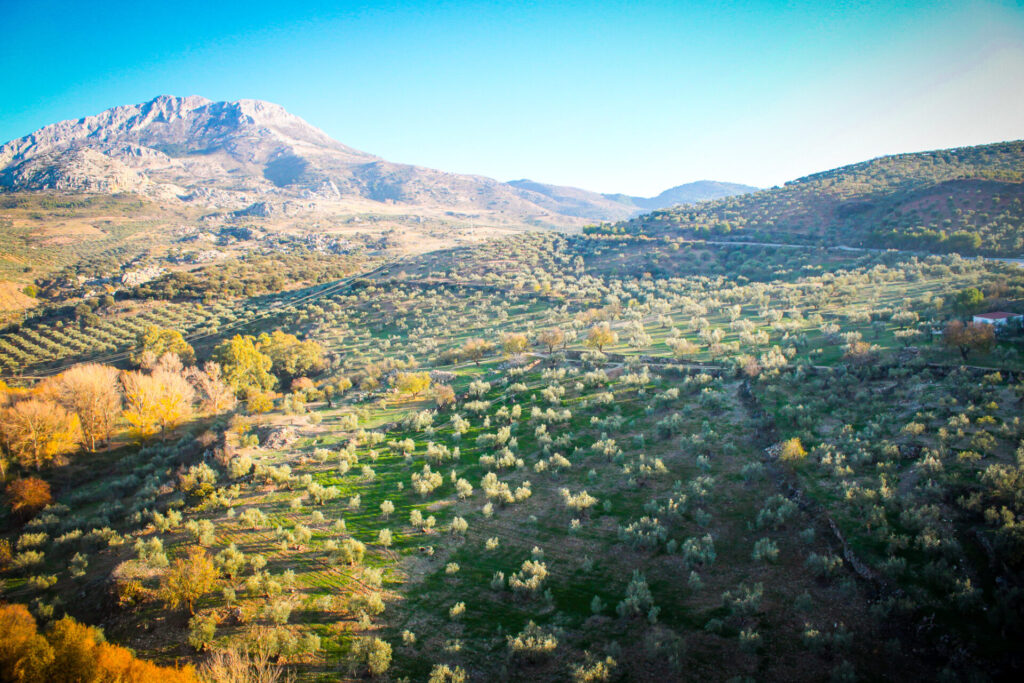
The result: a diverse landscape of mountains, forests and valleys, which provides a mix of powerful views, winding paths, rugged canyons and the aforementioned white villages. Those villages are all within a half hour of each other - and with the necessary elevation meters - which makes making a short round difficult; fortunately, the siesta in this part of Spain usually lasts a few hours.
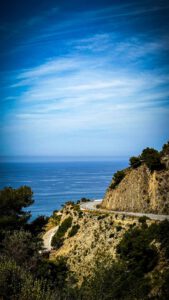
From Cortes I could go in three directions on my bike: north towards Ronda, to the east towards Gaucin and towards the southwest Ubrique. Regardless of which route I took, the flat stretches were everywhere and the scenery never disappointed. The first part I usually went down into the valley, then, climbing all the way, I reached another green valley with a white village or two clinging to the hillsides. The impressive view from here was always worth it.
Farewell tour
In the last week of my stay, I went out for a half-day trip for my ‘farewell tour’.
‘Buenos dias!’ I call out to the group of three cyclists who are cruising around me on the main street of Cortes. I can understand that last part: as I pass them in my short cycling shorts, they are still quite packed. I know better after two months here. While it’s often still quite cold in the morning (around freezing point), the temperature rises quickly as the sun comes out. The forecast for this afternoon is 18 degrees, clear sky. So lovely cycling weather.
Bullfighting
I pass by the intimate Plaza de Toros, Where, to my dismay, I soon after my arrival witnessed ‘live’ that bullfighting is still a living tradition in this region. Just like hunting. Fortunately, I saw no convoy of 4×4 vehicles with carts behind it just now at the Meson Los Monteros (‘the hunters’). The coast therefore seems safe today; earlier I had already witnessed that I had to turn back from my planned route because the road was blocked by a rough Spaniard in green clothes and a hunting rifle in hand.
I drive out of the village along the palm-tree-lined main road that leads north on the provincial MA-8401. On my right I look out over the valley where the Guadiaro river flows into the coast; next to it is the railway line that seems to run from Ronda to Marbella, but where I have never seen a train running. On the left is the karst landscape that characterizes the region: impressive limestone rocks that have formed over the course of history through slow erosion into bizarre shapes. In all shades of gray, perhaps more than fifty.
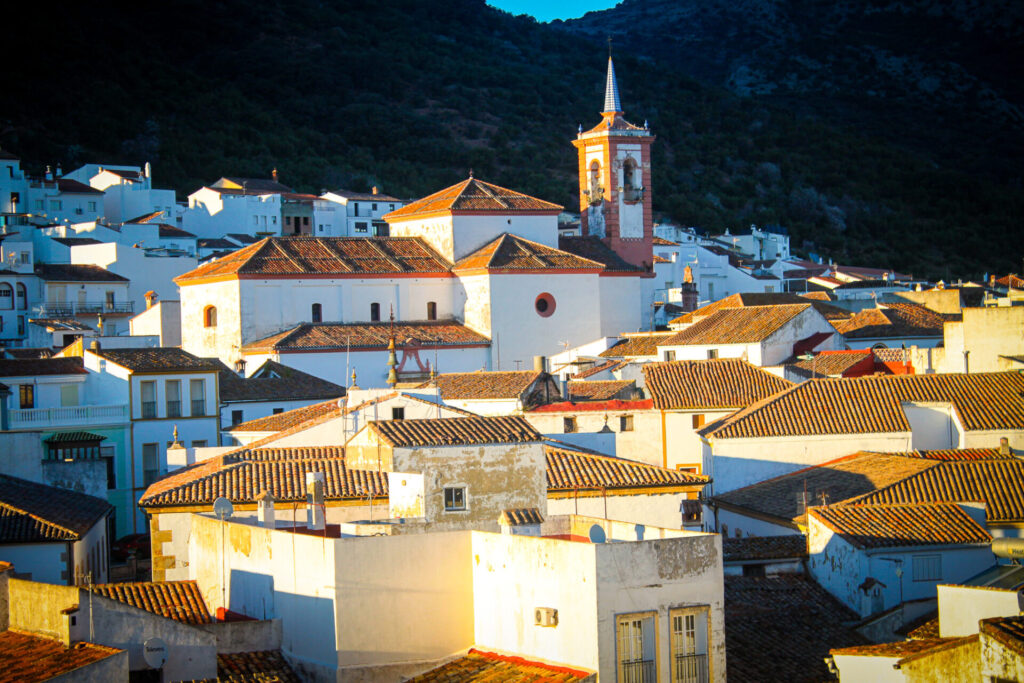
I leave the turnoff to Jimera de Libar for today. This white village, through a climb through a narrow gorge, forms the gateway to a vast valley in which many villages begin with ‘Bena’: Benadalid, Benarrabá, Benalauria. Bena means ‘son’ in Arabic; the villages are named after the sons of the Moorish rulers of the time. Later, I descend to Benaoján and see in the vast, flatter landscape behind it the contours of Ronda, the largest and most touristy city in the region.
On to Montejaque
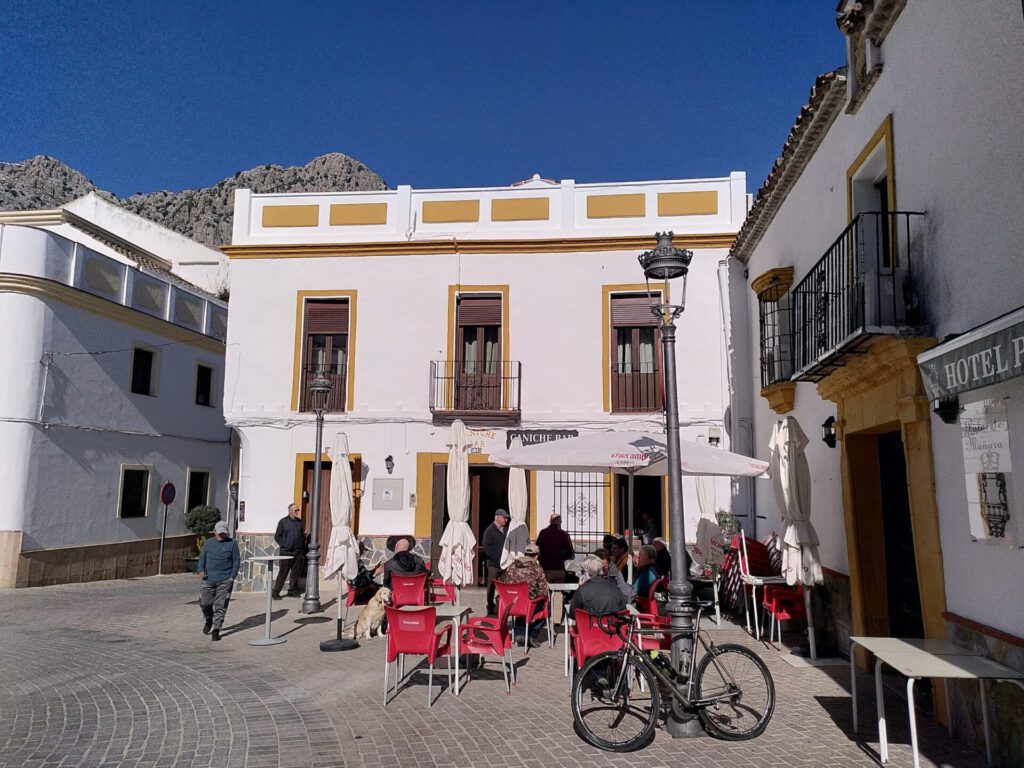
However, I cycle to the picturesque town of Montejaque for a stop at the central village square, the Plaza de la Constitución. As usual, there is the ayuntamiento (town hall) with the flags of the European Union, Spain and Andalusia side by side on the facade, a large church dating back to the 16th century.e The century saw the place take on the appearance of a mosque, a fountain and a bar with a terrace where the sun has free reign.
Coffee stop with cortado
After a cortado, I cycle along the main street past the historic laundry shop, exiting the village. Soon the road winds through a spectacular gorge. You can descend on foot to the beginning of the Hundidero-Gato cave system, a complex of underground passages through limestone that can only be explored by swimming for most of the year. Just beyond, I find myself in a smaller version of Monument Valley thanks to the vast views and the unique rock formations in the landscape. Variety is the key word of this route, I’ve been told.
80 kilometers away – so it’s busy
This is also true when I take the A-374 a little later. It’s a 80 kilometer drive where I’m immediately overtaken by a few cars. However, things won’t get much busier today, because after half a kilometer I turn off to Grazalema. This quiet road gradually rises and fields with groups of babbling goats slowly give way to dense oak forests. Especially cork oak trees do well in the region: from many tree trunks, the cork bark has been removed to half a height. A little later, I see men in orange overalls working to remove and collect the bark. What are they actually doing with it, I wonder while cycling. How creative can you be with cork? I make a promise to myself to at least stop buying bottles of wine that have a screw cap on them.
I pass a triangular sign with a deer on it. 40 km is written underneath. In the next forty kilometers, is there a chance I might see a deer jump over the road? That would be nice! Besides the goats, it is mainly birds of prey that I have observed while cycling. Especially owls that suddenly circle you from a close distance; that’s a good reason not to get too excited about cycling.
Up and down
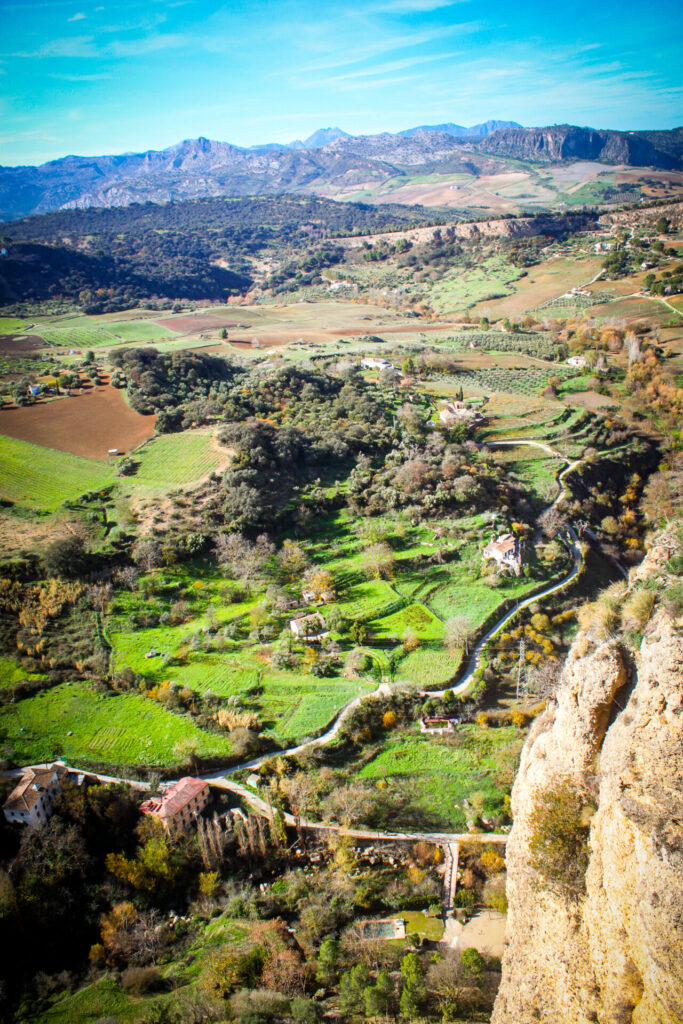
The road keeps going up and down. If I go down a bit, I have to climb up just as many meters of altitude again a kilometer later. Slowly, the forest opens up in front of me and a new landscape decor appears. In the picture: lush green with impressive limestone peaks that belong to the Sierra de Grazalema Nature reserve. I can already see the white houses of the village against the rocks; a nice reference point this way. I look at the sky: it is very blue. It is very unusual. Grazalema It is known as the wettest place in Spain. With more than twice as much rainfall per year as in the Netherlands, you know enough. This year is different: the amount of rain the region has had to deal with this winter is minimal. This worries the residents. That became clear to me when I spoke with the neighbor earlier. She is the hairdresser and baker in Cortes. My enthusiasm for the wonderful spring weather fell on her less well.
Grazalema
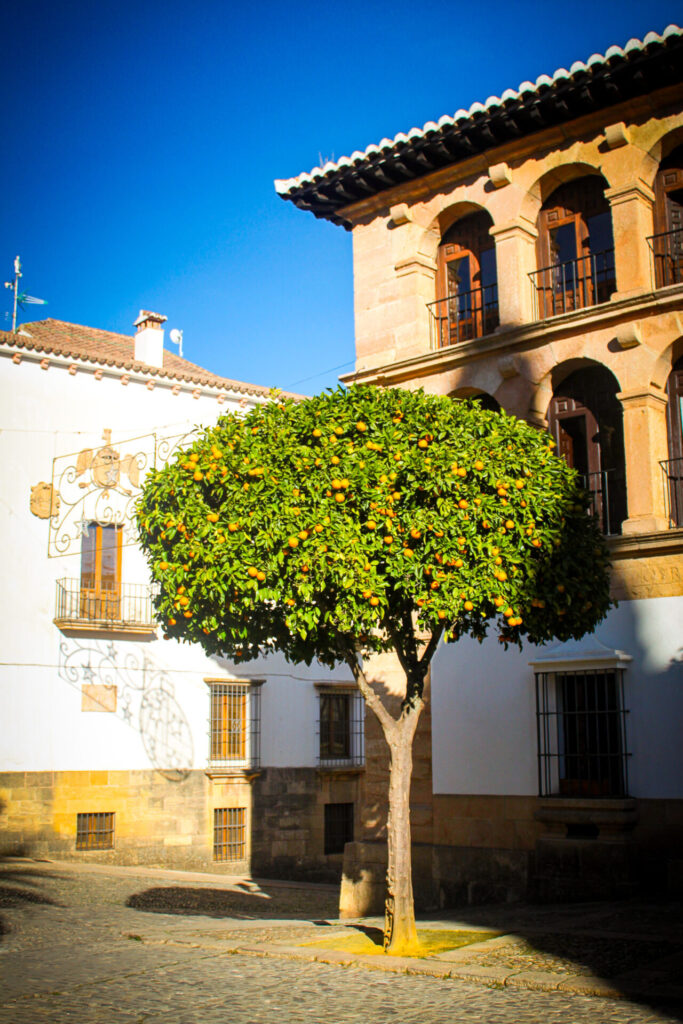
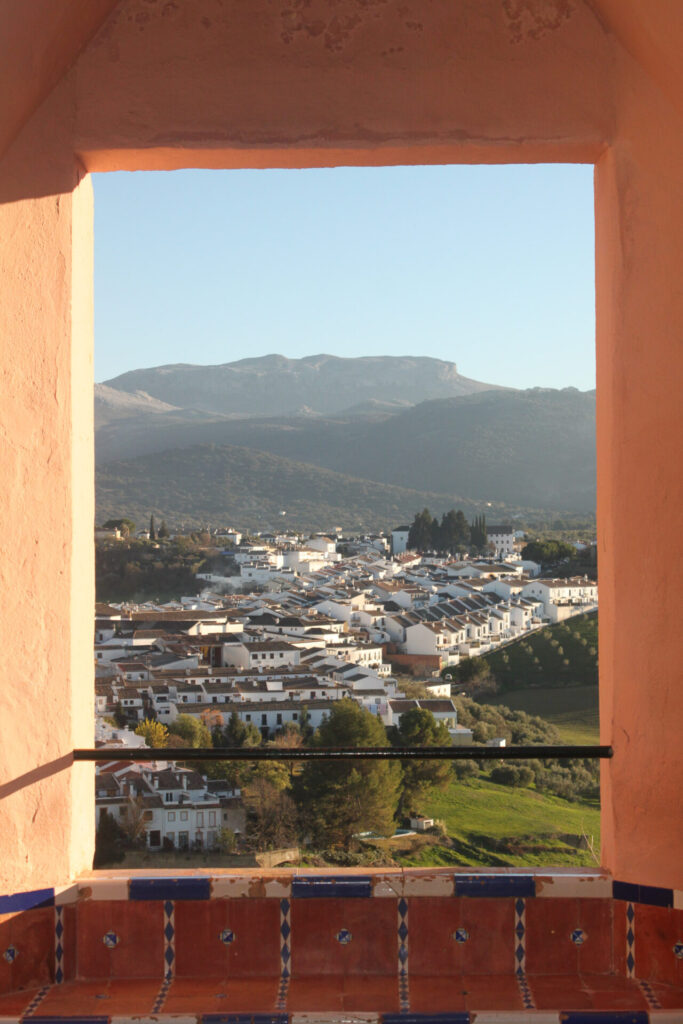
Upon entering Grazalema, I pass a group of campers in a large parking lot along the road. Brown-haired people on camping chairs wave at me. I take a quick look at the license plates: France, Germany, Belgium. No fellow countrymen, it seems. Grazalema is one of the most beautiful villages in Spain, I read on a sign. That explains the presence of the campers and tourists on Plaza de España further down. It certainly is beautiful. The 18e The centuries-old Our Lady of the Aurora church is very beautiful. The narrow streets, the flowerpots with colorful contents on the facades of the white houses. Add to that the cobblestones under my tires and finally the view of the stately peaks that surround the village.
Just past 1000 meters in altitude
Between Grazalema and Villaluenga del Rosario the road slopes slightly down. Further on is the highest point of the route today, just below 1000 meters. The yellow and purple flowers in the green grass, the small farms, the countless grazing goats. I feel like I’m in a Swiss chocolate advertisement. I am passed by a pick-up truck. In the cargo box I count five sheep. I do know where they are being delivered: Villaluenga is the village of the Payayo cheese that is made from goat and sheep milk. The cheese is also on the menu of the local restaurant ‘Los Caños’, where I later sit on the terrace for lunch. However, I choose the ‘estofado de jabali’, a stew of wild boar with fries. After two months I realize that the food in this region is not very sophisticated but certainly tasty. On the other tables the wine bottle is being poured out enthusiastically; I keep it to a coladito.
Well!
The descent to Benaocaz and Ubrique – at 350 meters above sea level, the lowest point of the route – is pleasantly clear. No excessive exciting hairpin bends, no oncoming trucks cutting you off, no unexpected stones or holes in the road; just lovely rolling hills! In Ubrique I actually end up in the afternoon rush hour traffic. It takes a while to get used to cycling in a city with over 15,000 inhabitants after hours in a rural area. According to the internet, Louis Vuitton and Gucci (or their successors) also seem to stay in Ubrique regularly because of the leather tanneries that are said to be located there. I have no idea if they also take up cycling, but they will have to get to grips with it: after the village a six-kilometer climb with over 400 meters of elevation awaits. It’s not a punishment. As I slowly watch the one vast valley disappear behind me, I soon cycle into the next one. One nature park (Sierra de Grazalema) is replaced by another (Los Alcornocales), the province of Cádiz by the province of Málaga.
Unsuspecting bulls
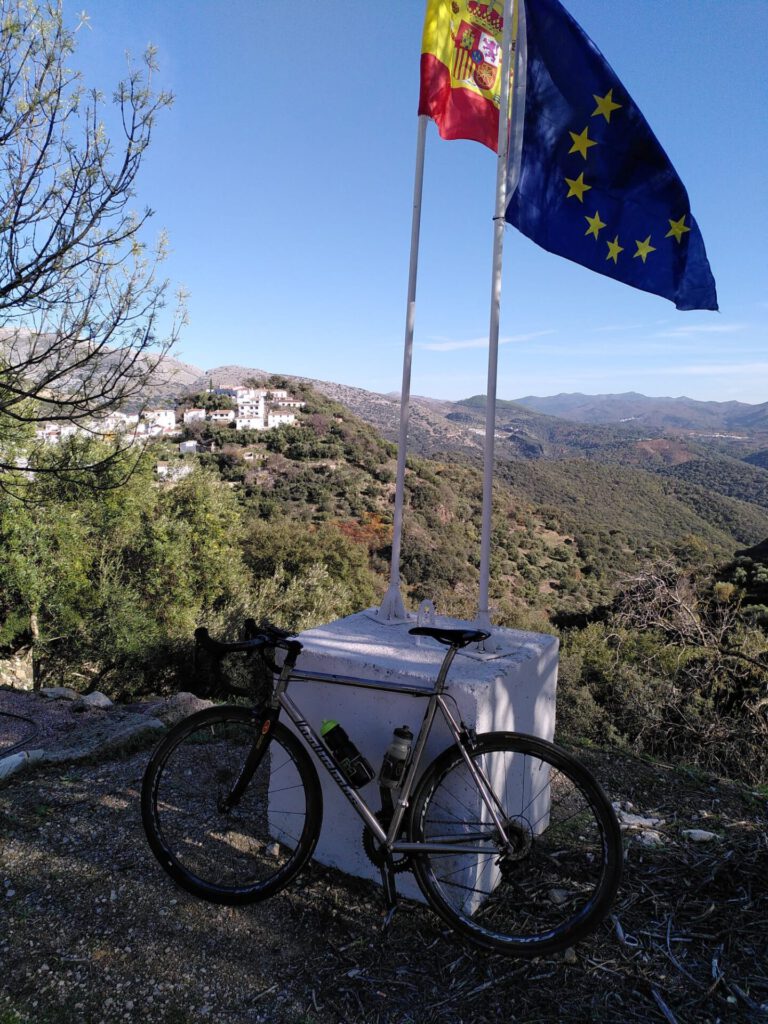
I cycle past fields with groups of brown-red bulls that look at me indifferently. I pass by orchards where barking dogs guard the olive and almond trees. Just a little later, the karst landscape reveals itself in all its glory. I pass the turnoff to the picturesque village of El Colmenar, which is about ten kilometers further down in the valley of the Guadiaro river. It is accessible via a beautiful winding path through a cork oak forest where large groups of wild boar gather, I learned from a previous bike trip. Turn right, turn left, and then a familiar village with white houses appears on the horizon. I am back in Cortes de la Frontera, I am home. After I have dismounted, I look at my bike and realize…that I should take it with me to southern Spain, that was an excellent decision!
Routes – Surviving the winter on a bike in Andalusia
Through our komoot page you can find great routes. Want to know more about cycling in Spain? Then read our entire ‘Biking in Spain‘ page. Or specifically on our Cycling in Andalusia pages
Questions & tips
Do you have any questions about this route, or have you been there yourself? Share them here. We read everything and usually respond within a few days.