
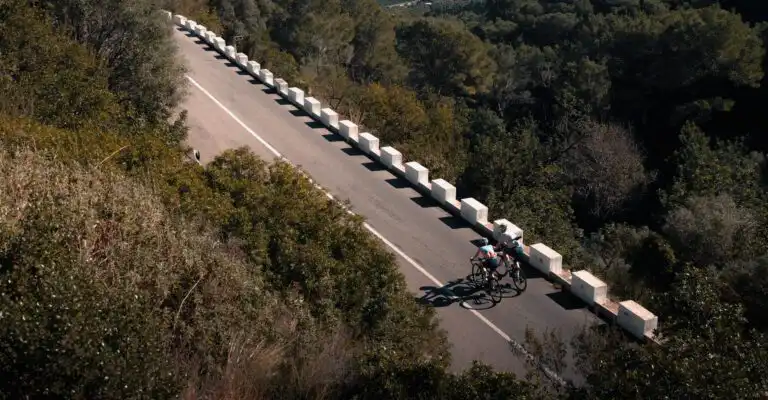
Spain is an ideal destination for cycling. We have already written about the cycling paradise Mallorca and about Tenerife as wonderful ‘year-round’ destinations. A slightly more familiar destination is the Costa Blanca. The region around Alicante, and in particular Calpe, is very popular with cyclists. Many professional teams set up their winter training camps in this region. Due to the good roads, good temperatures and also the beautiful climbs, you can fully enjoy yourself as a cyclist here. The riders finish their races on the Balcon d’Alicante, which in itself is already a wonderful challenge. We asked our friends from Allure Bike rental To give you some nice tips and to avoid any unexpected surprises, here comes the next column! Here are 5 tips for cycling on the Costa Blanca!
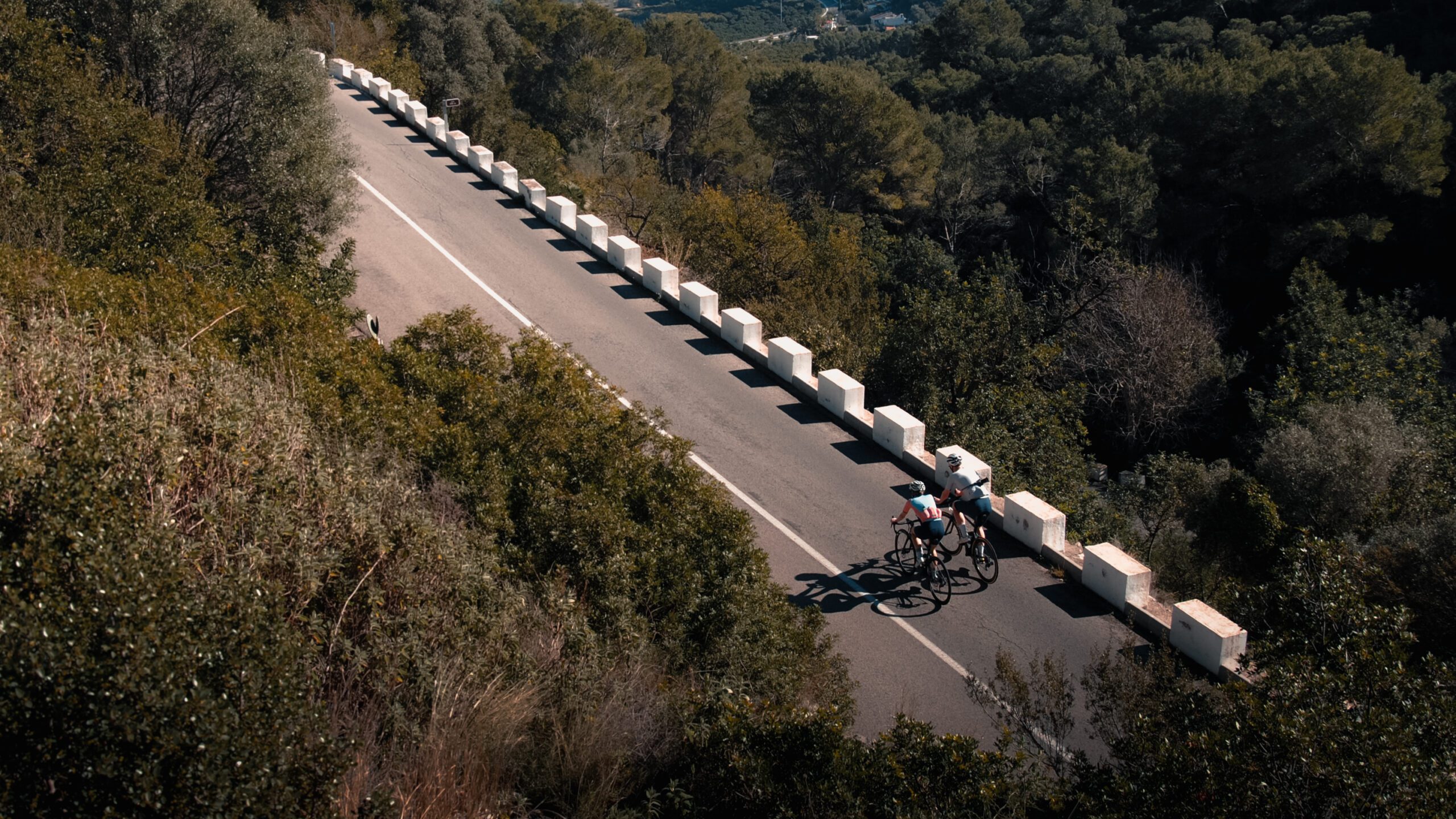
Coll de Rates
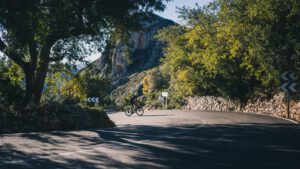
If climbing is synonymous with the Costa Blanca, then the Coll de Rates is it. From the very beginning, the climb is 14km long and can be climbed from two sides. The percentages will not scare an average professional cyclist. And that is precisely why it is a great training climb. The legs get warm and the last stretch is a good challenge. With a maximum of 8% on the north side and 9% on the south side, it is the perfect way to get used to the more challenging work.
Coll de Rates, Bolulla, Spain
• Distance: 14 km, Elevation: 533 m, Average grade: 4.8 %
North side: Parcent
From the north, the route starts from the Jalón valley, Benissa or the village of Parcent. Parcent is surrounded on all sides by mountains. It is one of the eight villages that together form El Vall del Pop. It is quiet here in terms of traffic, which makes this side very inviting. As mentioned, this side is certainly not steep, with a maximum gradient of 8%, and it runs very gradually upwards. So for everyone, a pleasant climb to drive. Additionally, you have a stunning view of the Mediterranean Sea at many points. So you don’t end up completely exhausted at the top, and the view is also beautiful!
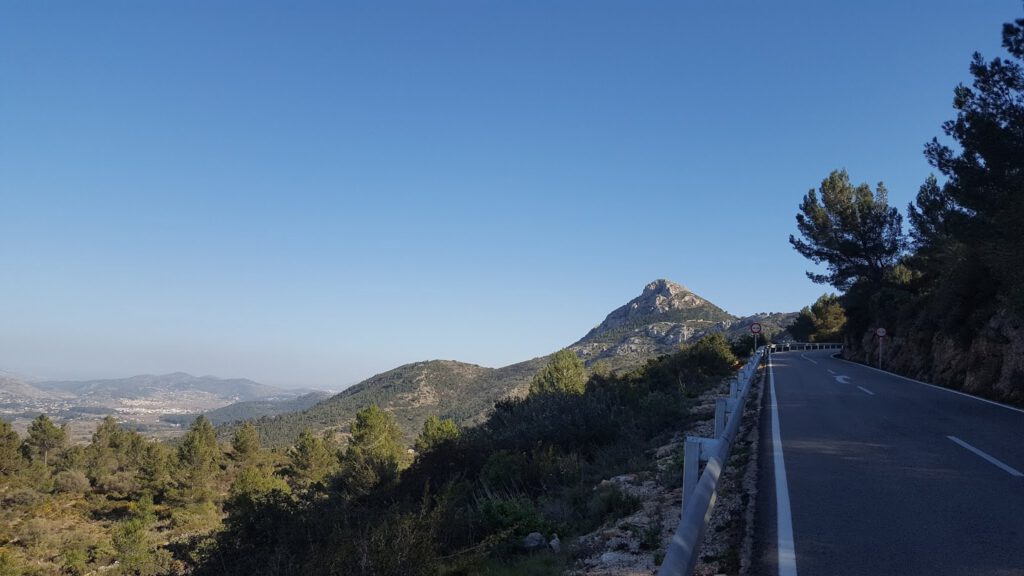
South Side: Callosa d'en Sarrià
The southern side of the Coll de Rates is less well known (or maybe less popular). It starts in the village of Callosa d’en Sarrià. Many cyclists will mainly see this side going downhill, but this side is also nice to do. Here you have a longer route with 19km, there are also some downhill sections, but the climb is also somewhat more irregular and has a higher peak at 9%. After about six kilometers on this side, the steeper work begins, which lasts about six kilometers. Then it goes back down again and the last 1500 meters are nice and regular with 6% up. Great for a further training block. This climb owes its popularity mainly to its central location compared to Calpe, Denia, Benidorm and other nearby places. That is of course a plus.
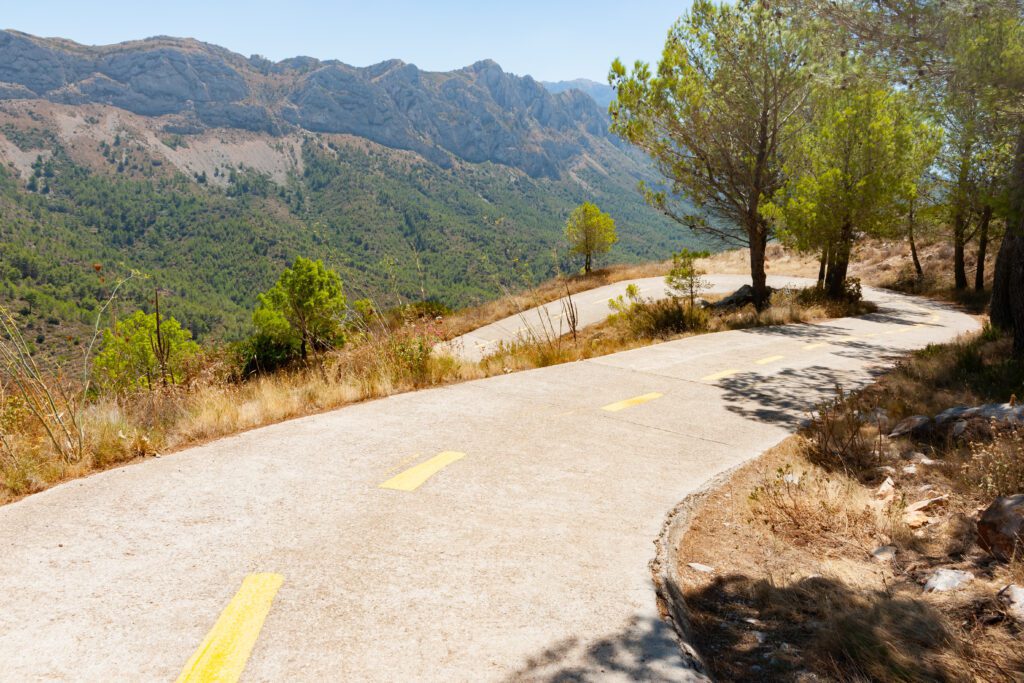
Pain suffering in the square
Spain is known for its ‘goat paths’. More precisely, ascents like the Angliru, Lagos de Covatilla, Lagos de Covadonga. You might ask yourself: who would actually want to ride up the hill on a bike? Or by car? Even when you go cycling on the Costa Blanca, you can still enjoy the scenery. On the Serra de Bernia, you can truly enjoy the scenery (or suffer). It’s not to be confused with the (simpler) Puerto de Bernia, which you can easily combine with a climb of the Coll de Rates.

No, this semi goat trail is a dead end; going up is also going down again. You start with a stretch of warming up between five and nine percent the first stretch. But then it gets steep, steeper and steeper. It clocks in at an average of 11.9% over 5.4 km. With only 3.5 kilometers left, it’s only 14% or higher, with a peak of 18%. The legs are already hurting. But that view…stunning. You’ll have to look at it for a while, though, because you’ll need to catch your breath.
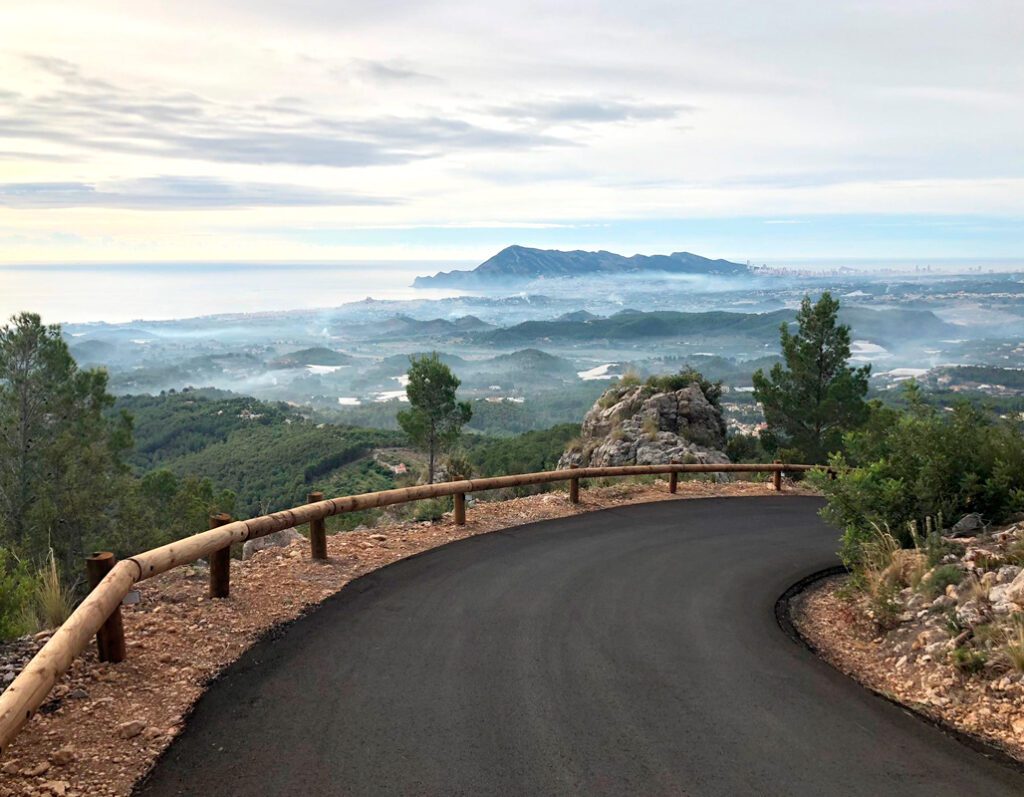
Sierra de Bernia, Altea, Spain
• Distance: 5 km, Elevation: 600 m, Average grade: 12.1 %
Balcon de Alicante
The Balcon de Alicante is more common in the Vuelta a España. The balcony, which sounds all very friendly, but when you look at the map, the spectacle (can) be seen. In total it is only 4.4 kilometers and ultimately the profile says that it is 8.9% on average. But that includes a fairly steep descent of 2%. Here too, the maximum percentage is 18% and it will be between 4 kilometers and 1 kilometer from the finish for many. But also here, the view is again spectacular.
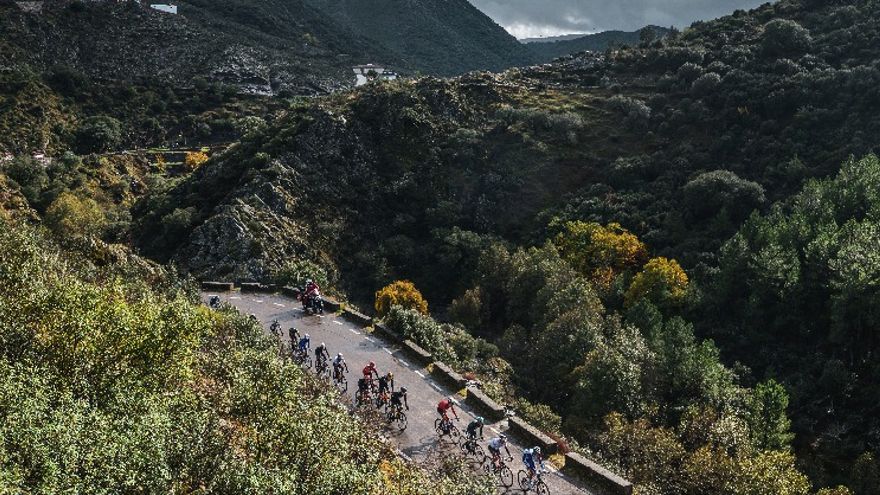
Tips for cycling on the Costa Blanca
Of course, we have given you 5 tips on how to cycle now. But what else is useful to know?
- Bike rental: There are a huge number of parties on the island that can help you get a bike. Check the possibilities via Allure Bike Rental Or you can check out Alta Bike Rental, by Kurt Caboor.
- The best way to fly is to fly to Alicante. There are many direct flights available, especially in the spring.
- Calpe, Altea and Moraira are favorite places for professional teams to hold their winter training camps. You will also find many bike hotels here.
- Be careful of the traffic. Two things are important:
- English tourists who forget that they are not in England and turn the wrong way
- Trucks that drive along the main road. Stay alert there and bring a light with you if possible.
Would you like to know more about this beautiful destination? Then read also the Story of Ruth about her visit to this region.
Questions & tips
Do you have any questions about this route, or have you been there yourself? Share them here. We read everything and usually respond within a few days.