Part of Italy
Cycling in the Dolomites: Iconic Climbs and Breathtaking Landscapes
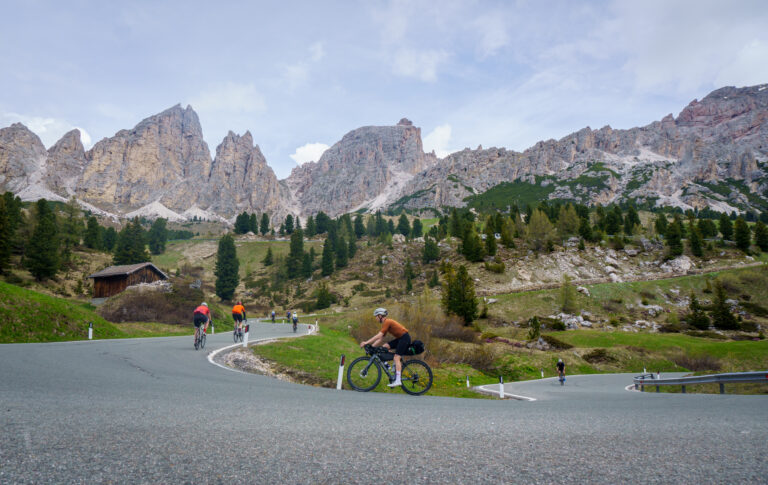
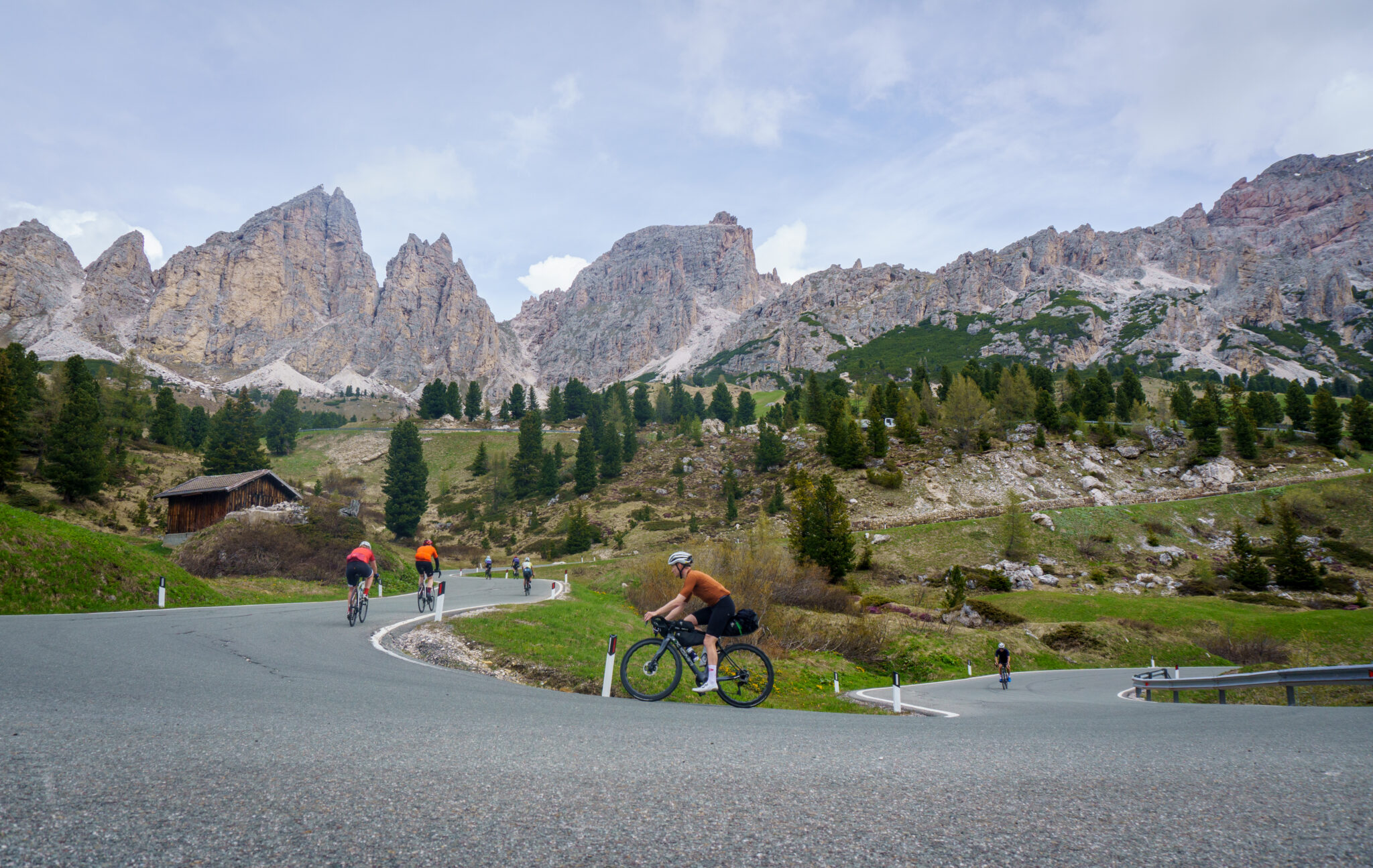
The impressive Dolomites form one of the most spectacular cycling areas in Europe. This mountain range in northern Italy extends over the regions Trentino-Alto Adige, Veneto and Friuli-Venezia Giulia and is known for its dramatic rock formations, steep climbs, and beautiful panoramic routes.
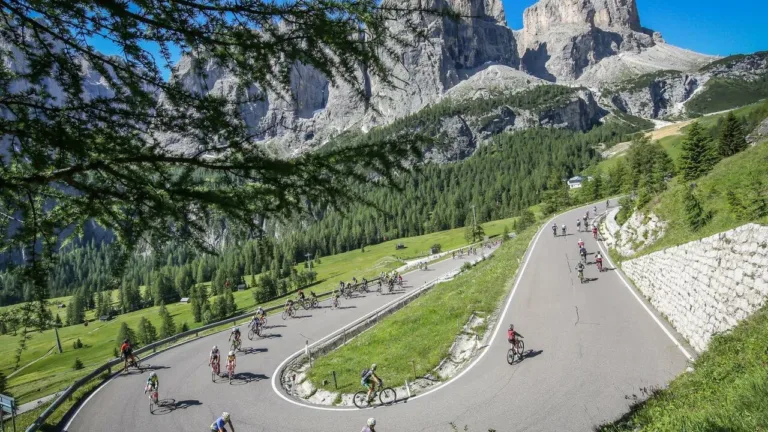
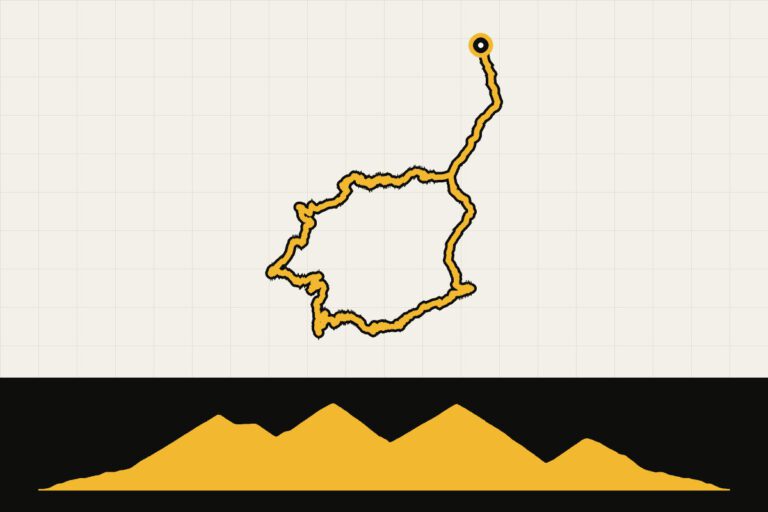
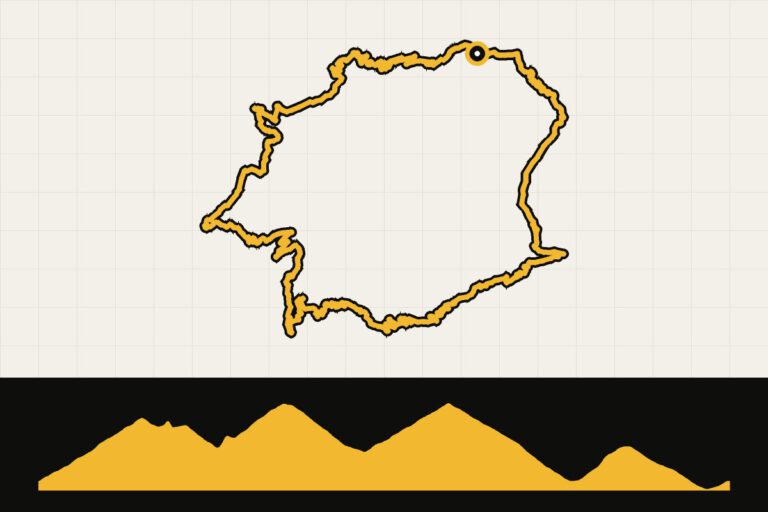
One of the most famous cycling routes in the Dolomites is the Sella Ronda, a loop of about 55 kilometers around the imposing Sella Massif, In which you will face four iconic climbs: the Passo Pordoi, Passo Sella, Passo Gardena and Passo Campolongo. This is an absolute must for any cyclist visiting the Dolomites. In addition, there are countless other legendary climbs to be found, such as the Passo Giau, Passo Fedaia and the Passo Stelvio.
Of Giro d’Italia The Dolomites have been used as a battleground countless times, with heroic battles taking place on the steep slopes. For anyone who wants to experience the climbs from the Giro itself, there is no way around this region. But the Dolomites offer more than just grueling climbs. Authentic mountain villages, picturesque valleys, and a rich Italian cycling culture make this area an absolute must for cyclists.
You don’t need to be a seasoned climber to ride here. Whether you want to tackle the most famous cols, explore gravel routes, or make quieter rides through the valleys, the Dolomites have opportunities for every type of cyclist.
How do the Dolomites differ from the climbs in France?
The Dolomites are distinguished in several respects from the climbs in France. First of all, the landscape is completely different. Where the French Alps and the Pyrenees consist largely of granite and limestone, the Dolomites are dominated by dolomite and limestone. steep rock formations of dolomite rock. This not only creates a more rugged and dramatic landscape, but also has an impact on the climbing characteristics.
In terms of ascents, the differences are quite noticeable. In France – both in the Alps if the Pyrenees – many cols are covered more gradual, with longer ascents and generally uniform gradient rate. Think for example of the Col du Galibier, Col du Tourmalet or Alpe d’Huez, These often contain long straight sections where you can find a steady rhythm.
Of Dolomites On the other hand, they are known for their irregular, steep ascents. The climbs here often include sections above the 10% increase, interspersed with short flat sections or even slight descents. This makes it more difficult to maintain a constant cadence, which makes the climbs physically more demanding. Examples of this include: Passo Giau, Passo Mortirolo and Tre Cime di Lavaredo, where the growth rates can for a long time be well above 10%. To put it in Passo Fedaia not to mention.
In addition, the roads in the Dolomites are generally smaller and more technical Then in France, both during the climb and the descent. The French cols often have wider asphalt and longer, flowing curves, whereas in the Dolomites, hairpin bends are often shorter and steeper, making descending more challenging.
What makes cycling in the Dolomites extra special is the Italian cycling culture. You can find it everywhere cozy rifugio’s, espresso bars and bike-friendly hotels, What makes cycling here unique is the atmosphere. Combine this with the impressive landscapes and the rich cycling history, and you have one of the most beautiful cycling destinations in the world.
What is the best destination for cycling in the Dolomites?
Of Dolomites They are a paradise for cyclists and offer a huge variety of climbs and routes. From long, steep climbs to rolling valleys, every cyclist will find a perfect challenge here. The choice of a base depends on what you are looking for: do you want to climb the highest and hardest cols, a central location for multiple routes, or combine a relaxing cycling holiday with Italian culture and gastronomy?
Whatever your choice is, cycling in the Dolomites It is an unforgettable experience. Whether you attack the magical cols around Bormio, explore the less-known but just as challenging routes around Bolzano, or let yourself be fully immersed in the Dolomite culture of Corvara, or the chic Cortina, the Dolomites is a destination that should be on every cyclist’s bucket list.
Your Cycling base
Where you stay determines which passes you can use from your hotel. These are the best places:
- Corvara (Alta Badia): right in the middle of the Sellaronda, with Gardena, Campolongo and Valparola right outside the door.
- Selva of Ortisei (Val Gardena): on the north side of the Sella, with the Passo Sella and Passo Gardena as the first climbs.
- Canazei (Val di Fassa): at the foot of the Pordoi and the Sella, and near the Fedaia on the Marmolada.
- Cortina d’AmpezzoFor Giau, Falzarego and Tre Cime di Lavaredo, with a lively center.
Climber map: the most important climbs
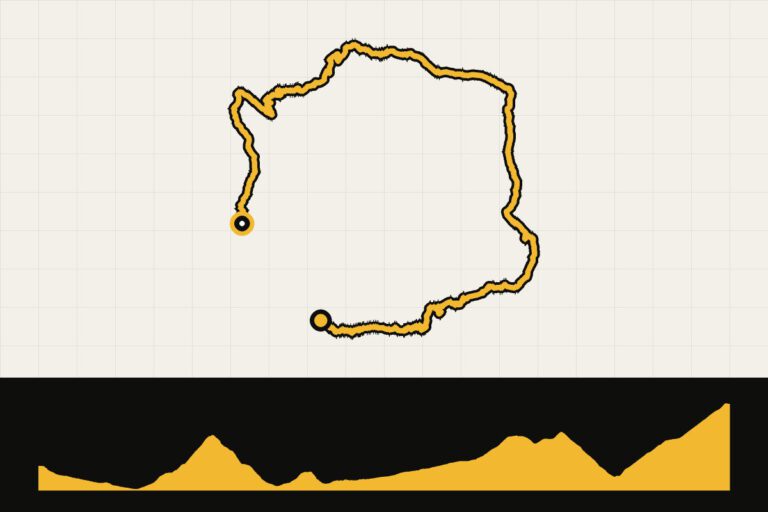
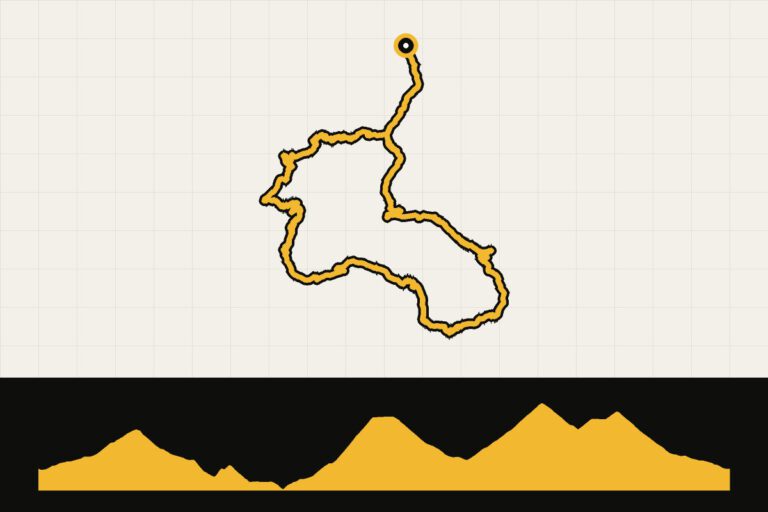
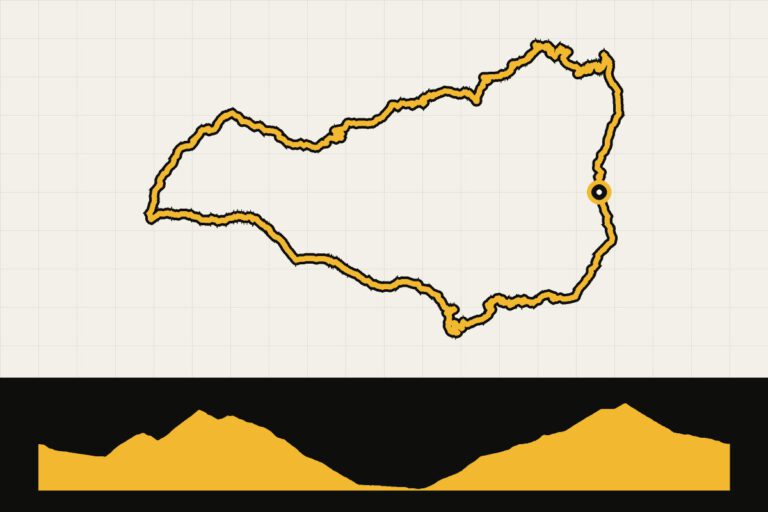
On this map you can see the most important ascents in the area. Choose a starting point to see only those climbs. Click on a point for the altitude and the climb numbers. For the yellow points we have a route with GPX.
More stories about Dolomites
- Kees out for the Giro d’Italia – Week 3
- La Pedalata: Bikepacking from Bormio to Alta Badia and back
- Cycling on Sella Ronda is even more beautiful in winter!
- Cycling on the Seiser Alm – Alpe di Siusi
- Cycling in Trentino: Lake Molveno
- Cycling route from Bolzano to Klobenstein
- Why you should bike the Giro Delle Dolomiti in Bolzano
- Gravel in Bolzano
- Cycling in Trentino-South Tyrol: a winter sports feeling and palm trees in one ride
- Bolzano: your gravel basecamp in the Dolomites
- The majestic Dolomites
- Classic Ride: cycling the Stelvio Pass from Prato
- Classic Ride: cycling the Sella Ronda over four Dolomites passes
When are you leaving?
Events in Dolomites
2027Sportful Dolomiti RaceFeltre, Italy · 204, 125 kmrace bike4 July
2027Marathon of the DolomitesLa Villa (Alta Badia), Italy · 138, 106, 55 kmrace bike11 September
2027Sellaronda Bike Day (Autumn)Sella Massif (Dolomites), Italy · approx. 55 km (4 passes)race bike
How do you get there?
- Flying: Fly to Bolzano - Verona. Bring your own bike; then book a place for your bike box in time.
- By train: Convenient stations: Bolzano.
- By car: From Utrecht you are in about 12 hours DolomitesPlan an overnight stop along the way, or drive in two days.
This is how we calculate: We calculate distances and travel times starting from Utrecht. Our flights always depart from Schiphol, Rotterdam The Hague Airport or Eindhoven Airport. Want to know how to travel from your place of residence the best way? Let us know, We are happy to help you. After all, we built this site together.
Are you flying? Read our guide Flying with your bike: Which airline, what the cost is and how to pack your bike.