
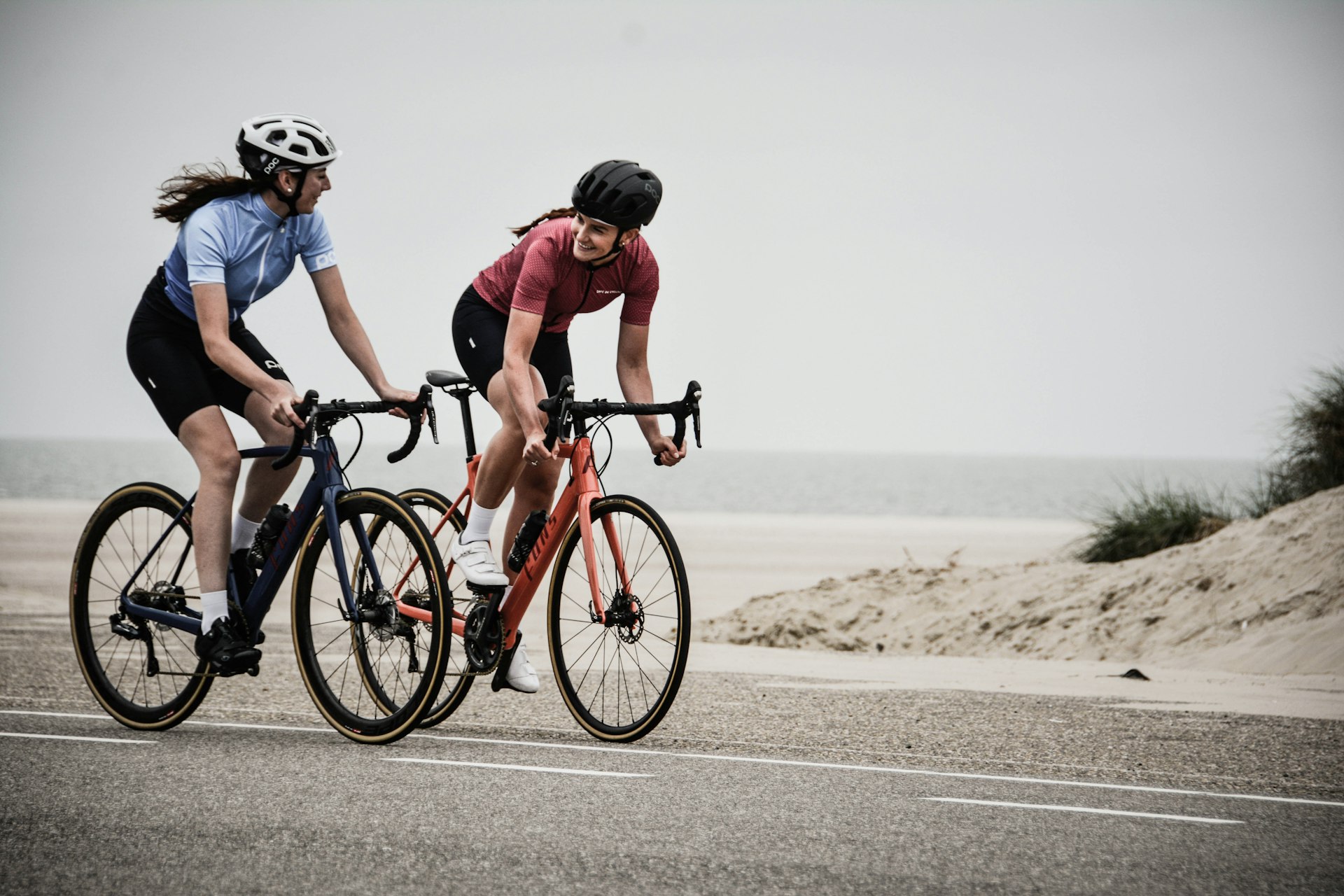
Cycling is one of the most beautiful ways to get fit and explore the surroundings at the same time. You’re out of the city quickly, you’re driving further than you ever thought possible in a few hours, and after a few weeks you’ll find it’s getting easier and easier. But if you’re just starting out, it’s also a world full of strange terms, expensive gear, and unwritten rules. In this guide, we’ve put everything together: from your first road bike to your first ride in a group.
1. Which race bike do you need?
You don’t have to buy a top-of-the-line bike right away. A good entry-level race bike has an aluminum or carbon frame, disc brakes, and a group with enough gears for the hills. More important than the brand is the size: a bike that doesn’t fit properly causes pain in your back, neck, or knees and makes cycling difficult. Have a bike shop measure your size properly or take a test ride in a few sizes.
- New or usedA good second-hand race bike is a great start. Pay attention to the wear of the chain and gears, the condition of the brakes, and whether the frame has any cracks.
- Race bike or gravel bikeIf you mainly ride on asphalt, a race bike is the lightest and fastest option. If you also want to ride on unpaved trails, a gravel bike can be a smart first bike. Read race bike, gravel bike or allroad bike: which bike suits you.
- GearsAs a beginner, choose a light resistance level; especially if you want to cycle in the hills or mountains. A compact front wheel and a large rear sprocket make climbing much more enjoyable.
2. What else do you really need?
- HelmetAlways. A good helmet doesn't have to be expensive. Read our guide for buying a racing bike helmet.
- Cycling trousers with a rubber band: the most important garment. A good saddle pad prevents saddle pain. Do not wear underwear under it.
- Bags and a bottle holderDrink on the go, even if it’s not warm.
- Repair kit: a spare inner tube, tire reflectors, a pump or CO₂ cartridge and a multitool.
- Lighting: for autumn and winter. See our bike lights buying guide.
Click pedals and cycling shoes are nice, but not a must on day one. Many beginners ride on regular pedals for the first few weeks and switch to them when they feel confident on the bike. Practice clicking in and out first in a quiet place. You can read more about that in Shoe plates and pedals: what should I choose?.
3. Your first rides: build up slowly
The biggest mistake beginners make is wanting to do too much too quickly. Start with one-hour rides at a leisurely pace, while still being able to talk. Build on it little by little each week: a quarter of an hour longer, or an extra ride. After a month or two, you can ride 60 to 80 kilometers without any problems.
- I would rather drive for an hour three times a week than for four hours once a week.
- Eat and drink on the go: a bar or banana per hour, and at least one bottle per hour.
- Choose quiet roads and bike paths. Many regions have signposted cycling routes; in our region, there are several routes that are suitable for beginners. routedatabase find routes with GPX to put on your bike computer or phone.
- Take it easy: you’ll get stronger in the days between your rides, not during them.
4. Cycling in a group
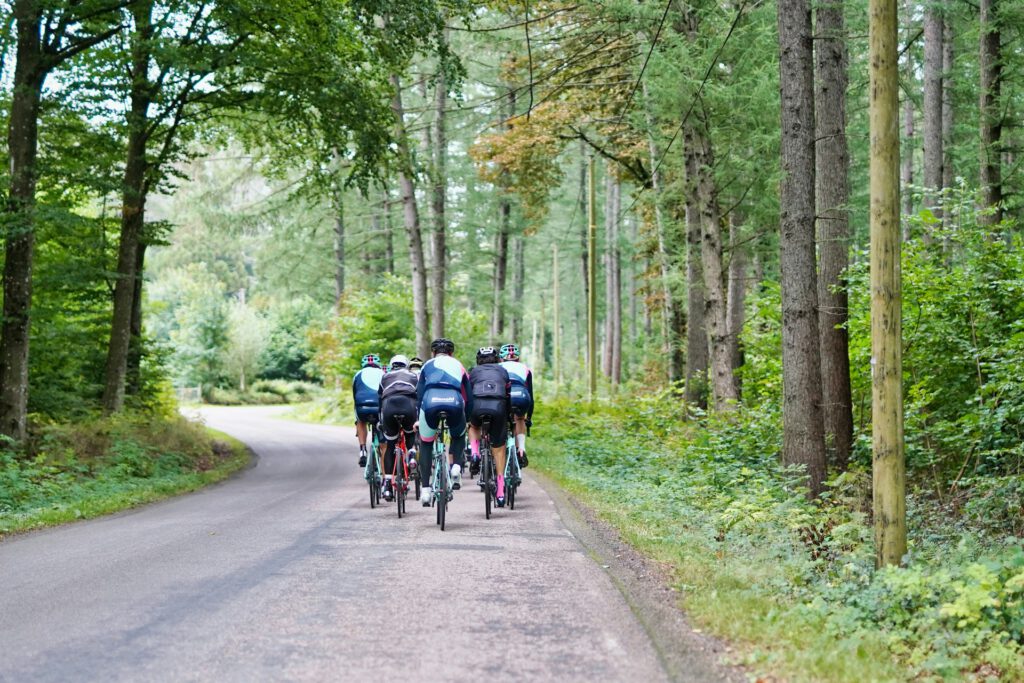
Cycling in a group is fun and you learn a lot. You also ride faster because you are out of the wind. However, there are a few rules that are important for your safety:
- Drive calmly and predictably: no sudden steering movements or braking.
- Point out obstacles for the drivers behind you: holes, poles, glass.
- Keep driving alongside each other if the group is doing so, and go alongside oncoming traffic or on narrow roads.
- Do not get on the pedals without warning: your bike will then shoot backwards.
Many cycling clubs (WTCs) have special beginner groups or starter courses. That is the best way to learn group riding. Tour rides are also a great first introduction: you ride a marked route with service points. Check our event calendar and read Your first tour or granfondo.
5. Your first destination: hills, mountains or a cycling holiday
A goal helps to keep training going. That could be a bike tour, a round of South Limburg or the Ardennes, or your first time in the mountains. Then read our tips for first time mountain biking and Planning your first cycling holiday. On our page First time abroad find destinations that are perfect for that.
Frequently asked questions
How much does a good first race bike cost?
A new entry-level race bike usually costs between 800 and 1,500 euros. You can find good second-hand bikes for less. Additionally, expect to spend a few hundred euros on helmets, clothing, and accessories.
How often do I need to cycle to get better?
Two to three times a week is enough to see rapid progress. Regularity is more important than long rides.
Is cycling bad for my knees?
No, cycling is actually knee-friendly, as long as your bike is properly adjusted and you don't pedal too hard. Choose a light gear with a higher cadence instead.
Questions & tips
Do you have any questions about this route, or have you been there yourself? Share them here. We read everything and usually respond within a few days.