
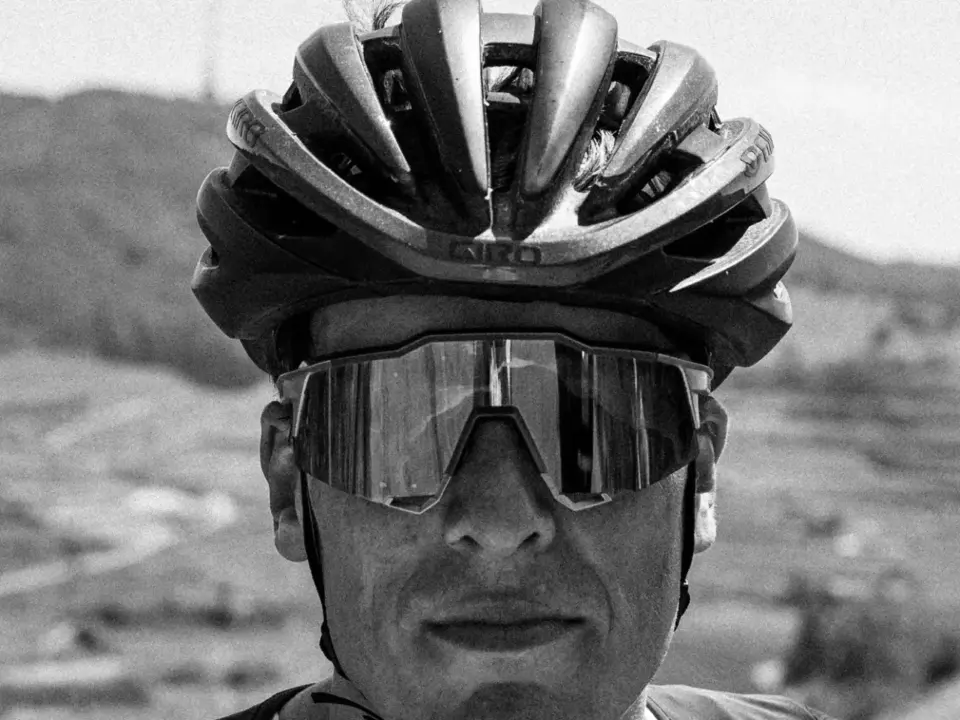
For beginners in road cycling, making the right choice when buying a road bike helmet (or gravel helmet) matters a lot for both safety and comfort while riding. The choice of helmets can be overwhelming, especially on a limited budget. What should you look for when buying a road or gravel helmet? In this article we share five handy tips to guide you in choosing a suitable road or gravel helmet, and we give you five good options under 100 euros to get you started.
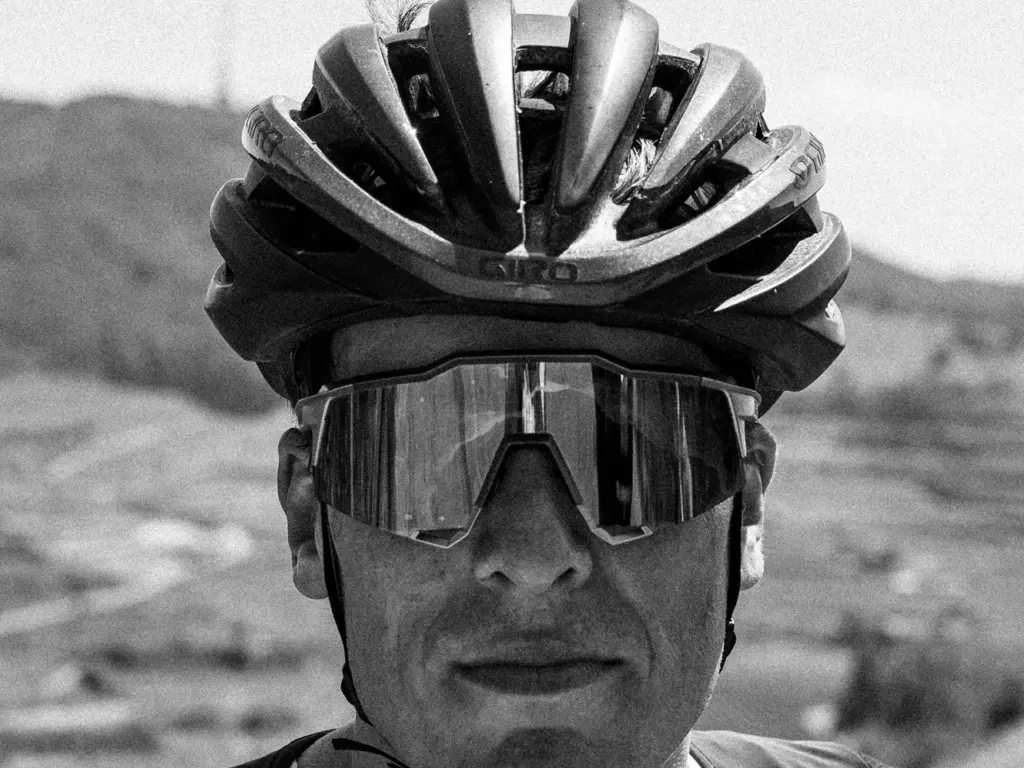
A helmet is the most important piece of kit you own, but also the one you think about least until you need it. In this guide you’ll read what to look for when you are just starting out in road cycling, and what changes when you ride more kilometres, go faster or head for the mountains.
What to look for in any helmet
- Certification mark: in Europe a bike helmet must meet the EN 1078 standard. Every helmet sold in a Dutch shop does, so a cheaper helmet is not automatically unsafe.
- Fit: measure your head circumference just above your eyebrows. A helmet fits well if it doesn’t move when you shake your head, with the adjustment system not yet fully closed. It should sit level on your head, with the front about two fingers above your eyebrows.
- Ribbons: the straps form a V just below your ears, and one or two fingers fit between the chin strap and your chin.
- Protection against rotational forces: in a crash you often land at an angle. Systems such as MIPS, KinetiCore and Koroyd reduce the rotation and the impact. More on this in our article on MIPS, KinetiCore, Koroyd and other helmet technologies.
- Replacement: after every crash in which your helmet hit the ground, even if you can’t see any damage. Manufacturers also often advise replacing your helmet after about five years, because the material ages.
Torn between models? Look at the independent helmet tests by Virginia Tech. They test helmets on angled impacts, something the EN standard does not do.
For beginners
You don’t need to buy a top model. A mid-range helmet protects well, is comfortable and lasts for years. Pay particular attention to this:
- Fit comes first: try several brands. One brand is rounder, another more oval. The helmet that fits best is the safest.
- Good ventilation: plenty of vents, so you don’t overheat on a warm day or a climb.
- An easy adjustment system with a dial at the back.
- Striking color: white, yellow or fluo stands out better in traffic than black.
- MIPS or something similar: now also found in affordable helmets and worth having.
More tips and affordable options can be found in our earlier guide to road bike helmets under 100 euros.
For experienced riders
Do you ride a lot, faster or in the mountains? Then other things become important. Broadly you choose between three types:
| Type | Strong in | Less well-suited in |
|---|---|---|
| Lightweight climbing helmet | Lots of ventilation, low weight: great on long summer climbs | Less aerodynamic |
| Aero helmet for the road | Speed on flat sections and in groups, warmer in autumn | Can get hot on a long climb in the heat |
| All-round | A good compromise, for those who want one helmet for everything | Not quite the best at any one thing |
- Mountains and heat: if you ride to the Alps or the Dolomites, choose ventilation. An hour-long climb in the sun in an aero helmet is no fun.
- Weight: matters most on long days. A helmet of around 250 grams is less noticeable on your neck than one of 350 grams.
- Combination with glasses: check that your sunglasses fit well with the helmet and can be stowed in it. Many helmets have a spot to park your glasses.
- Finishing: a magnetic buckle, replaceable pads and a good fit at the back of the head make a difference on long rides.
5 affordable road bike helmets under 100 euros
Tip 1: Fit and Comfort
A well-fitting helmet is crucial. Make sure the helmet sits firmly on your head without pinching. Check that it has adjustable straps and a dial (for example the RocLoc system) for a precise fit. A comfortable helmet reduces fatigue on long rides. Some straps can also chafe. Try on several helmets. A helmet that is too small will pinch and won’t protect well. A helmet that is too big will shift, which is also a risk in a crash. And it will drive you mad on a ride.
Tip 2: Safety certification and -fall protection
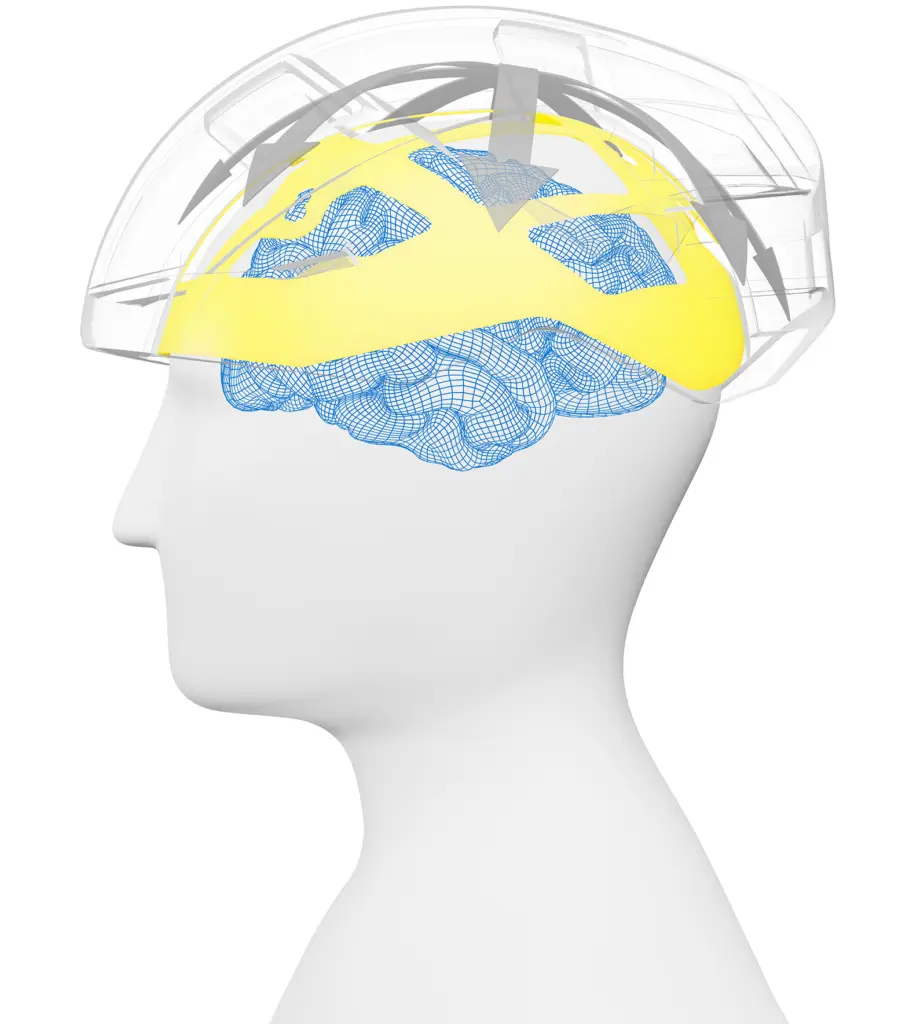
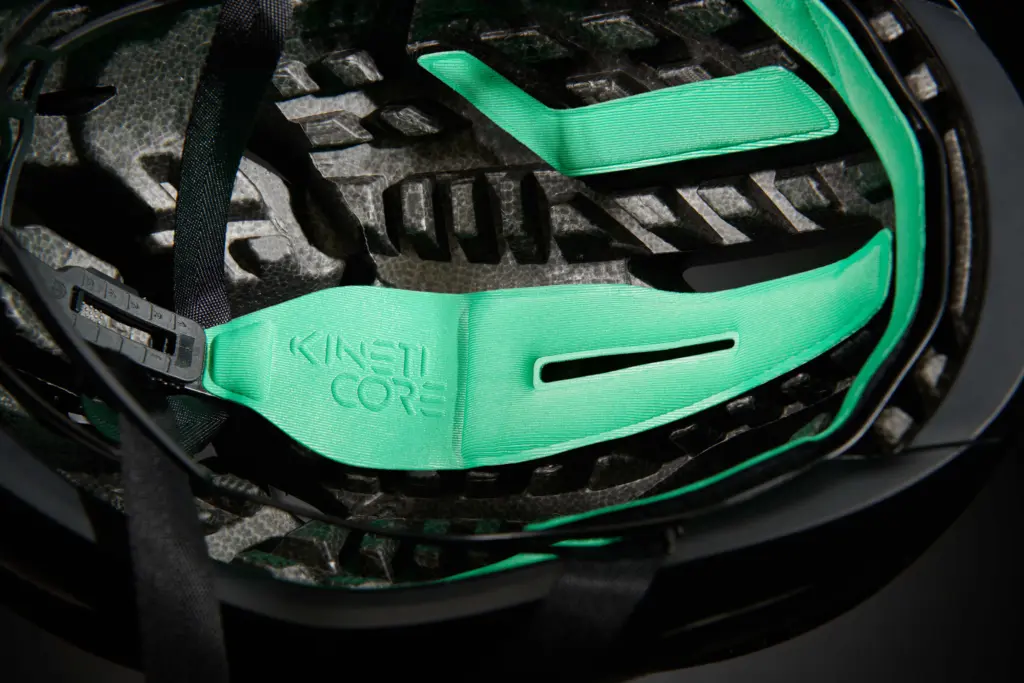
Always check that the helmet meets international safety standards; in Europe that is the CE-EN 1078 standard. This guarantees that the helmet has been tested and approved for impact protection. On top of that, there are now several internal systems that add extra protection. MIPS (on its own), Wavecel (maker: Bontrager) and KinetiCore (Lazer/Shimano) are examples of this. These helmets are a little heavier, though, and often a bit more expensive.
Tip 3: Ventilation and air circulation
On longer rides, on Warm days or during intense training, overheating can be a problem. Choose a helmet with enough vents to let the air through and keep your head cool, even on warm days.
Tip 4: Weight and aerodynamics
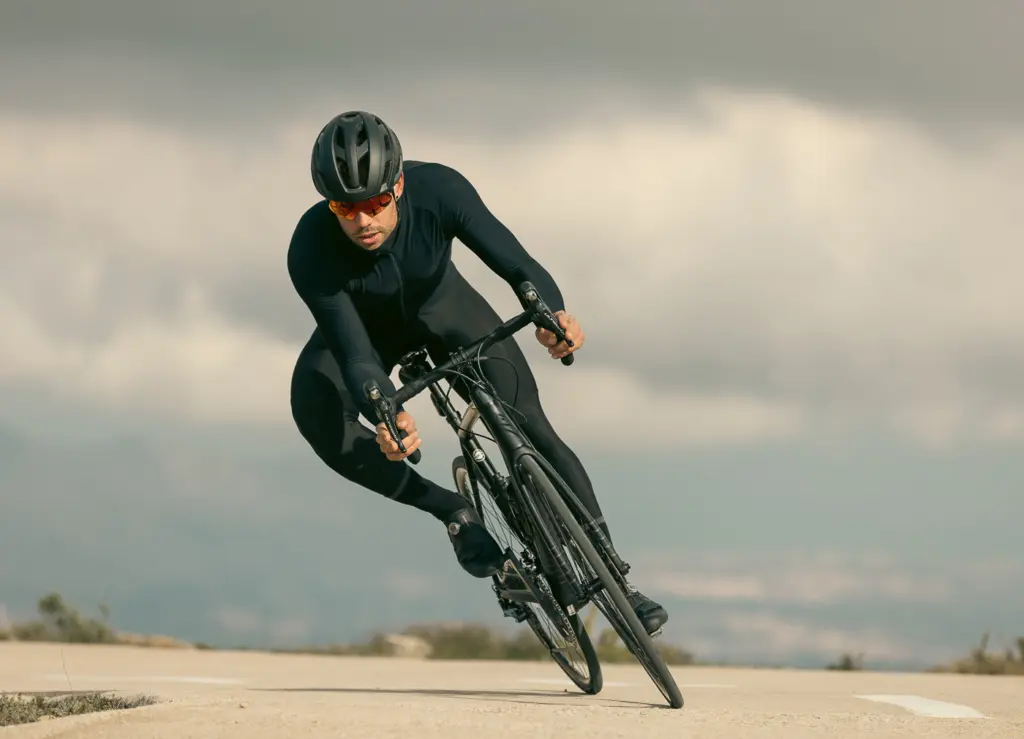
A light helmet reduces the strain on your neck and head on long rides. Some helmets start at just 200 grams (ultralight). The average helmet weighs around 280 grams (also depending on size: S weighs less than L). Aerodynamics is also taking off, with the closed helmet becoming more standard. If you want to go as fast as possible, a closed helmet is faster than one with vents. The downside, which brings us back to tip 3: there is less ventilation.
Tip 5: Style and Design
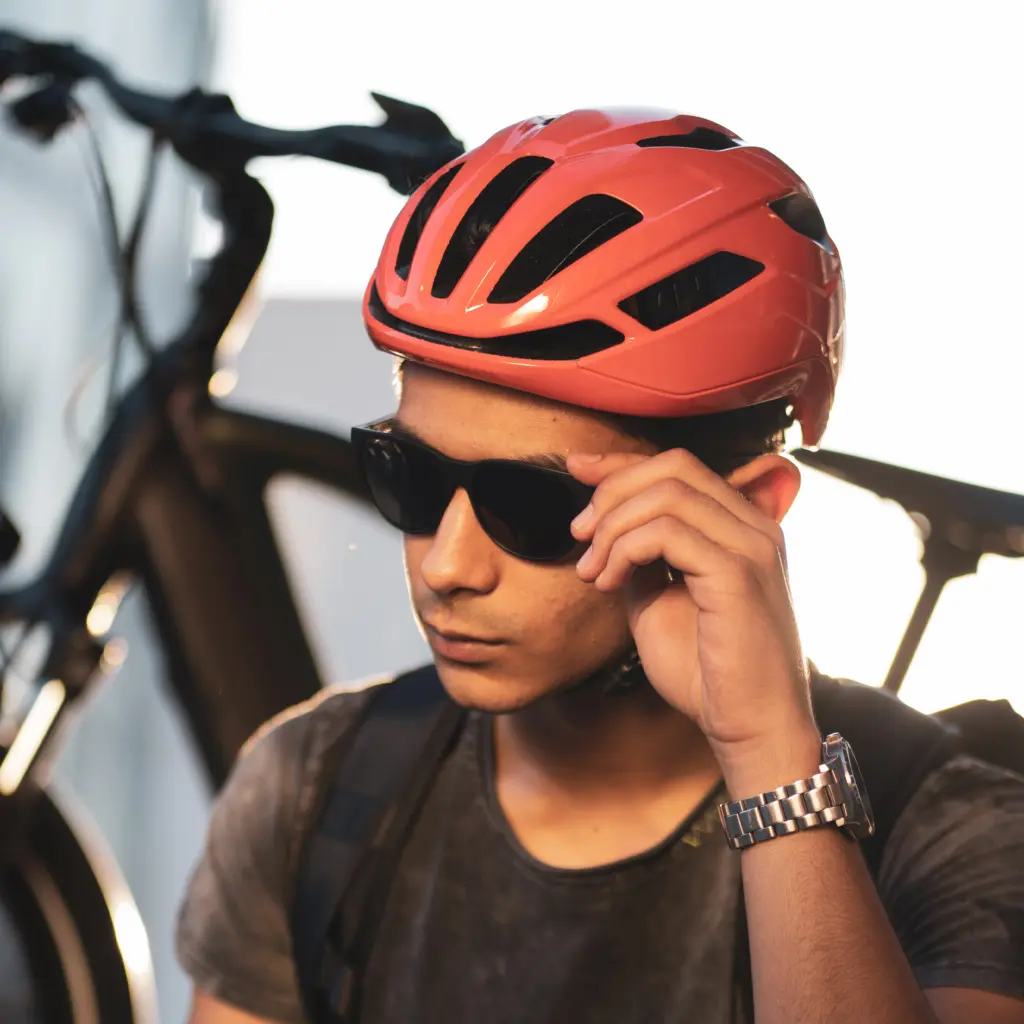
Safety comes first, but you also want to look good while riding. Choose a helmet that suits your personal style and that you’ll wear with pride. Helmets now come in all shapes, sizes and colours. True style purists will always go for white or black, but red, fluorescent yellow, blue, green or even purple are options too.
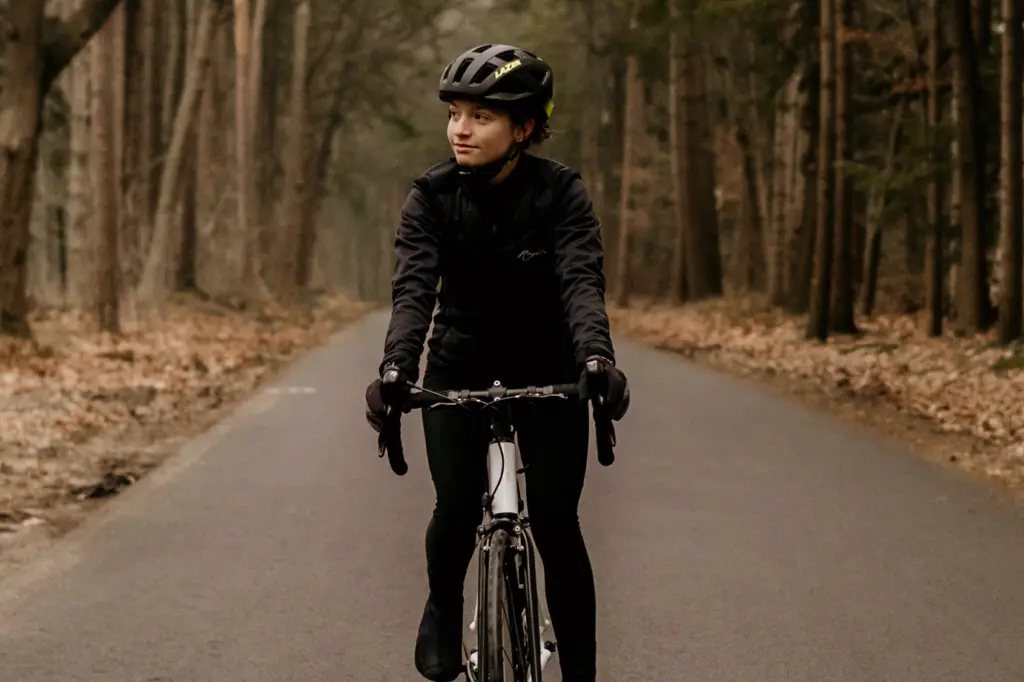
Road bike helmet for beginners: five options under 100 euros.
Ready to start riding? Then here are five high-quality road bike helmets for beginners under 100 euros:
- Bell Formula MIPS (Average price: 90 euros) The Bell Formula MIPS offers excellent protection thanks to the MIPS system, which absorbs extra rotational forces in a crash. The helmet adjusts easily and has plenty of vents.
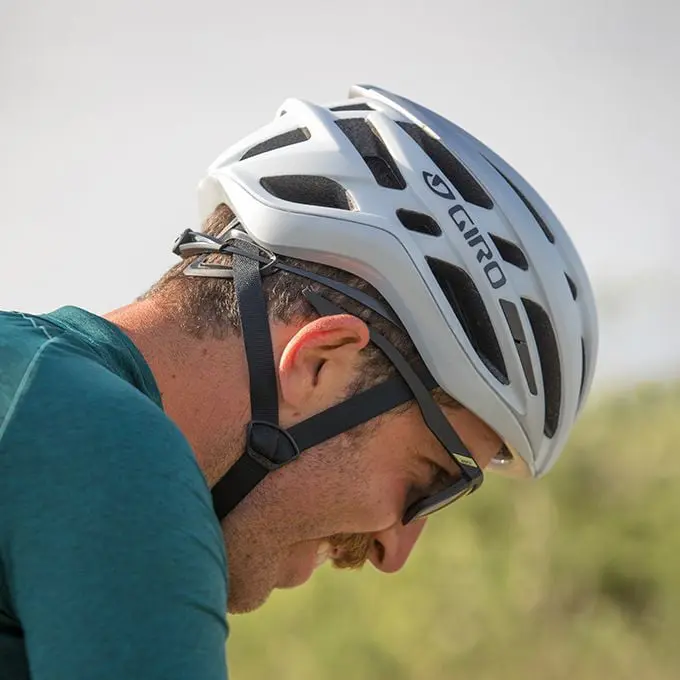
- Giro Agilis MIPS (Average price: 90 euros) The Giro Agilis MIPS combines style and performance. With its light weight, MIPS technology and streamlined design it is a great choice for beginners.
- BBB Cycling Hawk (Average price: 65 euros) The BBB Cycling Hawk is a true entry-level helmet. For just under €65 you get a fine helmet that is more than enough for a beginner. It has no fewer than 21 vents, so plenty of ventilation. Downside: it is a bit on the heavy side.
- Lazer Road Strada KinetiCore (Recommended price: 99 euros) The Lazer Road Strada KinetiCore just fits the budget, yet offers the advanced KinetiCore technology for impact protection. The pads reduce impact forces and the large vents keep you cool.
- Kask Synthesis (Recommended price: 79 euros) Although just (over) the edge of the budget, the new Kask Sintesi offers excellent protection and style. It has a sleek design and comes in various colours.

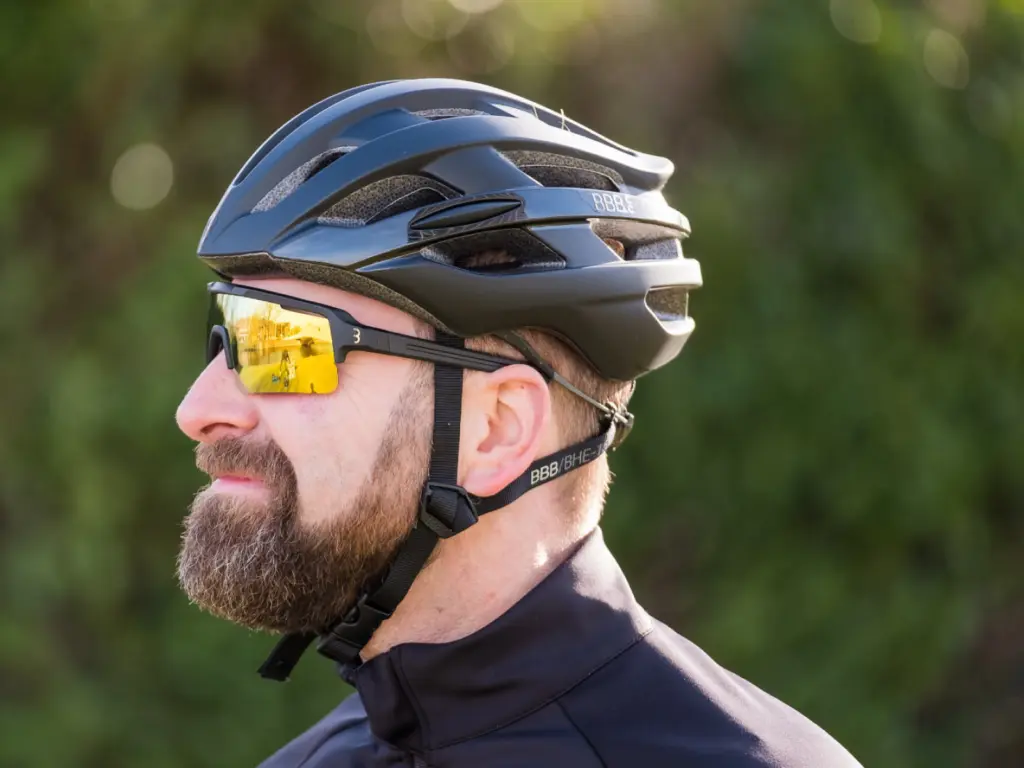
As a beginner, choosing the right road bike helmet is an important decision. By considering fit, safety, ventilation, weight and style, and choosing from affordable options like the helmets above, you can head out on the road with confidence and enjoy your rides.
Questions & tips
Do you have any questions about this route, or have you been there yourself? Share them here. We read everything and usually respond within a few days.