
Which climb in the French Alps is actually the toughest? That depends on the yardstick: average gradient, maximum sections, total metres of elevation, or absolute altitude. Here, the combination of steepness, length, metres of elevation, and absolute altitude counts. An Alpine climb only becomes truly tough when those four come together. This is a list of the toughest climbs in the French Alps.
The 7 toughest climbs in the French Alps
We are using the Profile Index of CyclingCols as a starting point. That index combines a number of factors into a single figure per climb. The higher it is, the tougher the overall package. Handy!
Col du Galibier
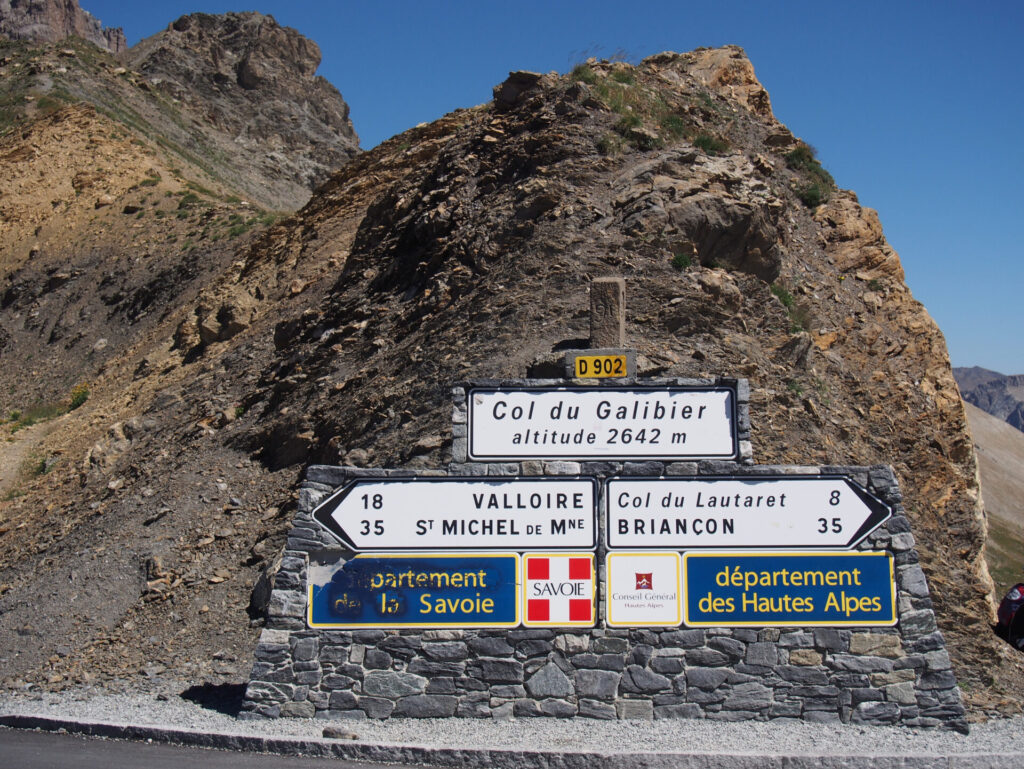
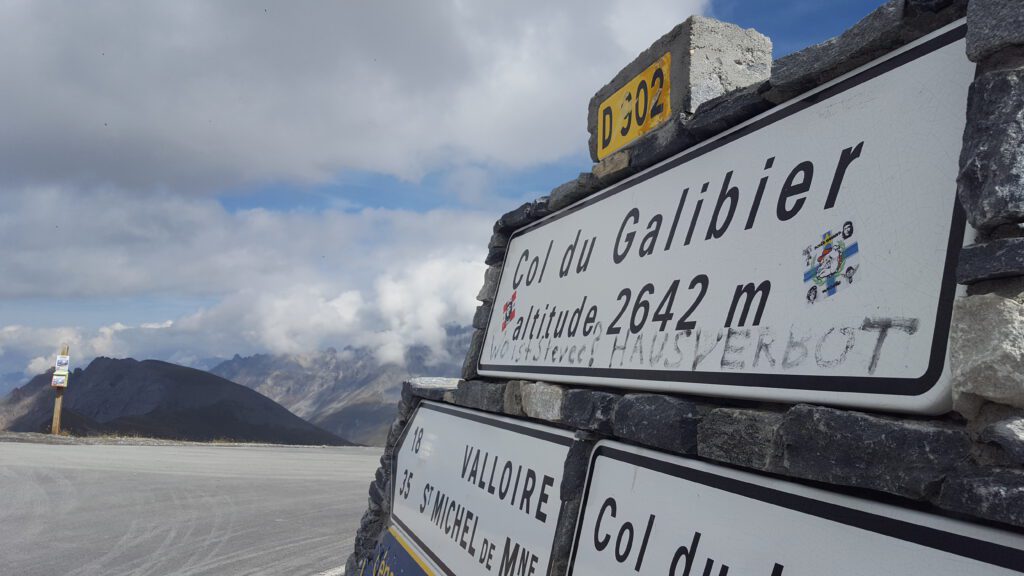
From Saint-Michel-de-Maurienne The route covers 18.2 km, with 1,239 metres of elevation gain and an average gradient of 7% on the north-facing side. Maximum gradient over 1 km: 9.5%. The summit is at 2642 m and the total elevation gain from the valley is 2,095 metres. The final 8 km barely dip below 10%. This is a climb that combines distance, elevation, gradient and Tour history.
2. La Tougnète – Profile Index 1431
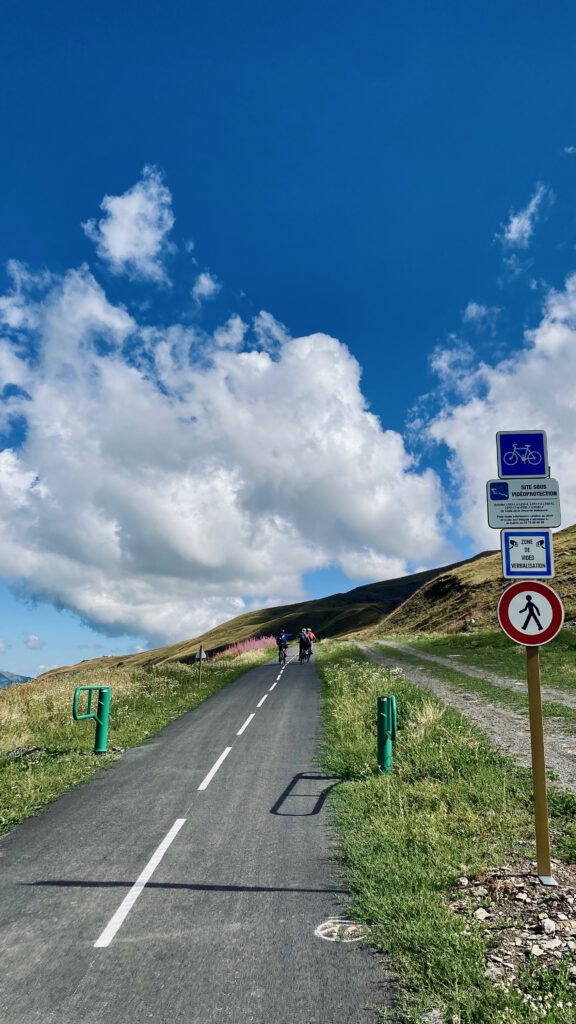
This is a beautiful project where money is being spent on reinventing a mountain climb. La Tougnète, along with Col de la Loze, is a project by Les Trois Vallées. It's ambitious! From Moûtiers Heading towards Les Ménuires, you’ll climb 2,052 metres in altitude at an average gradient of 9.8%. What’s the maximum? 27%. That’s the steepest gradient of any of the Savoie climbs in the data. What’s more, you’re 24.3 km above the 5%. Outside the Tour circuit, this is one of the toughest climbs in this selection. An added bonus: it’s car-free
You can read Ruth's blog about la Tougnète below. She already went on a trip a few years ago. What a monster climb!
3. Col de la Loze
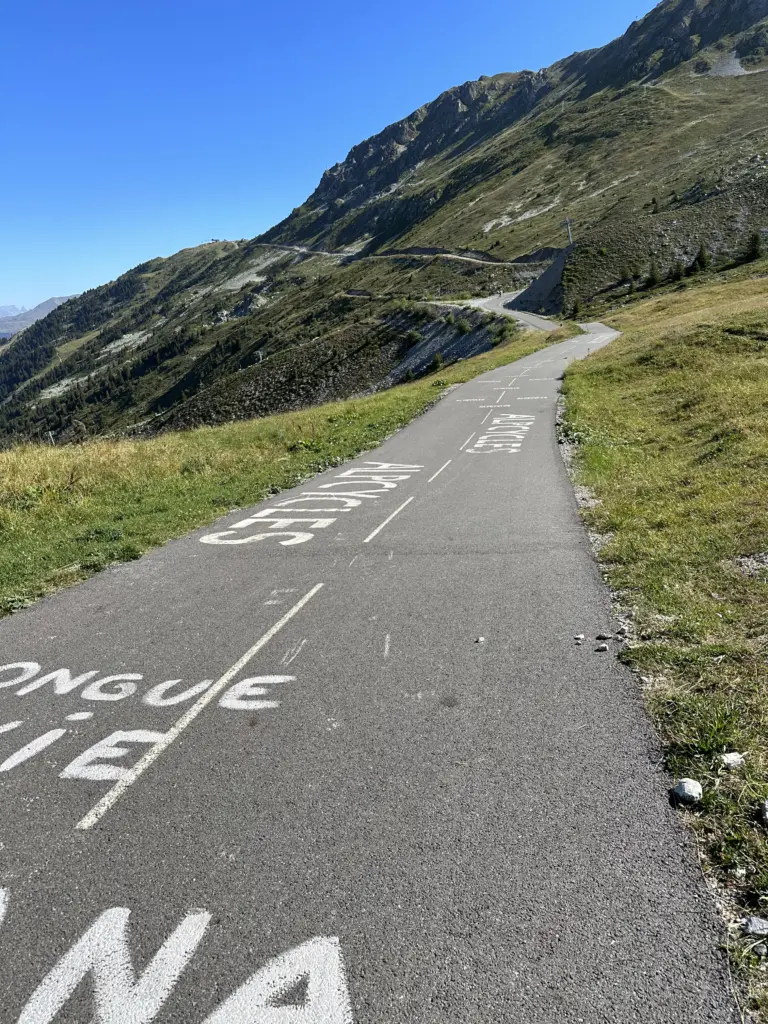
In recent years, a lot of money has been invested in developing Les Trois Vallees. The Col de la Loze is the result of that. All the villages in this valley claim the col. It is car-free, just like Tougnete.
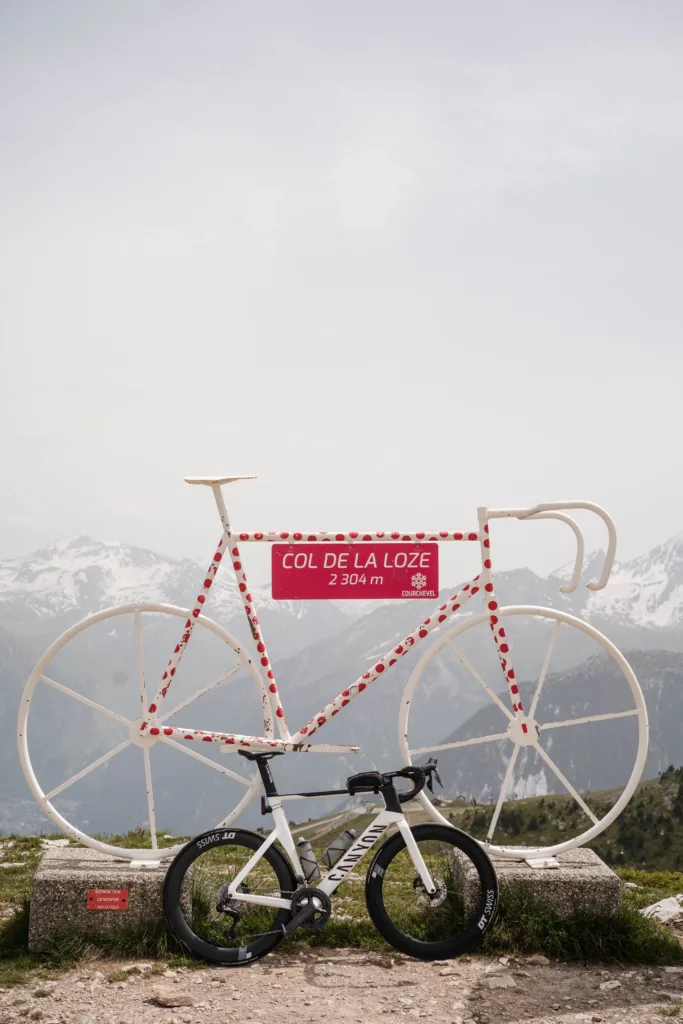
The west side from Moûtiers via Méribel is 28 km long, with 1,834 metres of elevation gain, an average gradient of 6.5% and peaks of up to 18%. The special cycle route above Méribel averages 9.3% over 7.1 km. The summit is at 2,304 m. This gruelling climb is a massive challenge for any amateur. Especially the final section, which is a sort of straight line to the summit.
Also read the Dennis's experiences.
4. Col de la Madeleine
From The Chamber You’ll cycle 19.3 km at an average gradient of 7.9%, covering 1,522 metres of elevation gain. The route from La Lechère features a final 12 km section at 7.4%, with stretches reaching up to 10%. The summit at 1,994 m makes the final stretch particularly gruelling after a long descent.
5. Col de l’Iseran
You absolutely have to do this one at some point, right? It's the longest climb in France and the highest paved mountain pass in Europe. Cime de la Bonette is higher, but that's not a mountain pass. For the connoisseurs. From Bourg-Saint-Maurice you ride 46.8 km (!), gain 2086 metres in altitude and finish at 2770 m. The average gradient is lower than the top four, but the combination of length and elevation makes this a significant battle of attrition.
6. Col de la Croix de Fer
‘The Iron Cross is a true Alpine classic. The northeast side from Saint-Jean-de-Maurienne results in an elevation gain of up to 1,662 m, with 6.2 km above 10%. The western section from Rochetaillée stretches for 32.1 km. The difficulty of this climb lies in its variety: flat sections that give you hope, followed by stretches that just keep going.
7. Col du Glandon
The third most climbed col in France on CyclingCols (measured by unique cyclists). From Rochetaillée Is this a solid Alpine climb that, while overshadowed by its neighbour Croix de Fer, is challenging enough in its own right.
The steepest Tour de France climbs in the Alps
For the toughest Alpine climbs with Tour history, the order looks like this:
- Col du Galibier – 64 Tour passages. North side: 18.2 km, average 7%, maximum 9.5%.
- Col de la Loze – Made its Tour debut in 2020; has also been included in 2023 and 2025 since then. West side: 28 km, average gradient of 6.5%, maximum gradient of 18%.
- Col de la Madeleine – First appearance in the Tour in 1969; has since featured 28 times. La Chambre section: 19.3 km at 7.9%.
- Col de la Croix de Fer – 22 Tour stages. North-eastern section with 6.2 km above the 10%.
- Col de l'Iseran – 7 Tour stages (up to 2019). Longest climb in France at 46.8 km.
- Col du Glandon – 15 Tour stages. Solid on their own merits, extra painful as a starter for the Croix de Fer.
Are you going to Alpe d'Huez?
Alpe d'Huez It’s iconic, its 21 bends are legendary, but by this measure it doesn’t rank amongst the top climbs. At 14 km, with an elevation gain of 1,018–1,122 metres and an average gradient of 7.7–8%, it is a shorter, less demanding climb than those in the group above. As part of the Tour’s heritage, it remains exceptional, but in terms of difficulty, it does not make the cut.
The same applies to the Col du Télégraphe (12.1 km, average 7%, max 10%), which often serves as a warm-up for the Galibier and, by this measure, does not belong among the top climbs.
Which one suits you?
If you're looking for the toughest all-rounder, grab the Galibier. Do you want a steep modern Tour climb, ride the Col de la Loze. If you're looking for an outlier with absurd peak percentages outside the Tour circuit, look at La Tougnète.
One Response
Which will you do? Or have you already done them all?