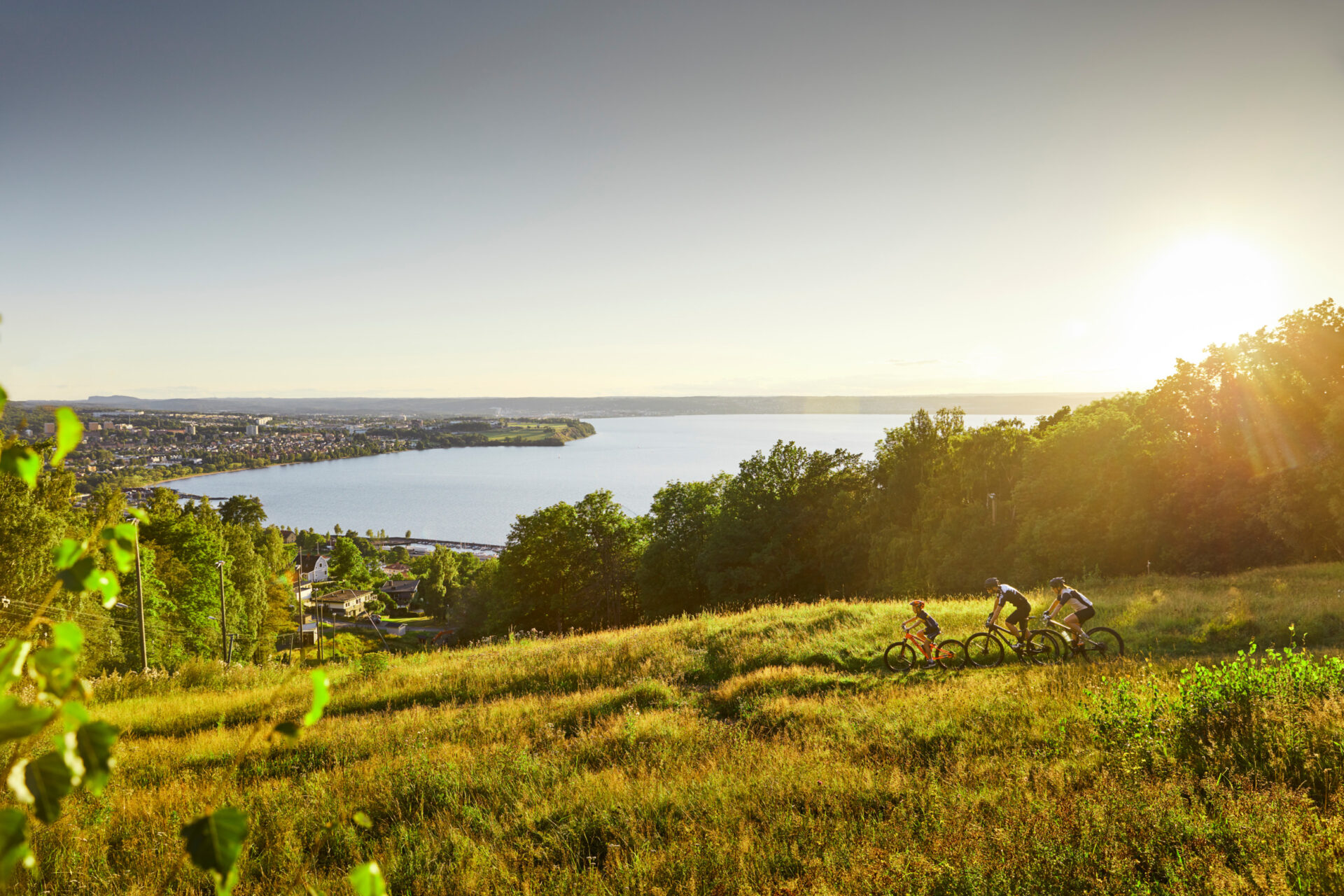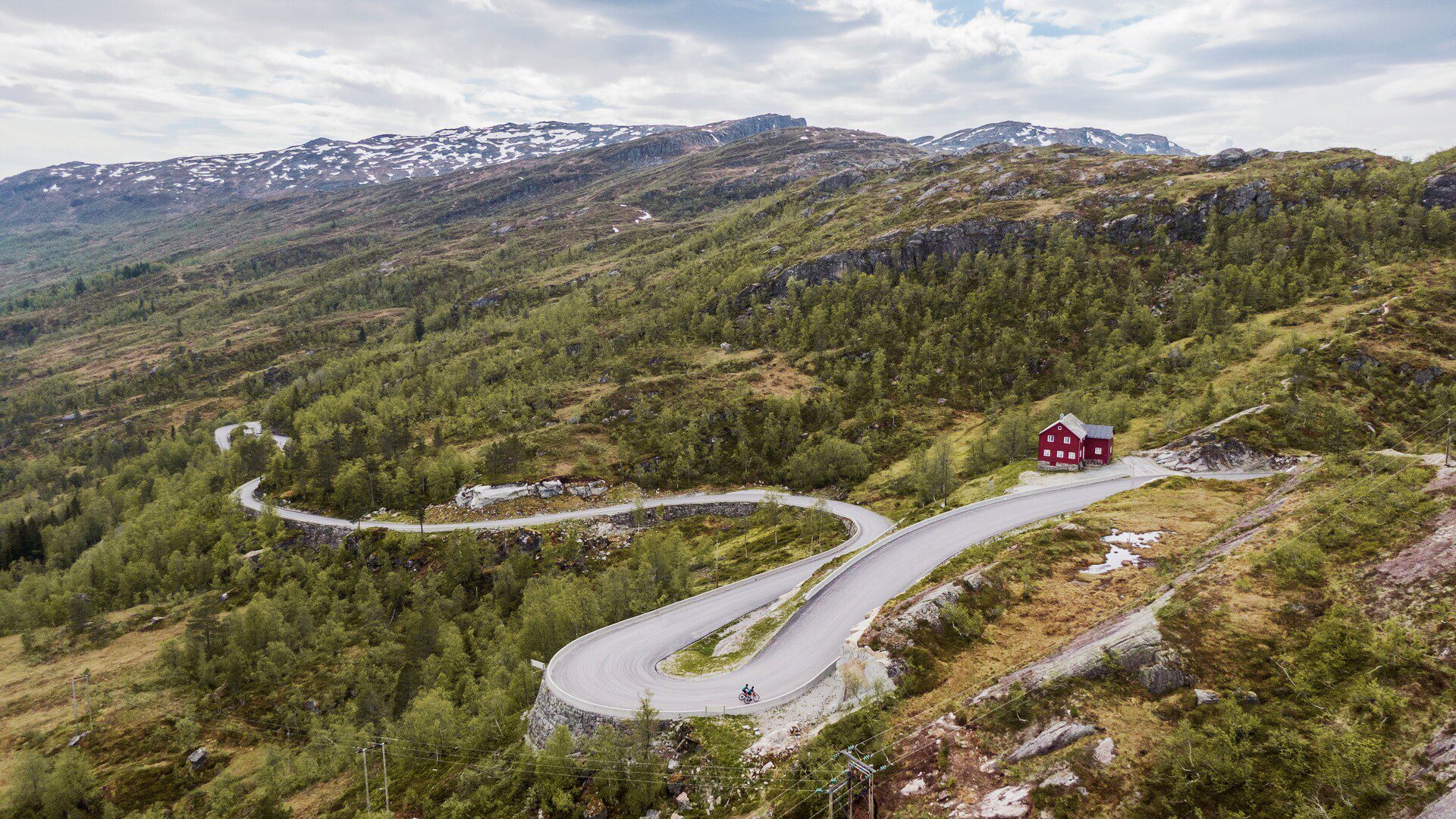
It's the end of March, the weather in the Netherlands is being difficult again, and you're scrolling through destinations that are already good for a ride. The Valencia region pops up. Valencia: a beach city, right? Correct. But also: watery areas, forest paths, natural springs, and some nice inclines. Valencia is a real cycling destination, so definitely not just city and beach, but also beautiful cycling. We delved into the routes.
The city of Valencia and the area around often markets itself as a sun destination. Logically, with its Mediterranean climate and endless coastline. But for cyclists, the real strength lies elsewhere: the region surprisingly quickly shifts in character. You can ride through a flat city park in the morning, along dunes and a freshwater lake in the afternoon, and the next day you'll be climbing on forest roads between the sources of the Sierra Calderona. All without moving. One base camp, three beautiful routes.
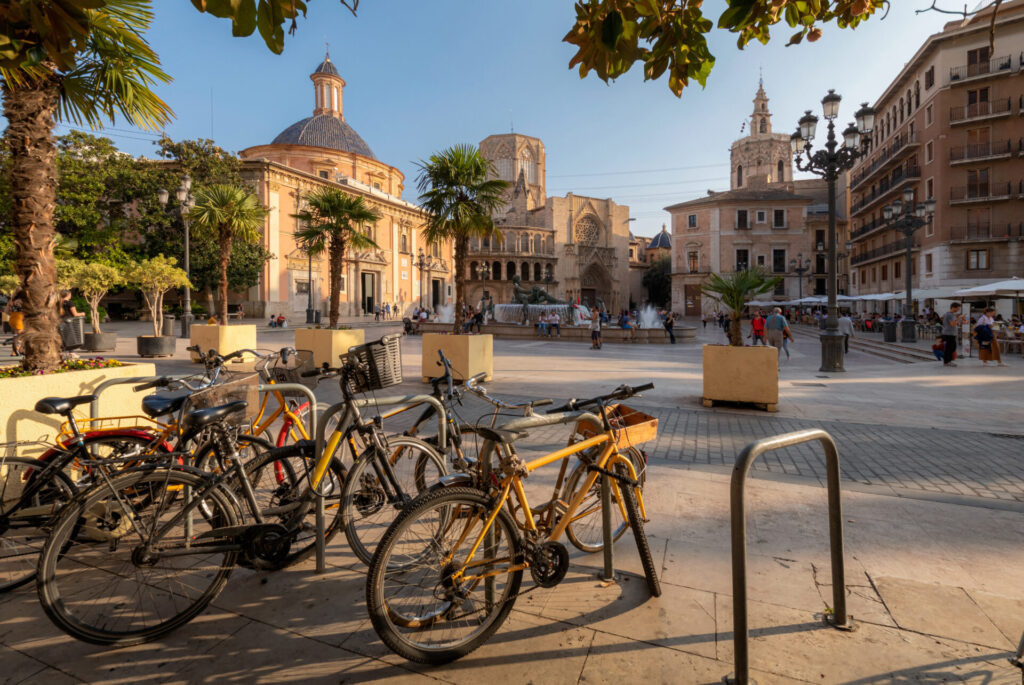
Flat city makes Valencia a true cycling destination
The city of Valencia is almost completely flat and has around 200 kilometres of cycle paths. A classic route is along the old Turia riverbed. This has been transformed into a continuous park that cuts right through the city. As a cyclist, this provides you with an uninterrupted corridor from Cabecera Park to the City of Arts and Sciences And finally, the coast. It's quite busy, so not ideal for interval training, but that's not what it's for. It's a cool way to discover the city. Along the way, you'll pass the Torres de Serranos, the cathedral, the Palacio del Marqués de Dos Aguas, and the port. All on a cycle path, without interruption from cars.
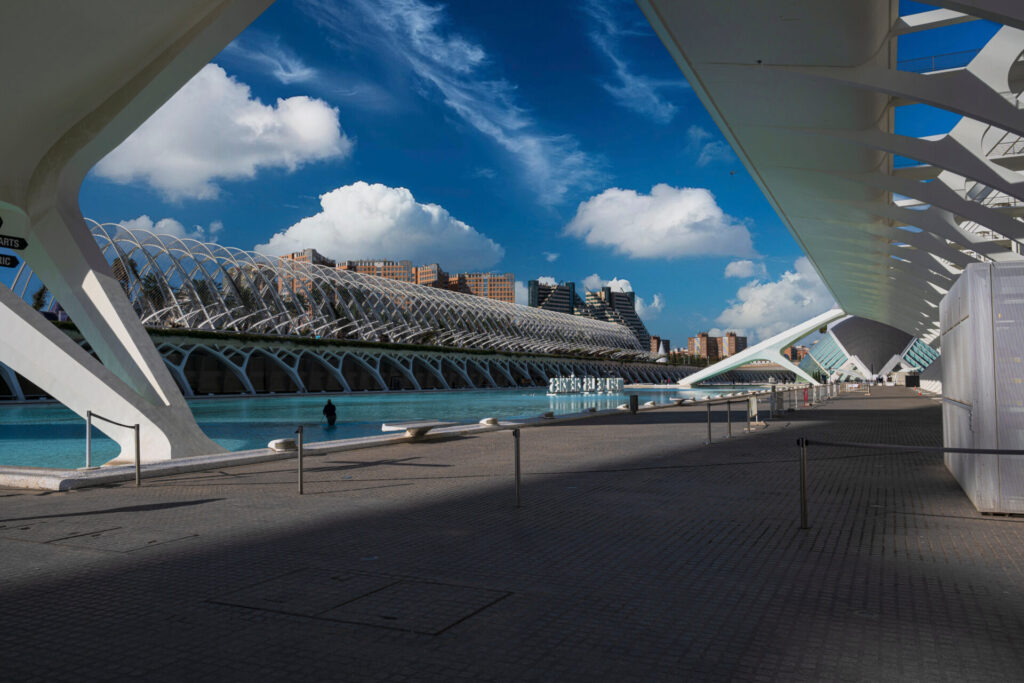
The historic centre is designed for low speeds, and the route from park to monument to sea follows a kind of logical line. For a first day, this is ideal for getting to know the city, getting into the mood, getting your bearings, and then finishing at the beach.
L'Albufera: secretly very beautiful
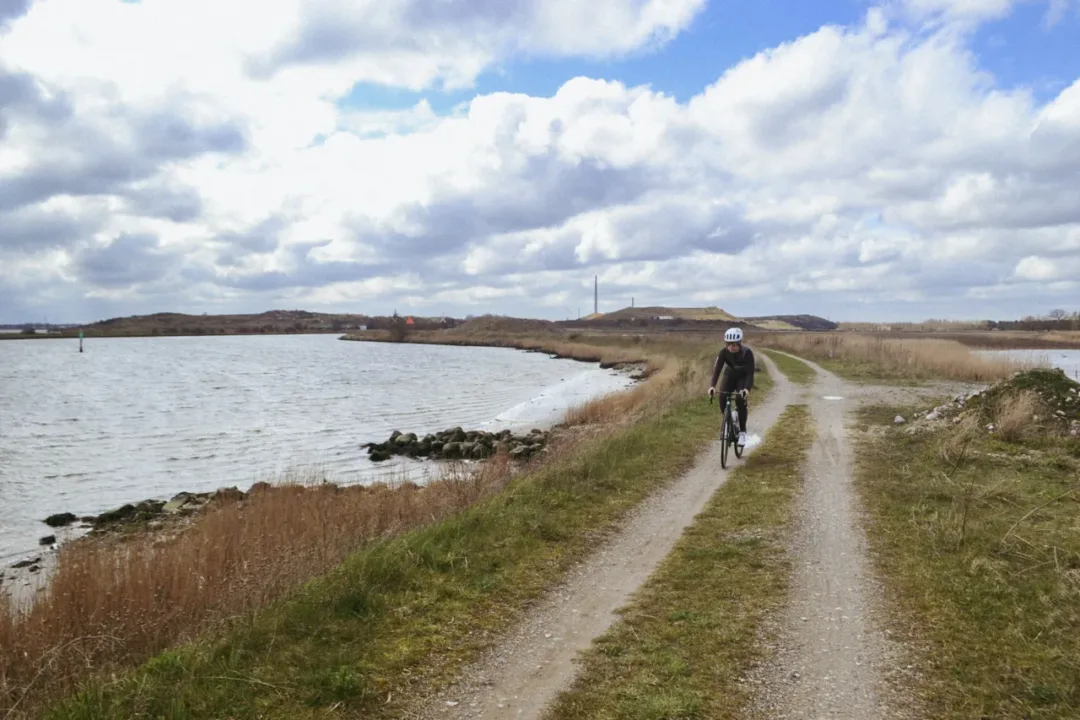
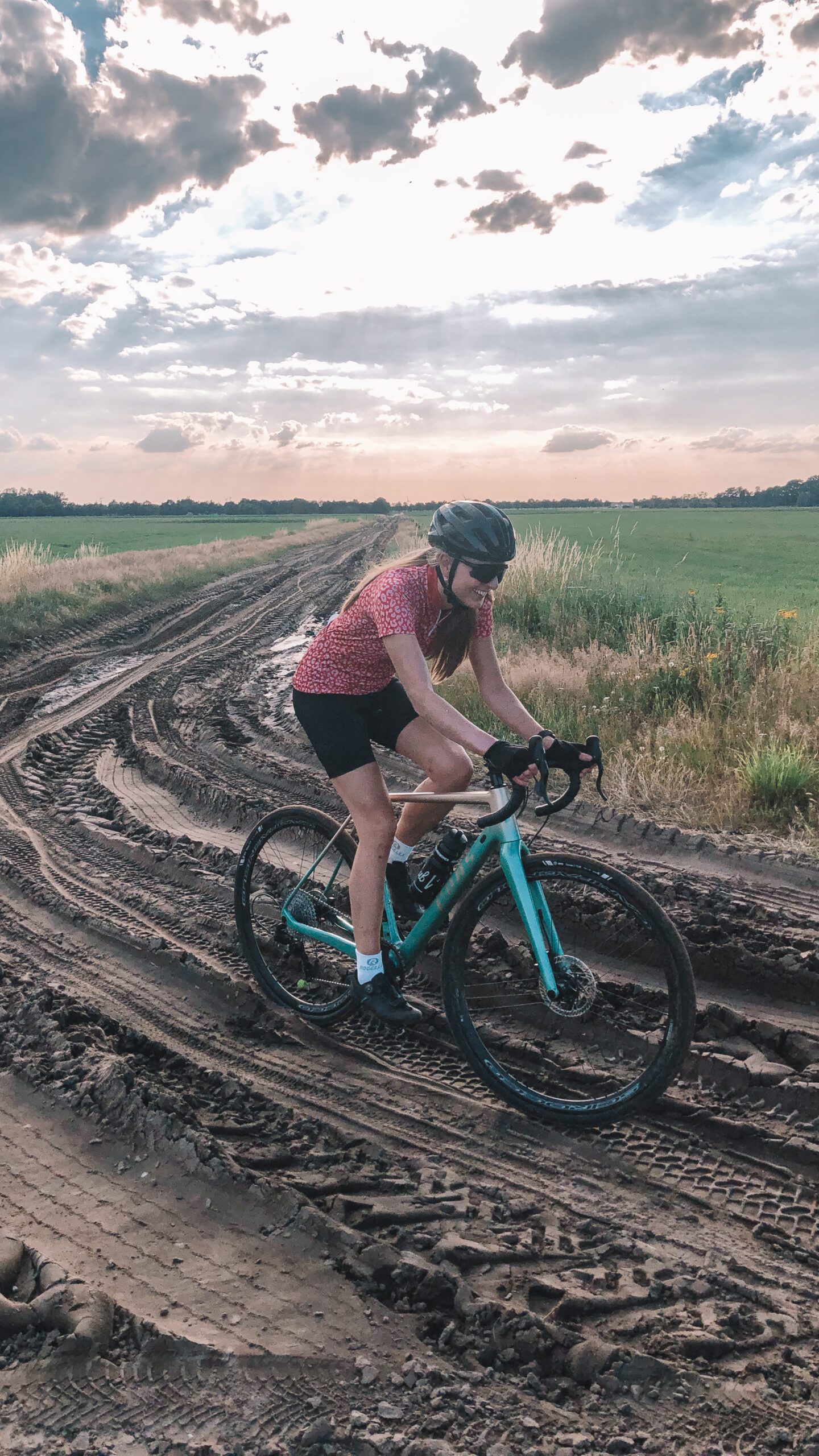
Once you've tackled the route along the river, it's time to head out of town. Valencia truly reveals its beauty as a cycling destination where the city ends and nature begins. From the City of Arts and Sciences drive south towards Pinedo, El Saler and the Albufera Natural Park. It's a route of almost 70 kilometres in the summer and around 63 km in the winter, through a protected nature reserve, and the landscape changes constantly: beach, pine forest, sand dunes, rice paddies, and then the lake itself, the largest freshwater lake in Spain. You'll definitely need your gravel bike here, as you're sure to encounter some lovely gravel paths.
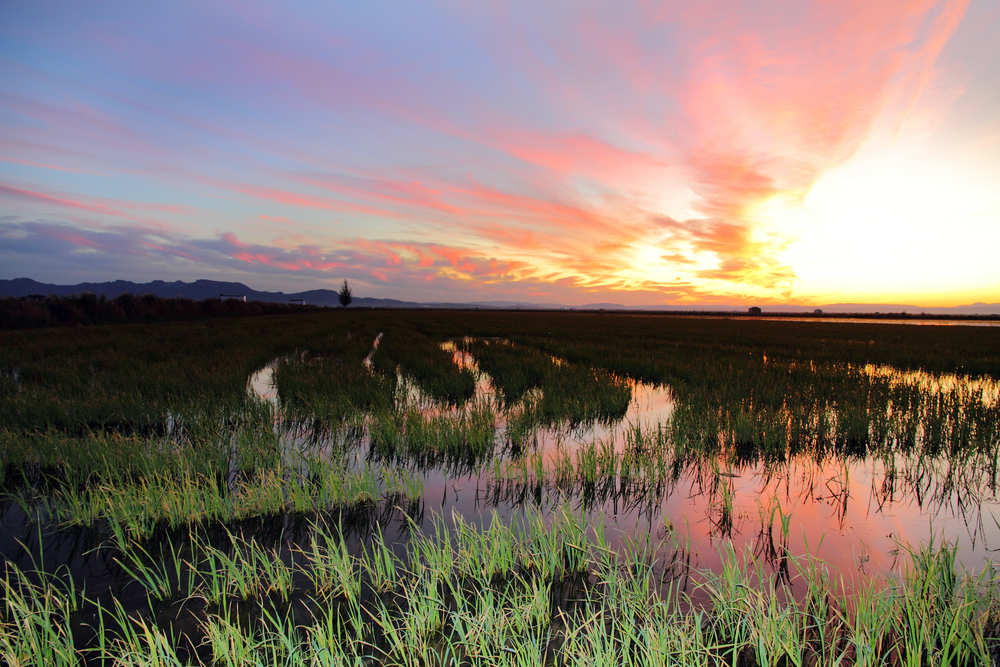
The official Albufera route system is fine to ride. There are downloadable GPX and KML files available, and a distinction is made between a summer and winter variant. The summer route runs from the second week of February up to and including September, the winter route from October to the first week of February. This sounds like a detail, but it tells you something about the destination: this is not a vague “just go for a drive” area, but it has been thought through.
Now 70 kilometres may sound modest, but most cyclists take longer than planned. The Gola de Pujol with its jetty, the view over the lake, La Devesa de El Saler as the only unspoiled beach in the municipality – you’ll stop more often than you think.
Serra Calderona: when things can get more serious
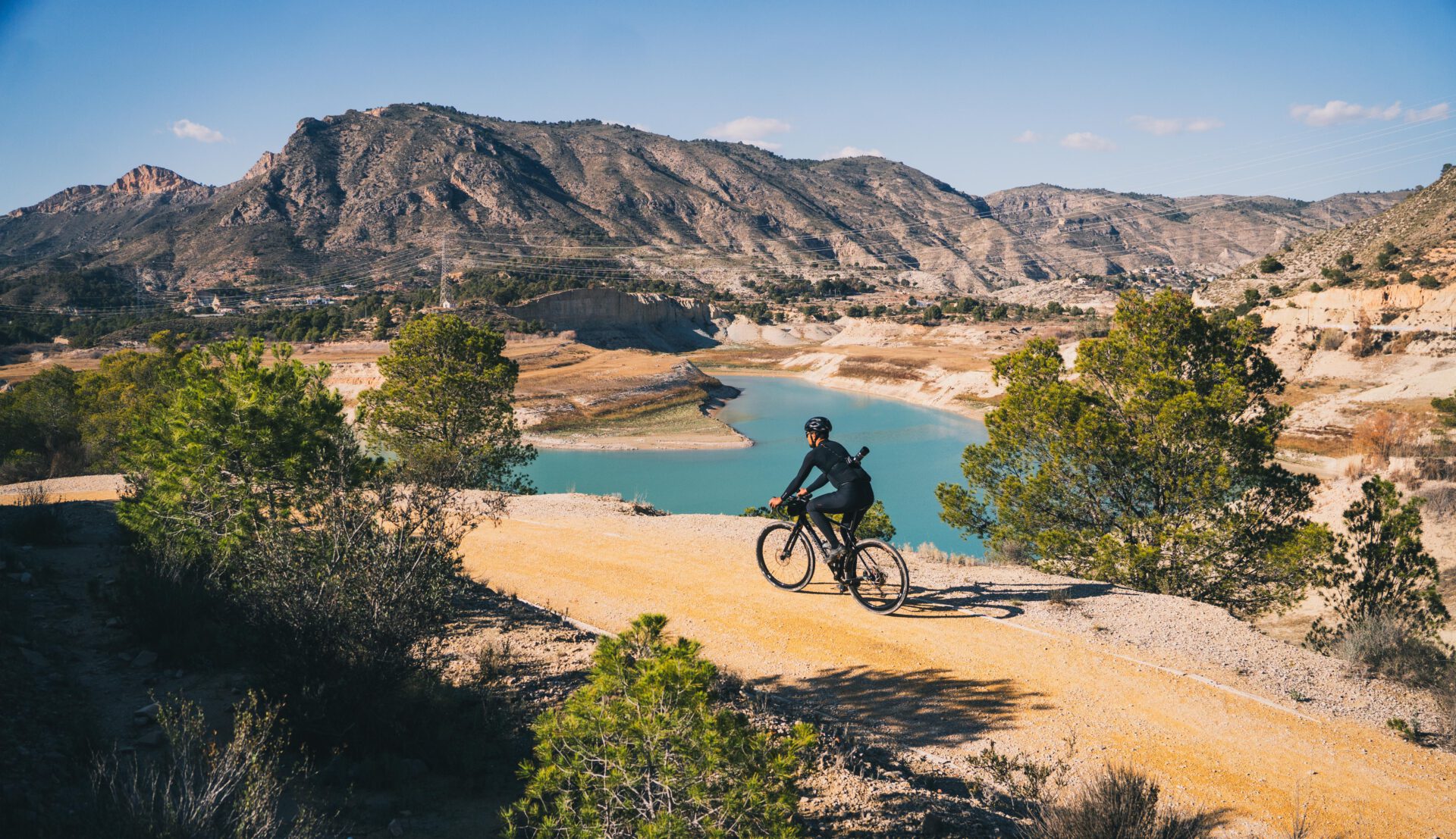
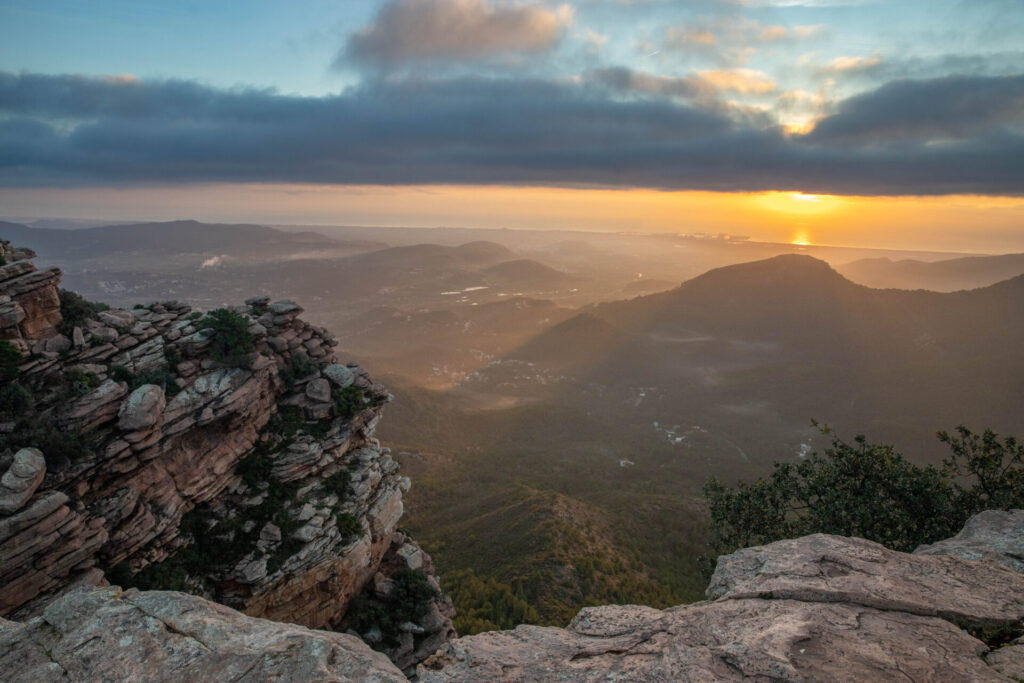
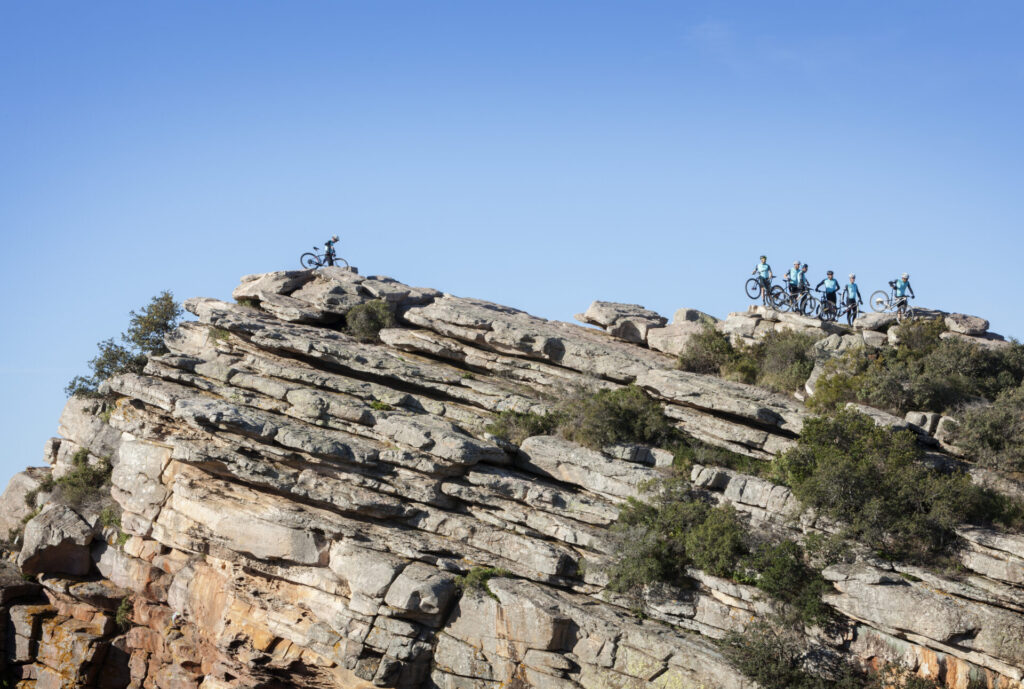
And then there is the interior. The Sierra Calderona It lies a short distance from the city and here it becomes truly beautiful. You won't find any flat city routes here. These are beautiful forest roads, springs, and you'll find lovely climbs that reward you with magnificent vistas.
If you want a rapid introduction to this part of the region, there is the Official Olocau RouteThis is only 5 kilometres, taking 2 hours to walk, for a practiced cyclist it’s a 20-minute effort and you can also ride up it. The route combines archaeology, agricultural landscape and geology – you ride from red sandstone to white limestone – with views over valleys and remnants of cork oak forests. It’s a short route, but very beautiful.
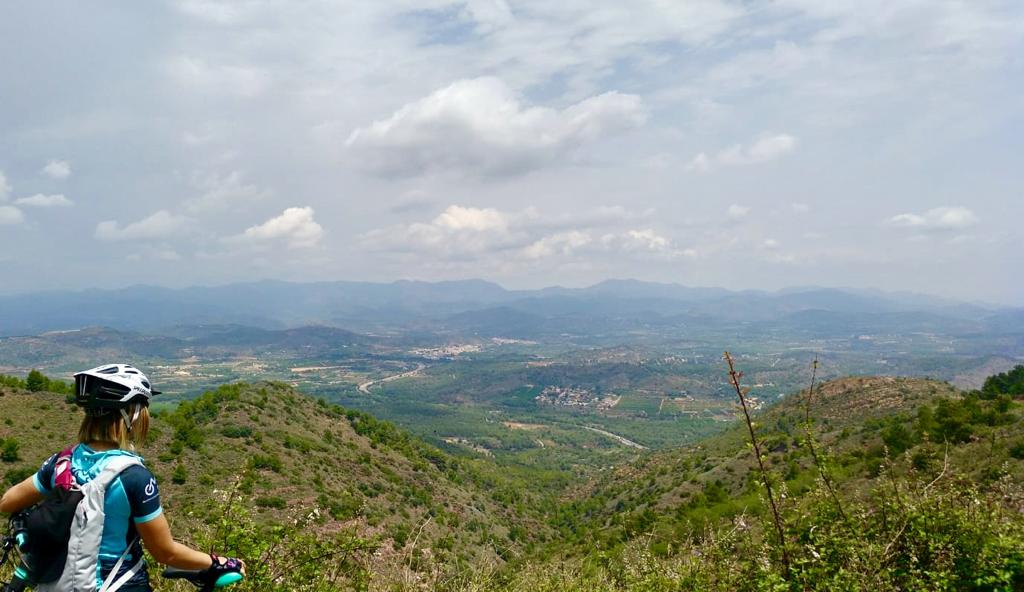
What more someone wants, they take the Route along the springs of Serraa round of 38 kilometres over beautiful unpaved and paved sections. You'll be kept busy with this for a while.
The route connects sources such as Umbria, The Mastic Tree, Watercress and The Drop, passes the Carthusian monastery of Porta Coeli, and then descends again to Serra. Cycling is only permitted on the forest roads, and you will have to brake on the descents. A maximum speed of 30 km/h applies here.
This terrain offers a challenge for gravel riders and mountain bikers: variety in surface, it is hilly, and the landscape has nothing to do with the coast anymore. The combination makes it attractive though: close to the coast, yet completely different.
Best travel time
The climate makes Valencia a delightful cycling destination from early spring to late autumn. Winters are mild and often sunny; the only period you might prefer to avoid is midsummer, when it can get very hot. The sweet spot for cycling: March to June and September to November. Then you have lovely sunshine without the worst heat.
PracticalTo get around the city, you can use the extensive bike-sharing system (Valenbisi, around 300 stations). For a great cycling weekend, you'll naturally opt for a gravel bike or road bike.
Do you want to leave your own bike at home? Then there is bike rental at multiple locations. One tip is, for example Cycling Hire. Do you have a stretch to cover? On weekends, you can take your bike on the metro for free across the entire network.
Official routes in Albufera Park are downloadable as GPX (see above). The Serra Calderona routes are signposted and documented via the natural park.
This makes Valencia an unusually complete basecamp. You have urban infrastructure, nature trails with seasonal information, and mountains – all accessible without a car.
SleepNaturally, Valencia also has cycle-friendly accommodation. One of the tips is the Olympia Hotel, where a separate bike storage and maintenance area await you.
In conclusion
Valencia feels like a destination where one trip is enough to get to know the coast, but not enough to explore the interior. The combination of flat city comfort, the long Albufera loop and the rougher terrain of the Sierra Calderona makes it more than just a beach town on two wheels.