
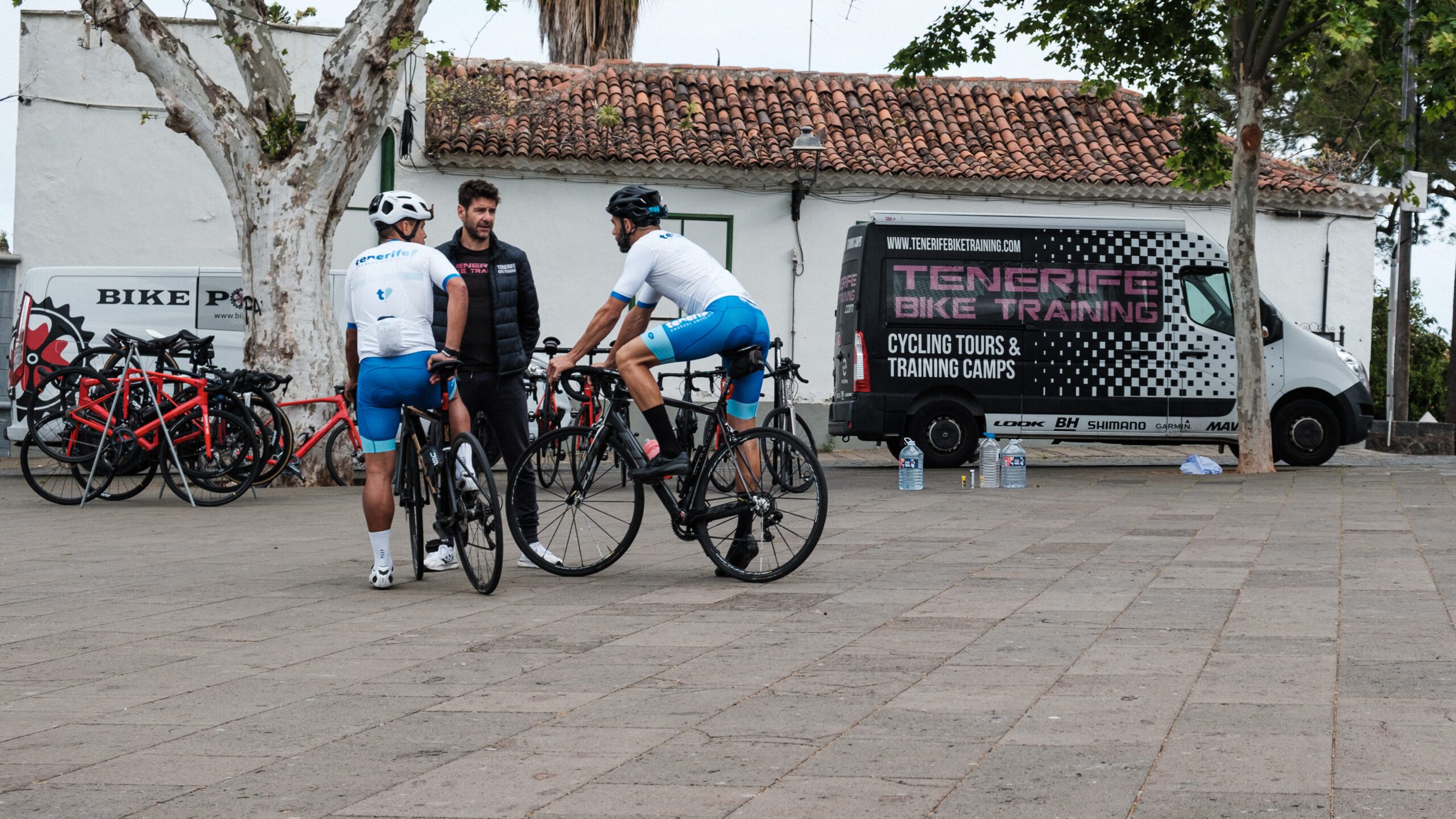
If you are going on a cycling holiday, you always have the option of bringing your own bike. You can also rent a bike at your holiday destination. We are writing some handy tips and considerations for you, so that you can either bring your own bike or choose a rental bike. Additionally, there are also some lessons learned. Spoiler: don't do what Sander did, who rented a bike in the Netherlands and returned it in Belgium. Bike lost in Greece Read on so that you can make an informed decision for your next cycling adventure.
Bring your own bike if possible
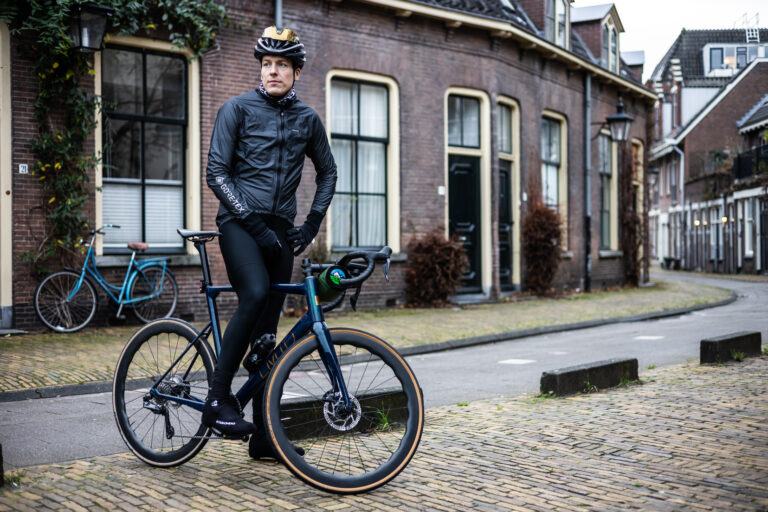
There’s nothing more pleasant than riding your own bike. Especially if you’re going somewhere for a week or more. Your own bike feels familiar. It’s been perfectly adjusted based on your measurements. You also know exactly how it feels and what it does in curves and descents. That’s really nice.
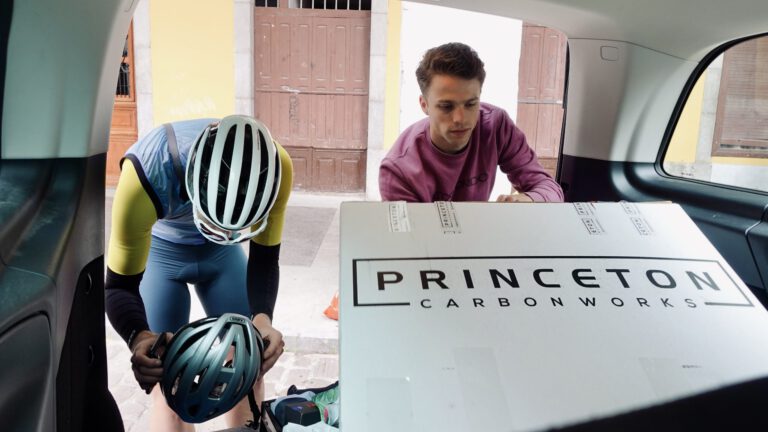
If we go by car, the bike automatically goes along. If you’re alone, the bike almost always fits in the back of a car, whatever size it is. If you’re going with two people or with your partner, a Seasucker Mini Bomber A welcome solution. Fits on any roof, any car, every time. So if you’re switching to a new car, or are traveling with someone, you don’t have to buy a completely new set of roof rails and accessories.
The rule of five for flying
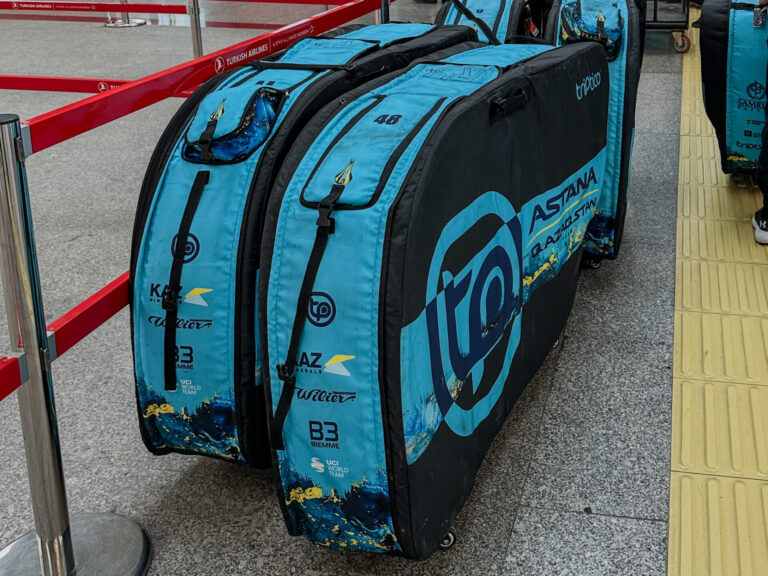
If you are going to fly and you want to bring your bike along, there is the ‘five-time rule’. If you cycle at least five times, it is worth the cost of transporting your own bike. Our experience with Transavia is very good. Taking a bike bag into the hold costs €49.00 per flight on Transavia, so for a return trip you pay €98.00.
Choosing and packing a bike bag
The bike bag is something you shouldn't skimp on. A expensive race or gravel bike deserves optimal protection. If you don't fly often, renting a bike bag is the best option. Consider, for example, MH Rental or Sportrental and then go for the Scicon Aerotech. This bike bag offers more protection than many other bags. For added protection, you can put a roll of bubble wrap and two sheets of foam rubber in it. We would also put the rear derailleur, handlebars, front and rear forks in bubble wrap.
For most bike bags, you take the wheels off and also remove the handlebars, pedals, and saddle post, including the saddle. I wrap the saddle post and pedals in bubble wrap and put them together in a bag that is intended for bicycle parts. This bag contains all the parts that have been disassembled and are therefore no longer on the bike. Always check this bag before closing the case. This way you know if you have everything. Also always check your Packing list.
I place the foam rubber plates last on both sides to protect the bike even more from falls and bumps. Just imagine that it happens all the time with the suitcase! The people who handle the luggage don’t feel the same way about your bike as you do…
Renting a bicycle
Then renting a bike. If you’re going somewhere for a long weekend and you’re only going to ride the bike less than five times, then go for a rental bike. Reviews from the bike rental company are always good to read. We’ve already had very positive, but also very negative experiences with renting a bike, and in most cases you can quickly see from the reviews how customer-oriented the organization is. A good bike rental is characterized by:
- An offer of different types of bikes, preferably also with entry-level models and high-end models. Unless it only focuses on high-end models, but even then you want choice.
- You have to provide a number of bike sizes in advance. That means more than just how tall you are and what kind of pedals you have. Ideally, we always recommend a bike fitting. You really want to specify at least your desired ‘stack and reach’.
- Communication is fast and professional: if there is any confusion, you will be contacted. Preferably, they will indicate which bike is available for you. So if you choose a Specialized Roubaix, for example, you don’t want to be stuck with a different model.
- With issues, solutions are sought immediately. Better not have to say: ‘yes, but you didn’t use the bike properly’. Then you know you’re in trouble.
It is useful to contact them in advance and ask some targeted questions. Send your stack, reach and other bike fitting sizes. Take a look at how they react. If there is no response or a vague response, without for example: ‘we have this size for you, or these options, etc’, do not be afraid to cancel your reservation and look for another option.
The five-minute check when picking up
Whether you’re in Bormio at the bottom of the Stelvio or starting a gravel adventure in Girona: you always do this check.
- Tires – sufficient tension, no visible cuts or wear. Always ask for a replacement if you’re not sure. Your feeling and your bike are the only ones that matter.
- Brakes – check both levers, do the wheels stop immediately? Can you pinch the shifters against the handlebar? (That’s NOT good). And check when renting from a British rental company: is the rear brake on the right and the front brake on the left? Or is it the other way around?
- Chain and circuit – no flimsy chain, shifts smoothly through the entire cassette
- Seat height and reach – prepare everything before you leave, not on a descent on the way. Do a test ride and if you’re not comfortable, arrange it right away. Saddles are also very specific. If you really want to be sure, bring your own saddle. Otherwise, you’ll have to hope for a good saddle at the rental.
- Tubeless or inner tube – ask what’s in it and whether you’ll get a spare tire or a plug kit.
Bring your own saddle and pedals
If you rent a bike on location, there are two things to consider:
- Bring your own saddle
- Taking your own pedals
Even if you have a super bike, you don’t know if the saddle is suitable for your ergonomics. And nothing is more annoying than having to end your adventure prematurely because of pain in your lower back. An extra tip for women, because specific women’s saddles are available. almost NEVER You can get them for rent. So bring your own saddle if you know you are sensitive to it. Also bringing your own pedals can prevent any unpleasant surprises when fitting them in. Or at least you can find out that the rental company doesn’t have your pedals. Better safe than sorry.
Insurance, liability and what goes wrong
This gets serious here. With most rental shops, you are fully responsible for damage to the bike. Theft, a fall, a damaged wheel after a pothole: it’s all on you. With a carbon racing bike, you’re talking about hundreds to thousands of euros pretty quickly.
Some landlords in the Alps and Dolomites include basic insurance in the rental price. Always ask explicitly about it. What does it cover? Is there a deductible? Does it apply in the event of theft?
Also, check your own travel insurance. Does it cover the rented sports equipment? Also for your liability insurance: does it apply abroad? In many cases it does, but the terms and conditions vary from insurer to insurer.
Helmets are not legally required for adults everywhere in the EU countries. At serious rental companies, you can almost always get one, but it’s best to bring your own: it fits, you know it, and you trust it. And if you’re going on a mountain hike with 80 people, you’ll want to wear a helmet.
Conclusion
In short, here are the recommendations in a nutshell.
- If you are traveling by car, bring your own bike and if necessary, use one or two of them. Seasucker Mini Bombers. You can put that in any car, even if you don't own a car yourself. Ideal.
- If yes, then follow the five-ride rule. If you have more than five rides, bring your own bike in a Scicon Aerotech or in a variant that takes up slightly less space at home, for example a Thule.
- To pack a bicycle basket, you use bubble plastic and two foam rubber plates to provide extra protection for fragile parts.
- When you a bike to rent, Always check the reviews and send a message. Also always check which bikes they offer. Are they newer models? Or are they the latest in the line?
- Do you go to popular destinations like Mallorca, Calpe, Tenerife If you're in Gran Canaria, you often have plenty of choice. Then rely on organizations you know, such as Fred Rompelberg in Mallorca, Pro Cycle Hire, Eat Sleep Cycle, Cycling Friendly Bikepoint Tenerife.
Questions & tips
Do you have any questions about this route, or have you been there yourself? Share them here. We read everything and usually respond within a few days.