
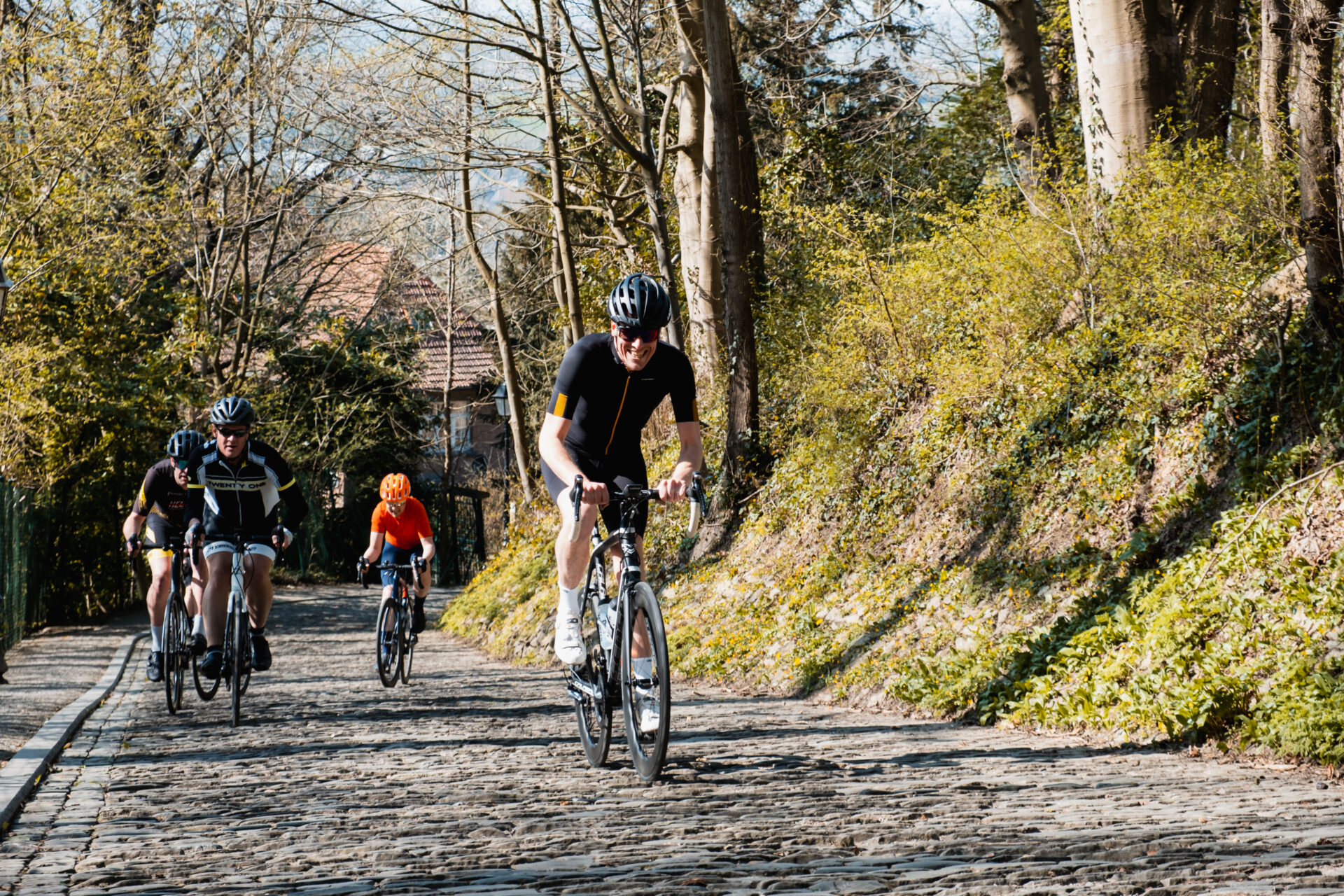
Nowhere in the world is the ‘race’ experienced like here, in Flanders. Italians are passionate, Spaniards are loud, French are chauvinistic (and loud), but in Belgium, that’s where the heart of the race beats. In the period between late February and early April, this heart beats more strongly than usual. With the Omloop Het Nieuwsblad as the starting point and the Tour of Flanders as the absolute highlight. With each race, there’s a little more life in the Flemish cycling heart. From Kuurne-Brussel-Kuurne, the E3 race, to Nokere Koerse, Dwars door Vlaanderen, the Scheldeprijs, Classic Brugge – De Panne. This makes Flanders so special, so beautiful, and with that a sought-after destination. We take you on a journey.
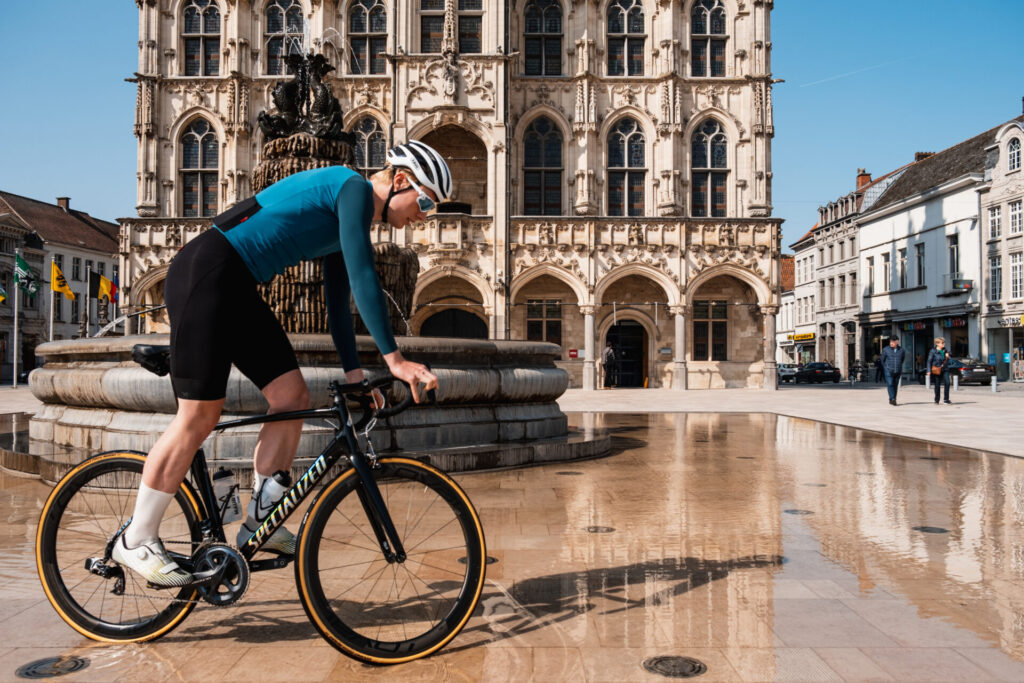
It all starts in Oudenaarde
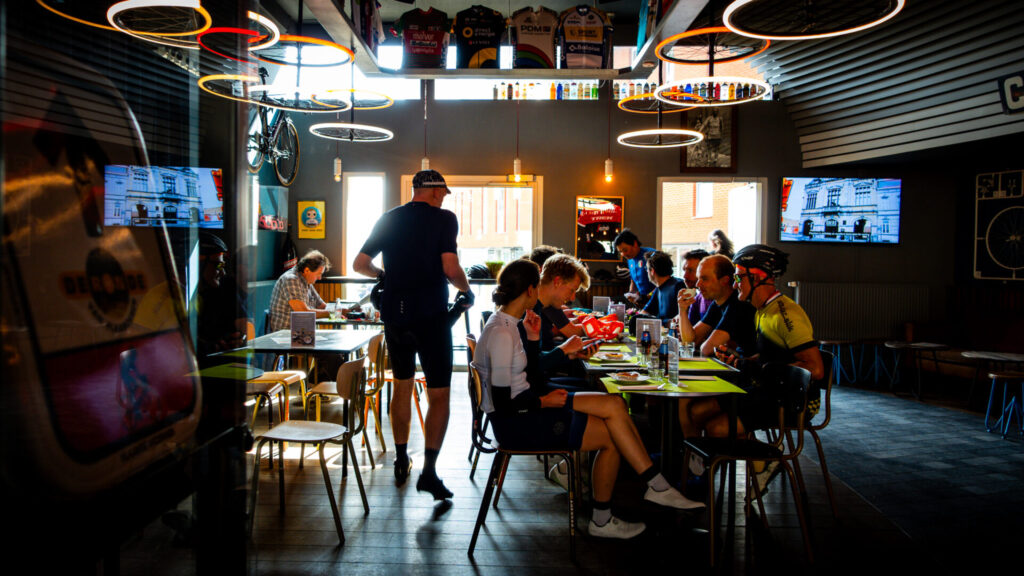
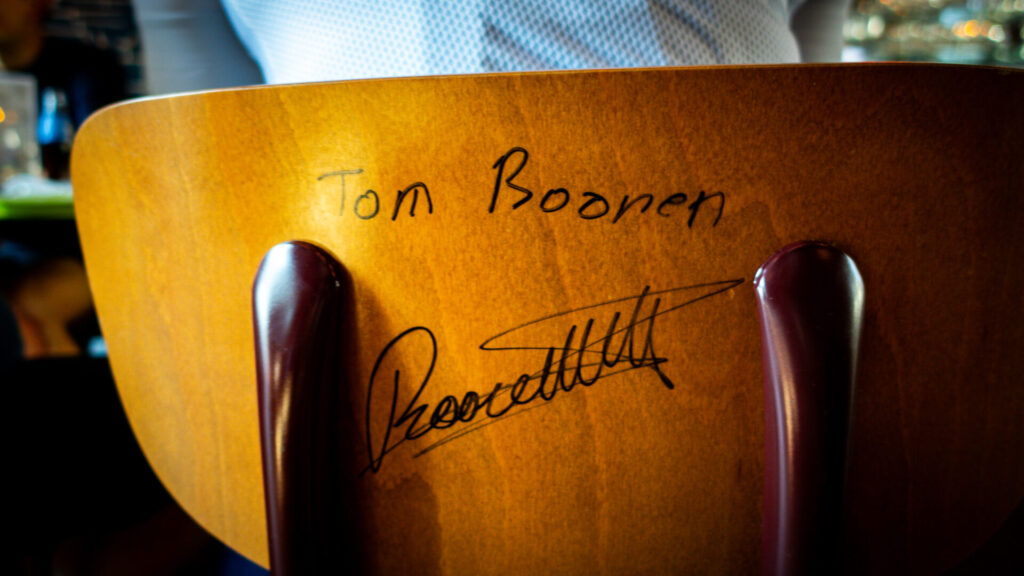
For those who want a quick course in ‘the course’, the Centre of the Ronde of Flanders is the perfect starting point. Here you will learn everything about the Ronde, its history, the winners and losers, and the most important piece of cycling history in the shortest time possible. If you have your bike with you, you can also start from here on one of the circuits (red, yellow, or blue) that lead you along the most famous climbs of the Ronde. It all starts in Oudenaarde, so the course itself too. If you’re there anyway: have a cup of coffee in the Peloton café and sit in the seat of your favorite winner or winneress. Each seat has its own signature!
Read also:
- In the footsteps of the Tour of Flanders
- The heart of the Tour of Flanders: the Oude Kwaremont and Paterberg
The round is nothing without the Wall
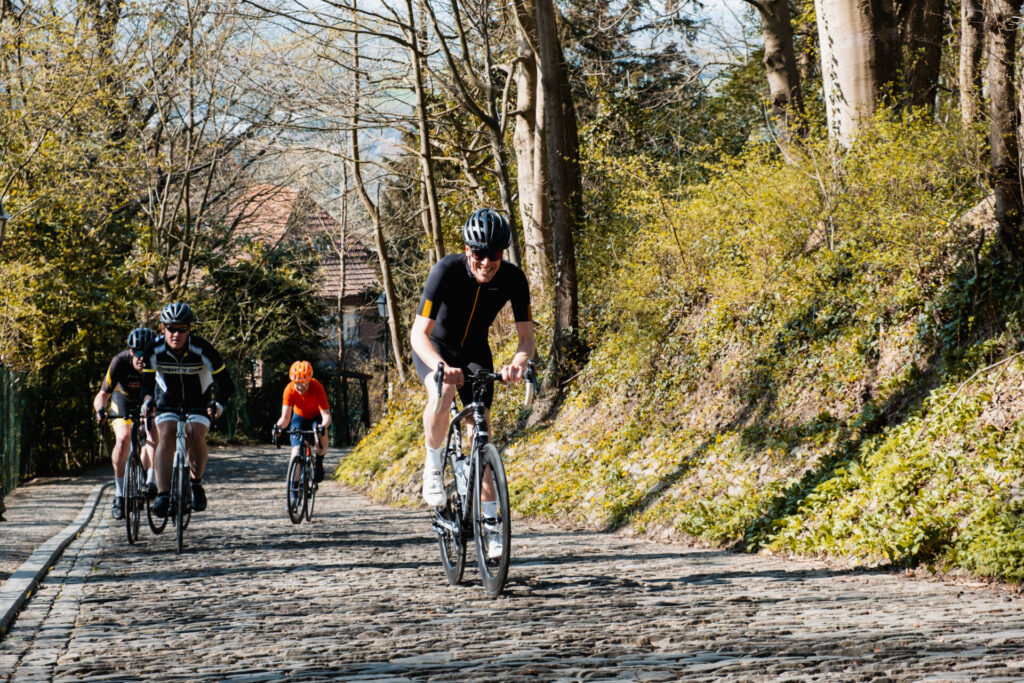
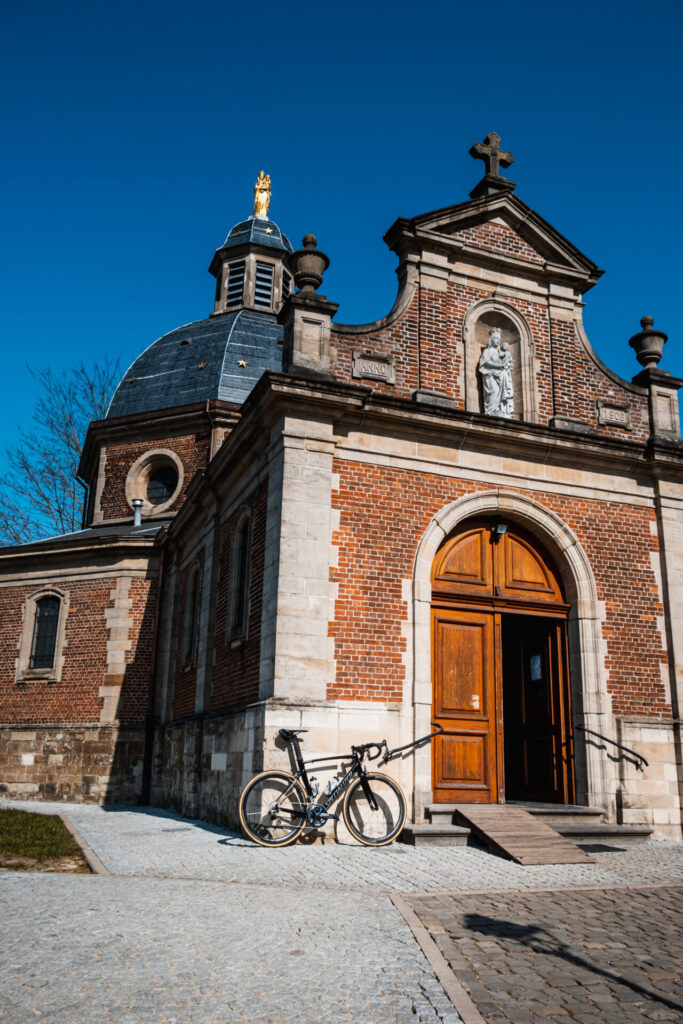
If there is one place that perhaps embodies the greatest shrine in the Flemish cycling world, it is De Muur. In cycling, there is only one De Muur. The rest is always mentioned in full, such as the Muur van Hoei, the Muro di Sormano, and even the Berlin Wall. But when we talk about De Muur, it always refers to Geraardsbergen. Officially it is called the Kapelmuur, which also refers to the chapel that stands atop it. In reality, it is long stretches of bumpy gravel. Whether it is the stories of the past, when the race used to go through here, or the one elusive sprint by Cancellara against cycling legend Boonen. Of Museeuw, d’n Eddy Merckx, and other Flandriens. De Muur is a pilgrimage site for cycling fans and tourists. You have to have been there at least once.
Old Kwaremont
When I take my place in the sponsor’s tent on a Sunday morning, everything is still calm and peaceful. In a few hours, the riders and riders will be zooming past here. Now everything seems calm. Coffee is brewing, croissant, newspaper. A Sunday in Belgium, as a Sunday should be. Through my peripheral vision I see a familiar movement. A pump is being turned on, a lever is being lowered. I look at my watch: it’s 09:30. The first ‘Kwaremont’ has been completed.
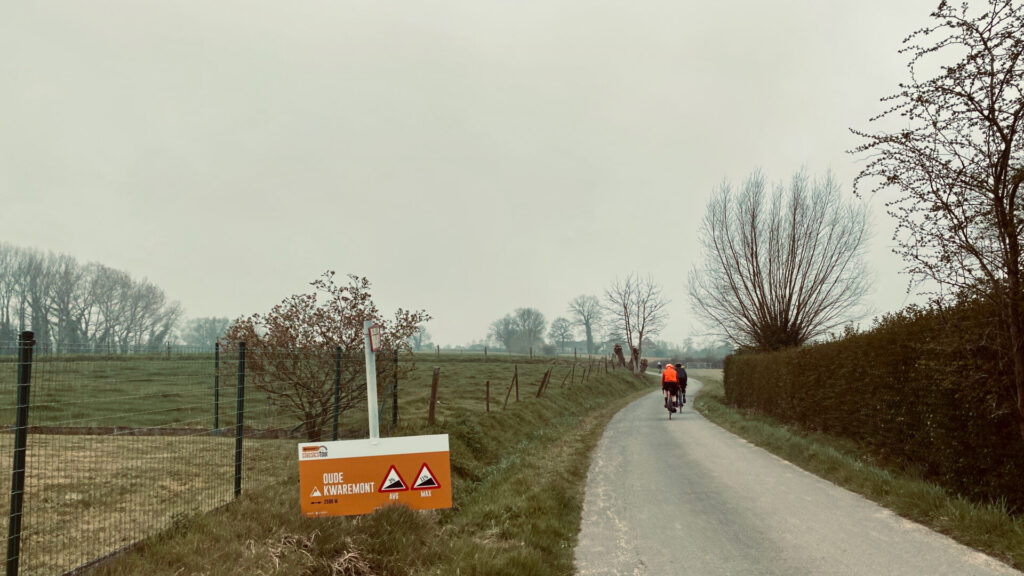
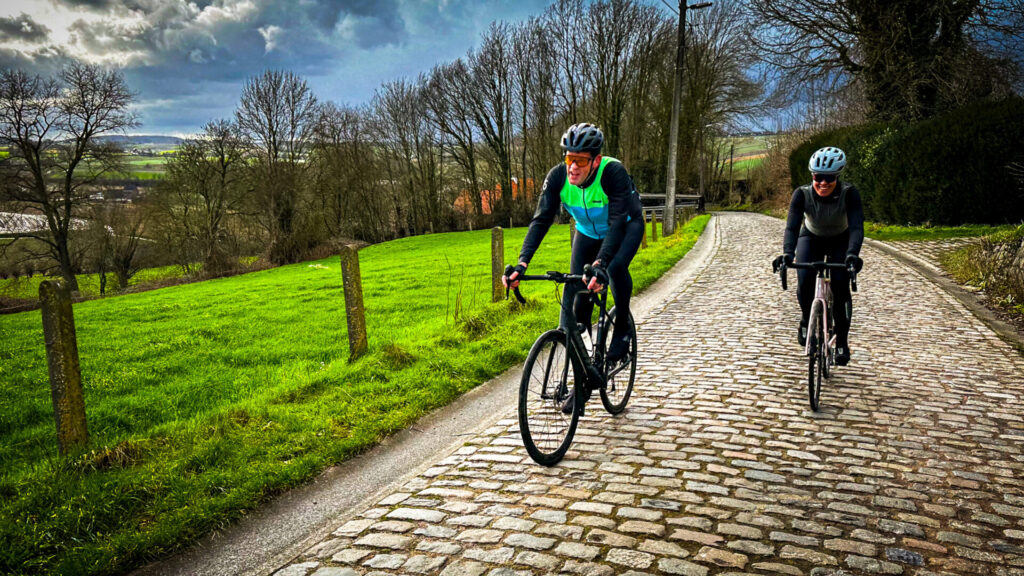
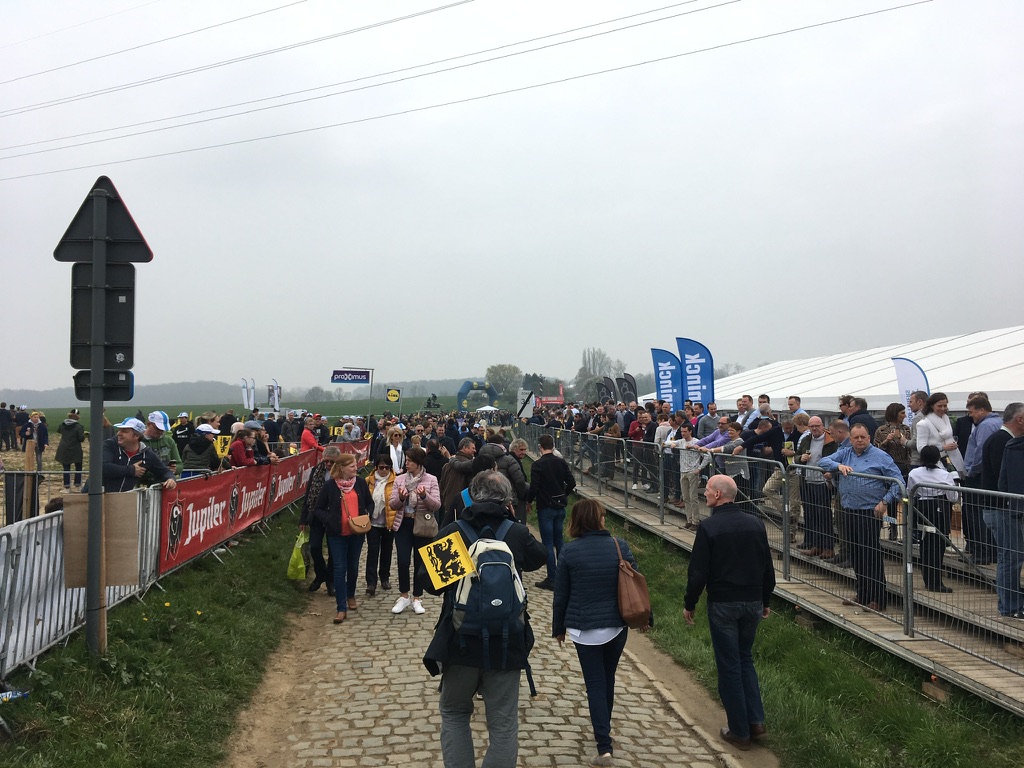
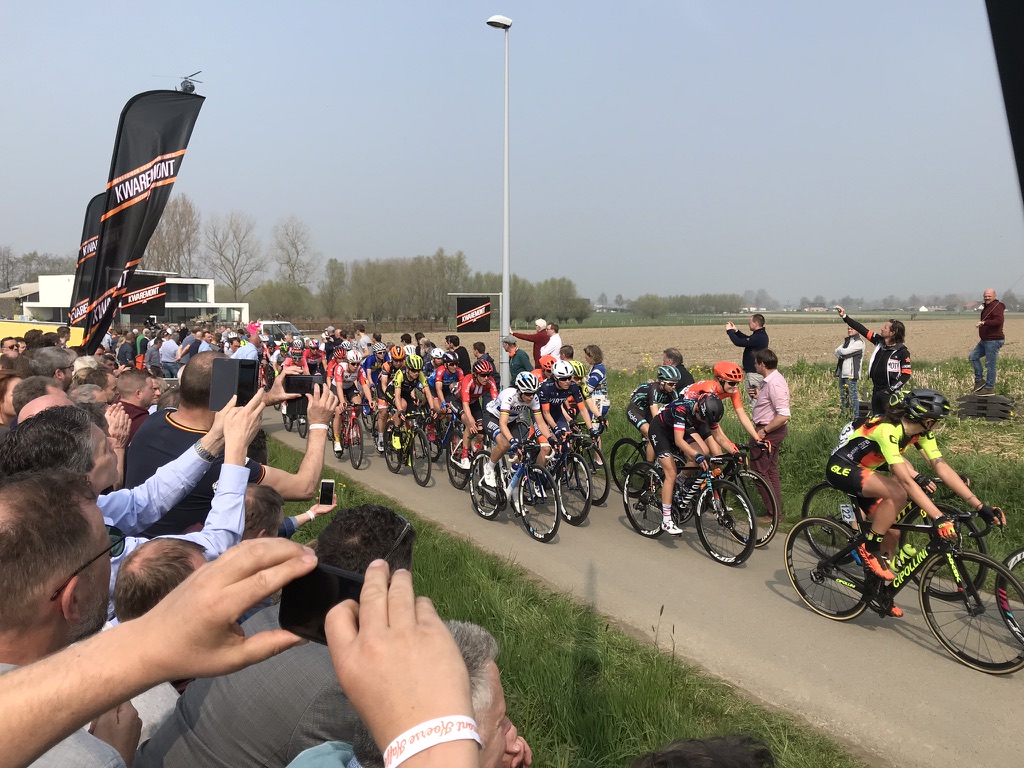
If De Muur is a sacred place, then the Oude Kwaremont is its mischievous little brother. With the change in the course order, the Kwaremont has become even more important. The nearly two kilometers long climb is the place to be during The Ronde. Here you see the women’s and men’s races several times. Here the fiery starts are now set, because with the Paterberg just a little further on this is the perfect moment to put the competition on the rocks. And what a rock. The gravel, the people who shout at you to get up. Halfway through the village you think you’re there, but then it goes on and on. It’s painful, but also exhilarating.
What’s in a name!
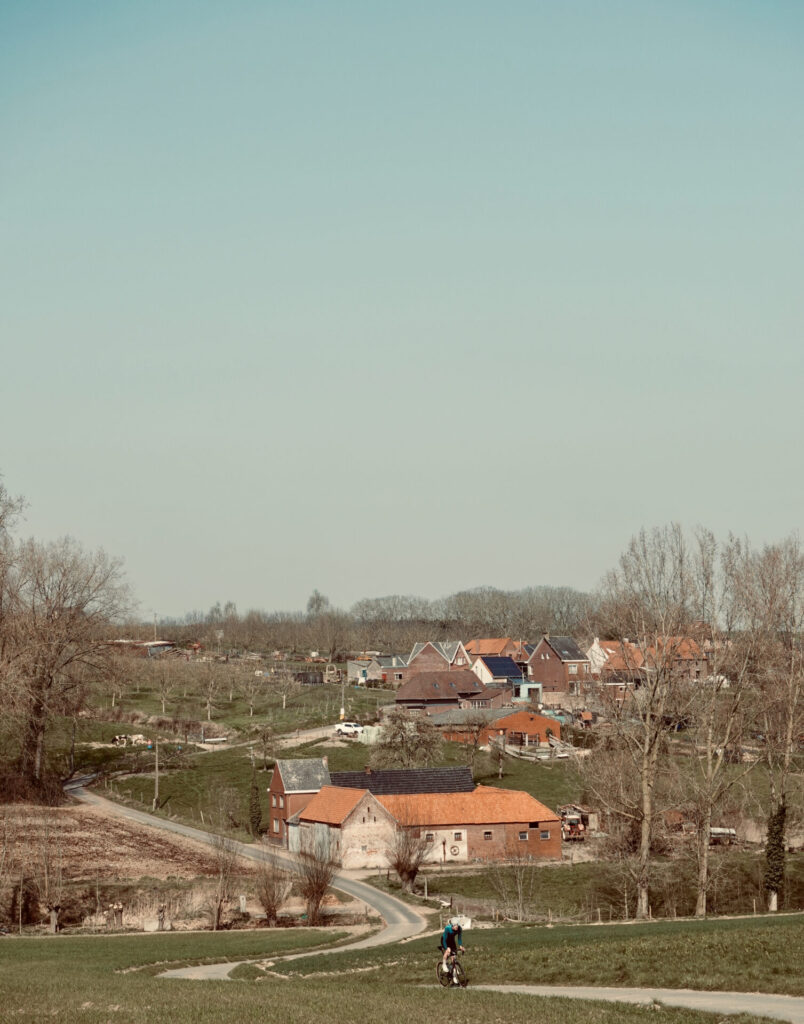
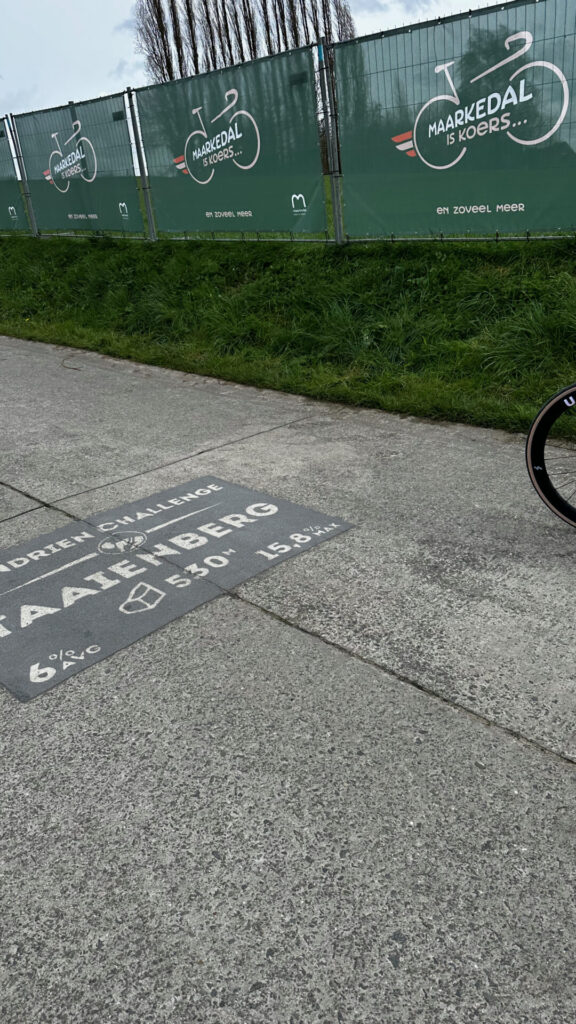
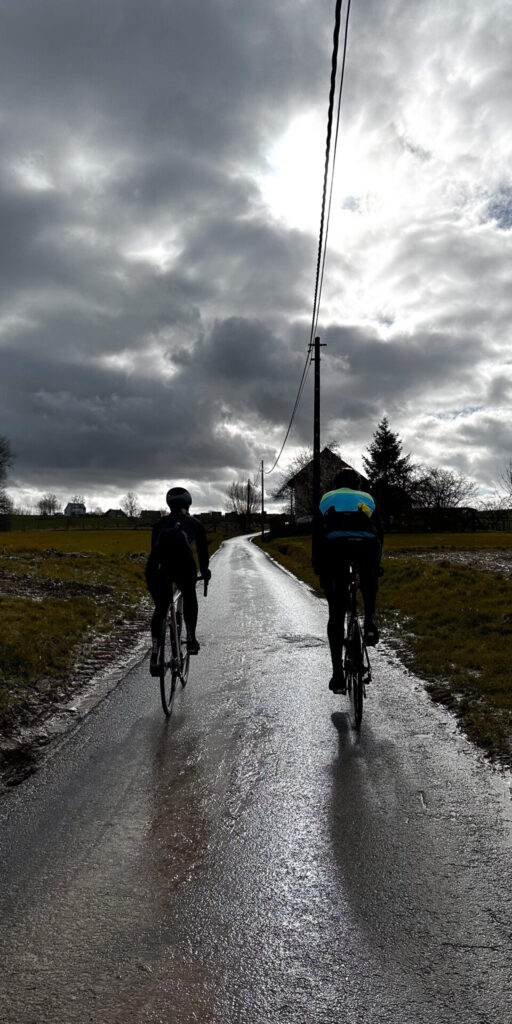
If you think you don’t quite belong on the ‘Wall’, ‘Kwaremont’ or in Oudenaarde, then the round still has something more in store. Did we mention the Koppenberg already? This is the painful variant of the Paterberg. Both offer 20% slopes to the climbers, but alas, this is not a party for the legs. The Taaienberg (Boonenberg), Berendries, Bosberg, Hotond, Ten Bosse and Wolvenberg are all equally challenging climbs that will put your legs to the test. These are also exactly the names you want to keep coming back to. Because no matter how painful the Paterberg is, once you’re up there you think: I really messed up!
Not enough yet?
If you’re still not satisfied, you can always crown yourself a Flemish. There are several options for this, such as winning the Ronde. One option that is also ‘accessible” to the average person is completing the Flandrien Challenge. Three days, all the hills and climbs from the Ronde and Gent-Wevelgem (and the E3, DDV, etc.). Everything, but everything. At the end, the reward awaits: you are a Flemish (ne)!
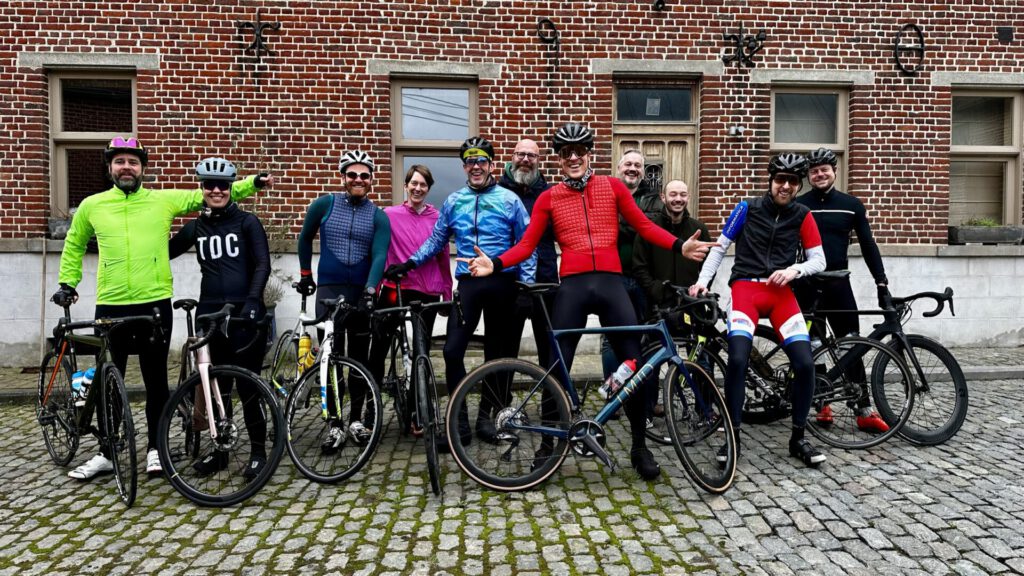
If you’d like to take a faster route: you can quickly get into the atmosphere by visiting the eponymous hotel in Parike (Brakel). Everything here exudes speed. Everywhere you look, you see the heroes of De Ronde. Briek Schotte (Iron Briek), Wout van Aert, Marianne Vos, Johan Museeuw. The cycling collection, one pillar of which is also the real Flanders (and winners) of De Ronde, completes the picture. And if Bernard also shares his knowledge of the Flemish race, you can rightly call yourself a Flandersman (for a day, at least).
Useful to know
- Watching the races is fantastic. Not only the Ronde, but also the other races. The Ronde really has something magical about it. Mark the first weekend of April in your calendar and you’re in for a treat.
- Cycling around the course in the days before the Tour is possible. The Cycloversie of the Tour is the Saturday before and is a mega event. If you want a little more peace and quiet, then do it on Thursday or Friday before. Then the preparations around the course are in full swing and you can experience all that atmosphere.
- If you would rather just cycle calmly, then cycle the routes of the Ronde on any other weekend. You can start at the Ronde Centre in Oudenaarde and the routes are well signposted with signs.
- Pressure in the tires: if you go cycling yourself and you have never ridden on gravel before, you might get really shaken awake. Because gravel bounces when you have too much pressure in the tires. So let some air out for more comfort.
- Business hours of the hospitality industry: Flemish hospitality is sometimes open or closed at the most irregular times. The Centre of the Ronde is almost always open, so you can easily visit there before or after the ride. However, it can sometimes be a bit of a search on the way there. In Geraardsbergen, you always have a price, especially on the main street. But beware: even there, you can sometimes find yourself facing a closed door due to periodic leave or another ‘exceptional closure’.’
- Cash: Always bring cash with you, because cash-handling (as pin payments are called in Belgium) is not a guarantee.
- Bike hotels: there is a large number of bike-oriented hotels and guest houses in the region. Besides the Flandrien Hotel Is there, for example, the Hotond Sporthotel (on the Hotond)?
- Renting a bike? You can do that almost anywhere, including at the Flandrien Hotel. Just here for a day? Then take a look at the Centre of the Ronde
- Routes for the three main loops can be found below
Questions & tips
Do you have any questions about this route, or have you been there yourself? Share them here. We read everything and usually respond within a few days.