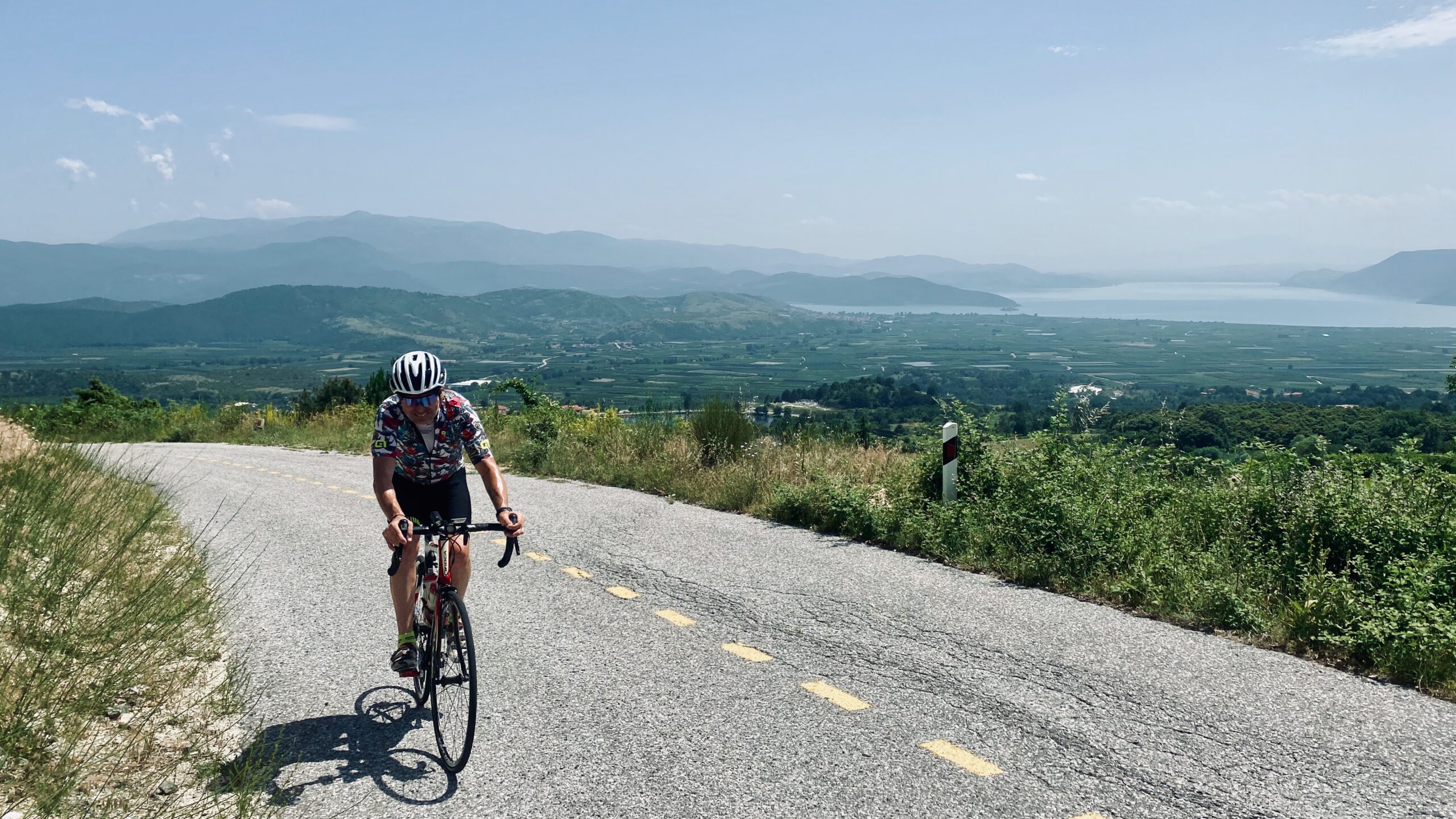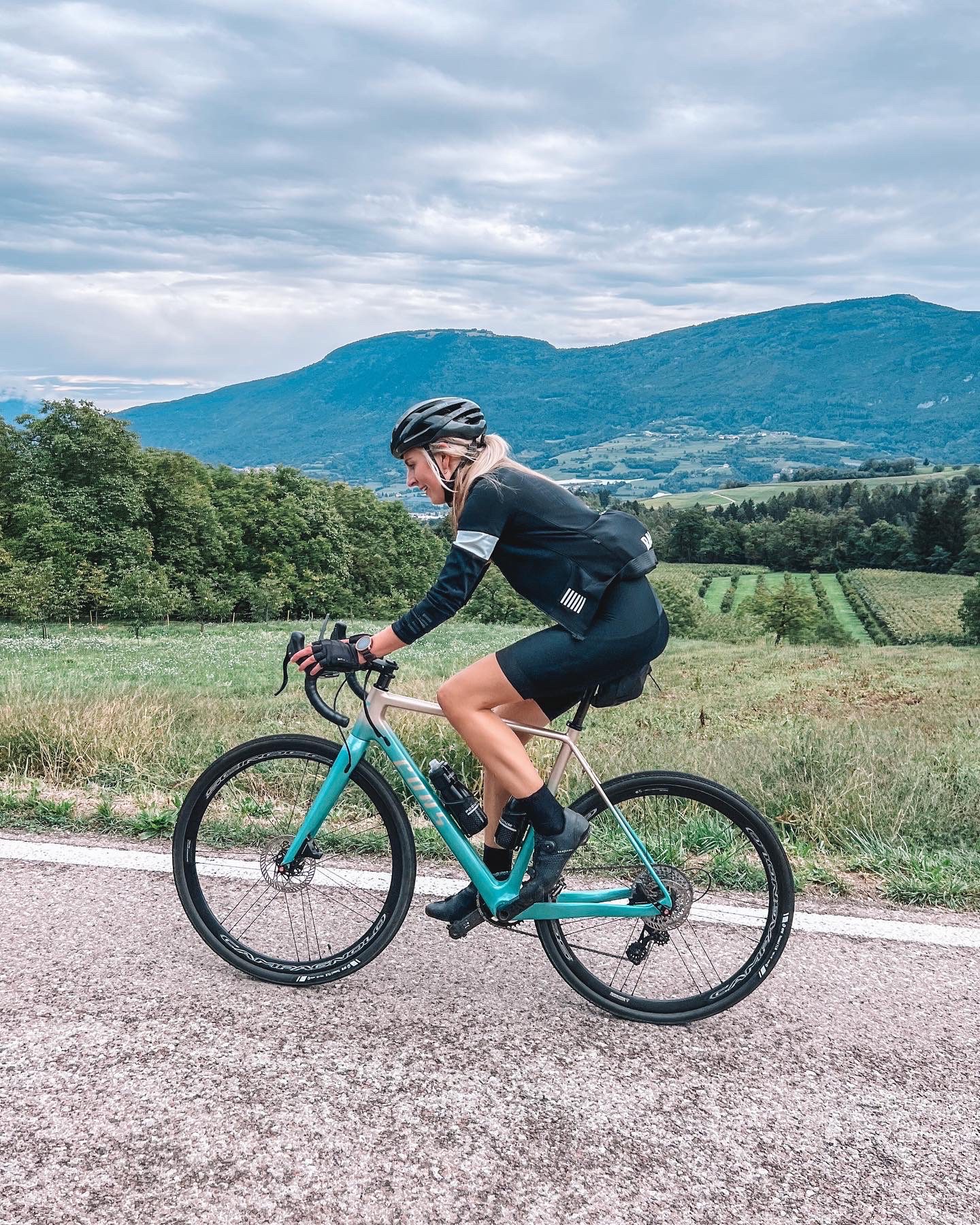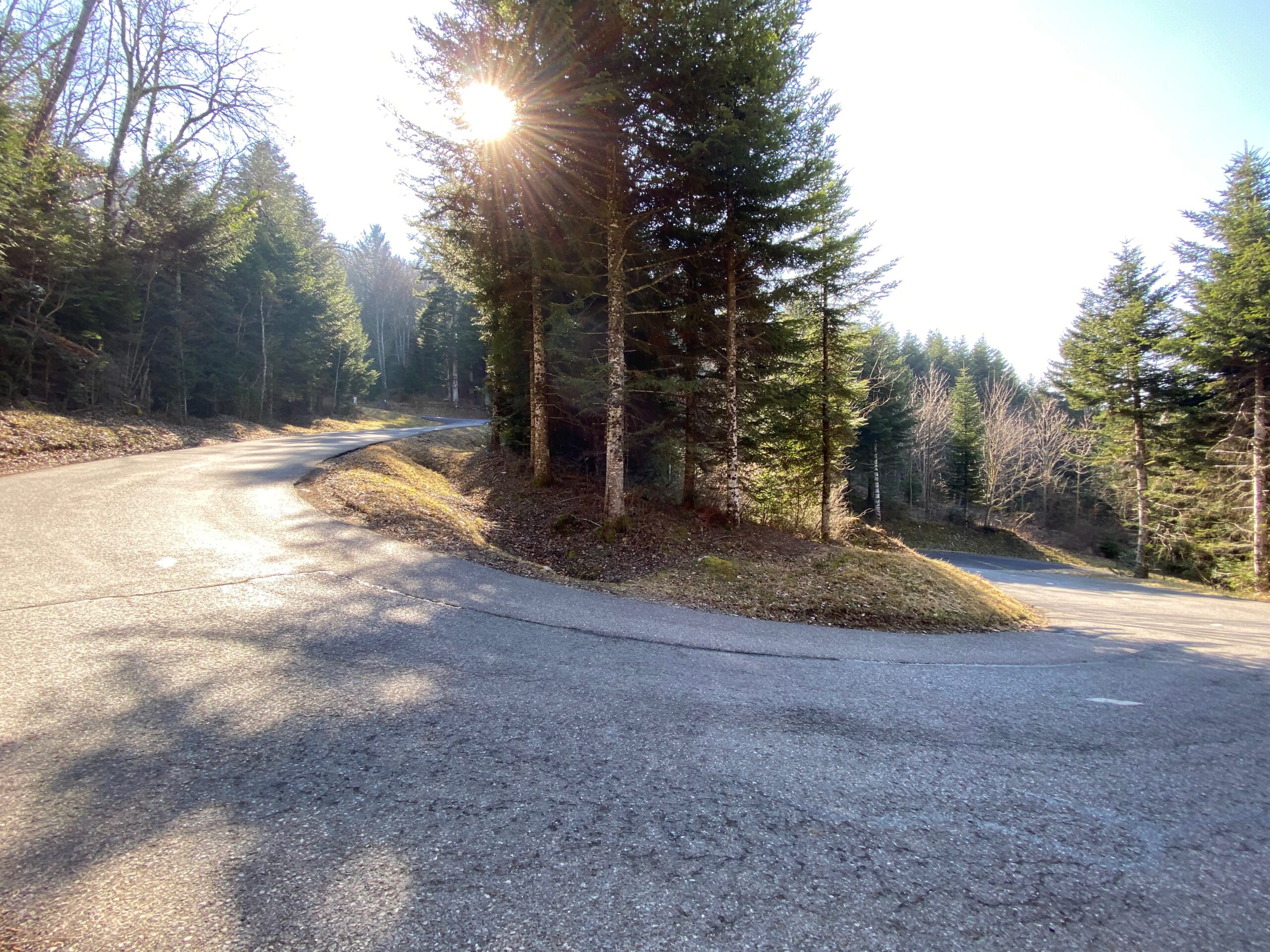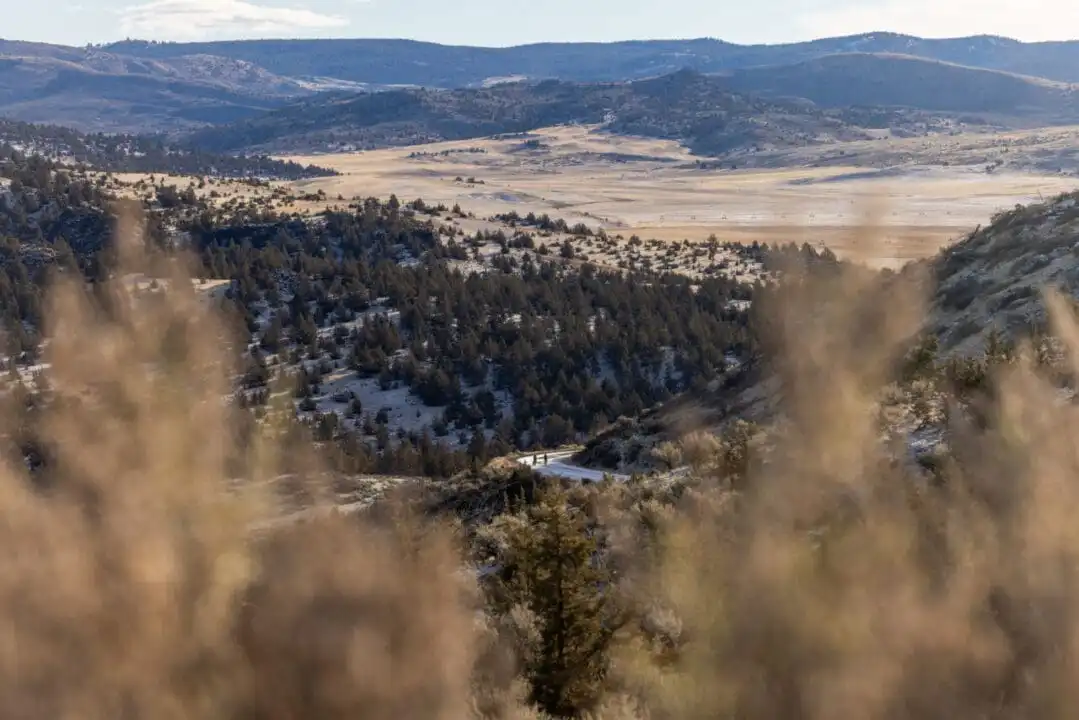
Styria calls itself the Green Heart of Austria. That sounds like a tourism agency slogan, but the region does have something special: in one federal state, you drive on mountainous forest roads at 1,500 metres altitude to rolling vineyards they call “Styrian Tuscany” here. And all those forest roads, agricultural paths and other trails in between? Those were built for forestry and agriculture, but they work perfectly on a gravel bike.
The official gravel routes are now in place, the network of cycling hotels is in place, and the variation in surface and landscape is great for one region. Time to find out how to do it smartly as a Dutch gravel rider.
Quick pick: if you want altimeters and panoramas, go to Schladming-Dachstein in the north. If you want a city as a base with short loops into the gravel, then choose Graz. And want to drive among vineyards, end at a thermal bath and stop at a Buschenschank in between? Then the south your place.
Schladming-Dachstein - rugged, mountainous, beautiful!
The north of Styria is where it really gets into the mountains. Think wide forestroads, mountain meadows and views of the Dachstein-glacier. The surface here is mostly unpaved: forest roads, sometimes muddy, sometimes firmly packed. You don't want to stand here with 32mm.
One route that stands out is the Sarstein Tour: some 45 km through the Ausseerland-Salzkammergut area, with gravel roads, suspension bridges and views of alpine lakes. Spicy, but varied. There are also circuits around the Dachstein and Viehberg that lend themselves to multi-day treks, bikepacking-style.
Important to note: the region is also home to bikeparks (as in Schladming itself), and you are absolutely allowed there with a gravel bike not riding. Those are reserved for downhill and MTB equipment. Stick to the designated gravel routes and you will be fine.
Graz - between city and country
Graz as a gravel outpost, is surprisingly smart. The town lies in a kind of U-shape of mountains on the north side, with open plains towards the south. You drive onto the gravel within a few hundred metres. Incidentally, Graz is also a really nice place to go on a road bike trip.
Read that here:
The Schöcklblick Tour is a great introduction: you start from the Mur-promenade, drives through the Leechwald (nice gravel) towards the Basilika Mariatrost, overlooking the Schöckl. Returning to the city follow the Mur Cycle Path (R2), a fast gravel/asphalt artery running north-south through the city centre.
Graz works well if you have three, four days and want to ride a different loop each day. Afterwards, you just sit in a city with good coffee and food. It's a convenient base.
Thermen- & Vulkanland / Südsteiermark - wine, wellness and gravel
The south of Styria is the laid-back variety. Rolling hills, vineyards, thermal baths, and an atmosphere that breathes Slovenia rather than Alps. But don't underestimate it: those hills tick.
The segment Neustift to Mureck is part of the larger Gravel Austria-network. Some 50 km along the Thermal Cycle Track (R12), with views towards Slovenia and Hungary. Those who really want to explore the south drive the Remschniggalm Tour, which takes you to Styria's southernmost mountain pasture. Mix of asphalt and gravel, and the kind of route where you stop halfway at a Buschenschank for a glass of wine and a Brettljause.
Cycling hotels in Styria
Styria works with the Bett+Bike-mark, originally from the German cycling federation ADFC. If you see that logo, you're usually right in terms of basics. Specifically, it means:
- Lockable, covered bicycle storage
- Basic tools on site (or contact nearest bike shop)
- Drying area for wet clothes
- Sports breakfast with sufficient carbohydrates
- Possibility for one overnight stay, useful for bikepacking
You'll find a selection of bike-friendly hotels in the region below.
How to get there from the Netherlands?
Austria is easily accessible, and Styria is no exception. This is the easiest way to get to your destination:
Car: From Utrecht to Graz it's about 1,050 to 1,100 km, count on 10.5 to 12 hours of driving (via Cologne, Frankfurt, Passau). Handy if you're driving two or more and bringing a lot of stuff. You have your car on site, which is nice in the north around Schladming.
Train (Nightjet): The ÖBB Nightjet departs in the evening from Utrecht Central (and takes you to Vienna (around 09:17) or Innsbruck (around 09:14). From Vienna, catch a Railjet to Graz, another 2.5 hours. You gain a day. Options range from seats to private sleeper compartment with private shower.
But, real talk: bike spots on the Nightjet are limited and require a separate reservation. Book early, as full is full.

Flying: From Schiphol to Vienna (VIE) or Graz (GRZ), often with a transfer via Munich. At KLM you need to register your bike at least 48 hours in advance. The bike goes in a box or sleeve (KLM sells cardboard bike boxes at Schiphol for €30), handlebars turn, pedals off, tyre pressure down. And for those riding an e-bike: the battery is not allowed. Not in the hold, not in the cabin. So plan accordingly.
Check also: Flying with your bike: best airlines, costs and tips for cycling trips
What do you bring?
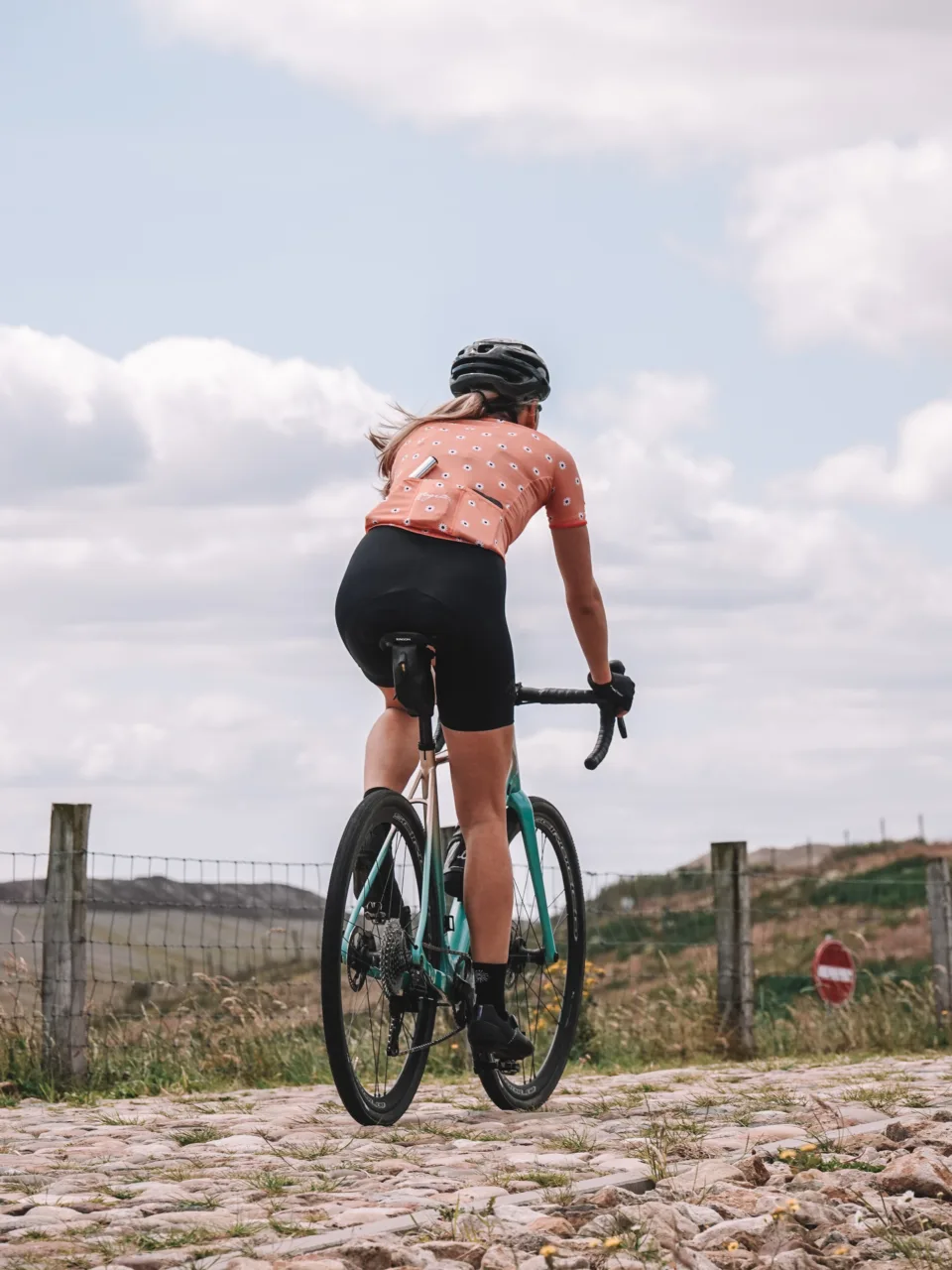
Styrian gravel ranges from smooth canal path to rugged Alpine forest road. Wide tyres (35-45mm) are not a luxury but a necessity, especially in the north. Bring a wide gear too: the climbs around Schladming Whether the Schöckl near Graz are steep and long.
And again: bikeparks are off limits for gravel bikes. So stick to the gravel routes.
Which basecamps are we missing?
This is a first exploration of Styria as a gravel destination. We're curious: have you been here? Do you have routes we should know about, or a hotel where they treat your gravel bike well? We'd love to hear from you!