
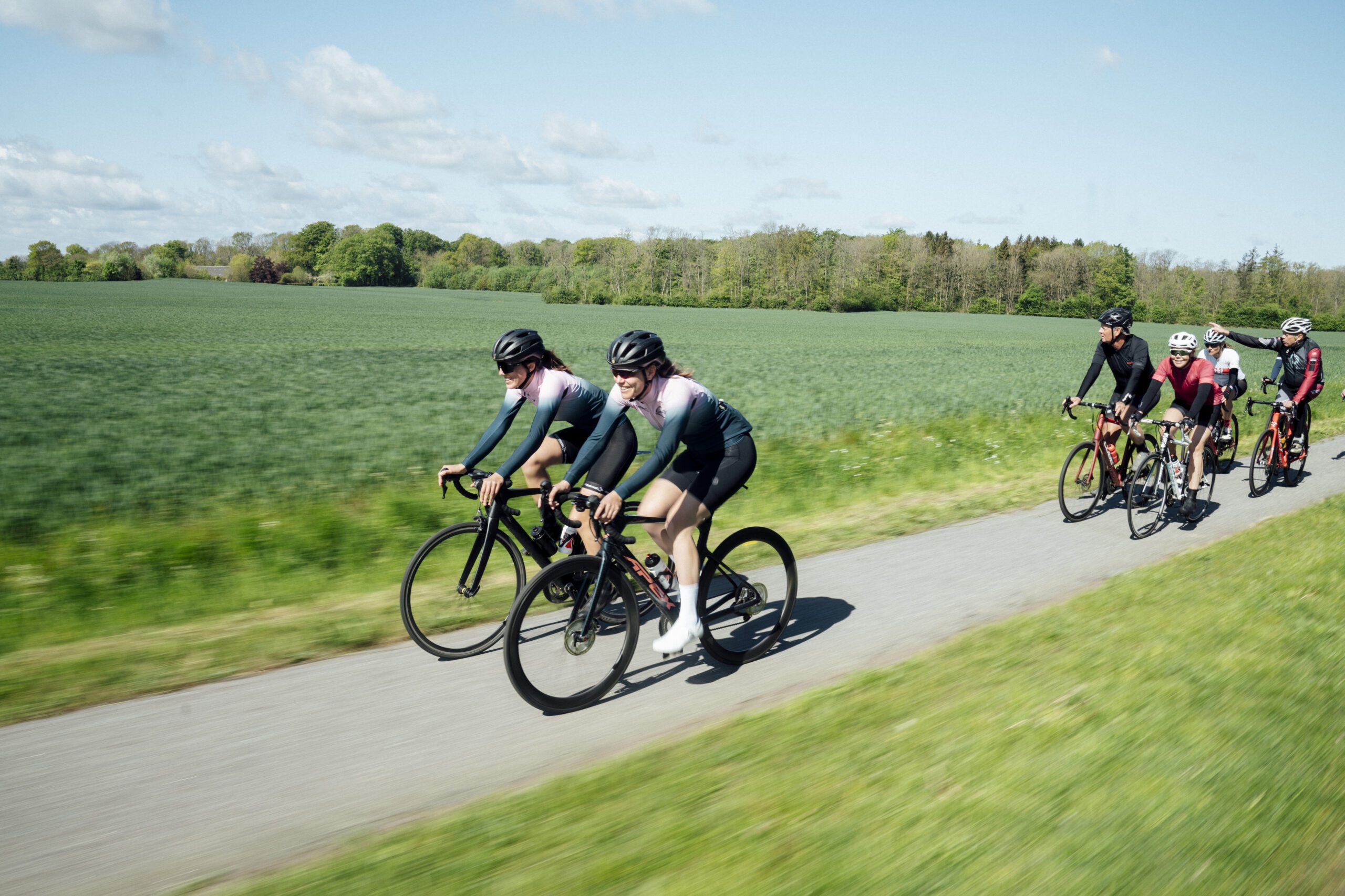
In the almost 20 years I have been riding a bike myself, I have been lucky several times. Not only did I survive a collision with a car without too many bruises, but I also performed a 360-degree somersault and a fall on gravel Without major injuries, I can process the situation. One of the reasons I came out of the fight relatively unscathed is the way I ride my bike. By not just riding, but choosing to ‘cycle safely’ – an art in itself, especially in the urban jungle. Recent encounters with near-accidents and falls from others confirm it time and again: safety starts with us, the cyclists, and our interaction with the environment. Here I share six of my tried-and-tested tips that will help you safely reach your destination, because ‘cycling safely’ is more than just riding smoothly; it’s ultimately your ticket to a worry-free ride.
1. Look at the eyes of other drivers
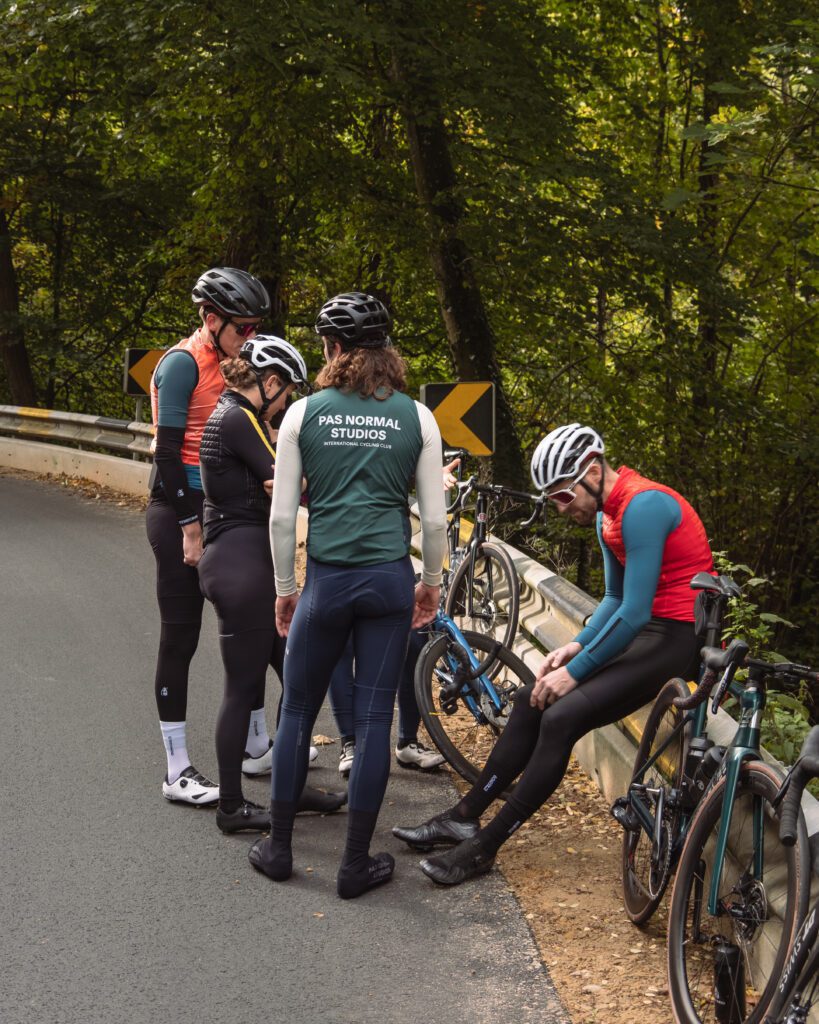
This is a tip from an ambulance driver. Many road users, whether they are in a car, on a bicycle or scooter, often seem lost in their own world. Distractions lurk – whether caused by technology, conversation partners, or complex navigation instructions. The result? A world in which an accident can occur in a fraction of a second. The solution can be surprisingly simple: make eye contact. When you are driving behind a car, look the driver in the eye. Whether you need to yield or get ahead, make sure the other person has seen you. If you are unsure, slow down and be prepared to brake. ‘Safe cycling’ means being proactive – because as the saying goes: better to prevent than to cure.
2. Reduce your speed drastically in built-up areas
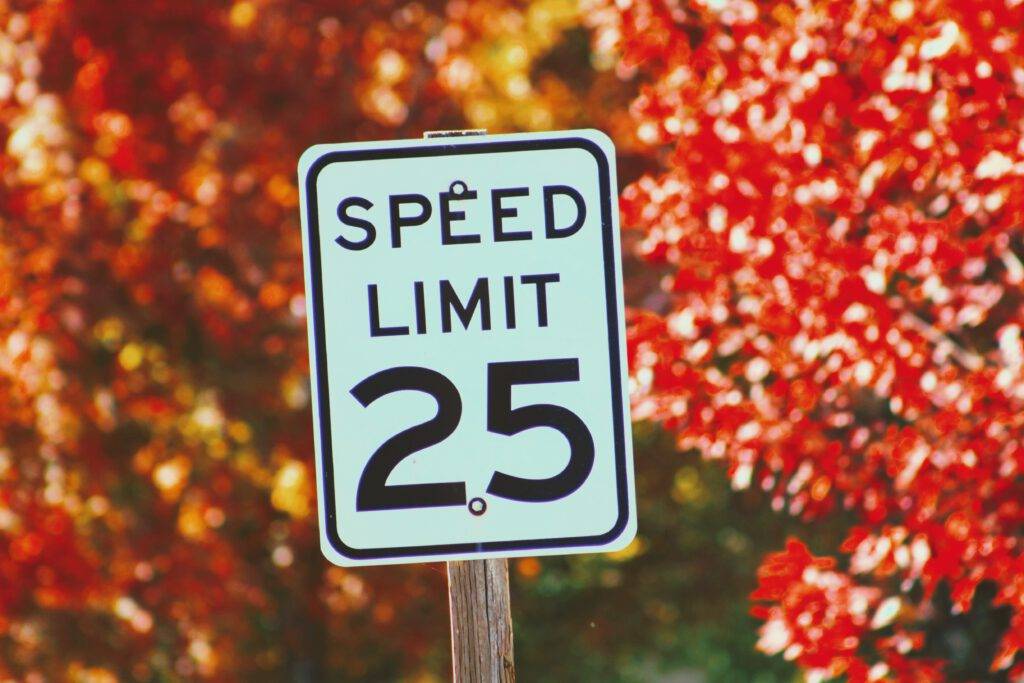
In the city of Utrecht, my home town, the bike is the advantage. Wide bike paths and good opportunities to get out of the city quickly. But of course, many accidents happen with cyclists in Utrecht too. The wide bike path at Tivoli Vredenburg is a good example of this. Everyone is in a hurry and wants to overtake, which leads to dangerous antics by other road users. When you ride in the city on a race bike or gravel bike, you adapt to the other traffic. Especially if someone is wearing headphones, they won’t hear you, even if you’re shouting really loudly with your bell. Then you can only go at 15 or 20 kilometers per hour, but I’d rather that than with a folded bike in the ambulance.
3. Travellers and other work vehicles evade
On my most recent trip, I saw it happen. A tractor that had to drive on a country road because the tractor wasn’t allowed on the provincial road. A cyclist who was sitting behind it and couldn’t help but be annoyed. At the last moment, he goes past it and then misses the sign on the road. Boom, pat, fall. Result: shoulder pain and a broken morale. The same applies here: just stay behind this vehicle, make sure the driver sees you, and when you pass, make sure you have enough space and know what’s coming for you. If you don’t know that, it’s better to stay behind. Inhale, exhale, and you can usually get back on quickly.
4. Visible through lighting, even during the day
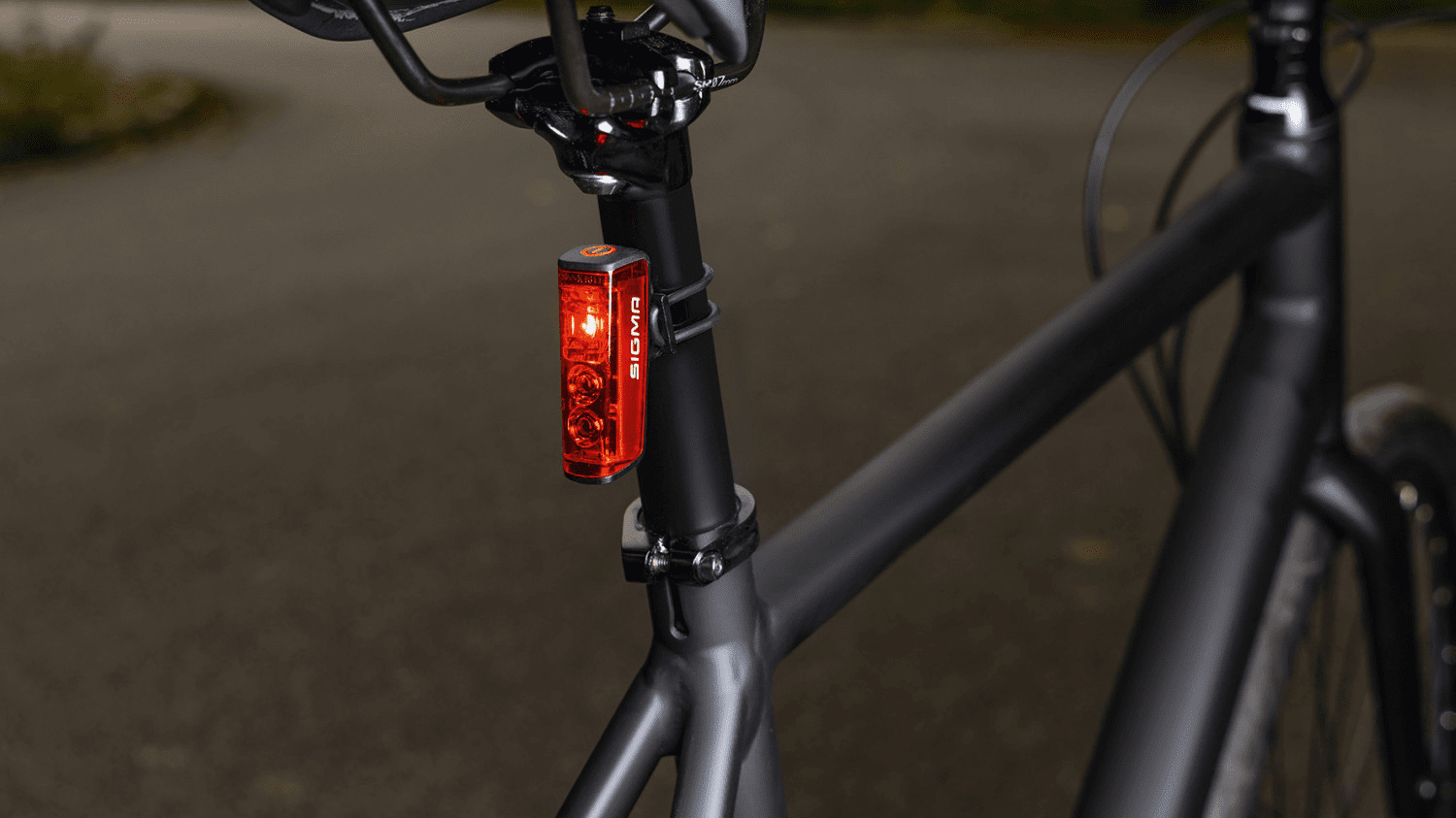
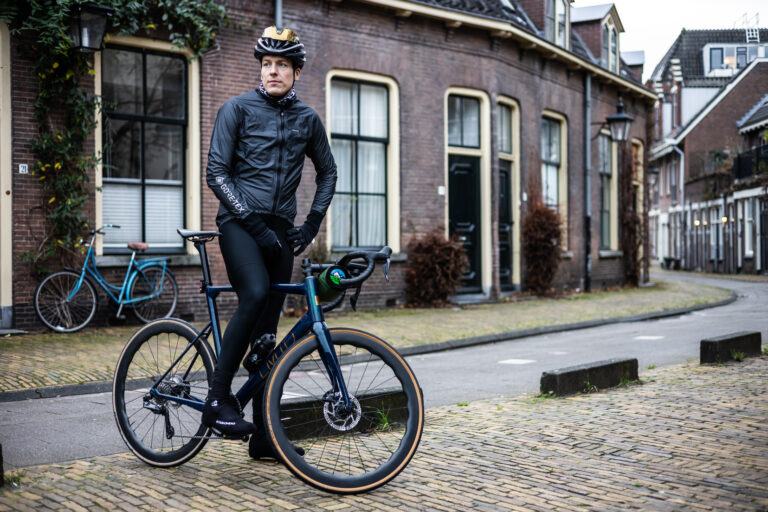
Especially during the winter period, the light is moderate during the day. Clothing manufacturers often choose to use dark colors in their designs. Winter collection to process. (tip: Etxeondo It has nice bright colors. So it's always visible!) Result: Cyclists are poorly visible. Therefore, it is advisable to cycle with lights even during the day in winter. That can be done with a simple rear light that lights up when you brake, or with a small front light. That doesn't have to be a construction light right away, but the small lights from HEMA aren't what you want. These SIGMA combination It is very nice and ensures ideal visibility. That makes safe cycling much easier.
5. Learn to drive in a group
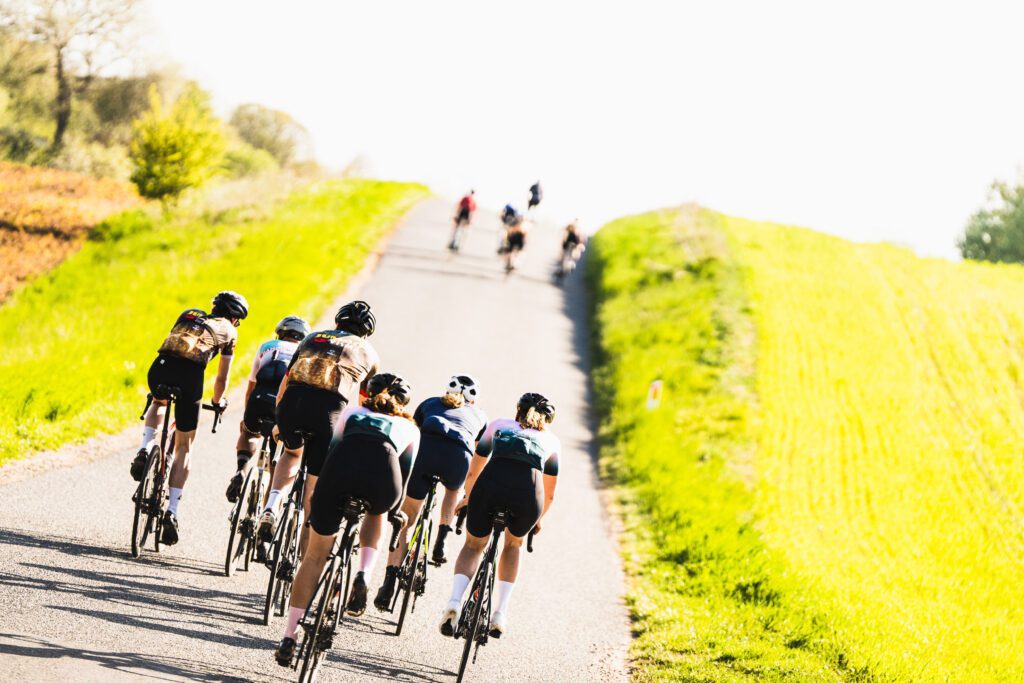
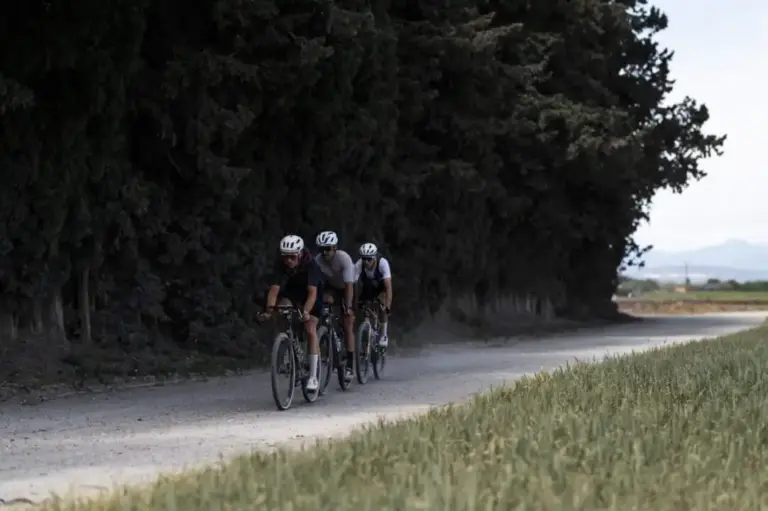
Driving in a group is a skill. Too often I see people driving in a group who are not used to it, but also think they are racing in the Tour de France. It is often men, I must admit. What do you get then? Insecure crossing the road, forgetting to signal, leaving too much or too little space, suddenly starting to ride in the middle of the group with hands off, or making unexpected movements. The professional peloton or a peloton in general is a group that can ride together because there are unwritten rules. Because everyone knows what is happening and how to react. When you are driving in a group and you don’t know each other, you have to be more cautious and agree on good rules beforehand. Then you usually get home safer.
6. Check your bike before you leave
In October, we had an accident in our group. That can happen, but the feeling still dominates in me that we could have prevented this. Why? One of the brakes on the bike wasn’t adjusted properly. Not enough braking power. We could have adjusted that at the shop, but hey, speed, haste, ‘no time to waste’. That’s why it’s good to do a few basic checks beforehand:
- Are your brakes working properly? This means that you can’t squeeze the brake lever all the way to the handlebar and that your wheel stops immediately when you brake. Therefore, please also check that the brake pads still have enough rubber.
- Headrest check: squeeze your brakes and push your bike forward when you’re at a standstill. Do you feel the play? Then your headrest is loose. So turn it clockwise
- Check the tires: take a quick look with your hand at your tires. Are there brake pads? Or do you happen to see a piece of glass? Change them immediately. Also, make sure the tire pressure is correct.
- Can you switch gears well enough? Is it running smoothly or is it glitching? If you can't switch gears well enough, the risk of a stalling is greater. Especially in a group, there is a greater risk of a fall.
BONUS TIP: Always wear a helmet
This tip should be unnecessary, but certainly on a road bike, but also in the forest on a gravel bike, a helmet is mandatory in my opinion. Even with a helmet on, you can still get a serious head injury, a concussion, or something similar. Without a helmet, I really don’t want to know what your head looks like after an intense hug with a tree or the asphalt. A helmet has saved me several times. A helmet is personal, so get good advice. I prefer one that weighs 15 grams more, but if it fits well, then the latest trendy model is the best.
Questions & tips
Do you have any questions about this route, or have you been there yourself? Share them here. We read everything and usually respond within a few days.